
Last updated November 14, 2026
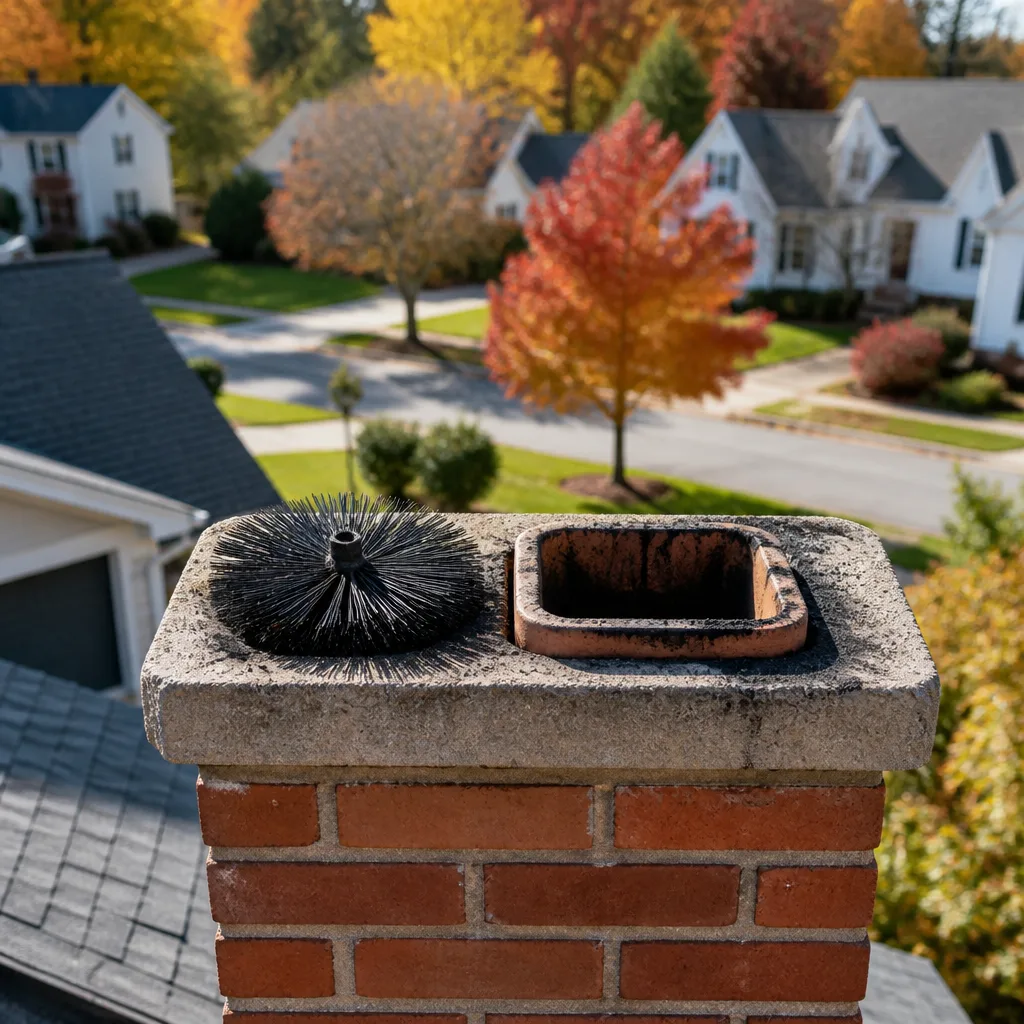 Sweep & inspection
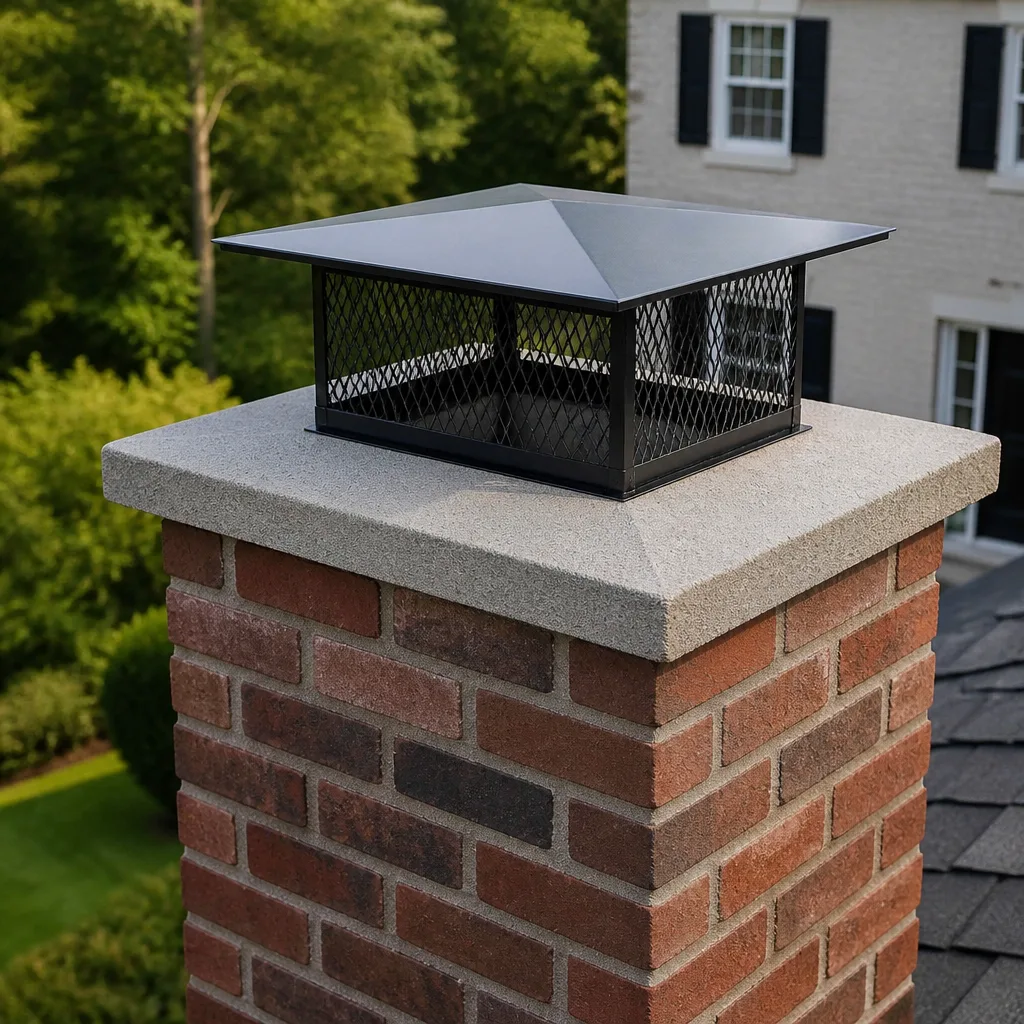 Caps & crowns
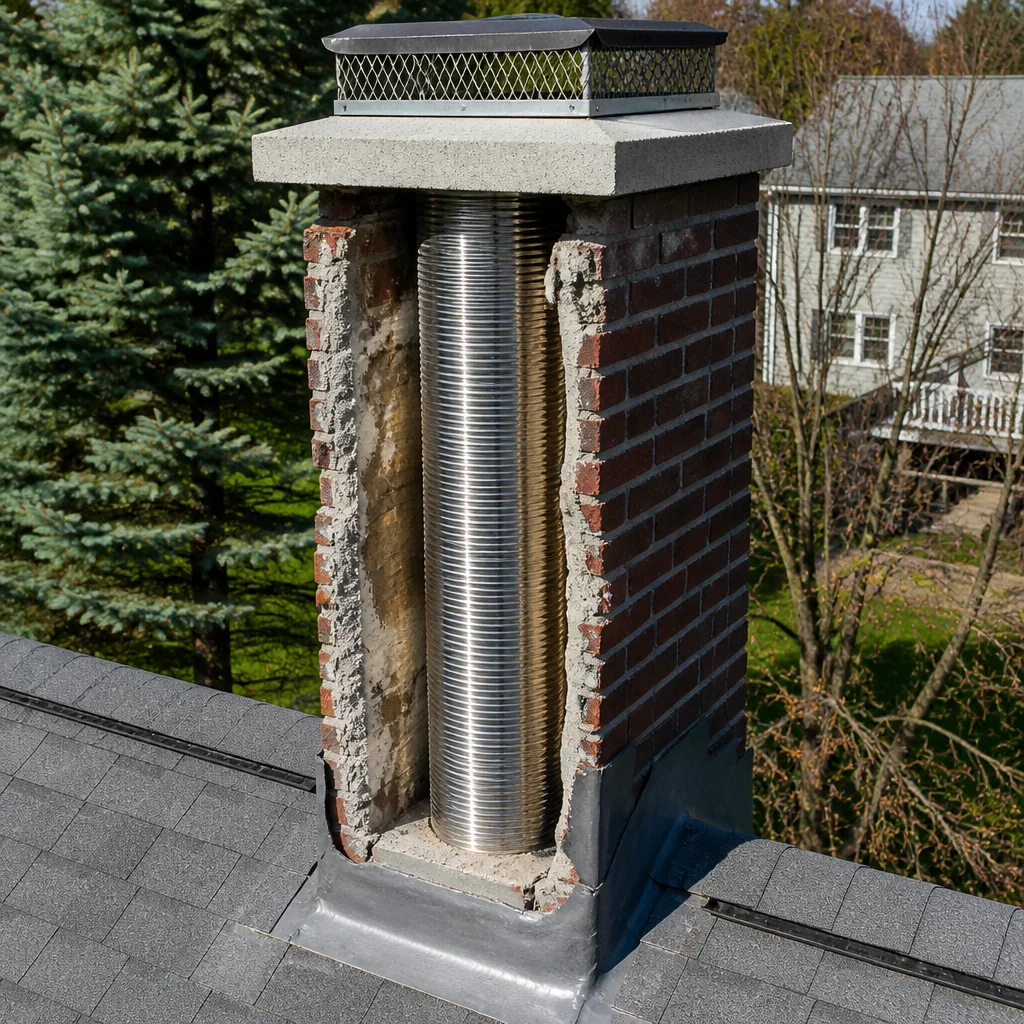 Flue relining
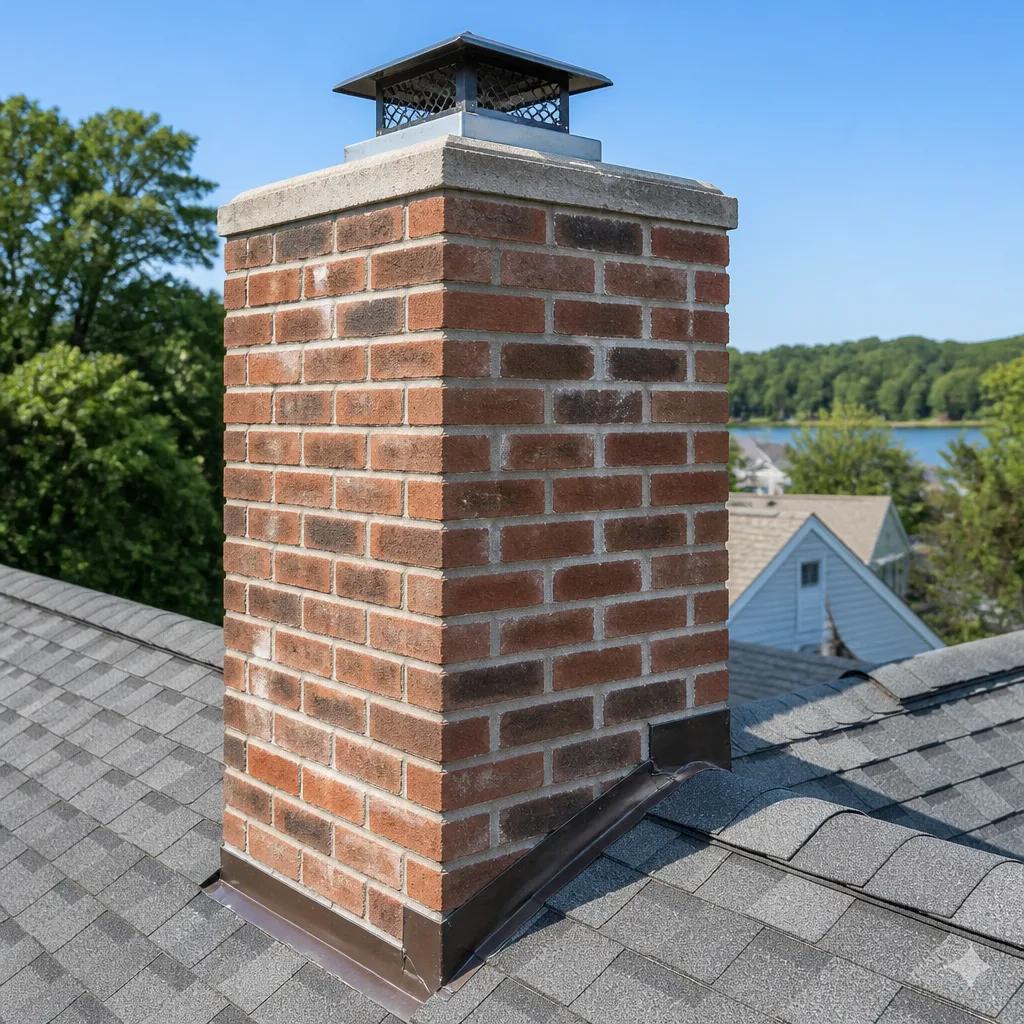 Masonry repair
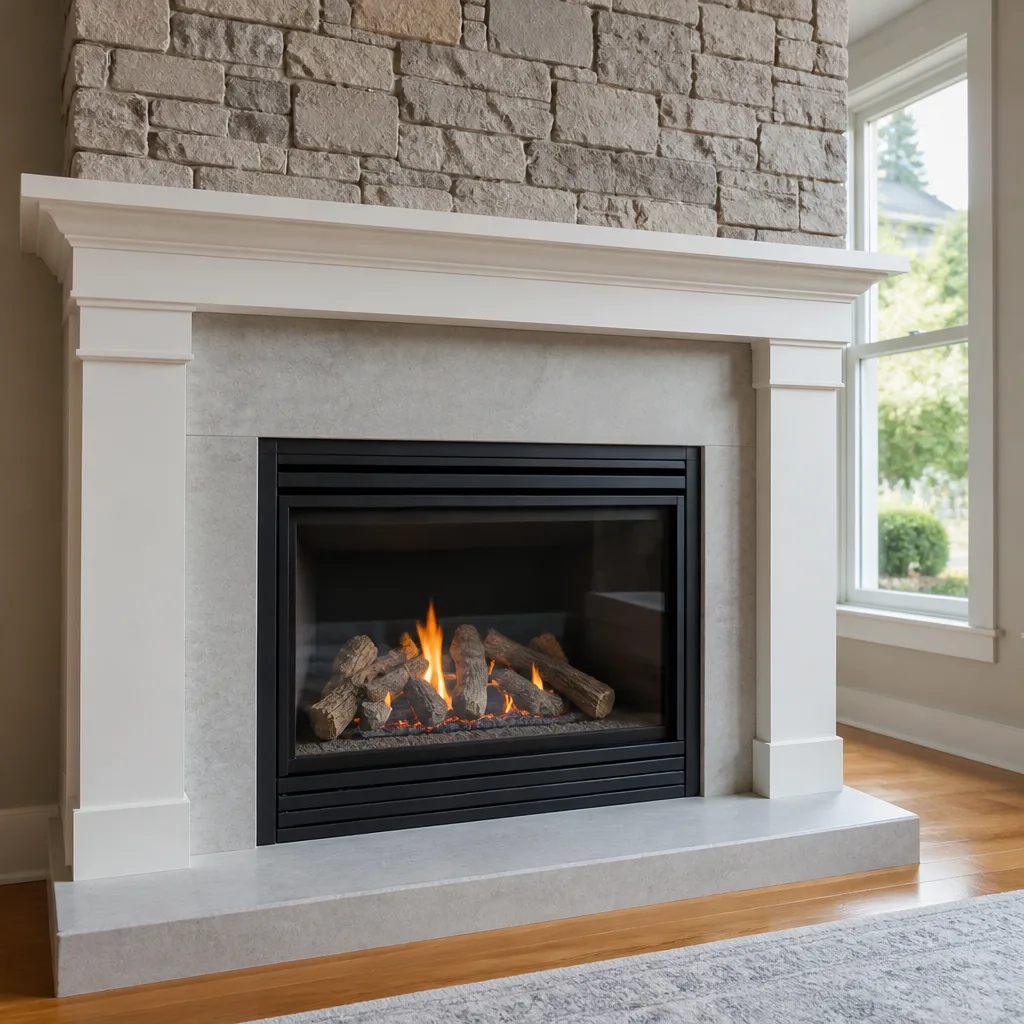 Gas fireplace service
Level 1 sweep and inspection to the NFPA 211 annual standard - flue, crown, cap, and flashing checked and photographed
Chimney sweep logs do not sweep chimneys. They loosen some creosote - which then falls where a brush and vacuum still have to collect it.
The Complete Guide to Chimney Cleaning in Lowell
Most Lowell homes were built long before modern chimney liner standards existed. That single fact changes what “clean” means here. A flue can come out of a sweep looking spotless and still be hiding a cracked clay liner, a failed mortar joint, or a crown that’s letting water into the masonry every time it rains. Cleaning removes what burned; it doesn’t tell you whether the system that carried the smoke is safe to use again.
This guide treats a cleaning visit as the start of understanding your whole venting system, not a box to check each fall. You’ll learn what Lowell’s older housing stock does to chimneys, how the three inspection levels differ, why oil-to-gas conversions matter, and how to read the report you get afterward.
Quick Answer
Chimney cleaning in Lowell removes creosote, soot, and blockages from the flue, but the appointment is really a diagnostic visit: a proper sweep pairs the cleaning with at least a Level 1 inspection so you know the condition of the liner, damper, and masonry, not just that the inside is clean. In older Lowell homes, especially triple-deckers and mill-era houses, the inspection often matters more than the sweep itself. If you want the cleaning and the assessment done together by a specialist who can also handle repairs, that’s exactly the model we work from.
Styles & brands we work with
- Sweep & inspection
- Caps & crowns
- Flue relining
- Masonry repair
- Gas fireplace service
Table of Contents
- Why Lowell Chimneys Age Differently
- Level 1, 2, and 3 Inspections: What’s the Difference?
- The Oil-to-Gas Conversion Problem
- What a Technician Should Look For Beyond Creosote
- How a Chimney Sweep in Lowell Actually Works
- How to Read Your Post-Cleaning Report
- Dryer Vents: The Other Exhaust System in Your Home
- How Often Should You Schedule Cleaning?
Why Lowell Chimneys Age Differently
Lowell’s housing stock is old, and that shapes nearly everything about how a chimney performs. Triple-deckers put multiple flues in one stack, often sharing a single masonry structure between units. Mill-era homes were built with generous fireplaces and tall chimneys that draw well but have had well over a century of heating seasons run through them. When you schedule a chimney sweep in a home like this, the technician isn’t starting from a blank slate.
The regional climate adds its own pressure. Lowell winters are long and cold, which means the heating season runs hard and the shoulder seasons swing between burn days and long idle stretches. A chimney that heats and cools repeatedly goes through expansion and contraction cycles that work on the mortar joints and the clay liner tile. That’s where the trouble hides.
Here’s what that means in practice:
- Shared stacks in triple-deckers can have flues from different units side by side. A problem in one flue doesn’t automatically mean the others are compromised, but they all need to be looked at individually.
- Oversized original fireplaces in mill-era homes often have flues sized for open-hearth burning. When a modern insert or a gas appliance is added later, the flue can be too large for the appliance, which cools the exhaust and encourages creosote to condense on the walls.
- Decades of deferred maintenance mean many Lowell chimneys have never had a proper inspection, only a brushing. The brushing keeps the flue open; it says nothing about whether the liner behind the soot is sound.
None of this is a reason to panic. It’s a reason to treat the cleaning visit as the moment you find out where your chimney actually stands. The homes we see in Lowell range from well-maintained to genuinely neglected, and the only way to know which one you have is to look.
Level 1, 2, and 3 Inspections: What’s the Difference?
Not all cleaning visits are equal, and the biggest variable isn’t how much soot comes out. It’s how thoroughly the technician inspects the system before and after the sweep. The chimney industry uses three inspection levels, and knowing which one you’re getting is the difference between a cleaning and a genuine assessment.
Level 1 Inspection
This is the baseline. It covers the readily accessible portions of the chimney and venting system: the firebox, the damper, the visible flue, and the chimney exterior where you can reach it. A Level 1 inspection is appropriate when the appliance and fuel haven’t changed and the system has been maintained. It’s the standard pairing with an annual cleaning.
Level 2 Inspection
A Level 2 inspection goes further. It includes everything in a Level 1 plus a video scan of the flue interior, and it covers accessible portions of the attic, crawlspace, and other areas the chimney passes through. This level is required when there’s been a change to the system: a new appliance, a fuel conversion, a reline, or a property transfer such as a real-estate sale. It’s also the level to request if you’ve had a chimney fire, even a small one you suspect happened.
Level 3 Inspection
A Level 3 inspection is the most involved. It applies when a Level 1 or 2 reveals a problem that can’t be fully assessed without opening up building components, which may mean removing part of a wall or other construction. Level 3 is rare, and it’s reserved for situations where the risk of not knowing outweighs the cost and disruption of opening things up.
When you book a cleaning in a Lowell triple-decker or an older home that’s changed hands, ask which inspection level you’re getting. Our technicians have up to 12 years of experience and we include a camera inspection and photo report with our assessments precisely so you can see what we see. If the last person who looked at your chimney only brushed it, you may still be due for a Level 2.
The Oil-to-Gas Conversion Problem
Lowell has a lot of homes that used to burn oil and now burn gas. That transition is good for efficiency and for air quality, but it leaves a residue problem that most sweep-only services never mention. Oil combustion produces acidic byproducts, and those acids do a slow, quiet number on a clay liner.
Here’s what happens. When a heating system burned oil, the flue carried combustion gases that included sulfur compounds. Those combine with moisture in the flue to form acids, which sit against the clay tile and mortar joints and eat at them over years. Once the home converts to gas, the acids stop being produced, but the damage they left behind is still there. And gas appliances produce their own moisture, which can reactivate whatever acidic residue remains.
This matters in a few specific ways:
- A clay liner can look fine from a distance and still have a soundness problem on the inside from years of acidic condensation. Only a video scan tells you for sure.
- Spalling and crumbling mortar joints on a former oil flue are common. The binder in the mortar gets attacked first, and once it goes, the joints between the tiles start to fail.
- Combustion efficiency changes with the fuel. A gas appliance that vents into a flue sized for an oil furnace can have a mismatched draft, which affects how completely the exhaust clears and how much moisture lingers.
If your home converted from oil to gas and the chimney has never been scanned since, that’s worth a camera inspection, whether or not you burn wood in the fireplace. The flue serves your heating appliance too. A compromised liner is a venting hazard regardless of what’s burning on the hearth. Where the liner is sound, a resurfacing product like HeatShield can address certain deterioration without a full liner replacement. Where it isn’t, we’ll show you the video and explain the options plainly.
What a Technician Should Look For Beyond Creosote
Creosote gets all the attention because it’s the fuel for chimney fires, and it’s real. But a technician who only thinks about creosote is missing the structural issues that make a chimney unsafe regardless of how it burns. Here’s what a proper assessment covers.
Spalling brick
Spalling is when the face of a brick flakes off, often because moisture has gotten into the masonry, frozen, and expanded. In a Lowell winter, that cycle happens repeatedly. Spalling brick is a sign the chimney is taking on water, and it weakens the structure over time.
Failed mortar joints
Mortar is the chimney’s glue. When joints recede, crumble, or wash out, the bricks lose their bond and the stack loses integrity. Failed joints also let moisture and cold air move through the masonry where they shouldn’t. On older homes this is often the first thing to go.
Damaged dampers
A damper that doesn’t open, close, or seat properly is a draft and efficiency problem. An open damper in winter sends warm air straight up the flue; a stuck damper is a hazard when you light a fire. Damper hardware on older fireplaces is frequently worn or missing. Replacement components from brands like Famco or Copperfield are the kind of verified parts that fit properly, unlike hardware-store generics.
Crown cracks
The crown is the concrete cap at the top of the chimney, and its whole job is to shed water away from the masonry. A crack in the crown, even a hairline one, lets water in at the top, which is the worst place for it to enter. Crown cracks are one of the most common findings in older Lowell homes and one of the easiest to address before they cause a bigger masonry problem.
Liner integrity
The clay tile liner is the barrier between the exhaust gases and the surrounding structure. Cracks, gaps between tiles, and missing chunks compromise it. This is where a camera scan earns its keep, and where we’d show you the footage rather than tell you to trust us.
Notice that none of this is upselling. These are observable conditions. The job of the technician is to look, document, and explain. If a finding can safely wait, we say so.
How a Chimney Sweep in Lowell Actually Works
People often aren’t sure what a cleaning visit actually involves, which makes it easy to feel talked into things or brushed off. Here’s how a proper Chimney Sweep Lowell appointment goes, step by step.
- Visual assessment before cleaning. The technician inspects the firebox, damper, and visible flue first, and checks the exterior of the stack. Problems are noted before anything is disturbed.
- Protection of the living space. Drop cloths and a contained vacuum are set up so soot stays in the flue, not on your floor.
- Cleaning of the flue. Brushes sized to the flue remove creosote and soot from the walls. The firebox and smoke shelf are cleaned too.
- Camera scan of the liner. A video inspection of the flue interior shows the condition of the liner tiles and joints. This is where the real information comes from.
- Exterior and crown check. The technician looks at the crown, flashing, and masonry for signs of water intrusion or structural problems.
- Photo report and walkthrough. You get images of what was found, an explanation of each finding, and a clear statement of what needs attention now versus what can wait.
A cleaning that skips step four is a cleaning that can’t tell you whether your flue is safe. In a Lowell home with an older clay liner, that’s the step that matters most. If the scan turns up a deteriorated liner, our capability with HeatShield resurfacing means we can restore certain liners rather than jump straight to replacement, which many sweep-only companies can’t offer because they don’t do repairs at all. And where a complex or offset flue needs a flexible system, DuraFlex gives us the flexibility to handle configurations that rigid liners can’t.
How to Read Your Post-Cleaning Report
The report you get after a cleaning should tell you something, not just confirm the visit happened. A useful report includes photos or video of the flue, a description of each finding in plain language, and a clear distinction between what needs attention and what can wait. Here’s what to look for and what to ask.
What a good report contains:
- Images of the firebox, flue interior, and chimney top
- The inspection level performed and what it covered
- Specific findings: liner condition, damper function, crown condition, mortar joints, creosote level
- A recommendation section that separates “address now” from “monitor”
Questions worth asking before you schedule any repair:
- Can I see the video or photos of the finding you’re describing?
- What happens if we don’t fix this right away – does it get worse, or can it wait a season?
- Is this a repair that addresses the cause, or does it patch a symptom?
- Are the replacement parts coming from a verified supply chain, or a generic source?
- Does the fix require another inspection afterward?
You have every right to see the evidence before you commit to work. If nobody showed you the footage, ask for it. A report you can’t read is just a sales document. The report should leave you understanding your chimney, not guessing at it. “Your flue, honestly assessed” means exactly this: the plain version, backed by images you can look at yourself.
Dryer Vents: The Other Exhaust System in Your Home
Your chimney isn’t the only venting system that needs attention. The dryer duct moves lint-filled air out of your home, and when it’s restricted, it’s a fire risk and an efficiency problem. We offer dryer vent cleaning alongside chimney work so one visit covers both exhaust systems.
Lint accumulates in the duct over time, especially where the run is long or has bends. The result is a dryer that takes longer to dry clothes, runs hotter, and works harder. Restricted airflow is the common thread in dryer vent problems, and it’s easy to miss until the dryer starts behaving badly.
We check dryer vents in Lowell the same way we approach a chimney: assess the condition, clean what needs cleaning, and tell you what we found. If the duct run has a problem, we’d rather you know about it than have it hidden behind a washer. If the vent is in good shape, we say so and move on. Combining the two services in one appointment is simply more efficient than booking two different contractors for two different exhaust systems.
How Often Should You Schedule Cleaning?
The short answer is at least once a year for a wood-burning chimney in active use, and more often depending on how you burn. That’s the baseline most chimney professionals recommend, and it holds for Lowell homes through long heating seasons.
What nudges you toward more frequent cleaning:
- You burn a lot of softwood or green wood, which produces more creosote than seasoned hardwood
- You burn in the shoulder seasons when fires smolder more than they blaze
- You’ve never had the flue inspected and the home is older
- You’re converting from oil to gas, or changing the appliance
- You’re buying or selling the home and need a full assessment for the transaction
What doesn’t change: even if you barely burn, a gas appliance or oil system still uses the flue. A chimney that vents a heating appliance needs a check too. The cleaning appointment is the moment to capture all of it.
Common Mistakes to Avoid
- Assuming a clean flue is a safe flue. Cleaning removes creosote, but it doesn’t fix a cracked liner or a failed crown. Ask for the inspection, not just the sweep. In Lowell’s older homes, the inspection is often the more important half of the visit.
- Skipping the camera scan to save time. A cleaning without a video inspection can’t tell you what’s behind the soot. A flue that looks fine from the top can have a compromised liner tile halfway down.
- Letting a low-bid generalist do the evaluation. A sweep-only visit has a built-in ceiling: if the technician can’t do repairs, the findings go nowhere. A specialist who both sweeps and repairs can tell you what’s wrong and fix it without a second contractor.
- Ignoring the oil-to-gas history. If your home converted from oil, the acid residue in the flue is worth scanning even if you don’t burn wood. The damage is invisible until it isn’t.
- Forgetting the dryer vent. Lint buildup in the dryer duct is a separate hazard entirely. If it’s been years since anyone looked, that’s worth checking in the same visit.
- Scheduling repairs without seeing the evidence. Ask for the photo report or video before you approve work. Any repair recommendation should be tied to something you can see.
- Treating the crown as cosmetic. A cracked crown lets water into the masonry at the top, which is the worst place for it to enter. Small crown fixes prevent large masonry repairs later.
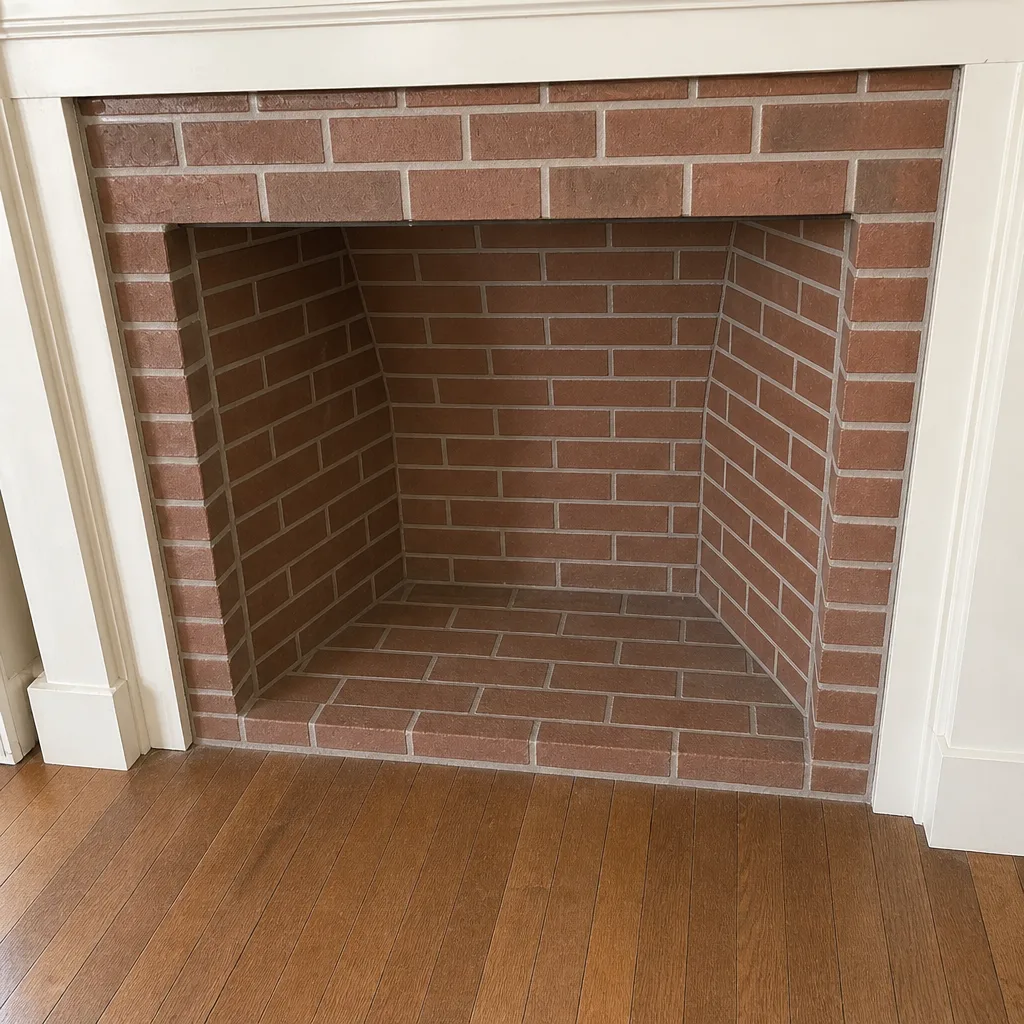
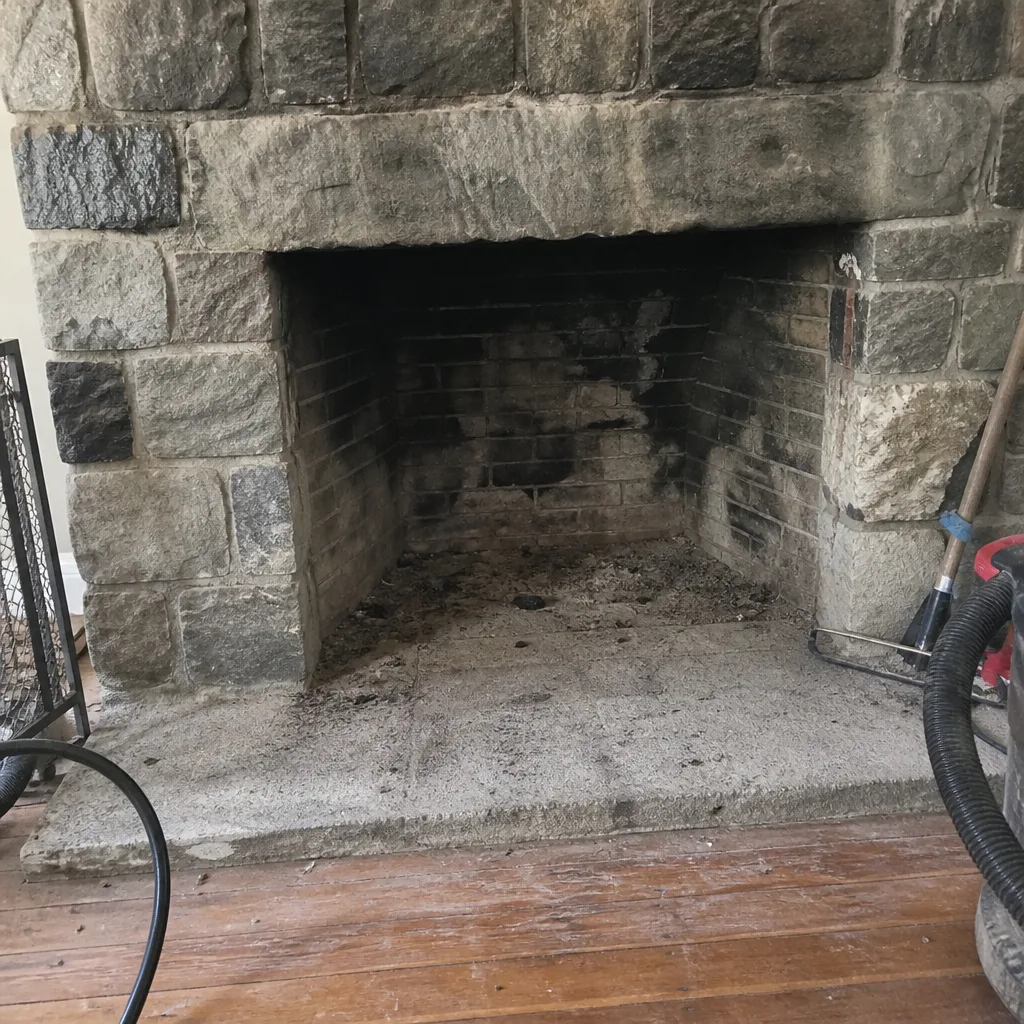
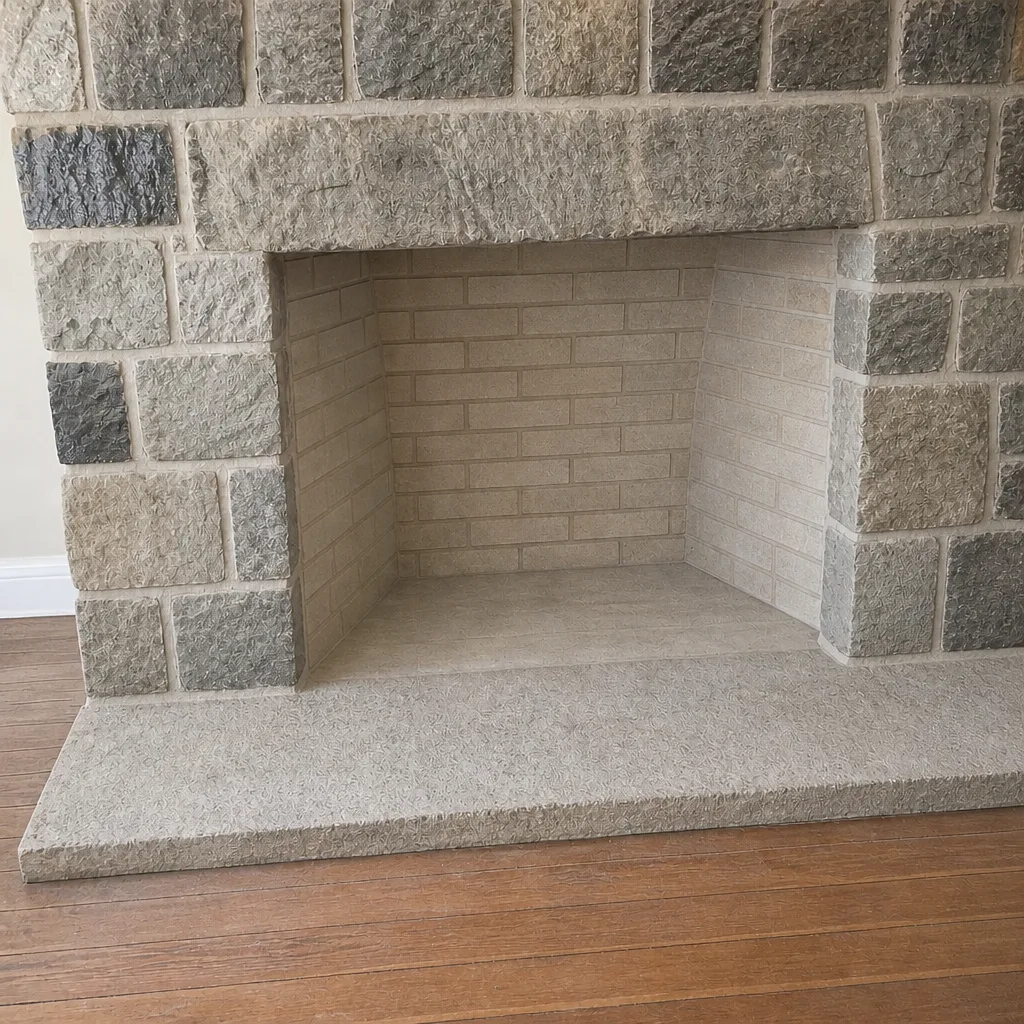
See the difference
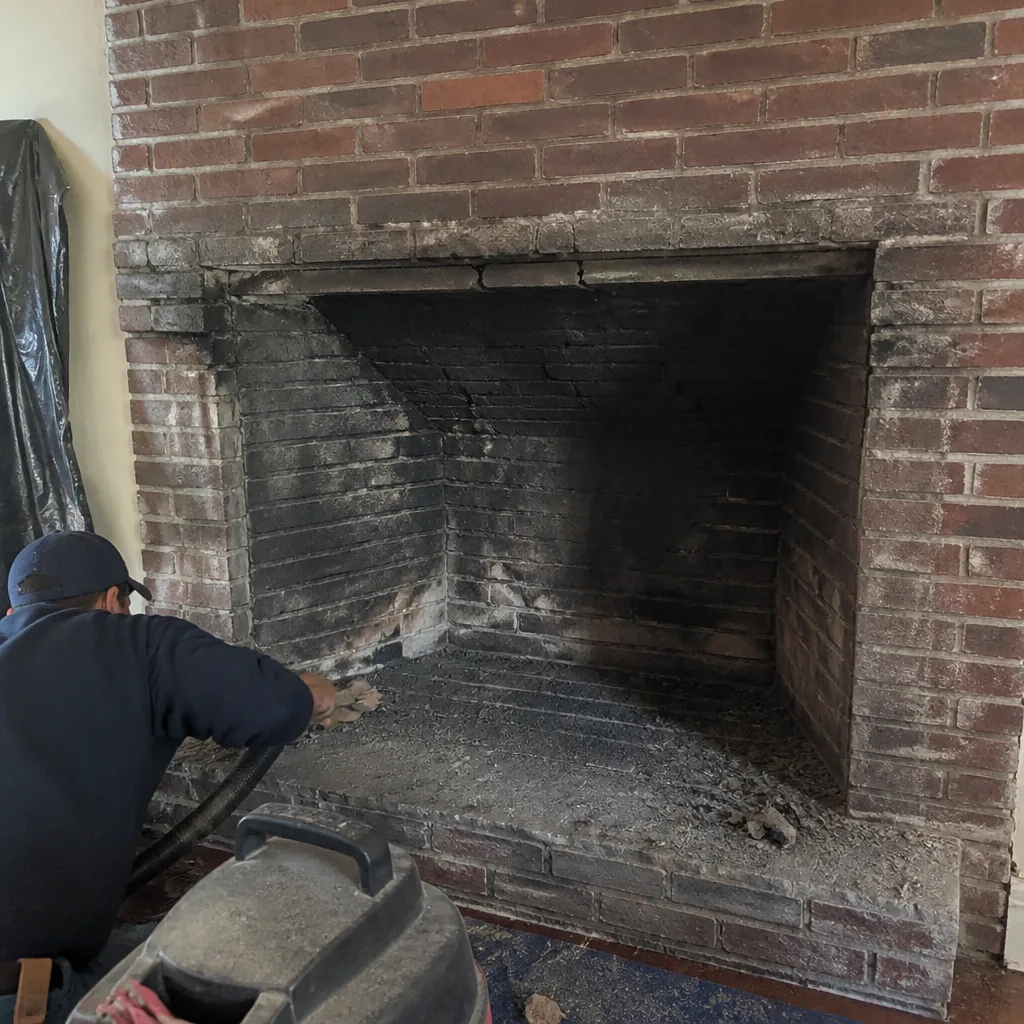 Before
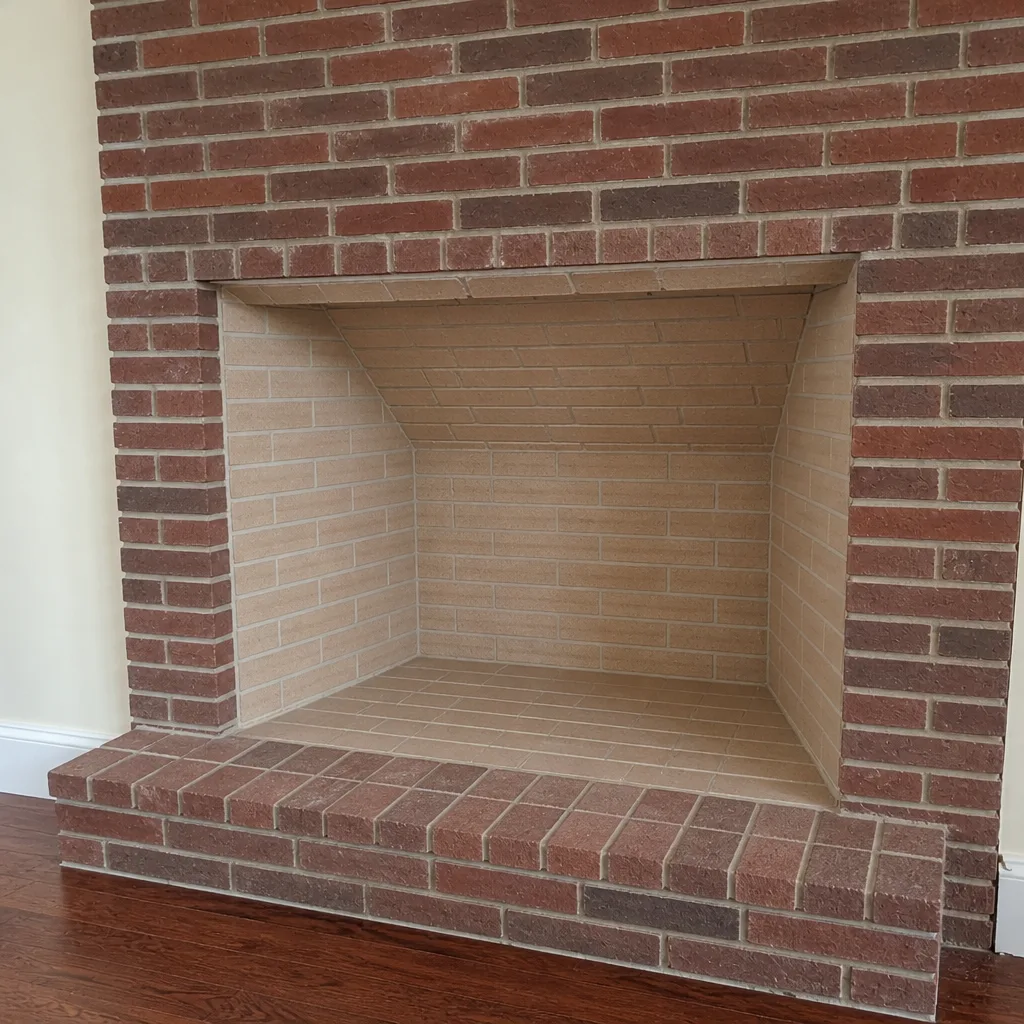 After
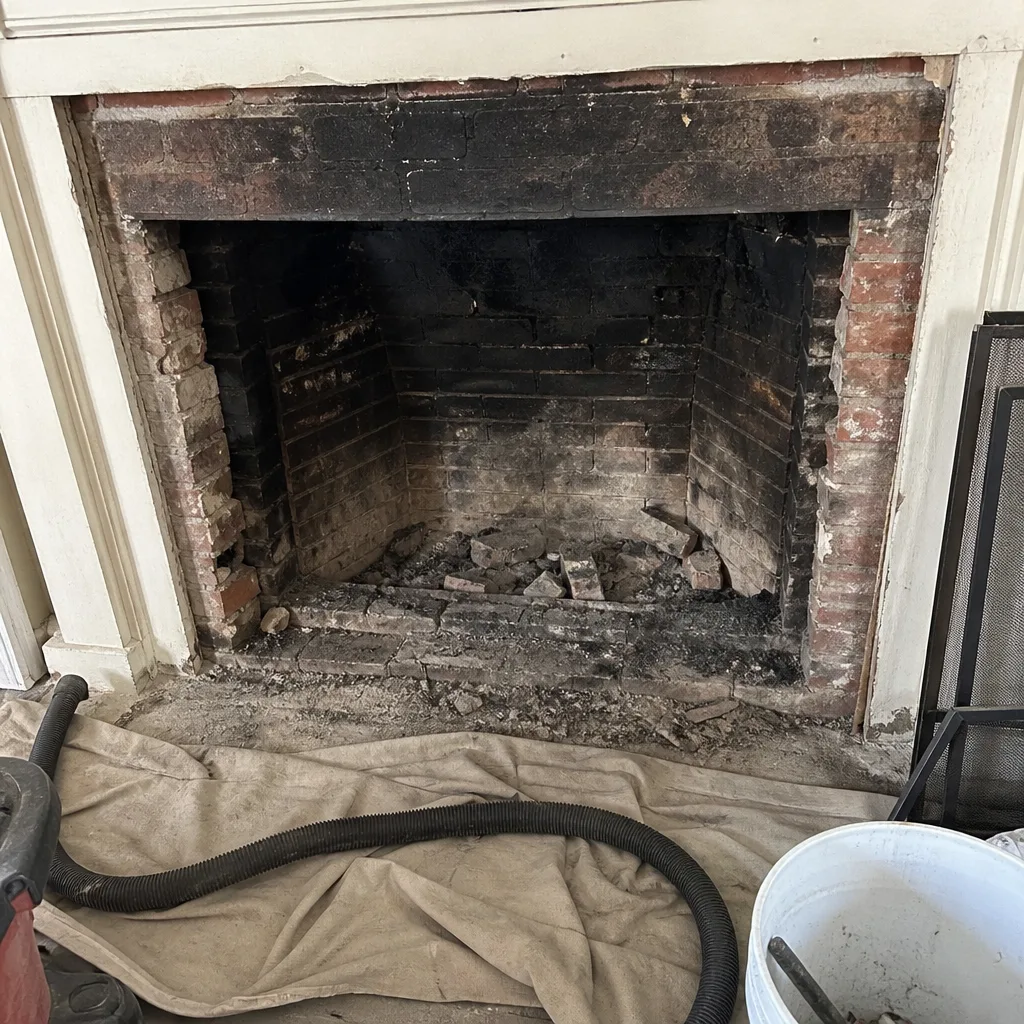 Before
 After
 Before
 After
When to Call a Professional
Some things you can check yourself: a visible crack in the firebox brick, a damper that sticks, water staining on the chimney exterior, or a black, glossy creosote buildup on the flue walls. Those are signs to get a professional assessment. So is any wood-burning appliance that hasn’t been looked at in over a year, any home that’s changed hands, and any heating system that’s switched fuels. The pattern that should prompt a call more than anything is the unknown: you don’t actually know when the chimney was last inspected, or by whom. That’s enough reason to have it looked at.
We work with professional-grade parts from HeatShield, DuraFlex, and other verified supply lines, because the quality of a repair is only as good as the components going into it. We don’t have to tell you a problem is serious; we’d rather show you the video and let you decide with real information in hand.
Chimney Sweep Lowell offers free estimates in Lowell. Call (888) 450-3059. We answer 24/7. Fast dispatch from 7am to 7pm, Sunday through Friday.
Frequently Asked Questions
A typical chimney cleaning in Lowell is estimated per job, and the price is set by a written estimate after we see the chimney; the estimate itself is free. Cost varies with the type of chimney, the amount of buildup, and whether the inspection is a level 1 or a level 2 with a camera scan. We give you the price in writing before any work is booked. Call (888) 450-3059 for an exact quote: estimates are free.
Not every deteriorated liner needs replacement. Some clay tile deterioration can be addressed with resurfacing, such as a HeatShield-certified repair, which restores certain liners without a full replacement. When a liner is too badly damaged for resurfacing, or the configuration can’t be restored, replacement is the answer. The way to know which you need is the camera scan, and the finding shouldn’t be a guess. Call (888) 450-3059 and we’ll show you what the video says before discussing options.
At least once a year for a wood-burning chimney in regular use, and more often if you burn softwood, burn in the shoulder seasons, or have a large appliance for the flue. A gas or oil appliance using the flue also warrants an annual check. Lowell homes with older masonry benefit from the annual visit regardless of burn volume, because the inspection catches structural issues too. Call (888) 450-3059 to book an assessment.
Skipping cleaning lets creosote accumulate, and that’s the fuel for chimney fires. Skipping the inspection means you don’t find out about a cracked liner, failed mortar joints, or a deteriorated crown until they’ve caused bigger problems. None of this happens overnight, but the longer it goes, the more it costs to correct. Call (888) 450-3059 for a straight assessment of where your chimney stands.
It means you should get a camera scan if you haven’t had one since the conversion. Oil combustion leaves acidic residue that can corrode clay liners, and the damage isn’t visible without video. Gas appliances then introduce moisture that can reactivate that residue. A Level 2 inspection covers the liner scan and the accessible portions of the flue. Call (888) 450-3059 to schedule a scan.
Yes. We handle chimney sweeping, chimney repair, and dryer vent cleaning in one service, so a single visit can address both your chimney and your dryer vent. That avoids booking a second contractor for the dryer vent and gives you one report covering both exhaust systems. Call (888) 450-3059 to schedule both at once.
The Bottom Line
A clean chimney is a starting point, not a clean bill of health. In Lowell, where so many homes predate modern liner standards and where oil-to-gas conversions have quietly stressed the clay flues, the cleaning visit is the moment to find out what’s actually behind the soot. That means knowing your inspection level, asking for the camera scan, reading the report, and getting evidence before approving repairs. The right specialist assesses, cleans, and repairs under one roof, with parts from verified professional brands. If you don’t know when your chimney was last looked at, that’s your answer. Book the assessment and let the evidence lead.
Call (888) 450-3059. We answer 24/7. Fast dispatch from 7am to 7pm, Sunday through Friday.
Written by the team at Chimney Sweep Lowell.