
Last updated November 14, 2026
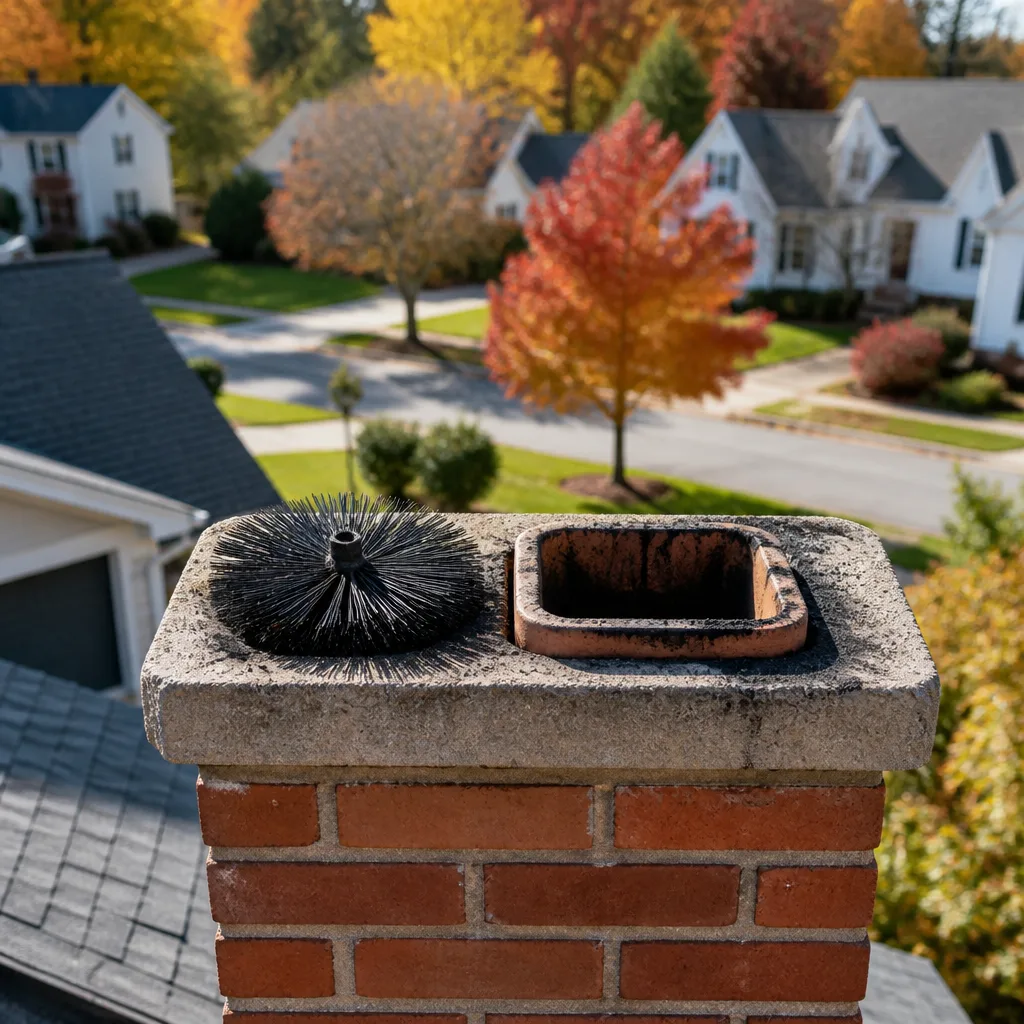 Sweep & inspection
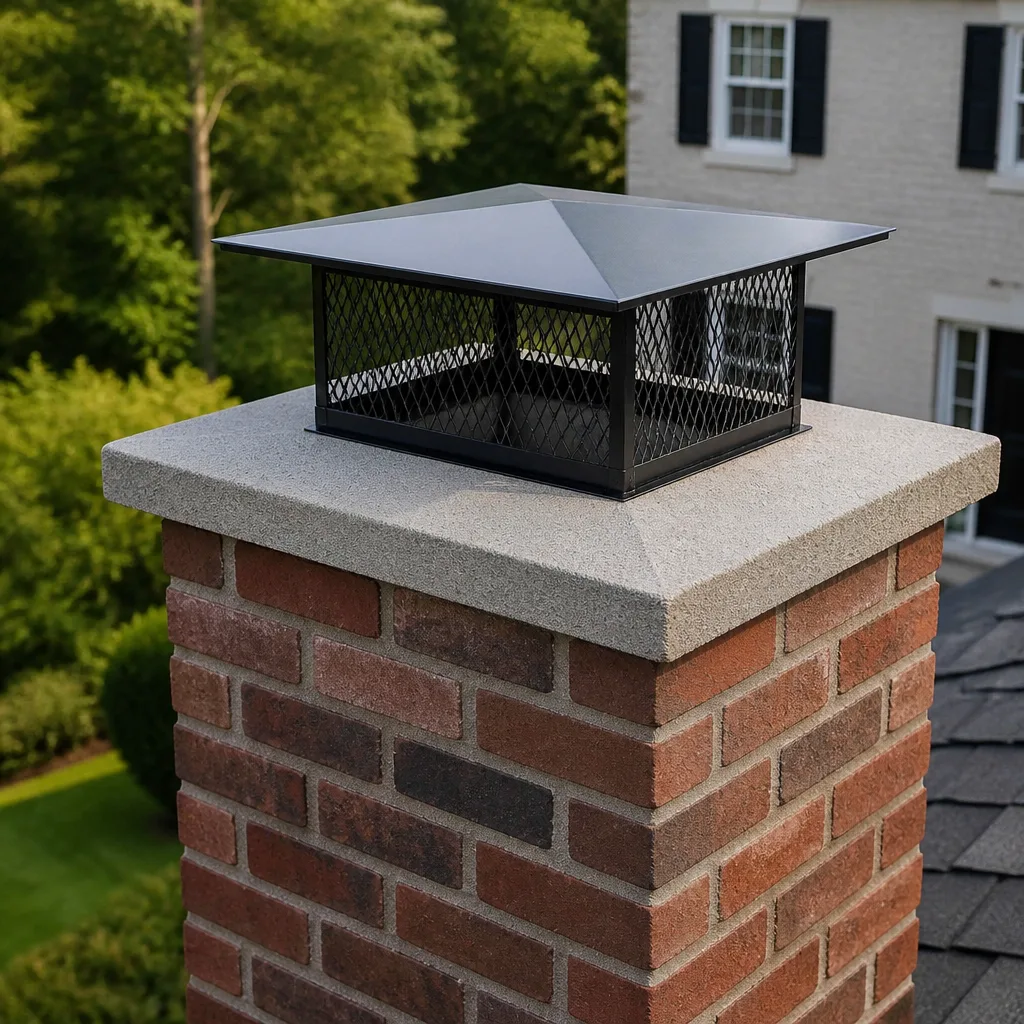 Caps & crowns
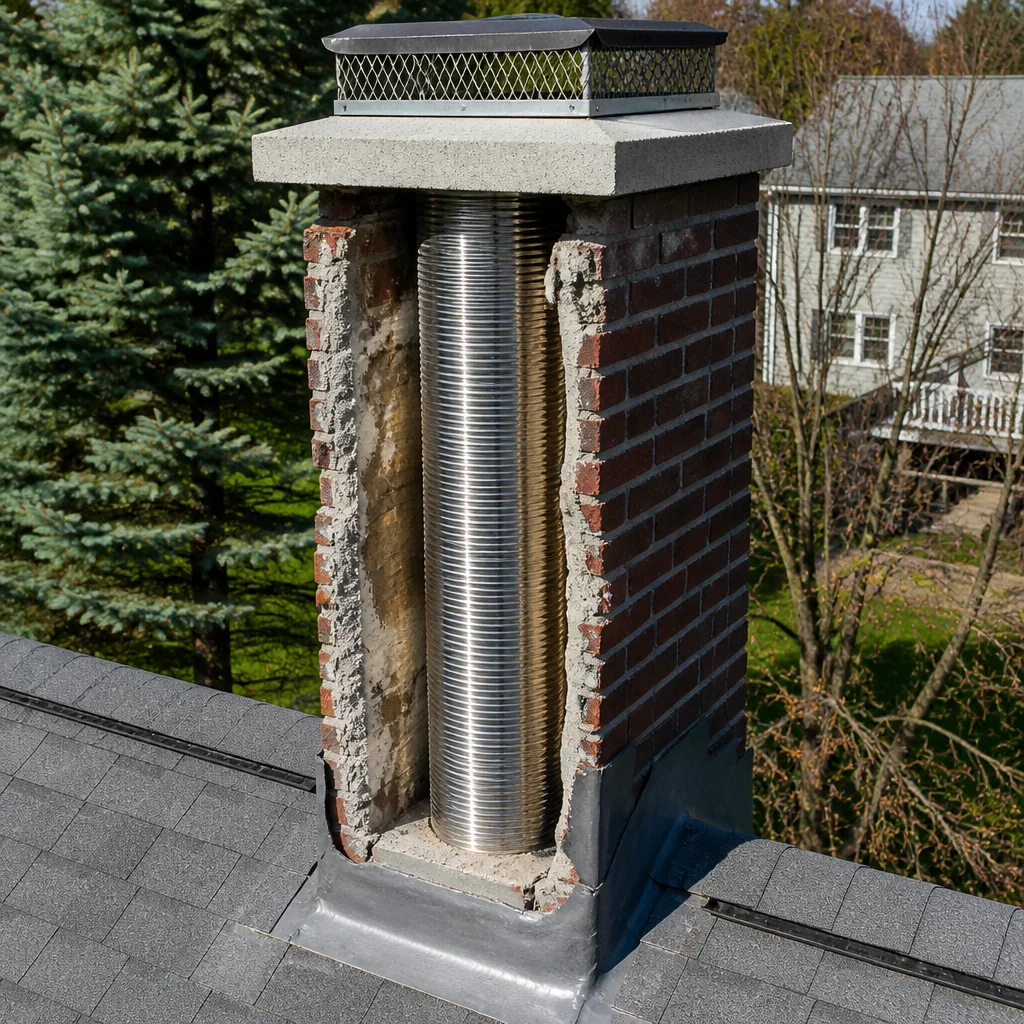 Flue relining
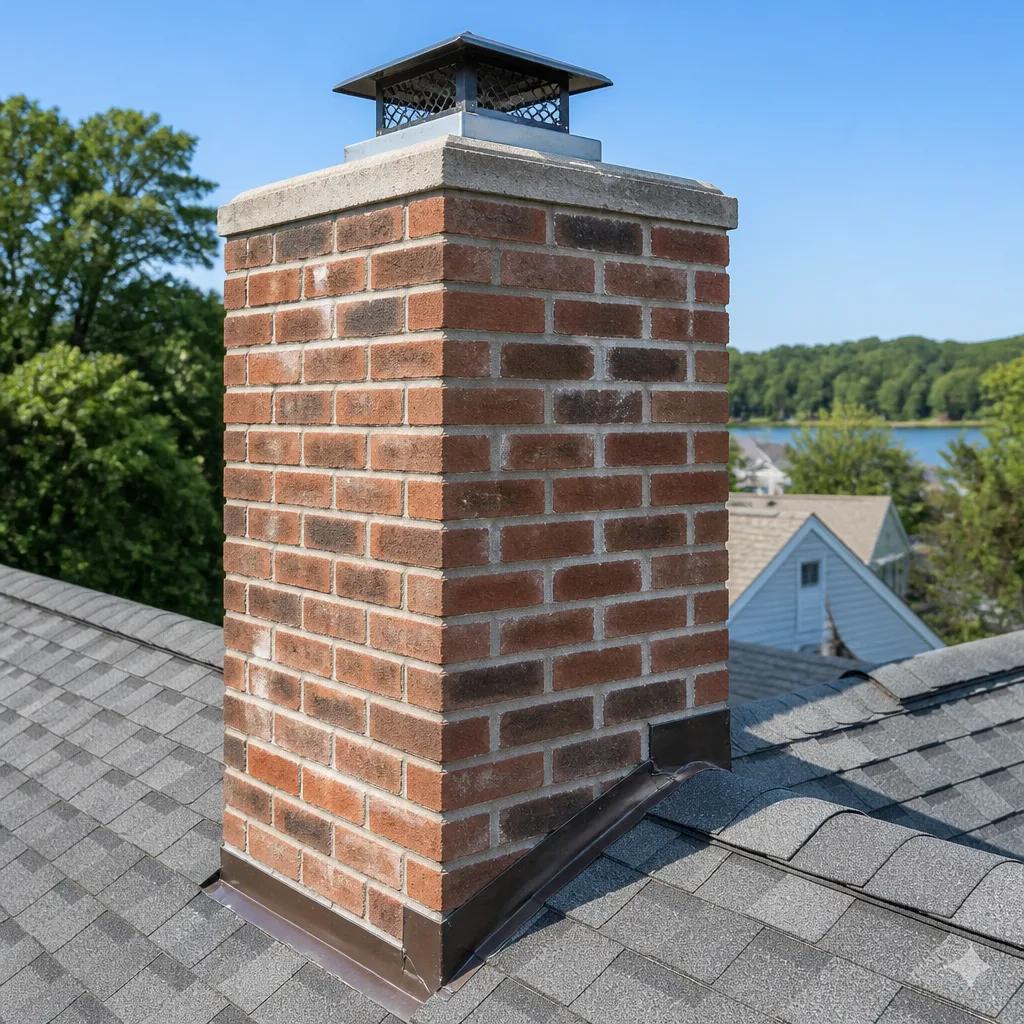 Masonry repair
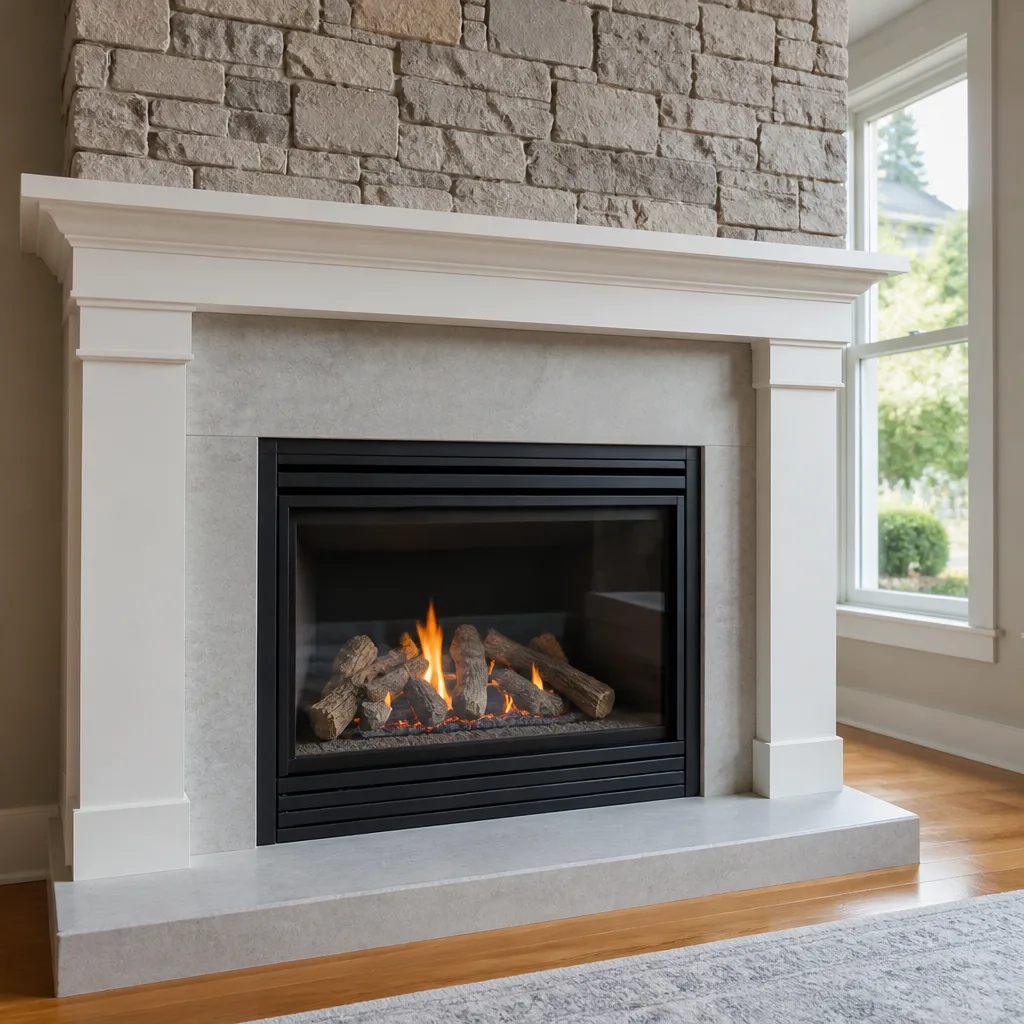 Gas fireplace service
Level 1 sweep and inspection to the NFPA 211 annual standard - flue, crown, cap, and flashing checked and photographed
Chimney sweep logs do not sweep chimneys. They loosen some creosote - which then falls where a brush and vacuum still have to collect it.
How to Hire a Chimney Cleaning Contractor in Lowell: A Step-by-Step Guide
Most homeowners in Lowell think hiring a chimney sweep comes down to whoever answers the phone first or quotes the lowest number. That’s backward. The credential everyone tells you to check, CSIA certification, is a minimum floor, not a finish line. Plenty of outfits carry the badge and still hand you a vague quote, a handshake, and a “we’ll see when we get up there.” The real vetting happens in the questions you ask before anyone books the appointment. This guide walks you through exactly what those questions are, what the answers should sound like, which certifications are worth verifying online, and what a scope of work should spell out in writing. We’ll also cover the Lowell-specific details that change how a chimney behaves here, so you can tell a specialist from a generalist by the questions they ask you. If you’d rather talk it through, call (888) 450-3059. We answer 24/7.
Quick Answer
To hire a chimney cleaning contractor in Lowell, verify CSIA and NFI certification online, confirm the company carries both general liability insurance and workers’ compensation, ask them to describe their diagnostic process before they quote a price, and insist on a written scope of work that defines what cleaning includes and excludes. A legitimate contractor will ask about your fuel type, your appliance, and your last service date before quoting anything. If they skip those questions, treat it as a red flag. Free estimates are standard: start with Chimney Sweep Lowell at (888) 450-3059.
Styles & brands we work with
- Sweep & inspection
- Caps & crowns
- Flue relining
- Masonry repair
- Gas fireplace service
Table of Contents
- Why chimney hiring in Lowell is different
- What CSIA and NFI certifications actually mean
- How to verify a contractor in real time
- Insurance questions you must ask
- Red flags in the first phone call
- Diagnosis before repair: why the order matters
- What your scope of work must say
- The five questions to ask before booking
Why Chimney Hiring in Lowell Is Different
Lowell’s housing stock creates chimney problems you won’t see in newer suburbs. The city’s triple-deckers and nineteenth-century mill-era homes often have chimneys built into the original masonry, sometimes with clay tile flues that have been patched over the decades. Add a long, cold winter that drives a lot of wood burning, and you’ve got a set of conditions where the chimney carries real seasonal load. That’s before you get into the fuel question: whether it’s a wood-burning fireplace, a gas insert, or a wood stove, each has different draft characteristics and different cleaning frequency. A contractor who asks “what are you burning and when did you last have it cleaned” is doing it right. One who quotes a flat price on the phone before asking is guessing.
There’s also the driving question of age. Older Lowell homes sometimes have flue configurations that a rigid liner installer can’t handle: offsets, deteriorated mortar joints, flues that don’t run straight. That’s why we keep DuraFlex flexible liner systems and HeatShield resurfacing capability in the toolkit. HeatShield lets a technician restore a deteriorating flue liner without a full replacement. It’s a repair option most sweep-only companies can’t offer because they don’t carry the system. A flexible liner and a resurfacing method aren’t the same thing, and a specialist will tell you which one your flue actually needs instead of defaulting to the expensive option. If you’re curious how the whole process works, our chimney sweep page lays it out.
What CSIA and NFI Certifications Actually Mean
CSIA stands for the Chimney Safety Institute of America, and its certification requires technicians to pass an exam, hold current training, and sign a code of ethics. It’s real. It’s also the floor, not the ceiling. Passing a written exam doesn’t tell you how a technician handles your particular flue or whether the company backs up its work. Treat CSIA certification as the bare minimum, and then keep vetting.
NFI stands for the National Fireplace Institute, and it tests on appliance-specific knowledge: gas, wood, pellet. If your home has a gas insert, an NFI-certified technician should be the expectation, not a bonus. If your contractor doesn’t know the difference between an NFI gas certification and a wood certification, that’s information worth having.
Here’s what to ask:
- Is the technician who will be on my roof currently CSIA certified, and can I check the number?
- Do you hold NFI certification for my specific appliance type?
- How does the company keep technician credentials current?
None of these questions are adversarial. A technician who holds the credentials will answer them without flinching. One who deflects is telling you something.
How to Verify a Contractor in Real Time
You can confirm a chimney contractor’s credentials before they ever step on your property. Here’s the step-by-step:
- Look up the CSIA certification. The CSIA maintains a public directory. Search the technician’s name or the company’s, and confirm status is current, not lapsed.
- Check the NFI database for appliance-specific certification. If your home has a gas insert, verify the technician is NFI-certified for gas.
- Request the certificate of insurance, not just the word “insured.” Ask for it in writing, and call the carrier to confirm the policy is active. This takes ten minutes and protects you.
- Confirm local licensing requirements for Lowell. Massachusetts licensing rules vary by trade and scope. Your city’s building department can tell you what applies to chimney work. Ask.
- Get the scope of work in writing before the appointment. Not after the technician is on the roof. Before.
Verification is a fifteen-minute job. It’s the single highest-value fifteen minutes in this whole process, and it costs nothing. A contractor who resists any of it isn’t worth the roof time. For more on how a sweep in Lowell should run from first call to final report, our city page covers the local specifics.
Insurance Questions You Must Ask
This is where homeowners get caught. “We’re insured” means nothing without specifics. Ask for a certificate of general liability coverage and confirm the policy limits in writing. Ask specifically whether the company carries workers’ compensation coverage. Here’s why: if a technician falls off your roof and the company has no workers’ comp, the claim can land on your homeowner’s policy. That’s the exact scenario the coverage question is designed to prevent.
What to request:
- Certificate of general liability insurance, current policy date
- Confirmation of workers’ compensation coverage
- Written confirmation that the company’s policy covers work performed at your address
You’re not being difficult by asking. Any reputable chimney contractor in Lowell will send the certificate without being asked twice. We treat it as standard documentation, and any company that treats it as an inconvenience is telling you what a claim would look like.
Red Flags in the First Phone Call
The first phone call tells you almost everything. A contractor who quotes a firm price before asking about your fuel type, appliance, and last service date is guessing. That’s a red flag, not a convenience. The right sequence is: ask questions, then quote. Reversing that order tells you the contractor is pricing a category, not your chimney.
Other signals to watch for:
- “We can do it for a flat price, sight unseen.” A flat price without an inspection is a coin flip. It covers whoever they send and whatever they find.
- Reluctance to put anything in writing. Scope, price, inspection findings: all of it should be documented.
- No camera inspection. A real sweep uses a camera to show you what’s in the flue. If you can’t see the evidence, you’re relying on trust alone.
- Pressure to add repairs before the cleaning happens. Diagnosis comes first. Always.
- No website verification of credentials. A contractor with no verifiable certifications and no public record is a contractor you can’t confirm.
If two or three of these show up in one call, hang up and start over. There are plenty of qualified contractors in Lowell.
Diagnosis Before Repair: Why the Order Matters
There are two kinds of chimney companies. One sweeps and then sells repairs. The other diagnoses first, then recommends only what the evidence supports. The difference sounds small. It isn’t. A company that earns money on every repair it recommends has an incentive the homeowner can’t independently audit. A company that shows you the camera footage and explains what it means before recommending anything is a company you can hold to account.
Our approach: sweep the flue, inspect with a camera, show the findings, then explain what actually needs fixing and what can safely wait. A HeatShield resurfacing job on a deteriorating liner isn’t the same as a full liner replacement. A worn damper gasket isn’t a structural crack. Telling the difference is the job. If nothing needs repair, we say so and document it. If something can wait a season, we say that too. The customer who is told nothing is urgent is a customer who comes back.
The order matters because it determines who you trust. A sweep-first company needs the diagnosis to justify a sale. A diagnose-first company has nothing to sell if the diagnosis comes back clean.
What Your Scope of Work Must Say
Insist on a written scope of work before any labor begins, and read it carefully. A scope that says only “chimney cleaning” is not a scope. It’s a placeholder. The good ones are specific about what’s included, what’s excluded, and what a technician will and won’t do during the visit.
A proper chimney cleaning scope should define:
- What’s included. Flue cleaning, firebox, smoke chamber, damper inspection, and camera inspection of the flue.
- What’s excluded. Masonry repair, cap replacement, liner installation, and structural work must be listed separately.
- The inspection deliverable. Will you get a photo report? A written summary? Confirm before booking.
- Pricing. Every line item, so there are no surprises after the sweep.
- Repair authorization. Nothing gets fixed until you approve it in writing.
If a contractor won’t put all of that in writing, that’s your answer. Stating what cleaning excludes is as important as what it includes. Otherwise, a technician sweeps the flue, finds a deteriorated crown, and a homeowner who thought the visit covered everything now has a second charge they weren’t expecting.
The Five Questions to Ask Before Booking
These are the five questions that separate a chimney specialist from a generalist with a brush. Ask them on the first call. A competent contractor will answer all five without hesitation.
- What fuel type and appliance do you have? Wood fireplace, gas insert, wood stove, pellet. The answer changes how the flue is cleaned and how often it needs to be done. A contractor who doesn’t ask this before quoting is guessing.
- When was your last service, and do you know what was done? If the answer is “never,” that changes the appointment. Some flues haven’t been cleaned in years and need a more careful inspection. If the answer is unclear, that’s information the contractor needs.
- Are you CSIA certified and NFI certified for my appliance type? Confirm it, and verify it online.
- Do you carry general liability and workers’ compensation, and can I get a certificate? A reputable contractor sends it before the appointment, without being asked a second time.
- Will I get a photo report of what you find? The camera inspection and photo report should be standard, not an upgrade.
Chimney Sweep Lowell answers all five as standard practice. Our technicians have up to 12 years of experience working on the chimney types you find in Lowell’s older housing stock. We work with DuraFlex, HeatShield, and Olympia Chimney products because those are the same brands professional chimney technicians rely on, and they signal parts quality you can verify rather than take on faith. If you’re also dealing with a dryer vent that needs a look, we handle dryer vent cleaning so one visit covers both. It’s the same exhaust logic, and we treat it that way.
Common Mistakes to Avoid
- Picking on price alone. A quote that’s $50 cheaper from a company you can’t verify isn’t cheaper. It’s an unverified contractor with your roof access and your safety.
- Not verifying CSIA certification online. The directory exists so you can check. Use it. A lapsed certification is functionally no certification.
- Skipping the workers’ comp question. If a technician falls and the company lacks coverage, the claim can reach your homeowner’s policy. Ask for the certificate.
- Accepting a quote without an inspection first. A firm number on the phone without questions about your fuel type or last service date is a guess in a price format.
- Letting repairs get authorized verbally. Get everything in writing. A scope that clarifies what cleaning excludes protects you from surprise charges.
- Confusing a sweep with a diagnostic. Cleaning removes creosote. Inspection tells you what the creosote was hiding. It’s the inspection that catches a deteriorated liner before it becomes a problem.
- Treating a Lowell triple-decker like a modern suburban home. Flue configurations in older mill-era housing often need flexible liners or HeatShield resurfacing rather than a one-size approach. If your contractor doesn’t ask about the flue configuration, they may not have the tools to handle it.
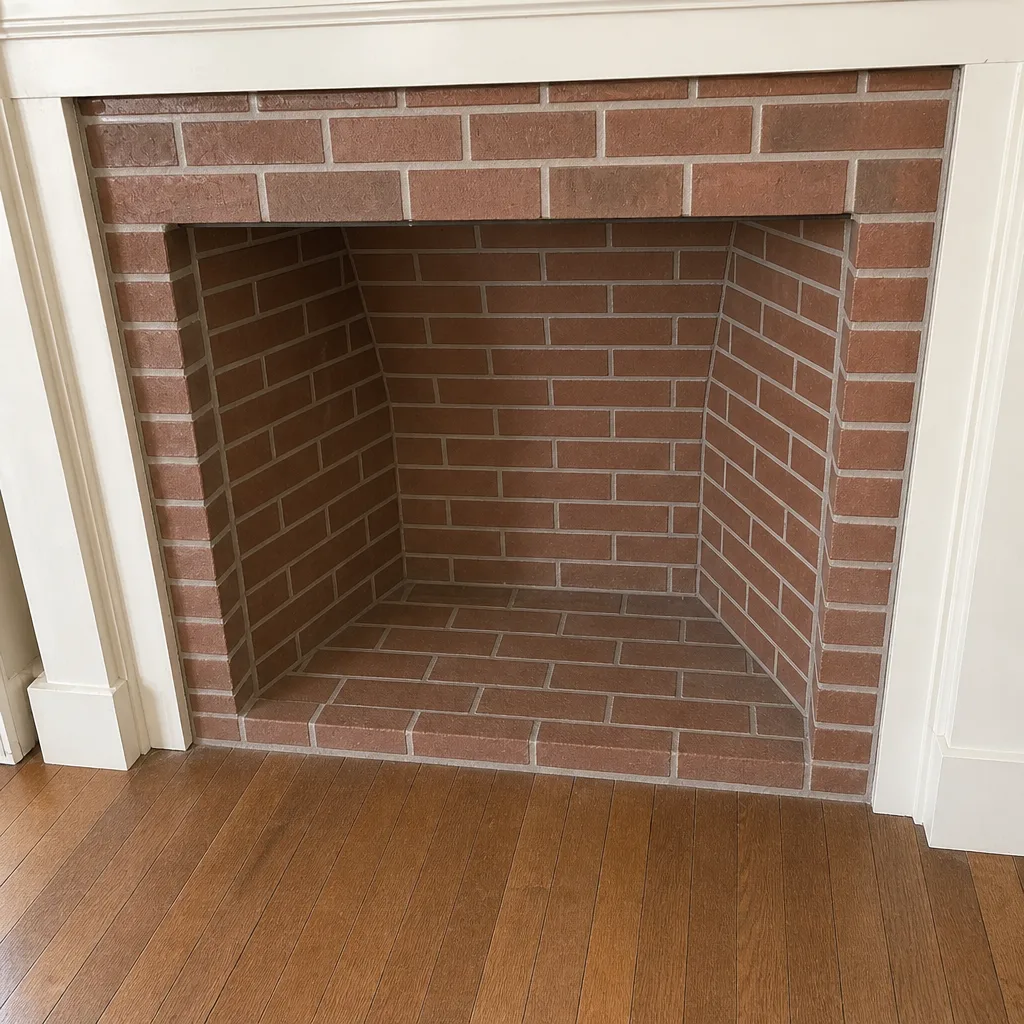
See the difference
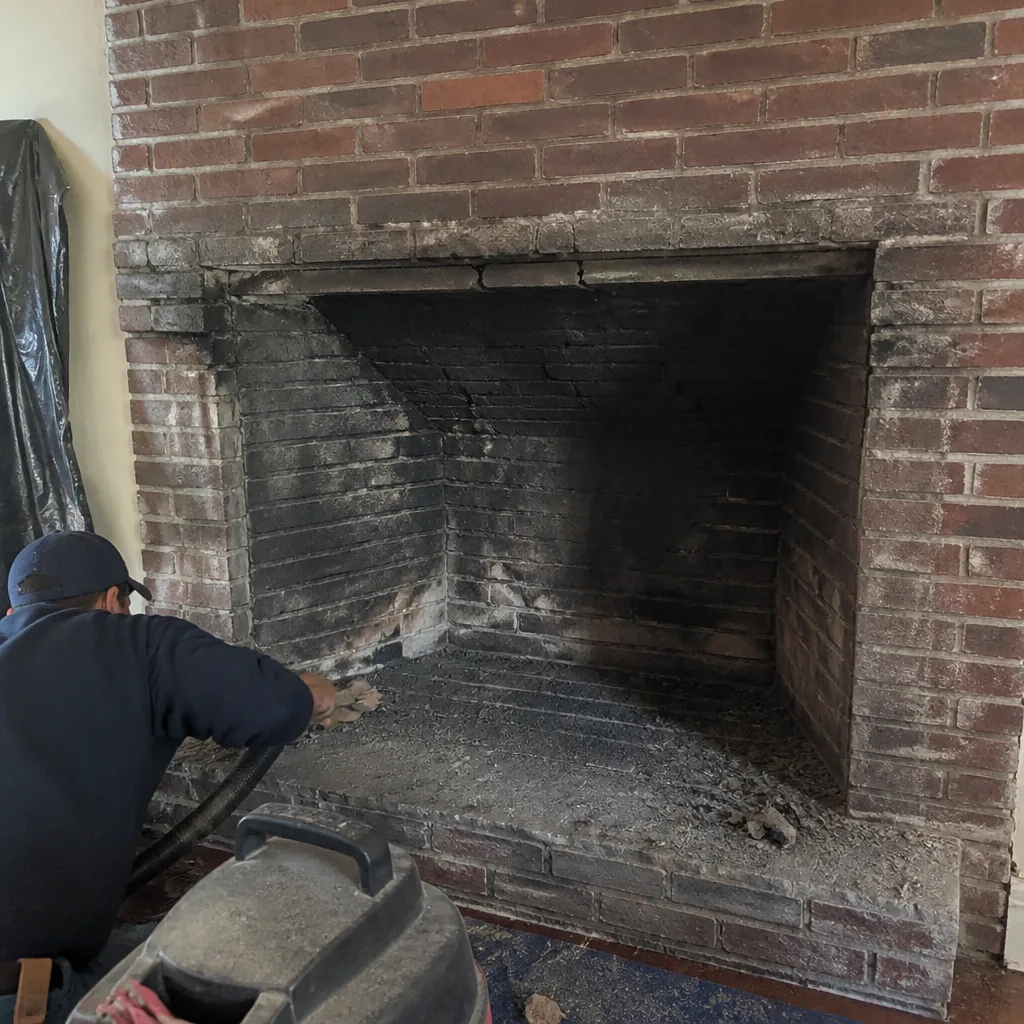 Before
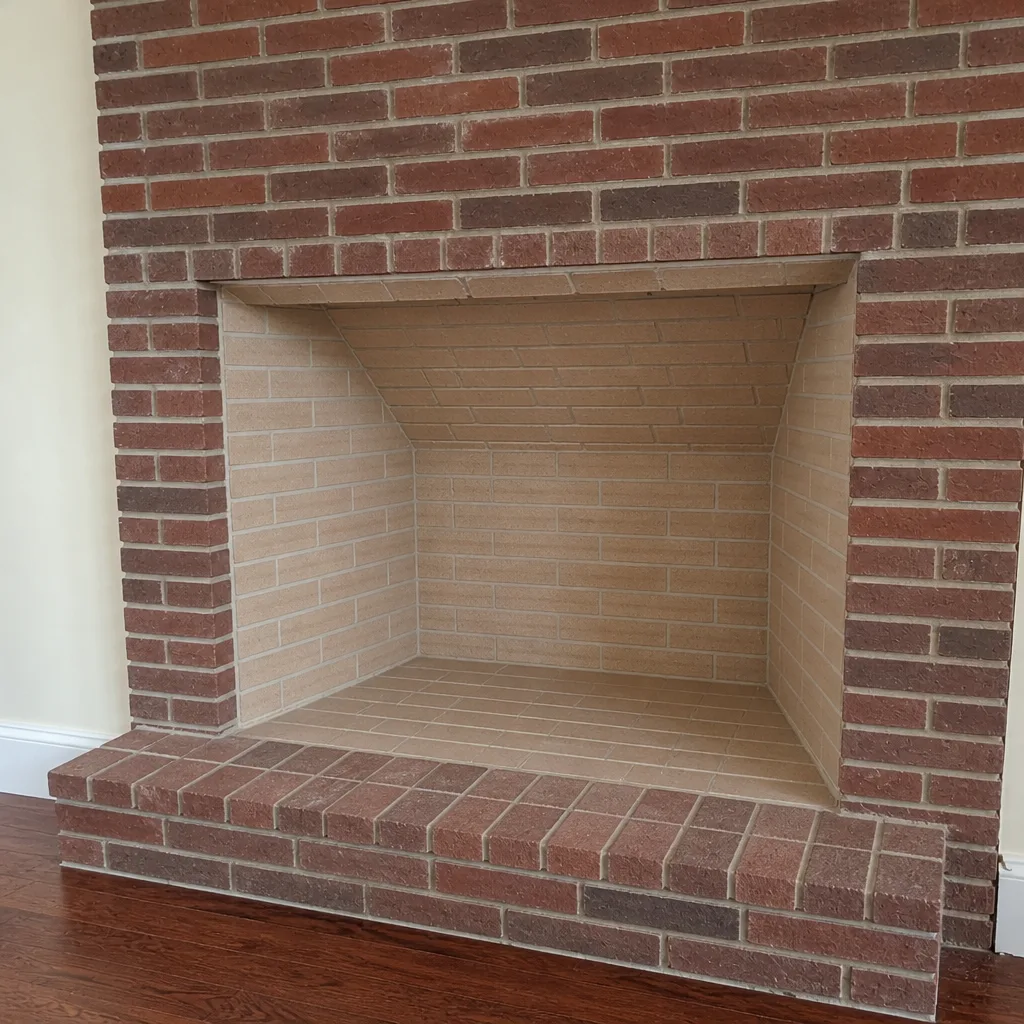 After
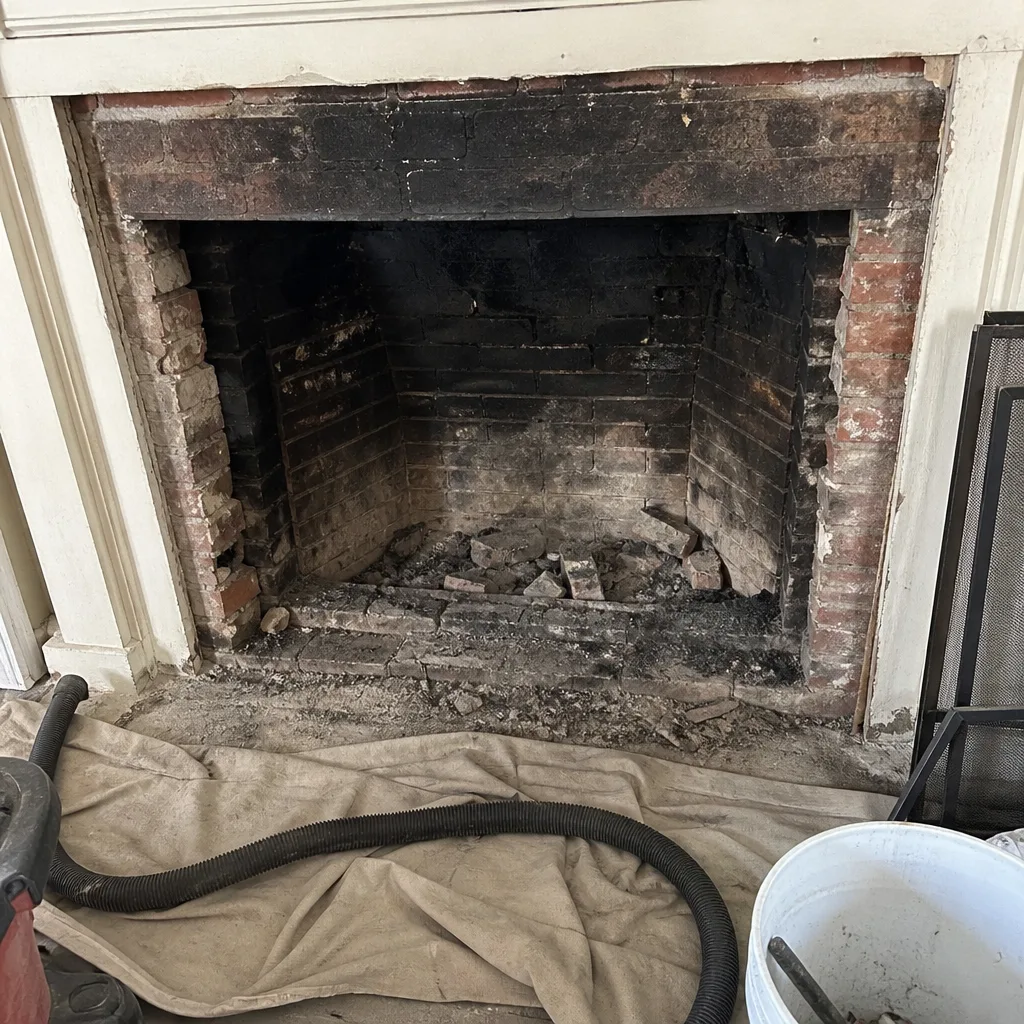 Before
 After
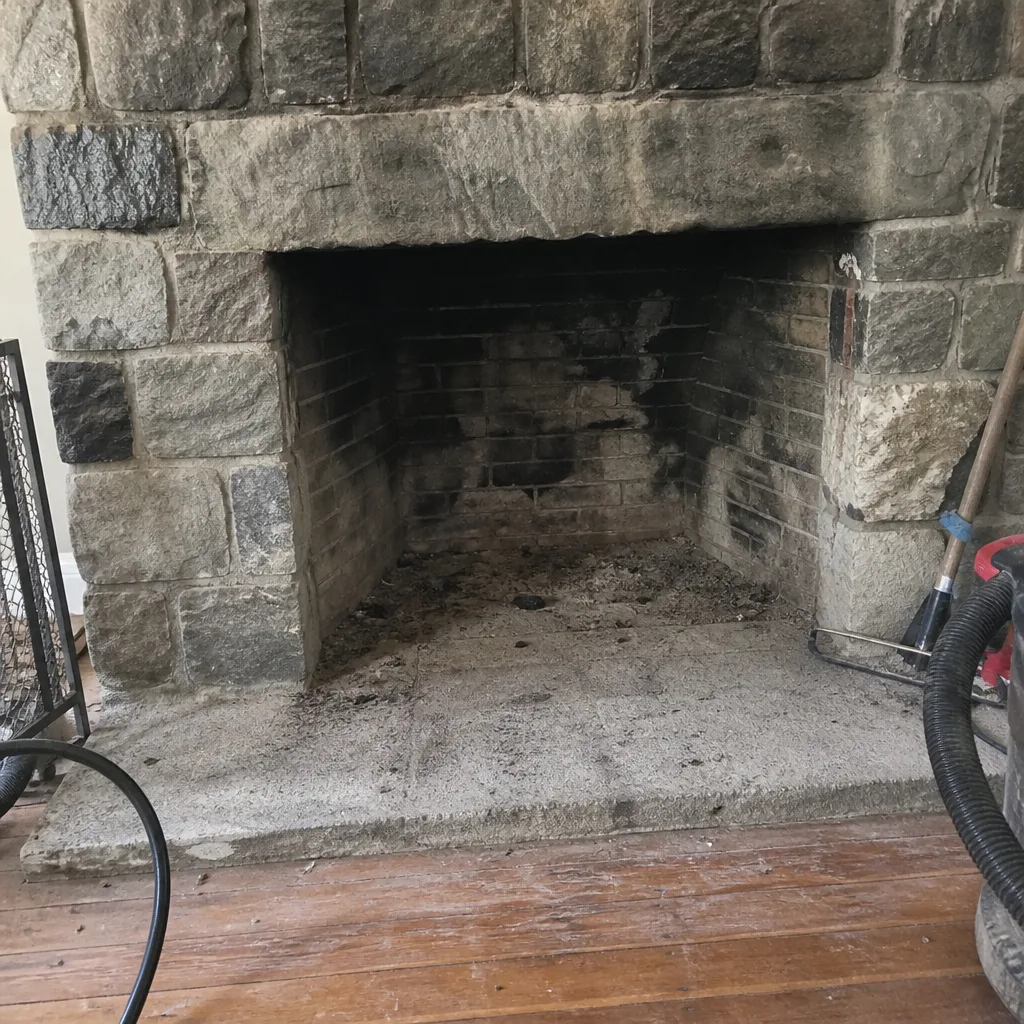 Before
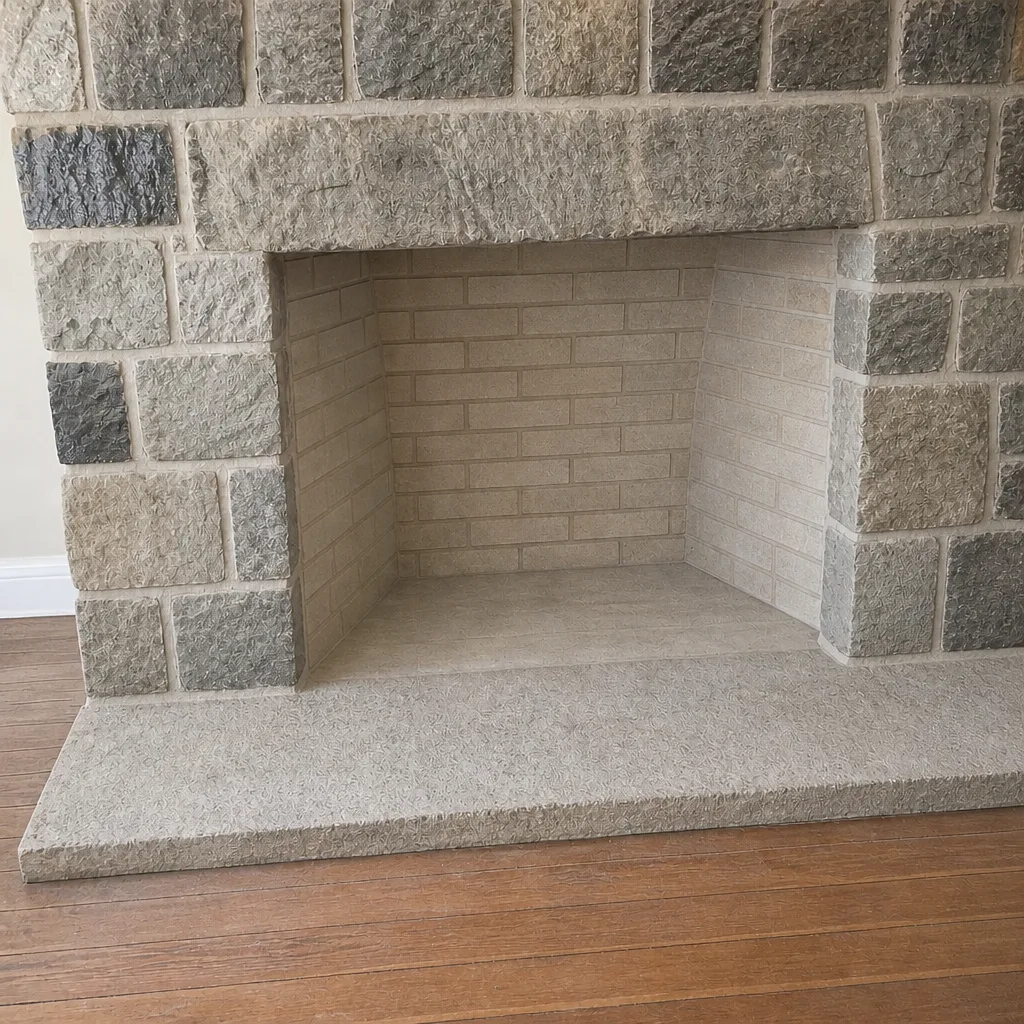 After
When to Call a Professional
Some jobs are homeowner tasks. Most chimney work isn’t. Call a professional if you’ve noticed a strong creosote smell, a draft that pulls smoke into the room, visible cracking on the chimney crown or flue tiles, or if it’s been more than a season since your last cleaning. If a gas appliance is involved and you smell gas, leave the house and call your utility first, then a licensed contractor. If you’ve recently bought a home in Lowell and have no service history, a baseline inspection is worth booking. If you’re preparing a house for sale, a documented clean sweep and inspection report is typically expected by buyers and their inspectors. And if your dryer is taking longer to dry clothes, that’s a vent issue worth having looked at before it becomes anything else. Chimney Sweep Lowell offers free estimates in Lowell. Call (888) 450-3059. We answer 24/7. Fast dispatch from 7am to 7pm, Sunday through Friday.
Frequently Asked Questions
Most chimney sweeps in Lowell land in a typical range based on the flue size, the appliance type, and whether repairs are needed, and the written estimate is what sets the final price. Expect to be quoted after the contractor asks about your fuel type and last service date, not before. That sequence is the hallmark of a legitimate quote. Call (888) 450-3059 for an exact quote. Estimates are free.
Not every deteriorating flue needs a full liner replacement. HeatShield resurfacing can restore a worn flue in cases where the liner is still structurally sound and the damage is at the surface. The only way to know which you need is a camera inspection with footage you can review. A contractor who recommends a full replacement without showing you the camera evidence is asking you to trust a number, not a diagnosis. Ask for the footage. Call (888) 450-3059 if you want a second opinion.
For wood-burning fireplaces, once per year is the standard, ideally before burning season starts. Gas appliances need inspection less frequently but still need periodic checks. The right frequency for your home depends on how much you burn and the condition of the flue. If a season has passed with heavy use, book the sweep before the next cold stretch.
Creosote builds up on the flue walls and becomes more flammable the longer it sits, which raises the risk of a chimney fire. Carbon monoxide risk rises when a blocked or deteriorated flue stops venting properly. Neither of those is a scare tactic. They’re the reasons chimney sweeping exists as a trade. Call (888) 450-3059 to book a sweep and an inspection. Estimates are free.
Technically anyone can push a brush up a flue. The difference is what happens when they find a problem. A handyman cleans and then has to send you to a specialist for the repair. A specialist sweeps, inspects with a camera, shows you the findings, and handles the repair under the same visit. That continuity matters in Lowell’s older housing stock, where a flue issue is often one part of a larger chimney condition.
Same-day service is available depending on the schedule. We answer 24/7, and a call outside dispatch hours is booked into the next opening, Sunday through Friday, 7am to 7pm. Call (888) 450-3059 and we’ll find you the earliest slot.
The Bottom Line
Hiring a chimney contractor in Lowell is a verification exercise, not a price comparison. Start with CSIA certification, but treat it as the floor. Confirm NFI certification for your appliance, get the certificate of insurance in writing, and confirm workers’ compensation coverage before anyone touches your roof. Ask the five questions before booking. Expect the contractor to ask about your fuel type and last service date before quoting. Insist on a written scope of work that defines both what cleaning includes and what it excludes. And pay attention to the order of the visit: diagnosis first, repair second. A contractor who shows you camera footage before recommending anything is one you can trust. Chimney Sweep Lowell offers free estimates in Lowell and handles chimney sweeping, chimney repair, and dryer vent cleaning as a single specialist scope. Call (888) 450-3059. We answer 24/7. Fast dispatch from 7am to 7pm, Sunday through Friday.
Written by the team at Chimney Sweep Lowell.