
Last updated November 14, 2026
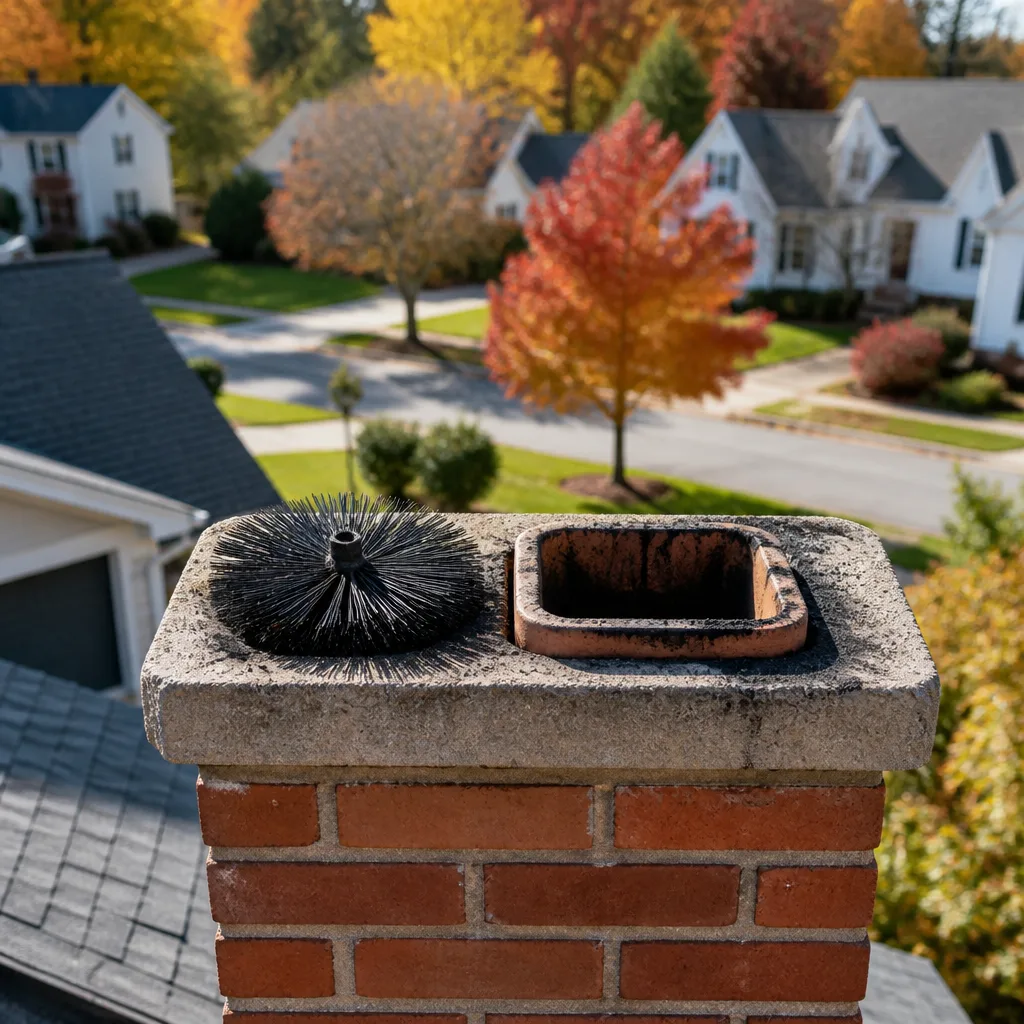 Sweep & inspection
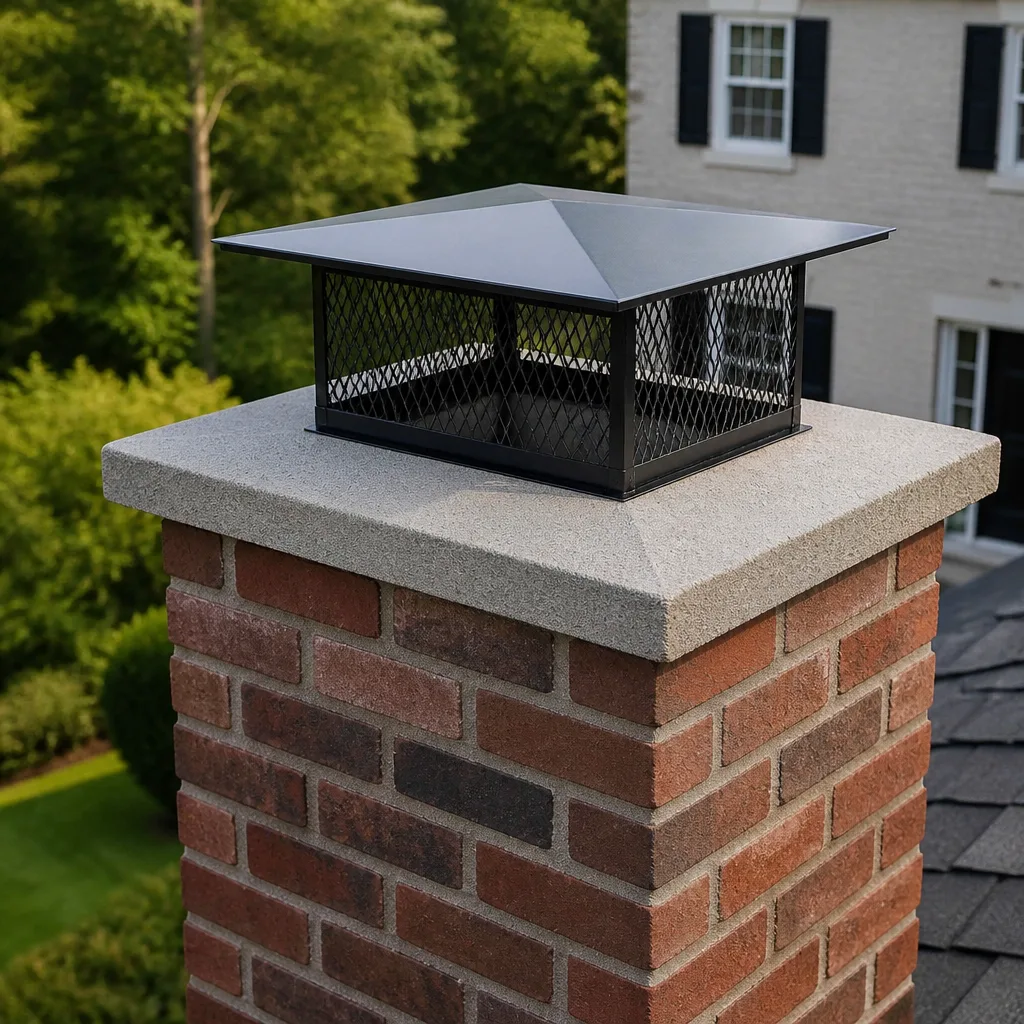 Caps & crowns
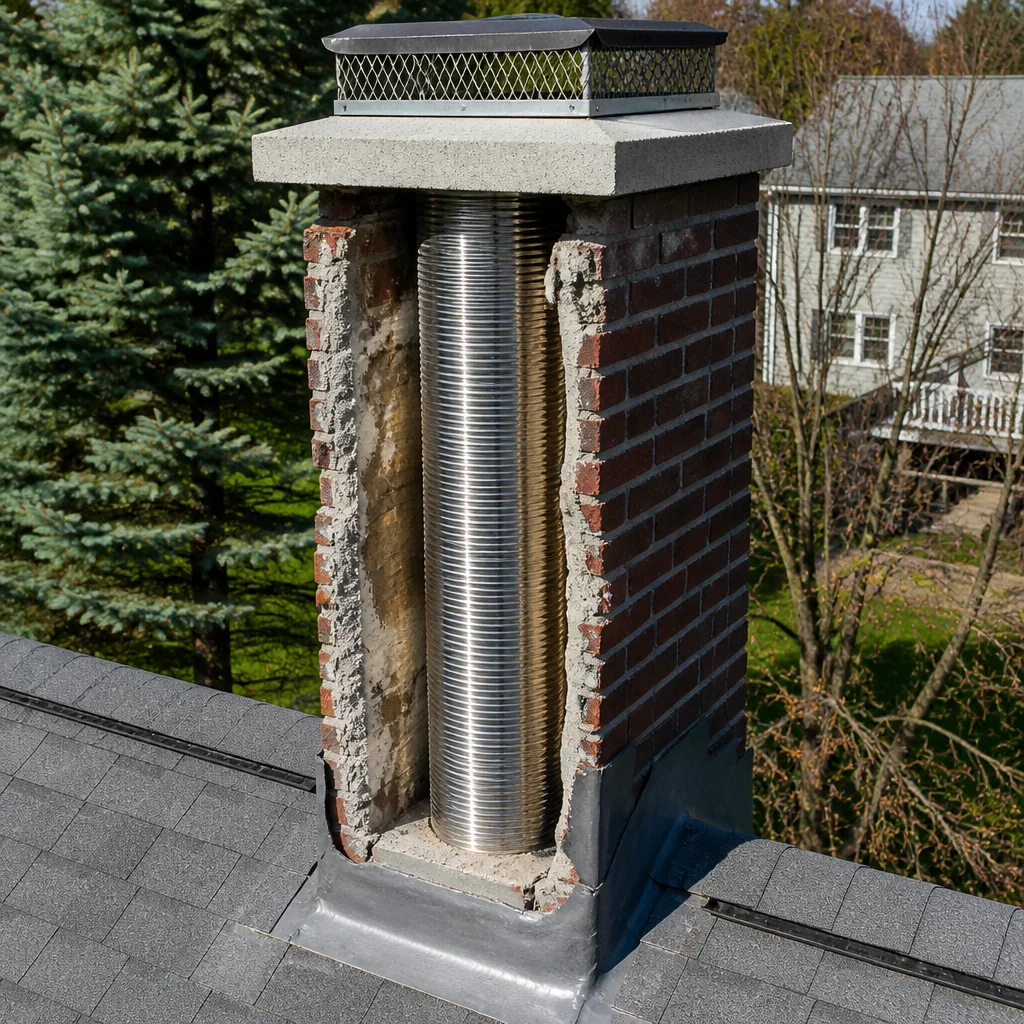 Flue relining
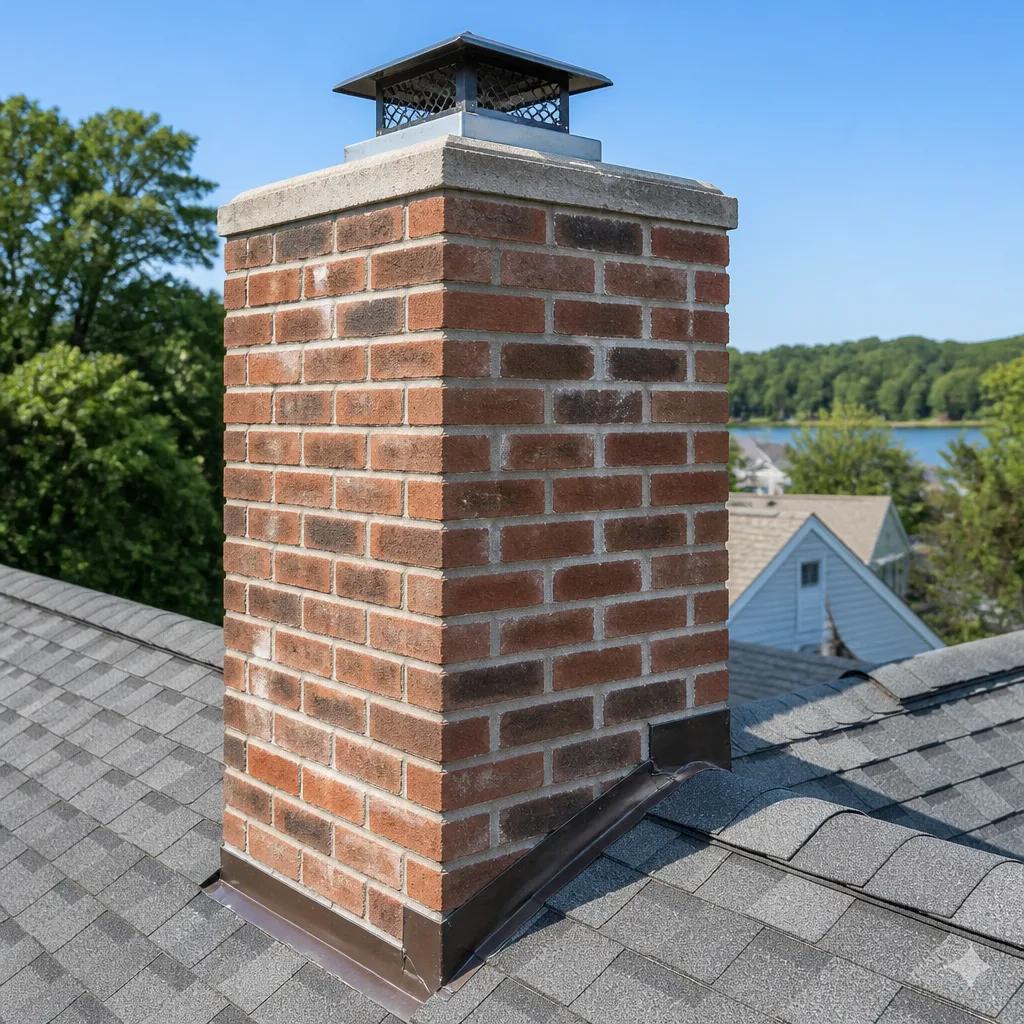 Masonry repair
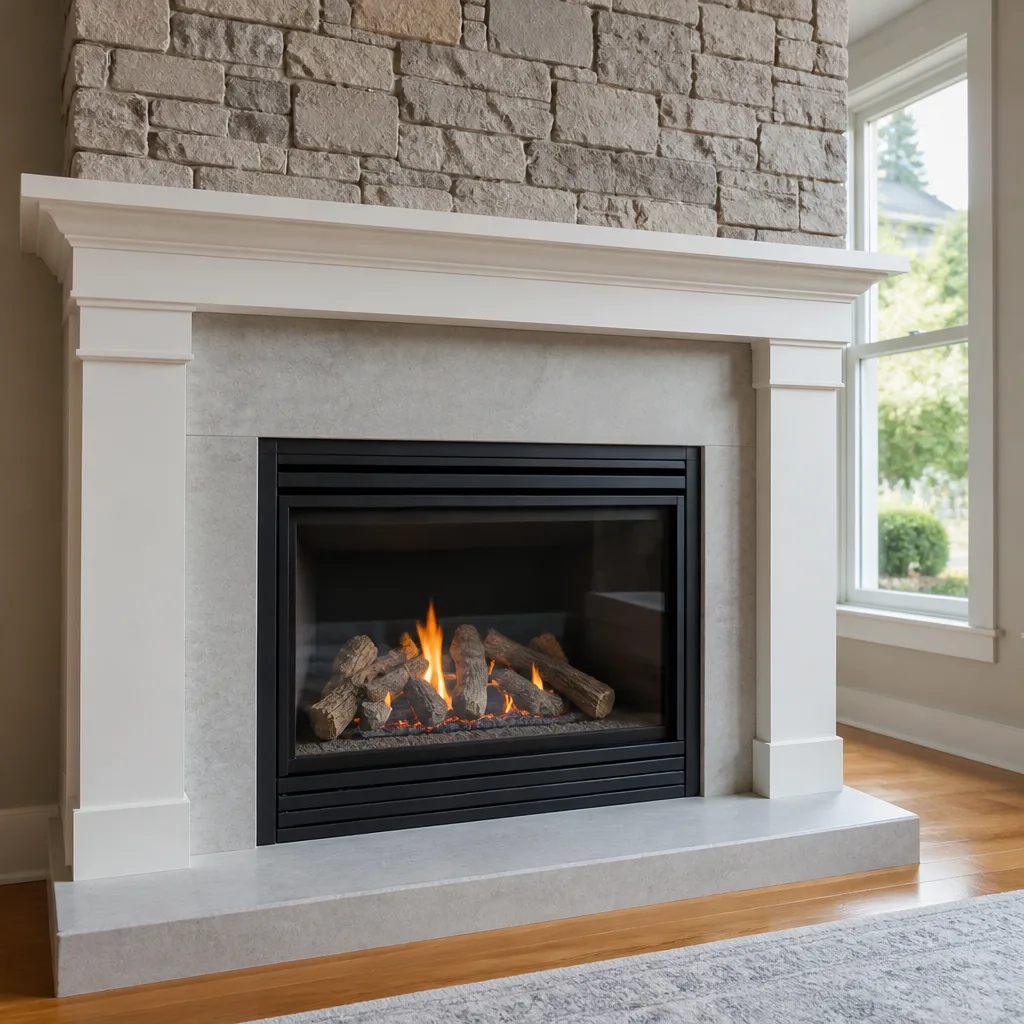 Gas fireplace service
Level 1 sweep and inspection to the NFPA 211 annual standard - flue, crown, cap, and flashing checked and photographed
Chimney sweep logs do not sweep chimneys. They loosen some creosote - which then falls where a brush and vacuum still have to collect it.
Seasonal Chimney Cleaning Care for Lowell: Year-Round Homeowner’s Guide
The worst time to discover a cracked flue tile is the first cold night you light a fire in October. But that crack didn’t form in October. It formed in July, when rainwater sat in an uncapped chimney for three months and the freeze-thaw cycles of a Lowell winter worked it open. Most homeowners treat chimney care as a fall chore, something to knock out before the first fire. The reality is that the damage happens in the off-season, quietly, while the fireplace sits cold. This guide reframes the calendar around what’s actually happening inside your chimney each season, and what to check before the next one starts.
Styles & brands we work with
- Sweep & inspection
- Caps & crowns
- Flue relining
- Masonry repair
- Gas fireplace service
Quick Answer
Seasonal chimney care in Lowell means checking the flue and cap in spring and summer for moisture damage, sweeping and inspecting in early fall before the first fire, watching for draft and odor changes during winter use, and inspecting for creosote glazing after the last burn. In this climate, the biggest threat isn’t fire alone. It’s water and freeze-thaw movement attacking the masonry when the chimney sits unused, with mortar joints degrading faster here than in warmer parts of the country.
Table of Contents
- Why Seasonal Care Matters in Lowell’s Climate
- Summer: Moisture Is the Threat When the Chimney Sits Cold
- Fall: The Pre-Season Tasks Before the First Fire
- Winter: Mid-Season Warning Signs Under Active Use
- Spring: Post-Season Inspection Priorities
- How Freeze-Thaw Cycles Accelerate Masonry Failure
- The Best Month to Book Your Sweep in Lowell
- Common Mistakes to Avoid
- When to Call a Professional
- Frequently Asked Questions
- The Bottom Line
Why Seasonal Care Matters in Lowell’s Climate
Lowell sits in a part of Massachusetts where winters are long, wet springs are common, and temperatures swing hard across the freeze point. That combination is rough on masonry. Water gets into small cracks and pores in the brick and mortar, freezes, expands, and pushes the material apart from the inside. Then it thaws, drains, and the cycle repeats.
A chimney that fires all winter stays warm and sheds moisture faster. The real damage window is the stretch when the chimney isn’t in use, which is most of the year. By the time you’re ready to light the first fire, the problems that developed over the summer are already baked in.
This is why we think about chimney care in seasons rather than in a single annual appointment. Each part of the year asks a different question of your chimney:
- Spring: What did the burning season leave behind?
- Summer: What is water doing to a chimney that isn’t being used?
- Fall: Is everything ready before the first fire?
- Winter: Is everything still working correctly under active use?
Answer those four questions honestly and you’ll catch most serious problems while they’re still small. Skip them and you’ll meet the same issues at the worst possible moment. If you’re ready to book a sweep, our chimney sweep visits are the natural starting point for anyone in the city.
Summer: Moisture Is the Threat When the Chimney Sits Cold
Summer is when homeowners think least about the chimney, and it’s exactly when the most damaging work happens. Without a fire, there’s no updraft pushing warm, dry air up the flue. Moisture from humid summer air settles in the chimney, and every rainstorm adds more. If the chimney cap is missing, cracked, or fitted with a screen that’s rusted through, water goes straight down the flue.
What we look for after a wet Lowell spring and a muggy summer:
- A missing, damaged, or misaligned cap. A cap keeps rain, birds, and debris out. When it’s gone, everything gets in.
- Rusted or failing damper. A damper that won’t close cleanly on a humid day lets damp air straight into the firebox.
- Staining or efflorescence on the exterior masonry. White chalky deposits below the roofline are a sign moisture is moving through the brick.
- Cracked or spalling brick at the crown. The concrete crown on top of the chimney takes the worst of the weather and splits when water gets behind it.
- Damp or musty smells at the firebox when the house is closed up. That smell is moisture sitting where it shouldn’t.
We install and service professional-grade components from brands like Olympia Chimney for caps and dampers, which matters when you’re replacing a failed part that needs to last. A cheap hardware-store cap that rusts out in a couple of seasons is a false economy. If you’re curious how the whole venting picture fits together for your home, that’s the kind of thing we walk through on every visit.
Fall: The Pre-Season Tasks Before the First Fire
The three or four weeks before the first fire of the season are the busiest for anyone in this trade in Lowell, and that’s precisely why you want to be ahead of the curve. A sweep scheduled in early September catches problems while there’s still time to fix them without pressure. A call placed in mid-October often means squeezed appointment slots and a rushed timeline before the first cold snap.
Here’s the pre-season checklist we work through, whether you’re doing a self-check or booking a professional visit:
- Schedule the sweep and inspection. Creosote buildup from last season needs to come out before the firebox is used again. Inspecting at the same time catches cracks and blockages early.
- Check the cap and screen from the ground if you can see the top of the chimney. If you can’t see it safely, leave it to the sweep.
- Confirm the damper opens and closes fully. A damper stuck part-way is a draft problem and a heat-loss problem.
- Look for signs of animal nesting in the flue. Birds and squirrels move in during the summer. A blocked flue sends carbon monoxide into the house instead of up the chimney.
- Test smoke and carbon monoxide detectors on the same day you schedule the visit. A working CO detector is your backstop, not a substitute for a clean flue, but it belongs on the same list.
- Do a small test fire before heavy use. A single split log on the first cool evening lets you watch the draft and smell before you commit to a real fire.
Fall is also when we get asked most about repairs. If a full inspection turns up a deteriorated flue liner, the HeatShield resurfacing system we use can restore the flue in many cases rather than requiring a full liner replacement. That’s an option worth knowing about before you assume the whole liner has to come out.
Winter: Mid-Season Warning Signs Under Active Use
Once the fire is going regularly, your chimney is doing real work. It’s also the time when small problems show up as clear signals if you know what to watch for. Winter care is about noticing changes, not preventing them from happening. The damage is largely already in motion by the time a fire is going.
Watch for these warning signs during the burning season:
- Changes in smell. A fireplace that suddenly smells smoky or acrid when there’s no fire is a sign of a draft problem or creosote buildup. Smoke smell in the room with the fire going means the draft is not pulling properly, which can be a serious safety issue.
- Draft problems. A fire that’s smoky, lazy, or hard to keep going when there’s no wind outside can point to a partial blockage or a flue that’s no longer drafting correctly.
- Smoke spilling into the room. Short of a blocked flue or a closed damper, this usually means the sweep is overdue or the flue size is wrong for the firebox.
- Soot accumulation on the glass or firebox walls. Rapid soot buildup over a short window is a sign of inefficient burning or insufficient draft.
- Odor in the house during warm days mid-winter. A run of mild weather pulls air down the chimney and pushes the creosote smell into the living space. It’s a common Lowell pattern in January and February.
Carbon monoxide risk is real in winter. Creosote that builds up and blocks the flue, a cracked flue tile, or a firebox that’s no longer sealed correctly all allow CO to enter the living space. If your CO detector sounds or you feel headache, dizziness, or nausea during fireplace use, shut the fire down and get everyone outside and call for help.
Mid-season sweeps aren’t unusual if you’re burning a lot. Anyone who uses the fireplace heavily through a Lowell winter should watch the buildup and book a sweep before the next season if it’s getting thick.
Spring: Post-Season Inspection Priorities
Spring is for looking honestly at what winter left behind. It’s also the best time to book a visit because the fire’s out, the days are longer, and the problems are still small enough to address before summer moisture gets into them.
Spring inspection priorities, in order:
- Check the firebox and flue for creosote glazing. Late-season cold snaps often produce inconsistent burning because homeowners cut back on fires, then run hot, then cut back again. That pattern forms glazed, hard-to-remove creosote that a normal sweep brushes off with more effort than loose soot.
- Inspect the flue tiles and mortar joints for cracks. Cracks in the flue interior are the most common trigger for a liner repair. HeatShield resurfacing can often fix a deteriorated liner without replacement.
- Check the crown and cap from the roof. These take winter damage and any leak they cause will get worse through a wet spring.
- Look at the exterior masonry for spalling or popped joints. Freeze-thaw movement is working on the outside of the chimney all winter. Spring is when you can see the result.
- Check the damper seal and the smoke shelf. Both collect soot through the winter and both affect next season’s draft.
Spring is also the right time to schedule the dryer vent cleaning if it hasn’t happened recently. The lint that builds up through a winter of dry cycles is a fire hazard in the same way creosote is, and we cover both services in one visit so you’re not booking separate contractors. More on that on our dryer vent cleaning page.
How Freeze-Thaw Cycles Accelerate Masonry Failure
Lowell’s winters swing across the freeze point dozens of times. Water gets into small cracks in the mortar, freezes overnight, expands, thaws the next afternoon, drains, and repeats. Every cycle makes the crack a little wider and the mortar a little weaker.
Southern climates don’t have this problem in the same way. Warm winters mean masonry dries out and stays dry. Here, the chimney is under a freeze-thaw cycle for months, and a masonry structure that takes that weather absorbs damage that warmer-climate chimneys never see. The result is that mortar joints fail faster in Lowell than the same joints would in Georgia or Texas.
What that looks like in practice:
- Mortar joints that look fine in spring can show crumbling or popping by the following spring.
- The chimney crown (the sloped concrete top) can develop hairline cracks that grow into open splits.
- Brick faces can spall, meaning the front surface peels off, leaving the soft interior exposed to the next freeze.
- Flue tiles crack more easily because the chimney structure around them is moving.
The way to slow this down is to keep water out. A properly sized, correctly installed cap is the first and cheapest defense. A well-maintained crown that sheds water away from the flue is the second. Fixing small mortar problems in spring costs far less than rebuilding a chimney that’s been allowed to degrade for multiple winters. That’s a big part of what our Chimney Sweep Lowell team looks at on every visit, because the masonry tells you the history if you know what to look for.
The Best Month to Book Your Sweep in Lowell
September is the best month to book a sweep in Lowell. The weather is still warm enough that the visit is easy, appointments are available, and there’s time to address anything the inspection turns up before the first fire. October is when the phone volume spikes, and November is when it becomes hard to fit everyone in before the cold reaches Lowell.
What to expect through the year:
- March through May: Post-season inspection and sweep, plus masonry and liner repairs before summer moisture. Best window for repairs that need to wait for the ground to thaw.
- June through August: Cap, crown, and damper repairs, plus dryer vent cleaning before lint has been accumulating all summer. Slower months for sweeps, so scheduling is easy.
- September: Ideal sweep-and-inspect window. Everything is dry, the masonry is stable, and there’s time to fix what the inspection reveals.
- October: Busy. Still fine if the sweep is booked early in the month.
- November through February: Mid-season sweeps if you’re burning heavily. Watch for warning signs and book as soon as they appear.
We understand that schedules don’t always follow the ideal calendar. If you’re behind, book what you can. A sweep in late October is far better than no sweep at all. Our phones are answered 24/7 and fast dispatch runs Sunday through Friday, 7am to 7pm.
Common Mistakes to Avoid
- Waiting until October to think about the chimney. The damage happens in summer when the chimney sits cold. By fall, you’re fixing problems that had a whole season to develop.
- Ignoring the cap because the chimney looks fine from the driveway. The cap is often the difference between a chimney that lasts and one that gets torn up by freeze-thaw cycles. If yours is rusted, missing, or the screen is falling apart, that’s a first-priority fix.
- Assuming a “cleaned” chimney means a safe one. A sweep that removes soot but doesn’t inspect the flue, crown, and firebox is a partial job. Ask what the inspection covered, not just what got swept.
- Burning soft or wet wood to get through the winter. Seasoned hardwood produces less creosote. Wet wood and unseasoned wood produce more, and the difference shows up in the flue within a season.
- Skipping the dryer vent because the chimney got cleaned. Lint buildup is a fire hazard in the same way creosote is. A company that only does chimneys leaves that out of the safety picture.
- Booking the cheapest sweep and taking whatever comes. A sweep that lacks the capability to inspect and repair flue liners leaves you finding a second company after the first one reports a problem. That gap is where the pressure to overspend on a rushed fix tends to come from.
- Assuming traditional masonry is the only way to fix a failing flue. HeatShield resurfacing can restore many deteriorated liners without full replacement. Ask about it before assuming the expensive option is the only option.
When to Call a Professional
Some things you can check yourself. Others stay with a trained professional because getting them wrong is dangerous. Call us when:
- You’ve never had the flue inspected in this home and the home is new to you.
- You see smoke spilling into the room during burns, or the fire is hard to start and smoky.
- You smell soot or smoke in the house on a mild day with no fire going.
- You see obvious damage to the cap, crown, or exterior masonry.
- Your dryer is taking longer to dry clothes, or the vent outside shows little airflow.
- You’re buying or selling a house in Lowell and want an honest read on the chimney before closing.
Chimney Sweep Lowell offers free estimates in Lowell. Call (888) 450-3059. We answer 24/7. Fast dispatch from 7am to 7pm, Sunday through Friday. Every finding comes with a camera inspection and photo report so you see exactly what we see before anything is recommended. If the work can safely wait, we say so.
Frequently Asked Questions
Most homeowners in Lowell need a sweep once a year, ideally in the pre-season window before the first fire. If you burn heavily through the winter or use a lot of unseasoned wood, you may want a mid-season check too. The general rule is to sweep when there’s an eighth of an inch of creosote buildup on the flue walls. Call (888) 450-3059 for an exact quote, because pricing depends on the flue and what the inspection finds – estimates are free.
Not always. A deteriorated liner often has a middle option between “fine as it is” and “full replacement.” HeatShield is a flue-resurfacing system that can restore a damaged liner in many cases without pulling it out. The honest answer depends entirely on camera footage of your flue. We show that footage to you – nothing is recommended without evidence you can see for yourself. Call (888) 450-3059 for a free inspection and estimate.
Skipping a year doesn’t guarantee a chimney fire, but it does raise the risk. Creosote builds thicker each season, and once it reaches the glazed stage it ignites at higher temperatures and is much harder to remove. In a Lowell climate you’re also leaving the chimney exposed to a full summer of moisture damage and a full winter of freeze-thaw movement without knowing what you’re working with. Call (888) 450-3059 to get it on the schedule.
That smell is usually reverse draft – warm air from the house pushing down the flue and bringing creosote odor with it. It’s more common in Lowell in mid-winter when a warm spell interrupts the burning season. The fix depends on whether the cause is a missing cap, an unbalanced pressure in the house, or creosote buildup in the flue. Get it looked at before the next season. Call (888) 450-3059 for a free estimate.
Yes. We handle both services in a single visit, which is the practical way to address the two biggest lint and creosote fire hazards in the home at once. It also means you don’t have to book a second contractor. Call (888) 450-3059 – estimates are free and one trip covers both.
A typical sweep takes about an hour, longer if the inspection turns up issues that need a closer look or repairs on the spot. You don’t strictly have to be home, but we prefer you are so we can show you the camera footage and findings in person. That’s the whole point of an honest inspection – you see what we see. Call (888) 450-3059 for a free estimate and to schedule. Our Lowell service area covers the whole city.
The Bottom Line
Seasonal chimney care in Lowell is really a question of managing what each season does to the chimney when it’s cold and when it’s hot. Summer is when moisture gets in, spring is when the damage shows up, fall is the last chance to fix it, and winter is when you live with the consequences. Fixing the cycle means checking the cap and crown before summer, inspecting and sweeping in September, watching for draft and odor changes through winter, and doing a post-season inspection in spring.
Freeze-thaw cycles and wet springs make Lowell a tougher climate for masonry than most of the country. That makes the calendar matter more than it does in a warmer city. If you’ve never had the chimney looked at in this home, start there. The chimney we inspect, sweep, and repair in one call saves you the scramble of finding a second company after a problem is found.
Call (888) 450-3059 for a free estimate. We answer 24/7. Fast dispatch from 7am to 7pm, Sunday through Friday. Every visit includes a camera inspection and photo report, so you get a straight answer on what your chimney actually needs.
Written by the team at Chimney Sweep Lowell.
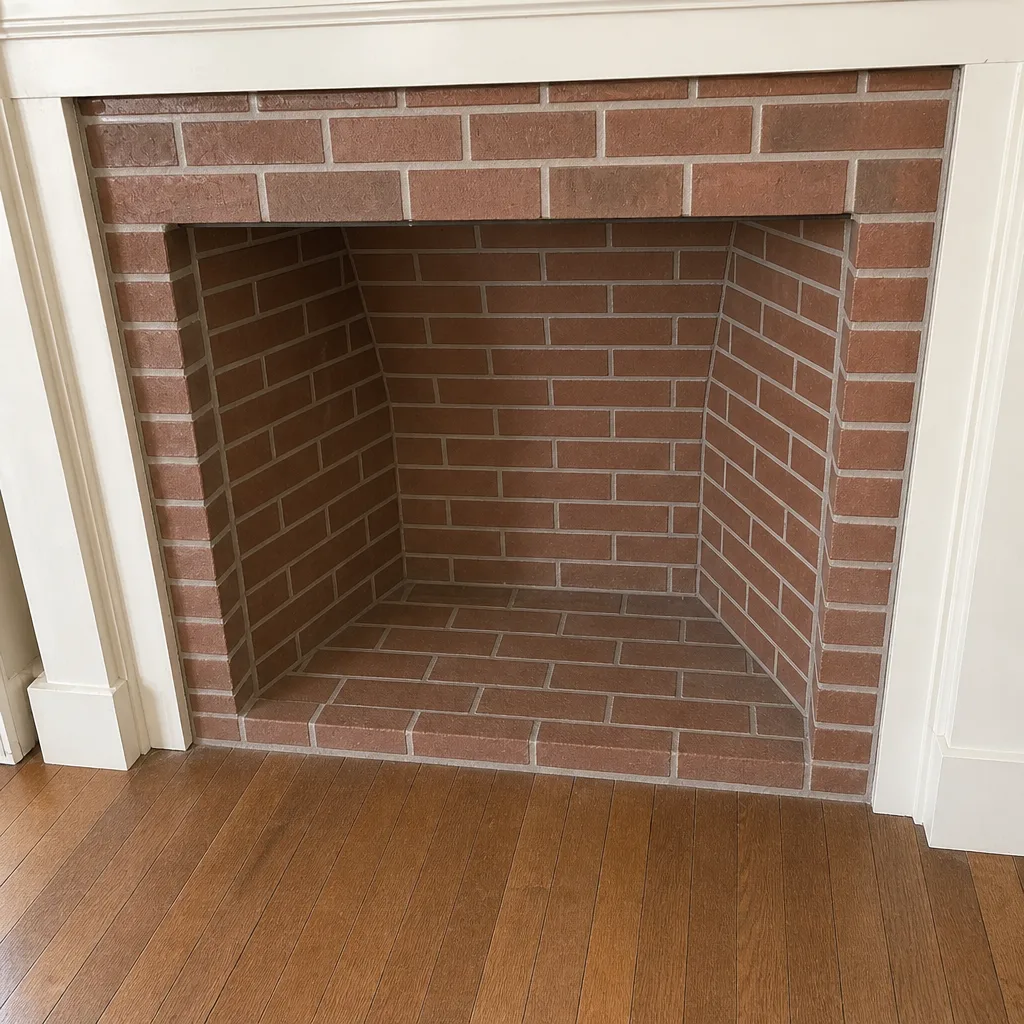
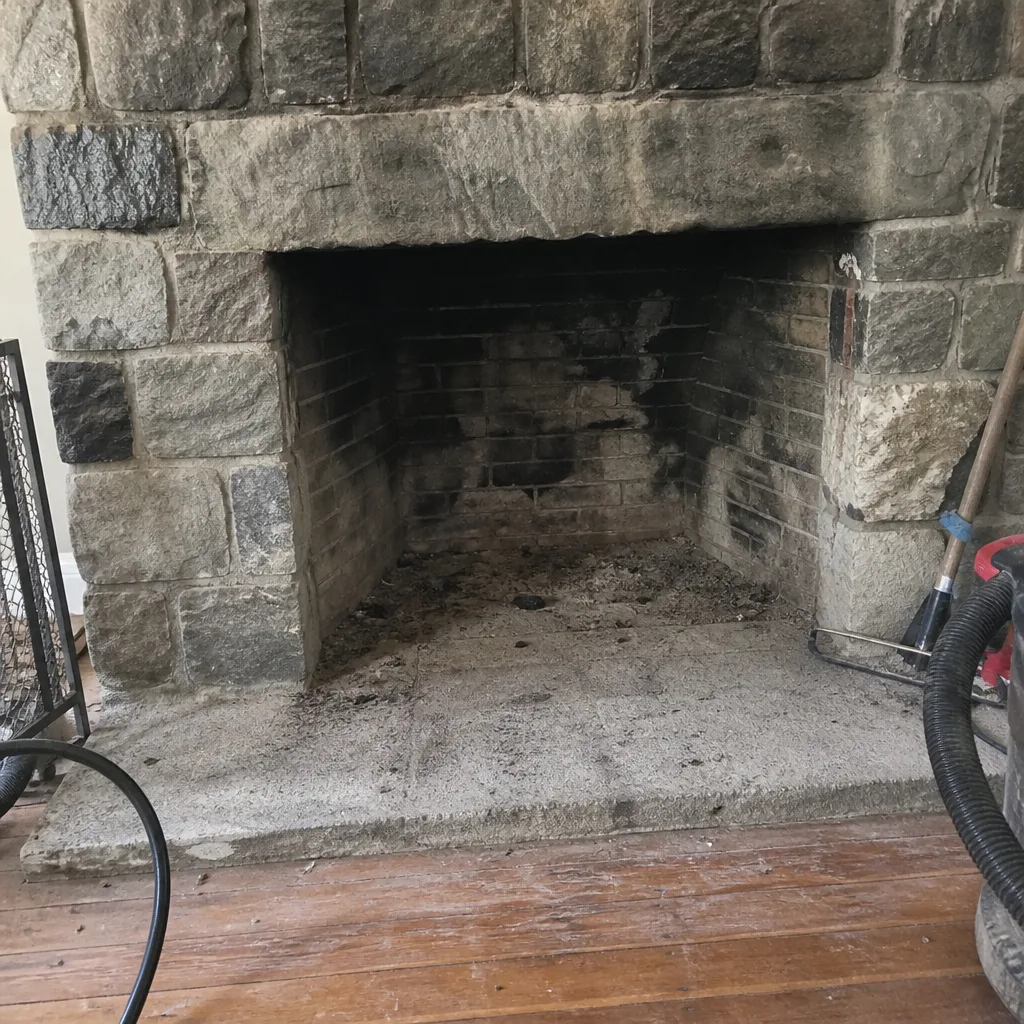
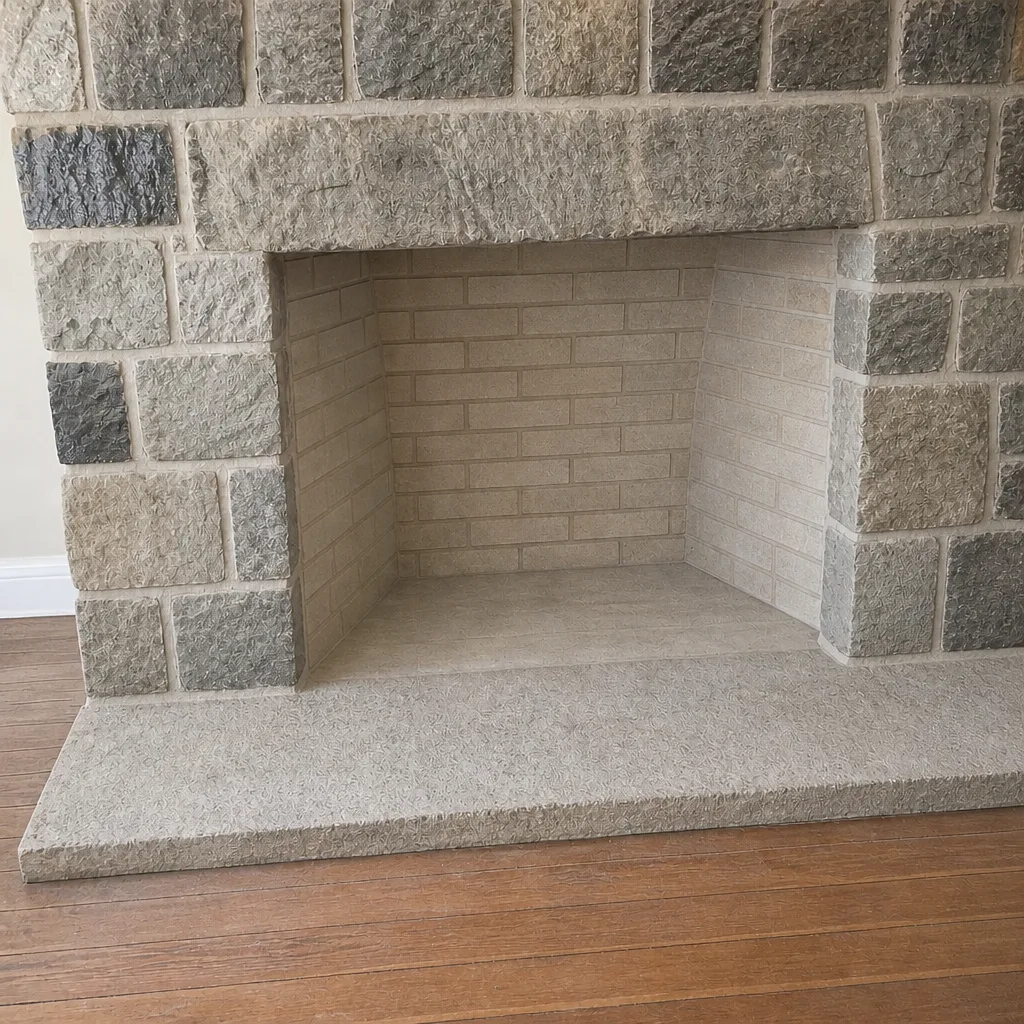
See the difference
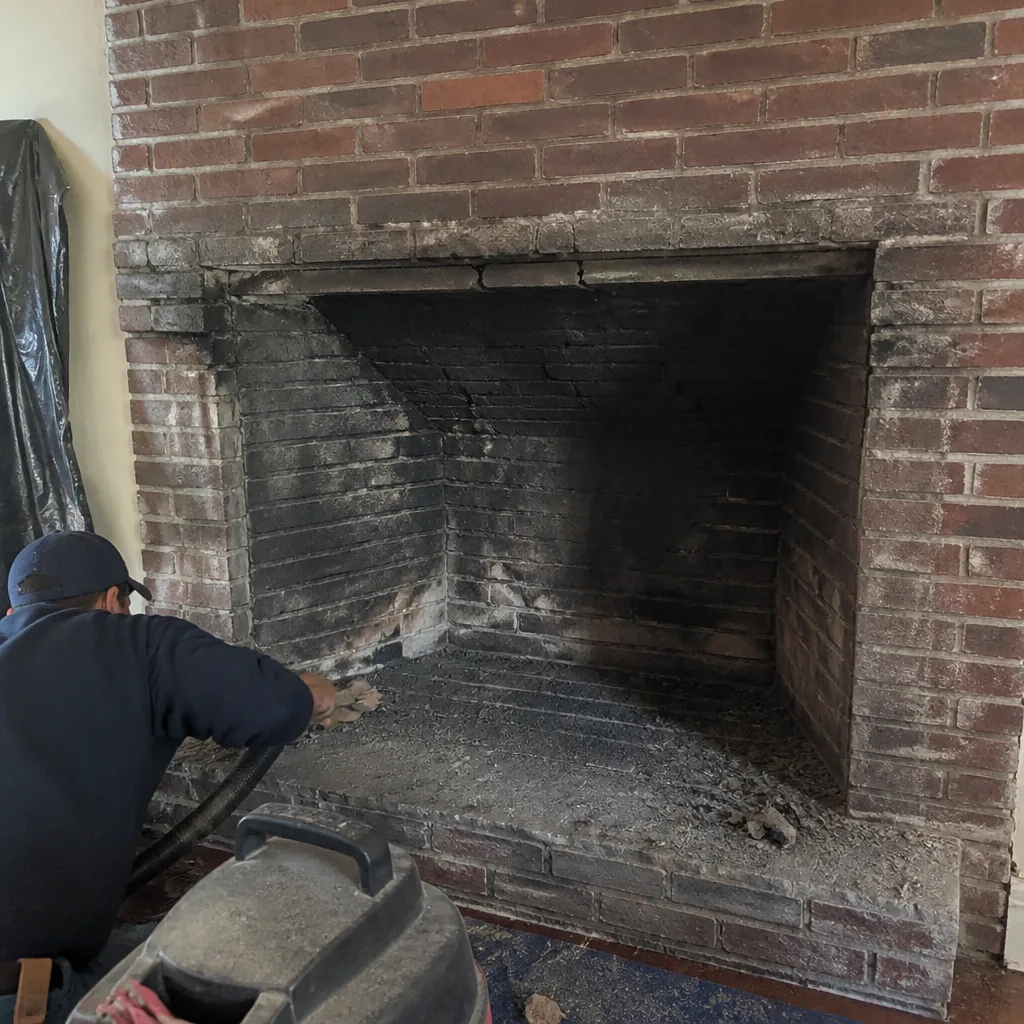 Before
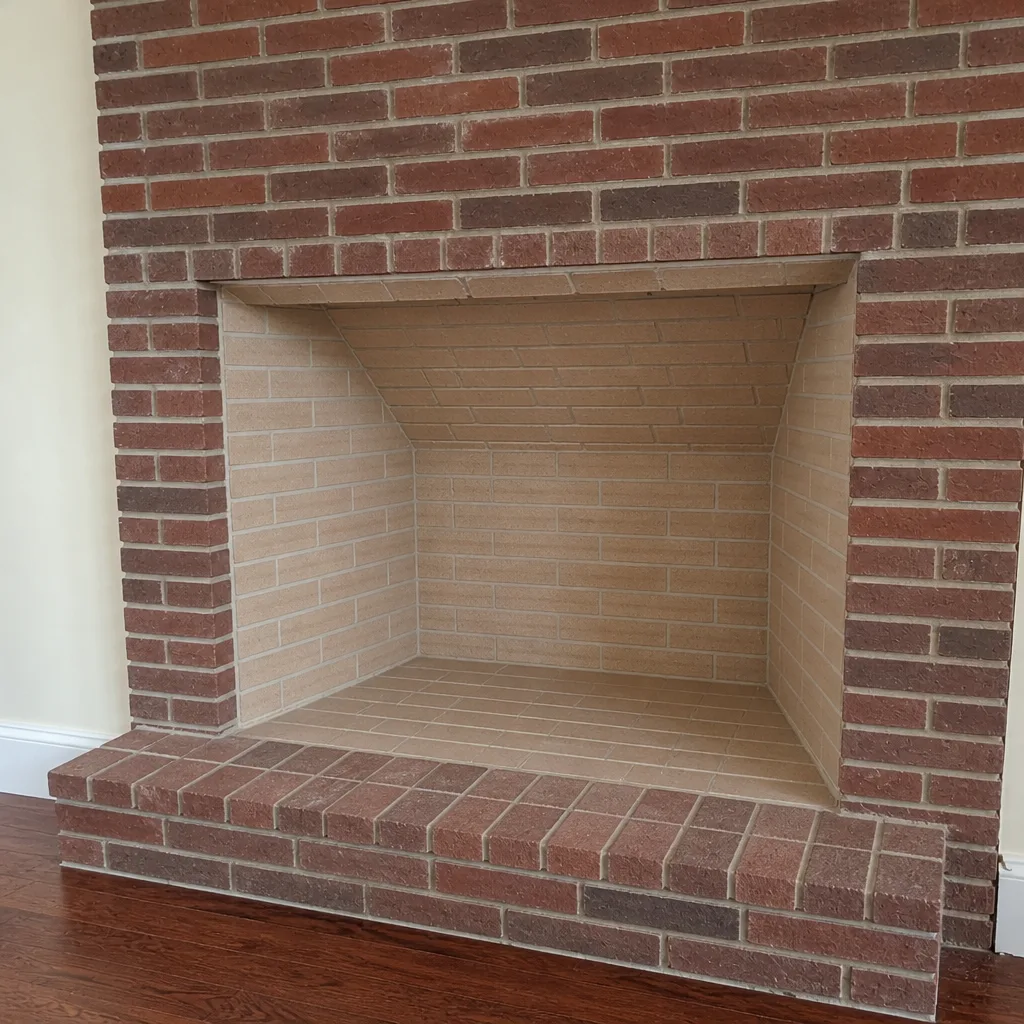 After
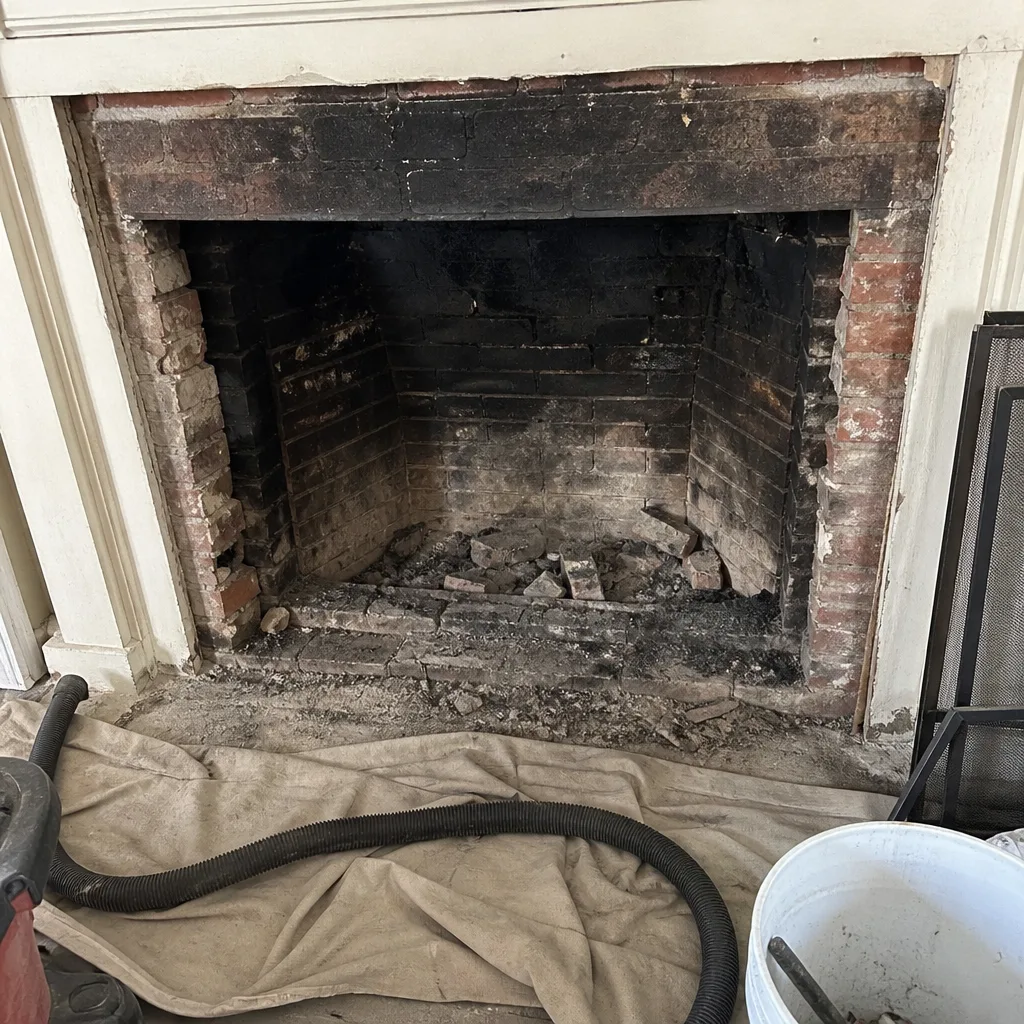 Before
 After
 Before
 After