
Last updated November 14, 2026
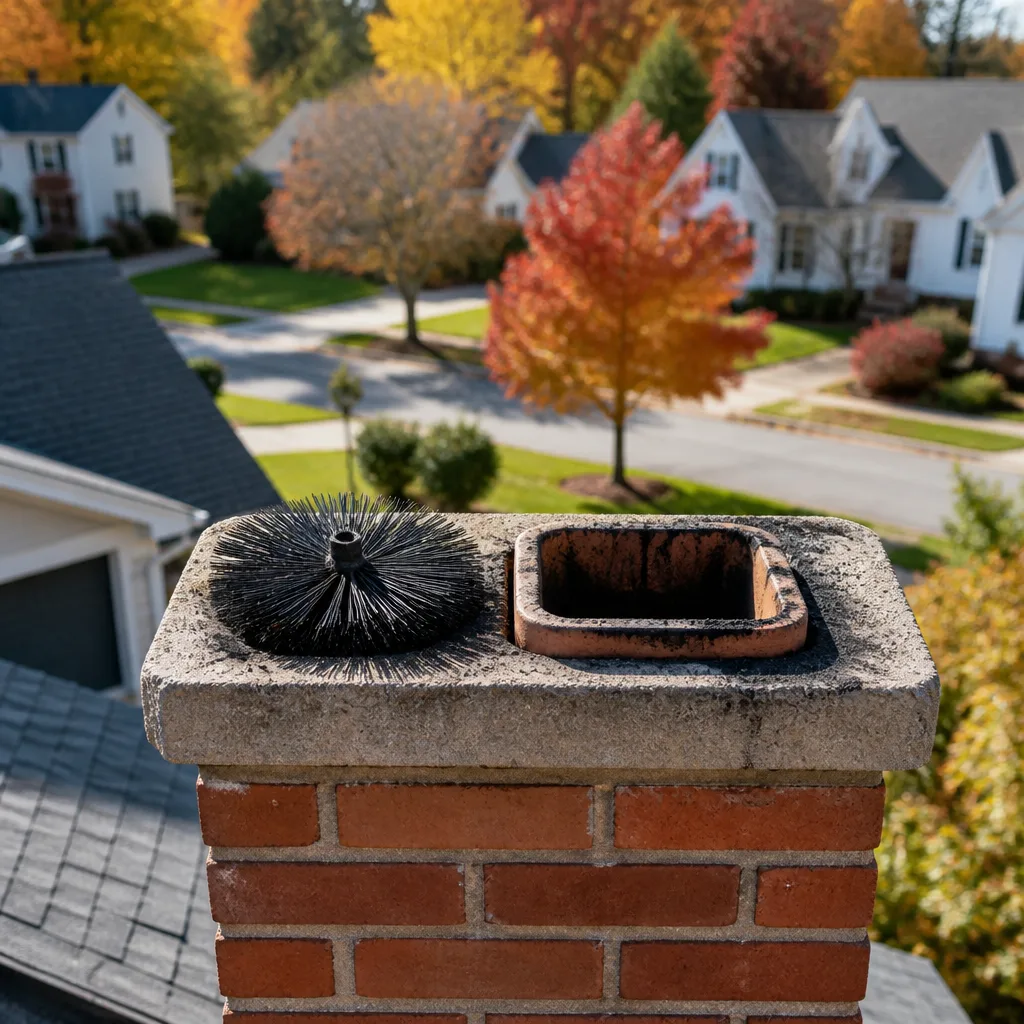 Sweep & inspection
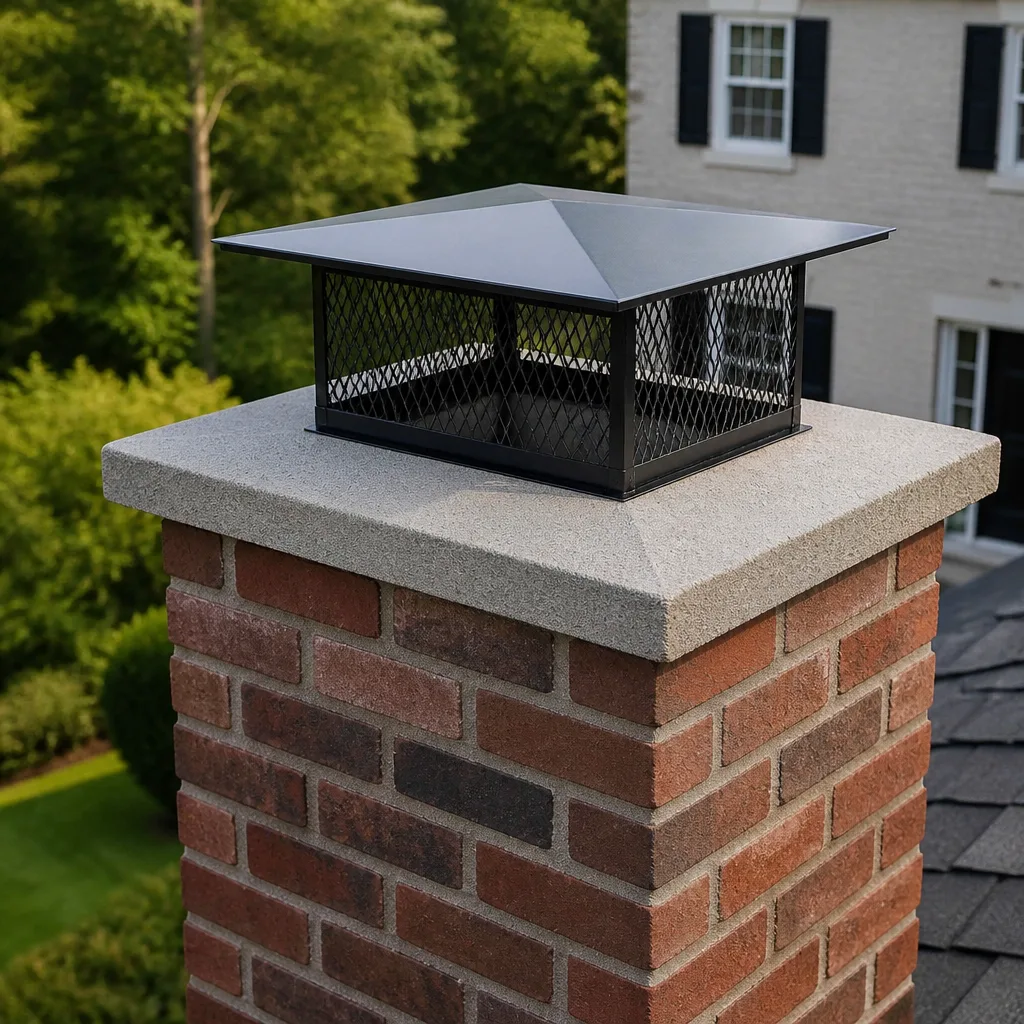 Caps & crowns
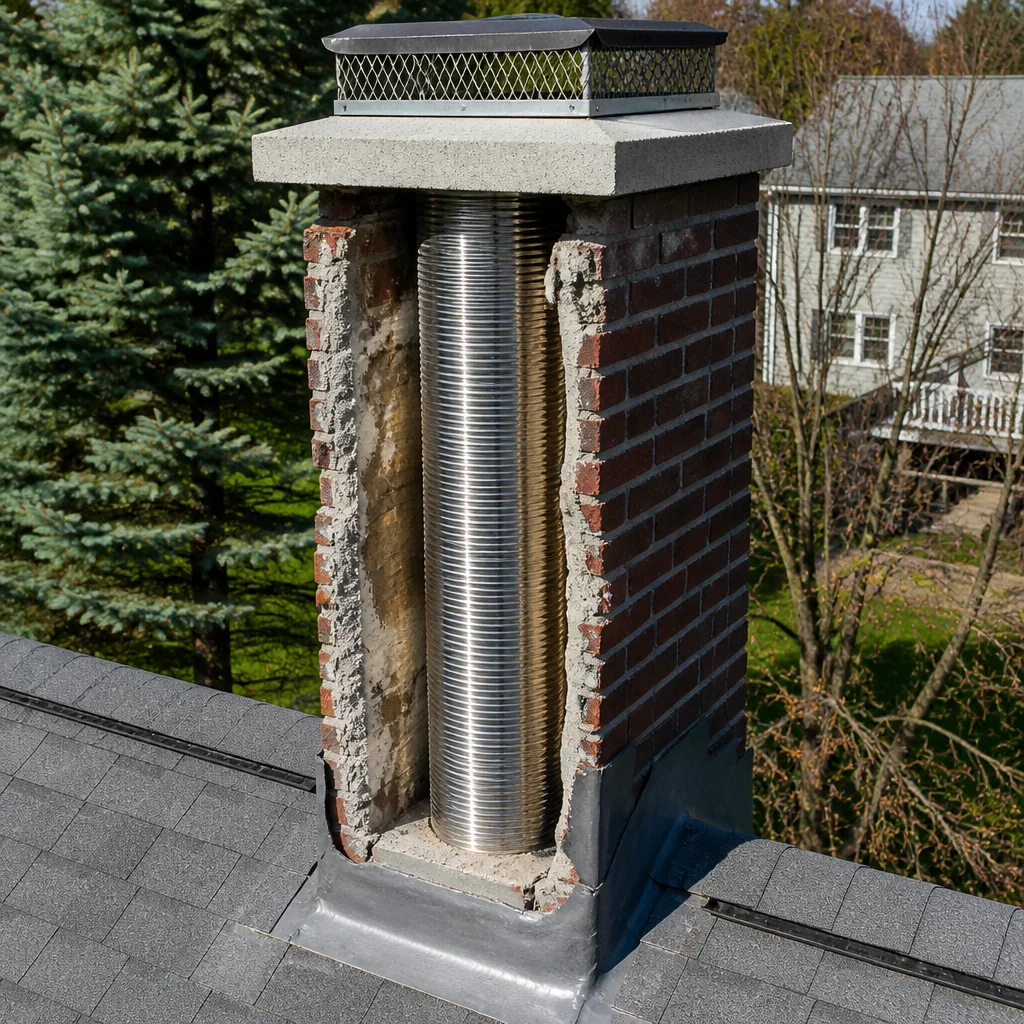 Flue relining
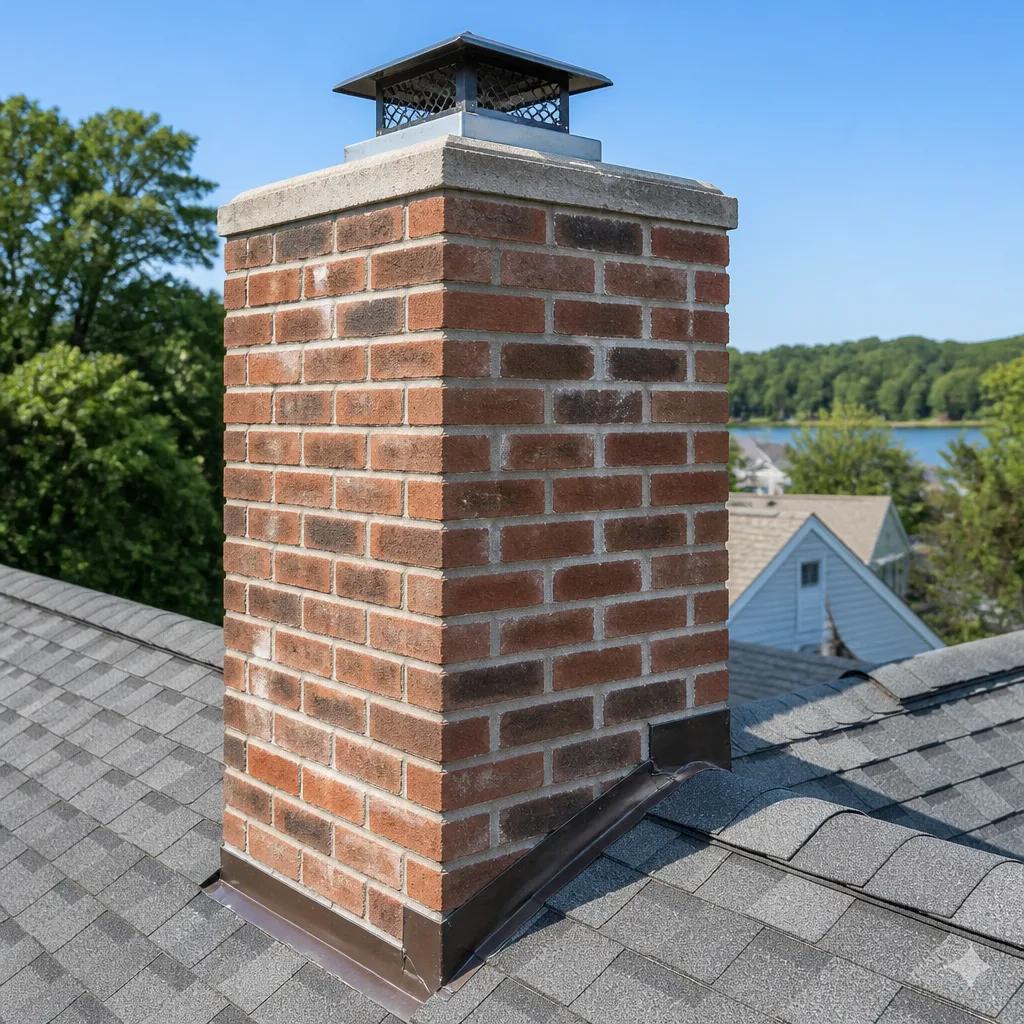 Masonry repair
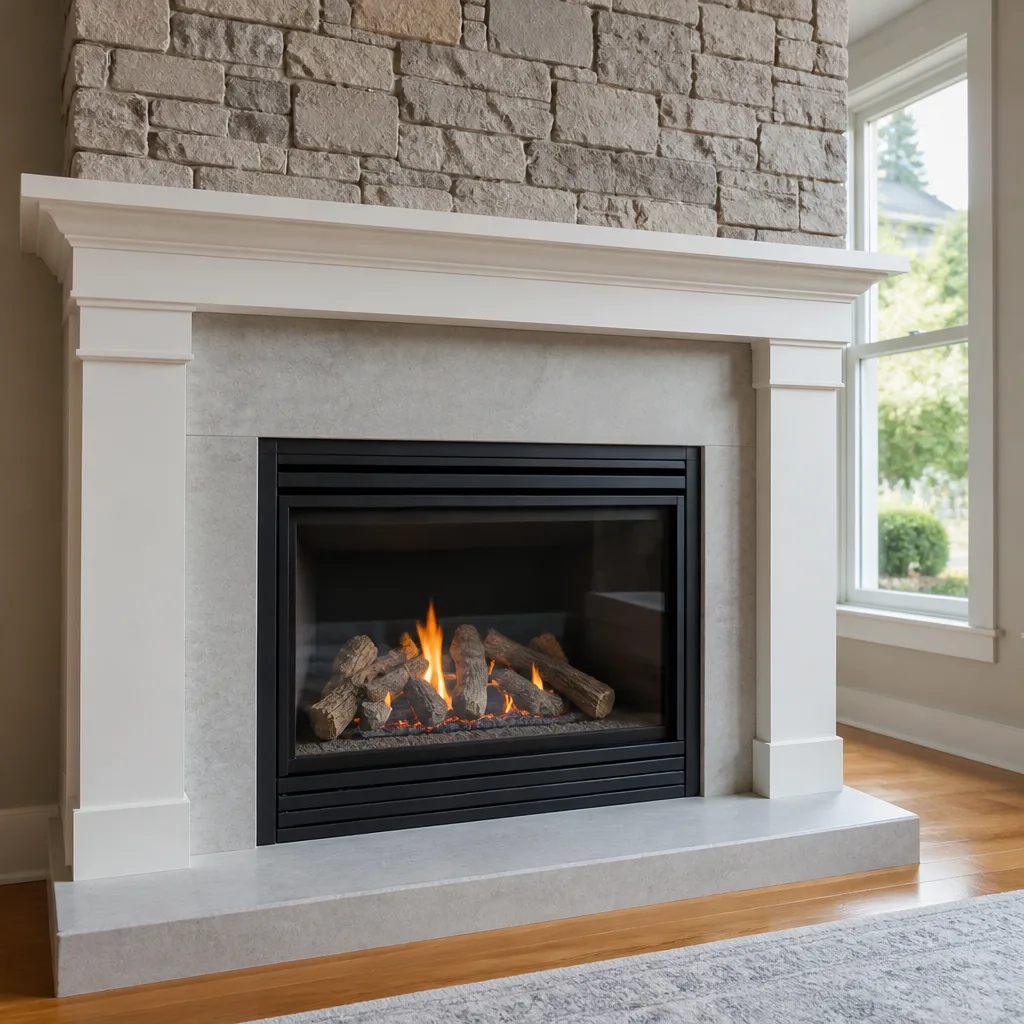 Gas fireplace service
Level 1 sweep and inspection to the NFPA 211 annual standard - flue, crown, cap, and flashing checked and photographed
Chimney sweep logs do not sweep chimneys. They loosen some creosote - which then falls where a brush and vacuum still have to collect it.
DIY vs Professional Chimney Cleaning: The Lowell Homeowner’s Decision Guide
For most Lowell homeowners, professional chimney cleaning is the right call, because the cleaning itself is the easy part and the inspection is the part that matters. A chimney cleaning kit removes surface deposits just fine. It doesn’t tell you that the clay tile behind the soot has a quarter-inch crack that’s been venting combustion gases into your wall cavity. That gap between what a brush can reach and what a trained eye can see is the whole debate, and it’s sharper in Lowell than in most places. This guide gives you an honest framework for where DIY is defensible, where it creates false confidence, and how to decide for your own flue.
Quick Answer
DIY chimney cleaning is reasonable only when three things are true at once: the system was professionally inspected recently and passed, you burn lightly, and your flue is straight and accessible. For everyone else in Lowell, especially in older housing where flue tiles, offsets and unlined chimneys are common, professional cleaning wins because the cleaning is booked with a Level 1 inspection that actually looks at the flue. A brush cleans. An inspection tells you whether the chimney is safe to use. Those are different jobs, and only one of them can be done with a kit from a hardware store.
Styles & brands we work with
- Sweep & inspection
- Caps & crowns
- Flue relining
- Masonry repair
- Gas fireplace service
Table of Contents
- What a Rotary Brush System Can Actually Accomplish
- Why a Level 1 Inspection Must Accompany Any Responsible Cleaning
- When DIY Cleaning Is Defensible
- The Real Cost of Doing It Yourself
- Lowell’s Housing Stock and Why It Changes the Math
- The Insurance and Liability Question
- Common Mistakes to Avoid
- When to Call a Professional
What a Rotary Brush System Can Actually Accomplish
A rotary brush system removes creosote, soot and loose debris from the flue walls it can reach, and it does that job well. On a straight flue with normal wood-burning deposits, a homeowner with the right brush diameter, flexible rods and a good vacuum can pull a meaningful amount of material out of the chimney. That’s not a knock on professional cleaning. It’s an honest description of the mechanical task.
Here’s where the physics get in the way. A brush follows the flue. It cleans what it touches. It cannot see around an offset, and Lowell has plenty of chimneys with offsets where the flue shifts to clear a roofline or a second-floor framing. It cannot tell you whether the brush is actually reaching the full circumference at a bend or just riding one side. It cannot detect a spalled tile, a gap in the mortar joints between tiles, or the soft, glazed, third-degree creosote that has bonded to the flue wall and needs more than bristles to remove.
The other limitation is what comes out versus what stays. A kit vacuum handles the dust that escapes the firebox, but a proper cleaning setup captures debris at the flue opening and keeps fine soot out of your living space. That matters in a Lowell triple-decker, where a chimney shared between units can push dust into rooms you didn’t plan to clean.
What a rotary brush genuinely can do:
- Remove light to moderate creosote from a straight, sound flue
- Clear soot and debris after a season of burning
- Knock down bird nests and loose buildups near the top
- Give you a clearer look at the firebox and damper area from below
What it cannot do: assess the flue’s condition, reach concealed sections reliably, or tell you whether the chimney is safe. That distinction is the spine of this entire decision.
Why a Level 1 Inspection Must Accompany Any Responsible Cleaning
Any responsible chimney cleaning includes a Level 1 inspection, and a Level 1 inspection requires visual access that a DIY kit doesn’t provide. This is the single most overlooked point in the DIY debate. People compare the cleaning, not the inspection, and the inspection is the reason the cleaning is worth booking.
A Level 1 inspection is the basic visual check of readily accessible portions of the chimney, its connector and the appliance, done during a routine service call or when you change fuel type or appliance. It’s looking for the things a brush can’t report: cracked or missing flue tiles, deteriorating mortar joints, blockages, signs of moisture, improper clearances, and the condition of the damper and cap. It’s also reading the creosote type and how much has accumulated, which tells you how often the chimney actually needs sweeping for the way you burn.
A professional cleaning gives a technician the flue open and accessible. They can look up the flue with a light and camera, check the smoke chamber, and confirm the liner is intact. That access is the whole point. A homeowner running a brush from the roof can’t see the flue wall behind the brush any better than a professional can, so the DIY version never gets the inspection it needs.
In our experience, most of the serious findings in Lowell chimneys – the ones that turn a routine sweep into a repair conversation – come out of the inspection, not the cleaning. A HeatShield resurfacing job exists precisely because a Level 1 inspection found a deteriorating liner that was still structurally worth restoring rather than replacing. That finding is invisible to a brush. Learn more about what a full chimney sweep includes, because the inspection is bundled into the service, not sold separately.
When DIY Cleaning Is Defensible
DIY cleaning is defensible in a narrow set of conditions, and it’s worth naming them plainly rather than pretending they don’t exist. If all of the following are true, a homeowner can reasonably handle a cleaning between professional inspections.
- The system passed a professional inspection recently. A technician has looked at the flue, confirmed the tiles are sound, and cleared the chimney for use. You’re maintaining a known-good system, not discovering its condition.
- You burn lightly. Occasional fires, well-seasoned wood, and no long smoldering burns mean deposits build slowly and stay in the removable range.
- The flue is straight and unobstructed. No significant offset, no tight bends, and clear access from the top or through the firebox.
- You can safely get to the flue opening. If reaching the top of the chimney means climbing a steep or wet roof, that’s a fall risk and a hard stop. Roof work is a genuine hazard, and a chimney isn’t worth a broken ankle.
- You have the right equipment, not a substitute. Correct brush diameter for your flue size, proper rods, and a HEPA vacuum sized for the job.
If any of those fail, the honest answer is that you’re guessing at the condition of a system you can’t see. That’s not a cleaning. That’s a routine that produces confidence without evidence.
The Real Cost of Doing It Yourself
A proper DIY chimney cleaning kit runs roughly $150 to $300 once you account for brushes, rods and a HEPA vacuum, and that cost narrows the savings margin significantly. A cheap brush and a shop vac is not the same setup. The vacuum has to capture fine soot without blowing it back into the room, and the brush has to match the flue’s internal dimensions or it either misses the wall or gets stuck.
Here’s the honest comparison, as typical ranges rather than promises, since every chimney is different:
- DIY kit (brushes, rods, HEPA vacuum): roughly $150 to $300, one-time, reusable for years
- Professional cleaning with Level 1 inspection: a per-job estimate, set in writing before the work is booked
- DIY cleaning plus an annual professional inspection: the kit cost plus the inspection, because the inspection isn’t optional if you want to know your flue’s condition
Run the numbers honestly and the picture changes. If you clean yourself but still book an annual inspection – which you should, because otherwise you have no record of the flue’s condition – the kit pays for itself only if you’d otherwise book a professional cleaning every year. And the moment the inspection finds something, you’re calling a professional anyway. The savings are real but smaller than they look at first glance, and they come with the caveat that you’re responsible for the quality of every cleaning between inspections.
There’s also the hidden cost of a botched DIY job: a brush stuck in an offset, a cracked tile from an oversized brush, or soot distributed through the house. Those aren’t routine, but they’re the reason people end up calling a professional mid-project. When that happens, the work is already done and the money is already spent.
Lowell’s Housing Stock and Why It Changes the Math
Lowell’s housing stock makes the DIY question harder than it is in newer construction, and that’s the local twist most guides miss. The city’s older homes and multi-unit buildings frequently have chimneys that weren’t built to today’s standards of flue construction, and they’ve been through a century or more of use, weather and patchwork repairs. A flue that looks fine from the firebox can be unlined in sections, have deteriorated mortar between tiles, or carry offsets that make brushing by hand unreliable.
The climate adds its own layer. Lowell’s cold, wet winters and freeze-thaw cycles work on masonry and mortar joints. Water that gets into a chimney through a failing cap or cracked crown freezes, expands and opens the masonry further. A homeowner cleaning from below or the roof won’t see any of that. What they see is a flue that looks clear, and they draw the wrong conclusion.
We’ve seen the pattern often enough to recognize it: a homeowner in Lowell does a careful job with a rental brush or a kit, feels good about the chimney, and then a professional inspection during a real-estate transaction or before the first cold stretch finds a liner problem that was there the whole time. The cleaning wasn’t wasted. The confidence was misplaced. For a closer look at how this plays out across the city, see our Lowell service overview, which covers the neighborhoods and building types we work with most.
Multi-unit buildings deserve a specific note. In a triple-decker or a converted multi-family, the chimney may serve more than one appliance or unit, and the flue configuration can be shared or divided in ways that make a single brush pass inadequate. A professional cleaning in that setting is about more than one firebox.
The Insurance and Liability Question
If a chimney fire damages your home and there’s no professional inspection on record, your homeowner’s insurance claim can get complicated, and that’s a risk worth taking seriously. Insurance policies vary, and we’re not going to tell you what yours says. What we can tell you is that claims adjusters look at maintenance records, and a professional inspection and cleaning history is the kind of documentation that supports a claim rather than inviting questions about neglect.
Chimney fires are a known cause of home fires, and the risk is real for anyone burning wood without regular cleaning and inspection. The point isn’t to scare you. The point is that the record matters. When a professional sweeps and inspects your chimney, you have a documented basis for saying the system was maintained, and if a problem was found, you have a written estimate that shows you were offered the repair. That record is worth more than the money you save on a DIY cleaning.
There’s a secondary liability angle too. If you clean your own chimney and later sell the home, a buyer’s inspector or their own chimney professional may find issues that a documented maintenance history would have caught earlier. A clean record from a specialist makes a real-estate transaction smoother, and it’s part of why homeowners preparing to sell book a professional sweep before listing.
The insurance question is often what tips the decision. Call (888) 450-3059 if you want to know what a documented sweep and inspection covers for your situation. We answer 24/7, and fast dispatch runs from 7am to 7pm Sunday through Friday.
Common Mistakes to Avoid
- Skipping the inspection and calling it a cleaning. The cleaning removes deposits; the inspection tells you whether the chimney was safe to begin with. If you clean without inspecting, you’ve done the easy half and skipped the important one.
- Using the wrong brush size. An undersized brush doesn’t reach the flue wall; an oversized one can jam in an offset or damage tile. In Lowell’s older chimneys, offsets are common, so this is a real risk and not a hypothetical one.
- Cleaning without a proper vacuum. A shop vac doesn’t capture fine soot the way a HEPA setup does, and soot distributed through a home is a cleanup problem you’ll remember. This matters most in multi-unit buildings where ductwork and shared spaces carry dust.
- Climbing a wet or steep roof to reach the cap. Fall risk is one of the most serious hazards in this work, and most of it is avoidable. If the only access is a roof you’re not confident on, that’s the end of the DIY discussion.
- Burning unseasoned wood after a DIY clean. Wet wood produces more creosote and more of the glazed, hard-to-remove kind, which undoes the benefit of the cleaning faster. Seasoning matters as much as the sweep.
- Ignoring the dryer vent because you’re focused on the chimney. Venting hazards aren’t only in the flue. A clogged dryer vent is a fire risk in its own right, and it’s easy to forget while you’re up on the roof with a chimney brush.
- Assuming a clean firebox means a clean flue. The firebox and damper can look spotless while the flue above has heavy deposits or a cracked tile. In our experience, this is one of the most common sources of false confidence in Lowell.
When to Call a Professional
Call a professional when any of the following is true: your chimney hasn’t been inspected in the last year, you’ve never had it looked at since buying the home, your flue is offset or unlined, you’re in a multi-unit building with a shared chimney, you’ve had a chimney fire or a sudden draft problem, or you simply want a documented record of the flue’s condition before a real-estate transaction or the first cold stretch of the season. Those aren’t upsell triggers. They’re cases where a brush can’t give you the answer you need.
When you book with us, you get the sweep and the inspection together, plus a camera view of anything we find. We don’t just find the problem – we fix it, which means a deteriorating liner can often be resurfaced with HeatShield rather than replaced outright, and parts like caps and dampers come from brands such as Gelco, Olympia Chimney and Copperfield rather than off-brand substitutes. If you’re weighing whether to add dryer vent cleaning to the visit, one call covers both, and it’s worth doing if the vent hasn’t been cleared in a while. Chimney Sweep Lowell offers free estimates in Lowell. Call (888) 450-3059.
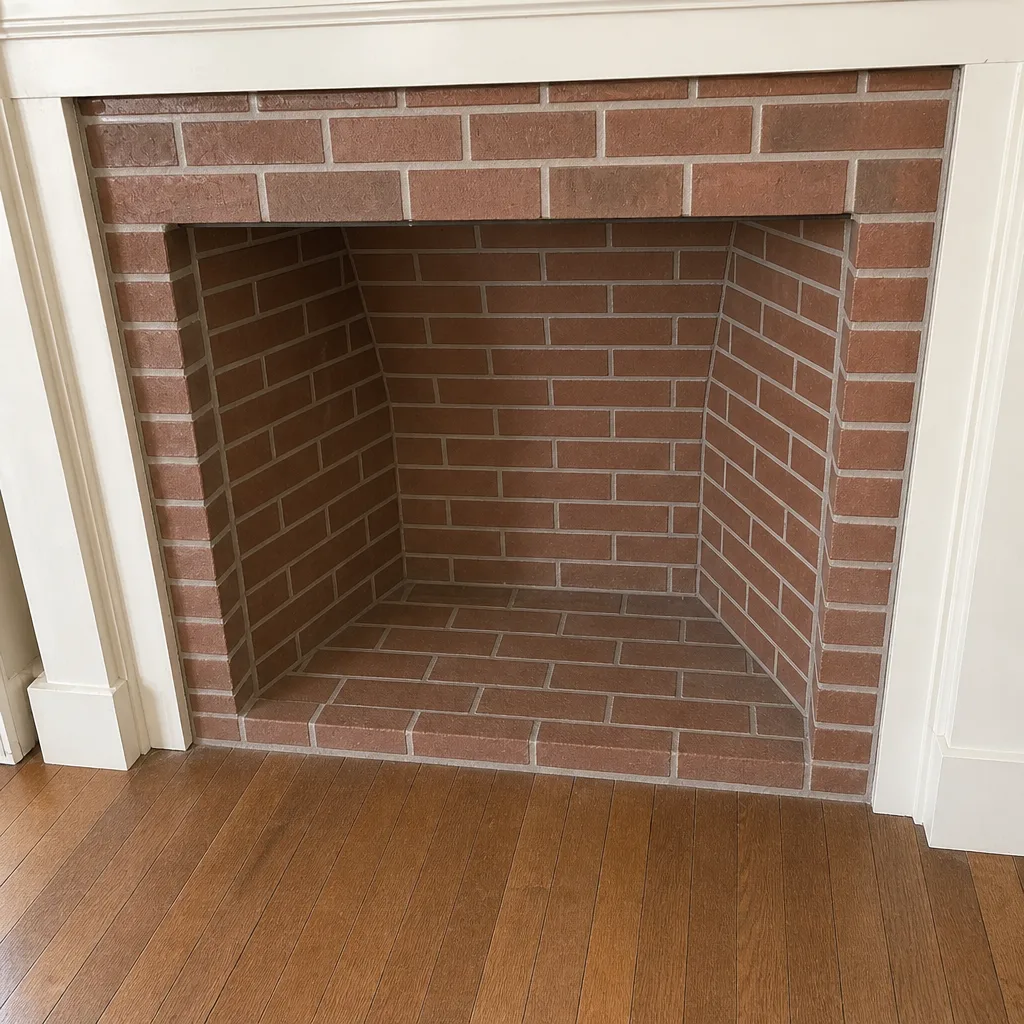
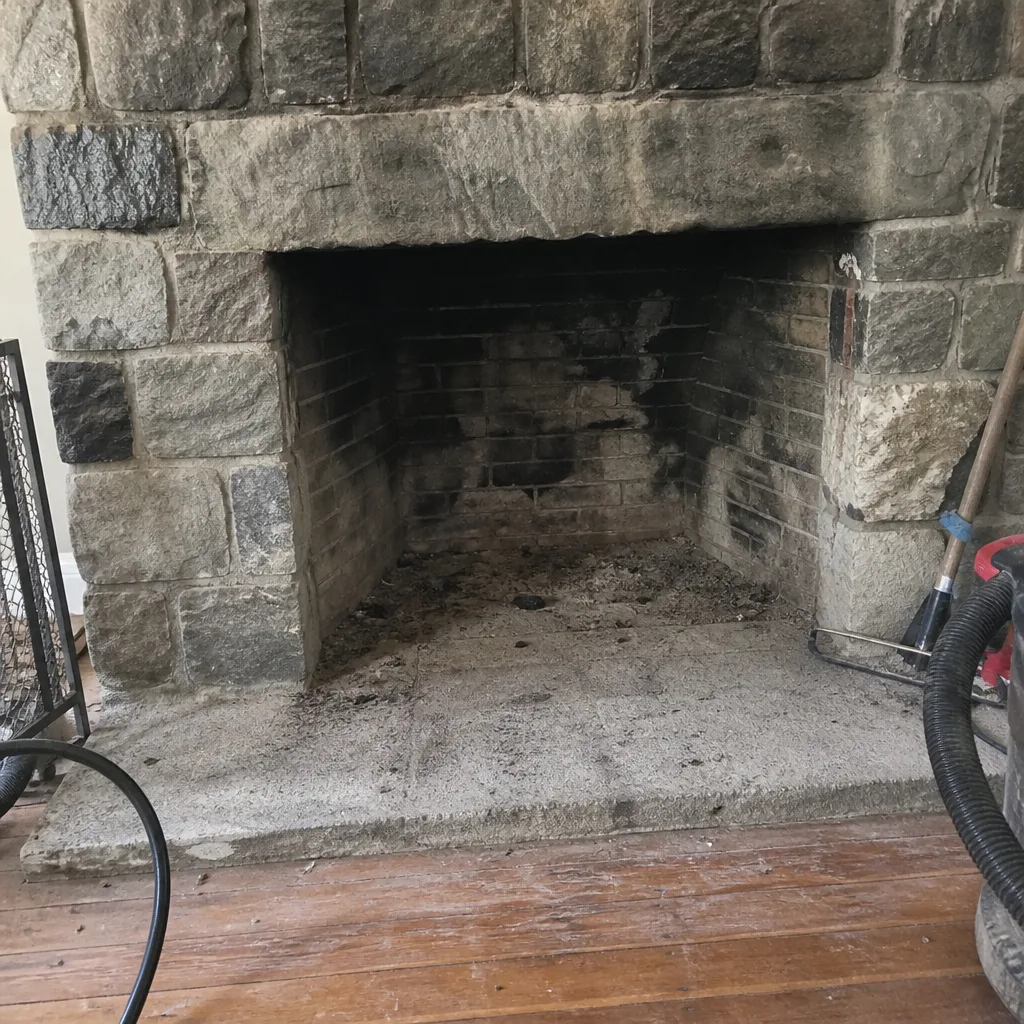
See the difference
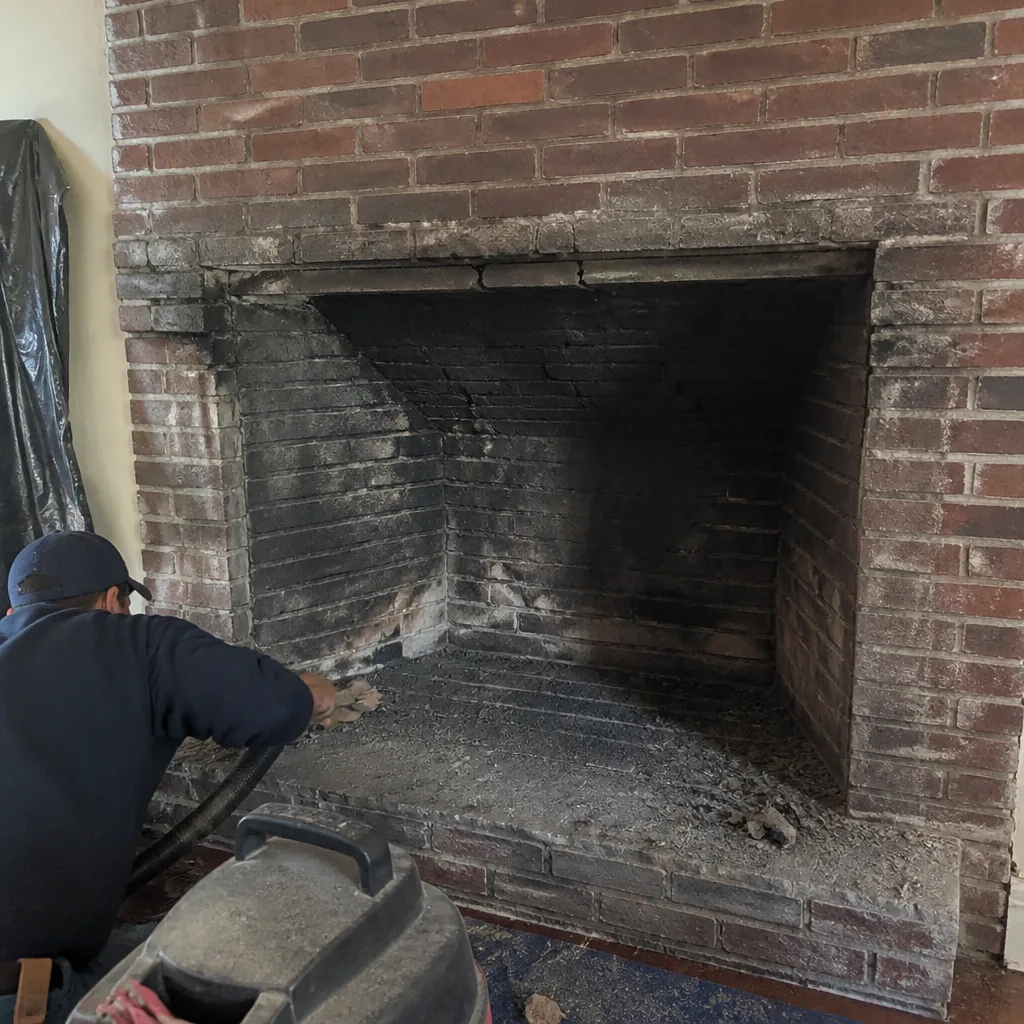 Before
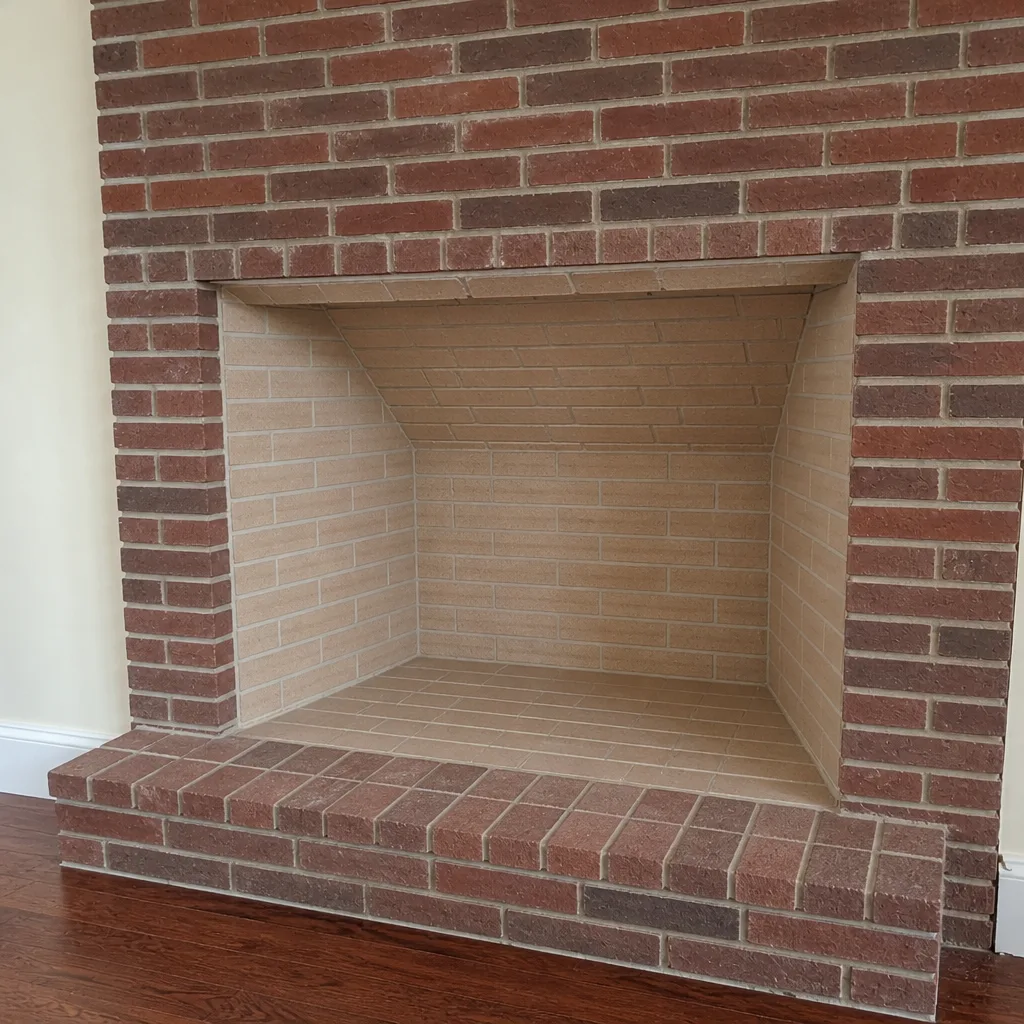 After
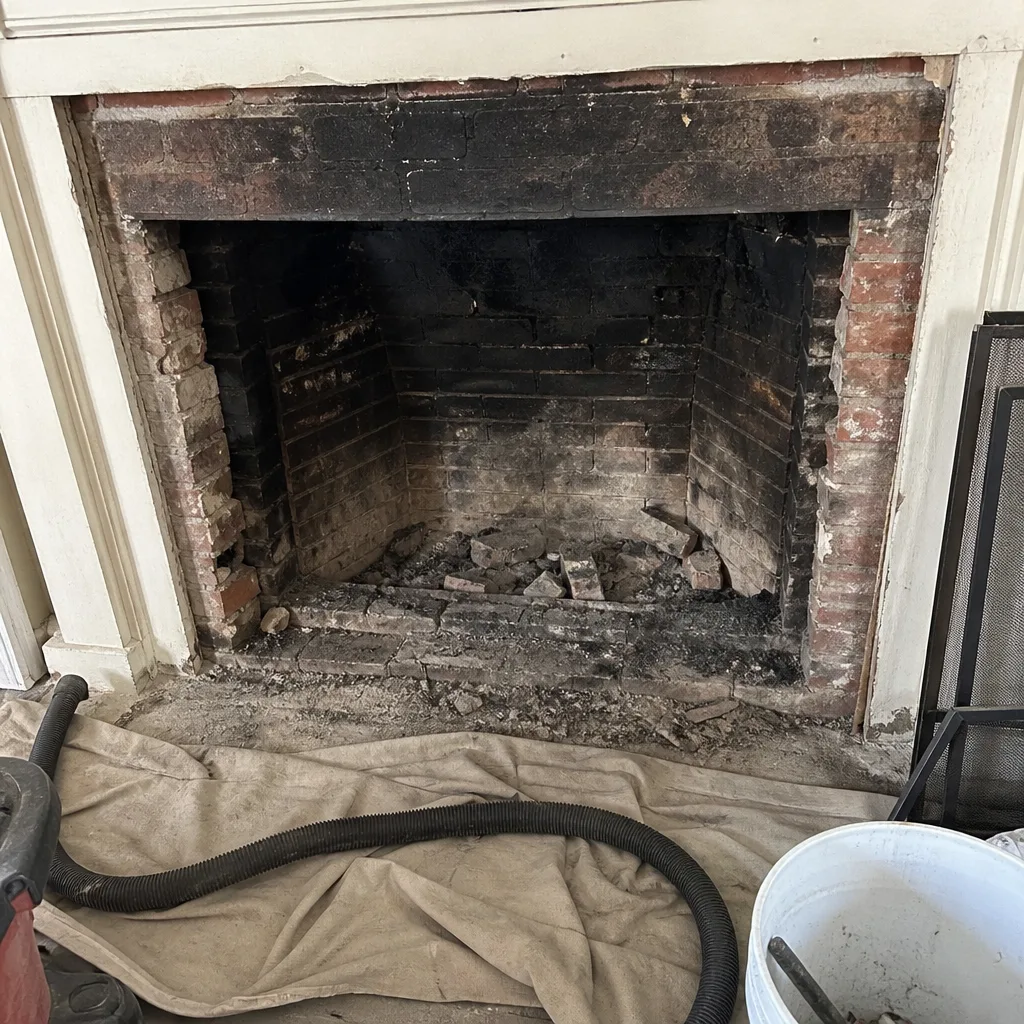 Before
 After
 Before
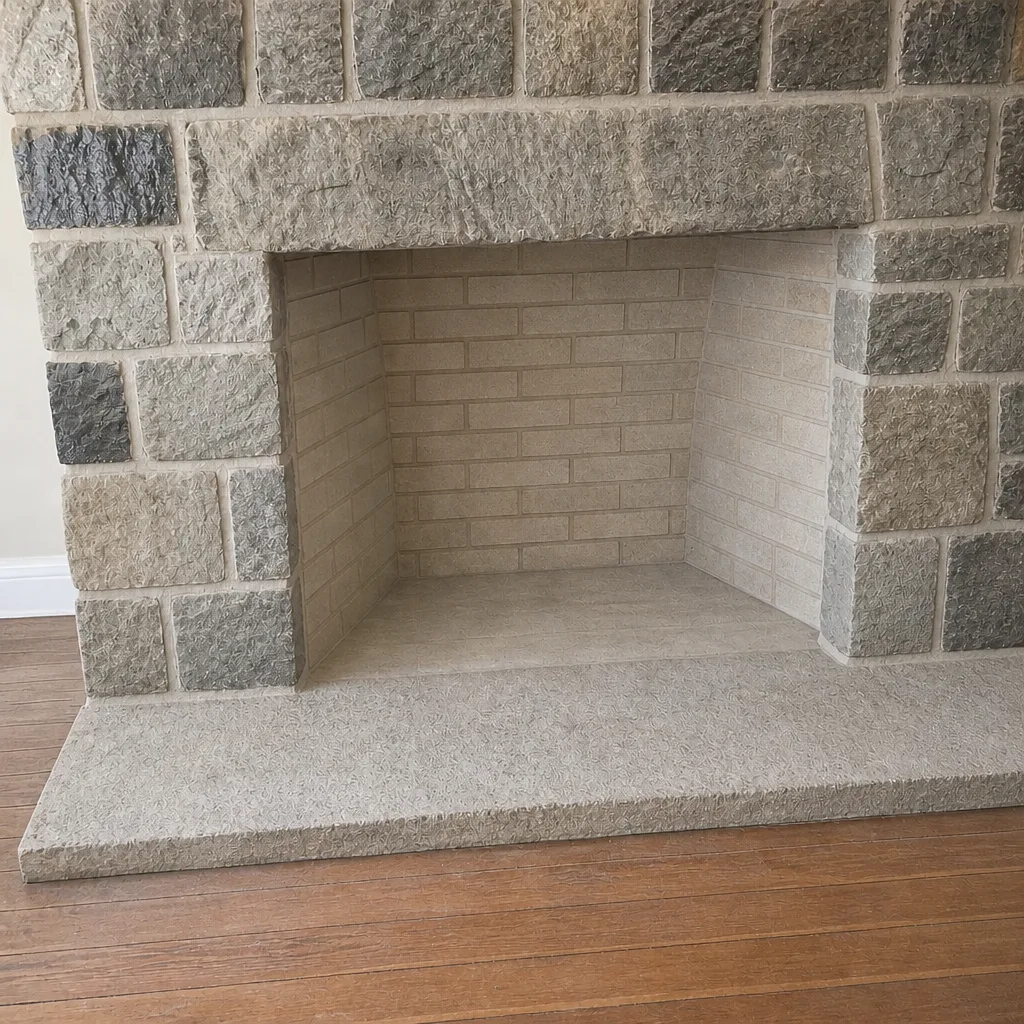 After
Frequently Asked Questions
Chimney sweeping in Lowell is priced per job, and the written estimate you get before booking sets the final price, so there’s no surprise at the end. The cost depends on the flue’s condition, ease of access and whether repairs are needed. Call (888) 450-3059 for an exact quote – estimates are free.
You can safely sweep a chimney yourself only if it recently passed a professional inspection, your flue is straight and accessible, and you burn lightly and use the right equipment. Even then, the cleaning doesn’t replace an annual inspection, because a brush can’t see the flue’s condition. Many Lowell homeowners find the annual inspection is the part they can’t do themselves, which is the whole decision in one sentence.
Yes, because the inspection is what confirms the chimney is safe, and cleaning doesn’t provide that. A Level 1 inspection looks at the flue walls, joints, liner and connections, none of which a brush reports. If it’s been more than a year since a professional looked at your system, book the inspection even if you’ve cleaned the flue. Call (888) 450-3059 to schedule one.
Most wood-burning chimneys need sweeping when about an eighth of an inch or more of deposits has built up, which for many households works out to roughly once a year, though heavy burners need it more often and light burners less. The right interval depends on how you burn and what the inspection finds, so ask for a recommendation during the inspection. Call (888) 450-3059 to book a sweep and get an honest read on your schedule.
Skipping cleaning lets creosote accumulate, and creosote is a leading fuel in chimney fires, while a blocked or damaged flue can push combustion gases back into the home. The risk grows quietly because deposits and cracks aren’t visible from the firebox. If it’s been a while since your last sweep, call (888) 450-3059 and we’ll tell you plainly what condition the chimney is in.
Yes, in a few specific ways: an oversized brush can crack or spall flue tiles, a brush can jam in an offset and damage the liner, and improper dust control can spread soot through the home. These aren’t everyday outcomes, but they’re the reasons a botched DIY clean often ends with a call to a professional mid-project. When in doubt, have the flue assessed first. Call (888) 450-3059 for a free estimate.
The Bottom Line
The DIY versus professional question comes down to what you can see, not how handy you are. A rotary brush cleans a straight, sound, recently inspected flue reasonably well, and if that describes your chimney and you burn lightly, maintaining it between annual inspections is defensible. For most Lowell homeowners, it doesn’t describe their chimney, because older housing stock, common offsets and decades of use mean the important problems are in the flue walls, not the soot. A professional sweep includes the inspection that catches what a brush can’t, and in a multi-unit building or before a sale, that record matters as much as the cleaning. Your flue, honestly assessed, is the whole goal here. If you’re unsure which side of the line you’re on, a free estimate will tell you faster than a kit will.
Call Chimney Sweep Lowell at (888) 450-3059 for a free estimate. We answer 24/7. Fast dispatch from 7am to 7pm, Sunday through Friday.
Written by the team at Chimney Sweep Lowell.