
Last updated November 14, 2026
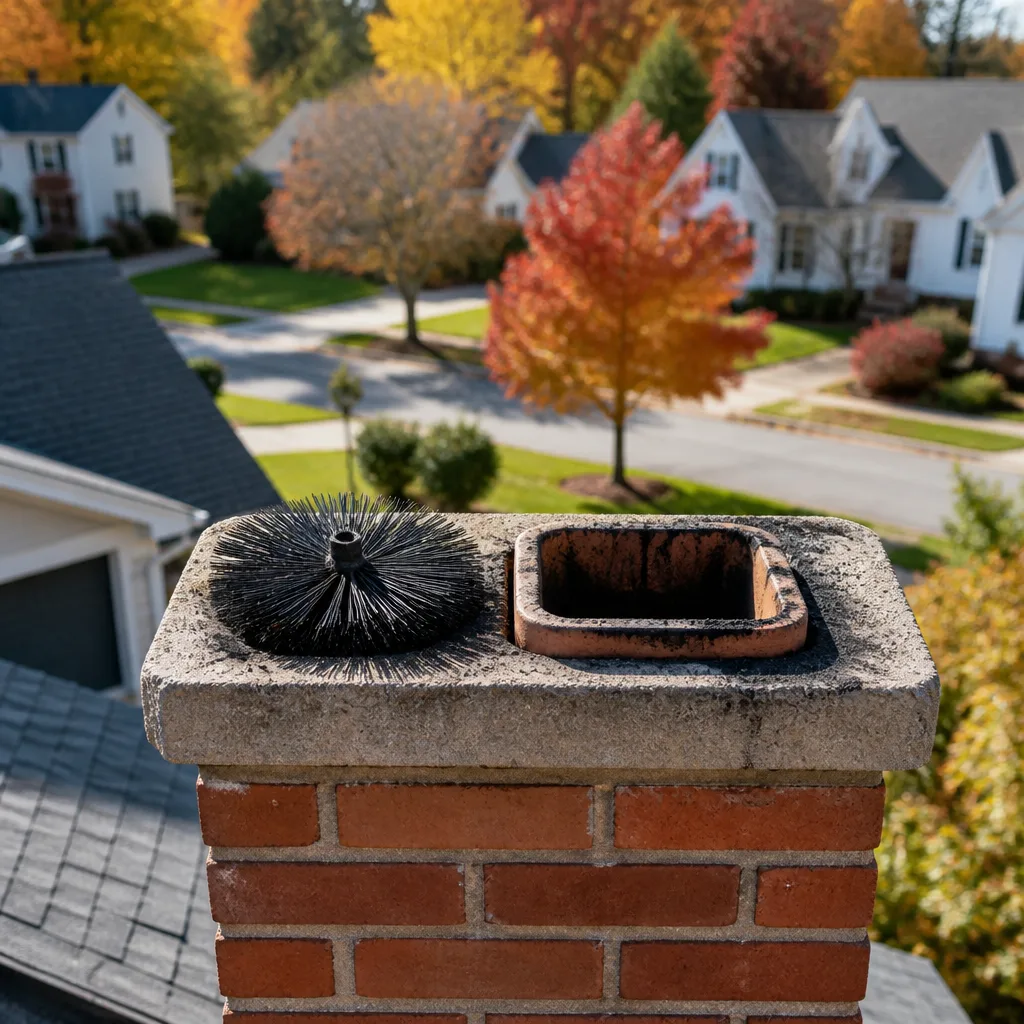 Sweep & inspection
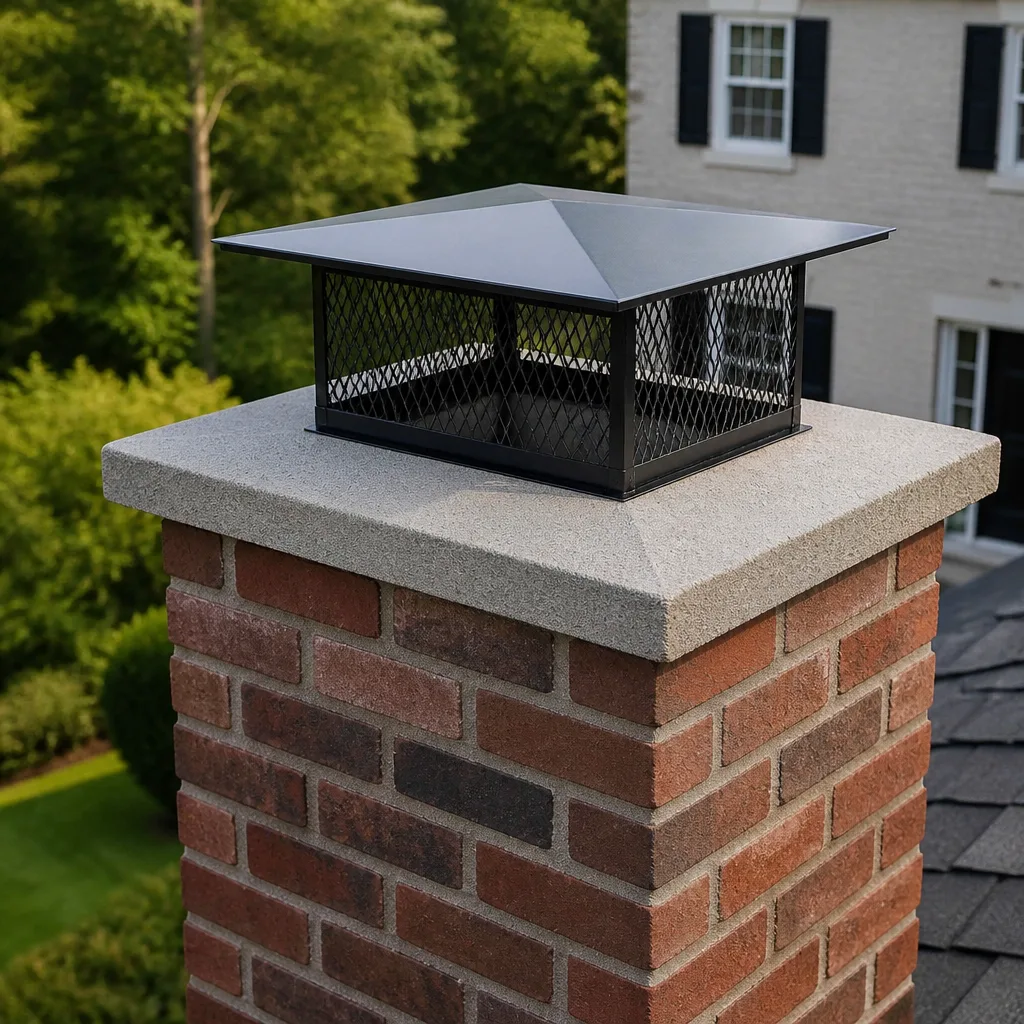 Caps & crowns
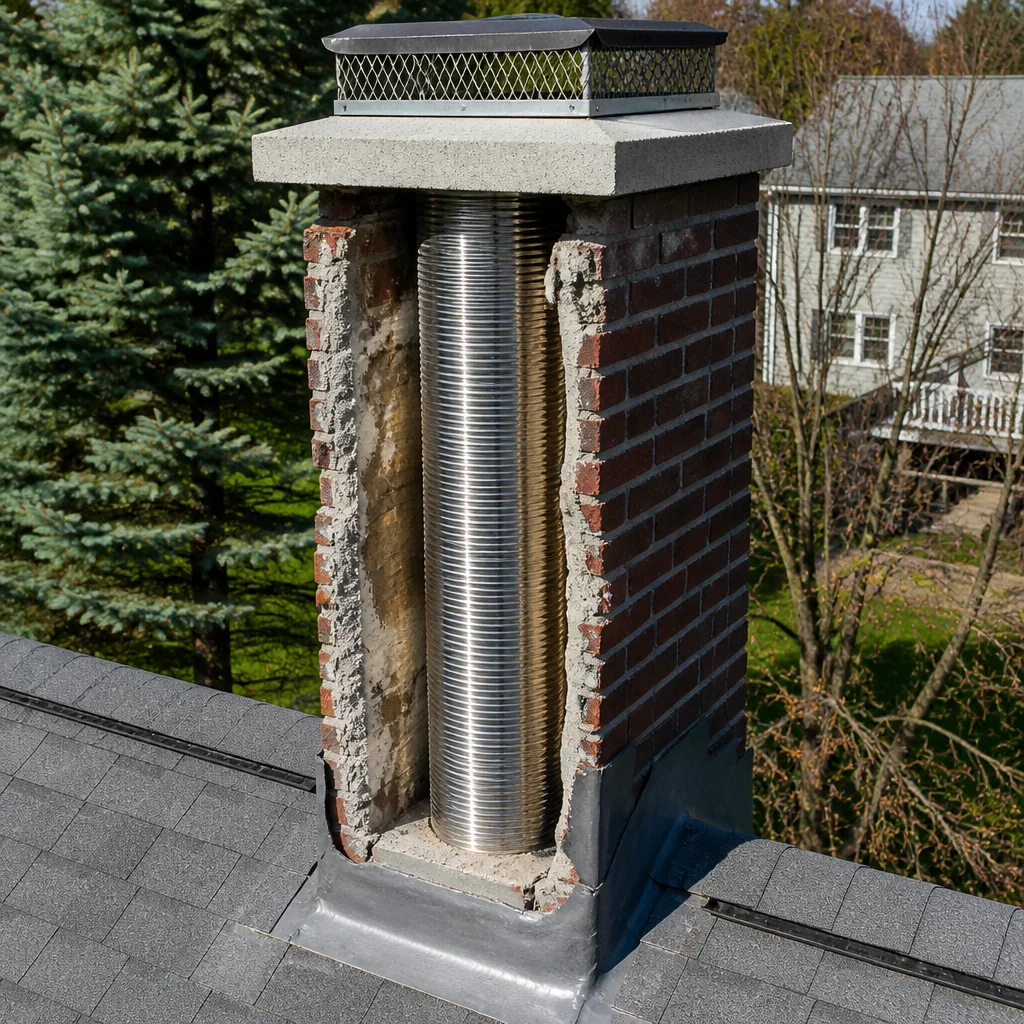 Flue relining
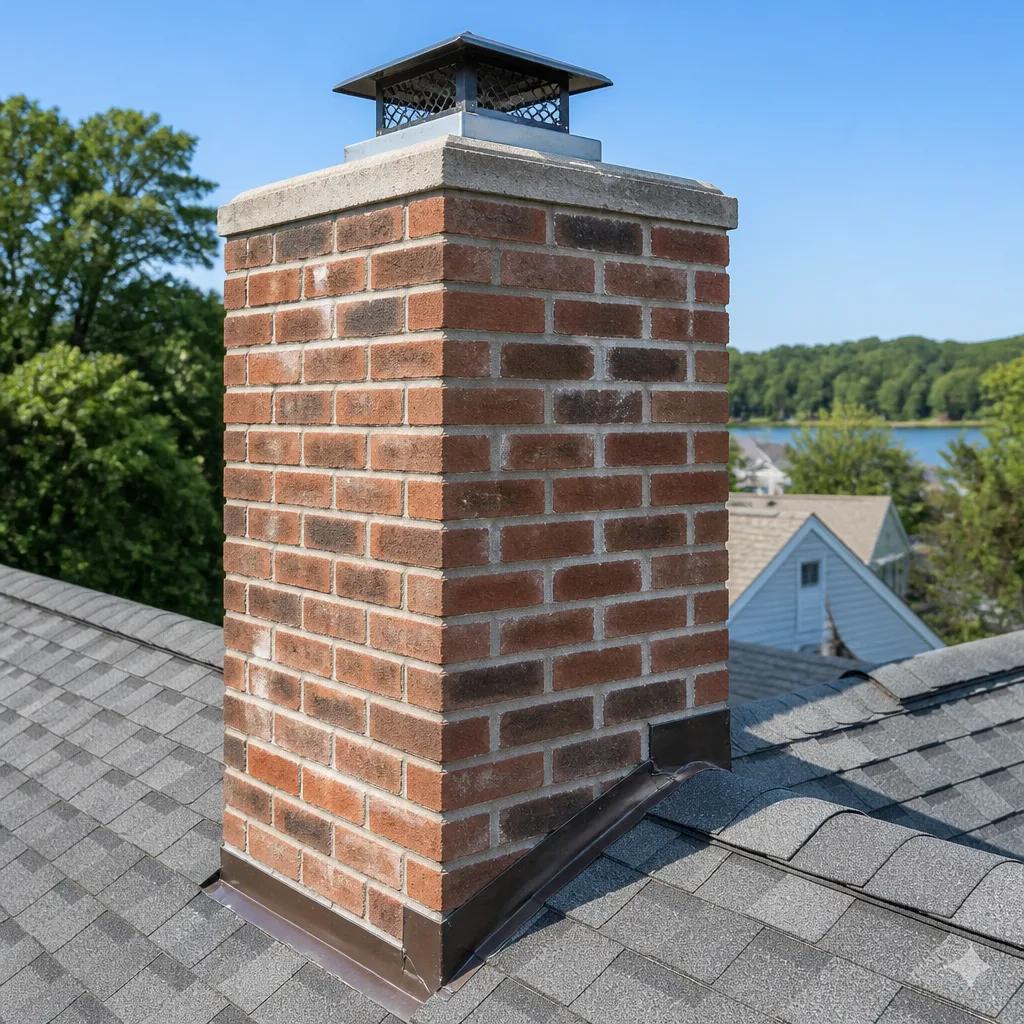 Masonry repair
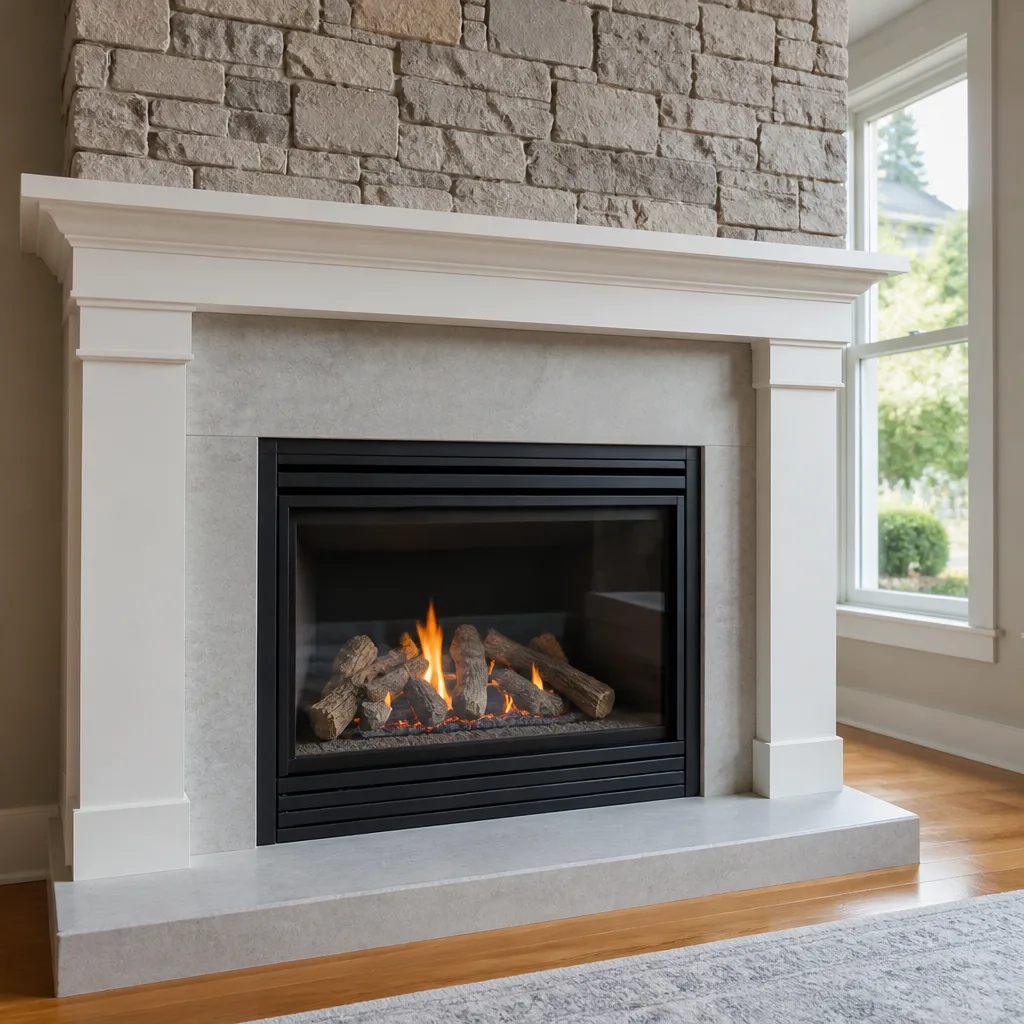 Gas fireplace service
Level 1 sweep and inspection to the NFPA 211 annual standard - flue, crown, cap, and flashing checked and photographed
Chimney sweep logs do not sweep chimneys. They loosen some creosote - which then falls where a brush and vacuum still have to collect it.
Choosing the Right Chimney Cleaning Brand: A Buyer’s Guide for Lowell
Two chimney caps can look identical on the day they’re installed and behave nothing alike after two Lowell winters. One is stamped from thin retail stock with a powder coat that chalks and peels; the other is built to a trade specification with a heavier gauge and a warranty that actually gets honored. Homeowners rarely see the difference until something fails. This guide is about the decisions that happen before a technician hands you a quote: which product categories matter, what “professional-grade” really means, how to read a UL listing, and the questions that separate a specialist from someone guessing. You’ll finish knowing how to judge a chimney cleaning brand and the parts behind it in Lowell.
Quick Answer
The right chimney cleaning brand in Lowell is one that installs professional-grade, UL-listed components from recognized trade suppliers (think DuraFlex, HeatShield, Olympia Chimney and similar), explains why each product was chosen, and stands behind the installation as much as the part. Brand names matter less than three things: the certification on the product, whether the installer is trained on it, and whether the warranty stays valid after the work is done. A sweep-only company that cleans but can’t source or install the right part leaves you hiring twice.
Styles & brands we work with
- Sweep & inspection
- Caps & crowns
- Flue relining
- Masonry repair
- Gas fireplace service
Table of Contents
- Why the Brand Behind the Parts Matters in Lowell
- The Four Product Categories Where Brand Selection Actually Matters
- What “Professional-Grade” Means in Chimney Products
- How to Read UL 1777 and UL 103 Listings (and Why Insurance Cares)
- Questions to Ask a Contractor About the Brand They’re Installing
- Why Product and Installation Are Linked for Warranty Validity
- How to Spot a Technician Who Doesn’t Know the Answer
- The Brands You’ll See on a Professional Quote
Why the Brand Behind the Parts Matters in Lowell
A chimney is a system, and every part of it is chosen by someone. The flue liner, the cap, the damper, the firebox material – each one is a decision, and the brand behind that decision tells you how the part was built and how it will be supported. In a place like Lowell, where older housing stock and cold, wet winters put real stress on chimneys, those decisions show up faster than they would in a milder climate. A flexible liner that handles thermal cycling well and a cap that sheds water properly are not luxuries here; they’re the difference between a chimney that lasts and one that keeps needing attention.
Brand selection also shapes what a technician can even offer you. A sweep-only company cleans and leaves. A specialist who works with a vetted product lineup can move from “we found a problem” to “here’s the part and here’s the fix” without sending you to find a second contractor. That continuity is the practical reason brand knowledge matters: the person diagnosing your chimney should be the person who knows which liner, cap, or damper actually fits it and can source it through a professional channel rather than a hardware-store substitute.
There’s a market reality too. Lowell has a lot of triple-deckers and older homes where the flue configuration is anything but standard – offsets, aged masonry, previous repairs done with whatever was on hand. Those are exactly the jobs where a rigid-liner-only installer has to walk away and a flexible system like DuraFlex becomes the difference between a fix and a dead end. Knowing the brand landscape before you get a quote means you can tell whether the person in front of you has the right tools for your chimney or is about to improvise.
The Four Product Categories Where Brand Selection Actually Matters
Not every part of a chimney is worth agonizing over. Four categories, though, carry most of the performance and safety weight, and they’re where brand choice has real consequences.
1. Flexible liner systems
The liner is the flue’s inner wall – it contains combustion gases and protects the masonry from heat and moisture. Flexible liner systems are what make complex, offset, or aged flues serviceable without demolition. The material gauge, the alloy, and the seam construction vary widely between a trade-supply liner and a thin retail one. A liner is only as good as its installation, but a poorly made liner won’t survive installation well in the first place.
2. Chimney caps
The cap keeps water, animals, and debris out and sparks in. A cap built from heavy-gauge stainless or copper with properly sized mesh will outlast a stamped retail cap by a wide margin. On a Lowell roof taking snow load and freeze-thaw, that durability is not cosmetic.
3. Top-mount dampers
A top-mount damper seals the flue at the top of the chimney, stopping the constant heat loss and downdraft that an open or worn throat damper allows. The mechanism quality matters – a damper that sticks or seals imperfectly is worse than the one it replaced. Brand and build quality here directly affect how well your fireplace holds heat and keeps cold air out.
4. Firebox restoration products
When the firebox or flue has deteriorated but the structure is sound, resurfacing systems restore the surface rather than replacing the whole liner. HeatShield is one such system – a resurfacing product applied to restore a failing flue from the inside. This is a repair option most sweep-only companies simply don’t carry, and its availability changes the quote you’ll receive.
If you want to understand how these fit together in practice, a chimney sweep visit is where the assessment starts. The point of this section is that when a technician recommends a product, you should be able to ask which category it falls into and why that particular product was chosen for your chimney.
What “Professional-Grade” Means in Chimney Products
“Professional-grade” is thrown around loosely, so here’s what it should actually mean when you’re comparing chimney products.
- Material gauge and alloy: Trade-supply liners and caps use specified thickness and grades of stainless or copper. Retail substitutes often use thinner stock that corrodes faster and deforms under heat.
- Listed certifications: Professional products carry third-party listings (more on UL below). A part with no listing is a question mark, not a bargain.
- Documented warranty structures: Trade brands publish warranty terms tied to proper installation. That’s a signal they expect the product to last and that they track how it was installed.
- Supply-channel accountability: Brands sourced through professional distributors come with traceability. Off-brand parts from uncertain channels can’t be supported years later when something fails.
- Installer training and intent: A brand is only “professional-grade” in your chimney if the person installing it knows the product’s limits and requirements.
The contrast is easiest to see in the parts you don’t think about until they fail: caps, dampers, and venting components. When replacement parts come from established supply lines like Famco or Copperfield rather than an unknown substitute, you’re getting components built to chimney industry expectations. That’s the standard to hold a quote to – not “we use good parts,” but “here’s the gauge, here’s the listing, here’s the warranty.”
In our experience, the quote that names its products and explains the choice is almost always the more honest one. The quote that waves at “quality materials” and moves on is asking you to trust a claim it hasn’t earned.
How to Read UL 1777 and UL 103 Listings (and Why Insurance Cares)
Two listings come up constantly in chimney products, and understanding them is one of the most useful things you can do as a homeowner.
UL 1777 – chimney liners
UL 1777 is the safety standard for chimney liners. A liner carrying this listing has been tested to contain flue gases and withstand the temperatures a chimney actually sees. When you’re quoted a flexible liner, ask whether the product is UL 1777 listed. The answer should be an immediate, specific yes – not a shrug.
UL 103 – chimney systems
UL 103 covers factory-built chimney systems and the components that make them up. If your home has a prefabricated chimney rather than masonry, the parts you install need to meet this standard to work as a matched system.
Why this affects your insurance
Insurers increasingly look at whether chimney work was done to recognized standards. An unlisted liner or an improperly installed component is a gap they can point to if something goes wrong. The practical advice: keep the documentation for any liner or chimney component installed in your home, and confirm the listing before the work is done. A reputable installer will hand you the paperwork without being asked twice.
The honest caveat: listings confirm a product was tested to a standard, not that the installation around it is correct. A UL 1777 liner installed with the wrong connections is still a problem. That’s why the next section – product and installation together – is where the real answer lives.
Questions to Ask a Contractor About the Brand They’re Installing
You don’t need to become a chimney expert to judge a contractor. You need a handful of questions whose answers reveal whether they actually understand the products they recommend.
- “Which brand of liner are you proposing, and why that one for my flue?” A real specialist will name the product and connect it to your specific configuration – offsets, age, existing damage.
- “Is it UL 1777 listed, and can you show me?” The answer should be quick and specific. Hesitation is information.
- “What’s the warranty, and what does it require to stay valid?” Professional products tie coverage to proper installation. The good answer explains the conditions.
- “Who installs it, and are they trained on this product?” The installer’s familiarity is as important as the brand.
- “Are there repair options short of full replacement?” For a deteriorating flue, a resurfacing system like HeatShield may restore the liner without replacement. An honest technician will tell you when that’s possible and when it isn’t.
- “Would you put this in your own chimney?” A blunt question that tends to produce a blunt answer.
Write the answers down. When you compare two quotes, the one that named its products, showed the listings, and explained the warranty is the one to weigh against the cheaper one. The cheaper quote may simply be quoting cheaper parts – and now you’ll know that’s what’s happening.
Why Product and Installation Are Linked for Warranty Validity
Here’s the part most homeowners miss: the warranty on a professional-grade chimney product usually depends on who installed it and how. Manufacturers know that a good liner installed badly will fail early, so their coverage terms require installation to specific standards. That’s not a technicality to grumble about – it’s the manufacturer protecting the reputation of a product it expects to last.
The practical consequence for you is that the brand and the installer are a package. A premium liner installed by someone untrained can void the warranty you paid for. A budget part installed well may still be limited by the part itself. You want both sides of that equation working: a listed product, installed by someone trained on it, documented so the warranty is real.
This is also why it’s worth asking whether the company that sweeps your chimney is the same one that installs the parts. A single specialist spanning sweep, inspection, and repair eliminates the gap where the person who found the problem isn’t the person who can fix it. When Chimney Sweep Lowell works on a chimney, the sweep, the diagnosis, and the repair come from the same team, and the products – DuraFlex, HeatShield, Olympia Chimney, and others from the professional lineup – are ones the team actually installs and supports. That continuity is what keeps a warranty meaningful rather than a piece of paper.
How to Spot a Technician Who Doesn’t Know the Answer
Knowing which products exist is one thing; spotting someone who’s guessing is another. A few patterns give it away.
- Vague product names. “A good liner” without a brand, listing, or gauge is a red flag. Specificity signals expertise.
- No documentation. A contractor who can’t produce a listing or warranty terms on the spot either doesn’t have them or doesn’t think they matter. Both are problems.
- Pressure instead of explanation. Urgency with no evidence – no camera footage, no photos of the actual problem – usually means the recommendation isn’t grounded.
- Can’t explain the trade-offs. Every repair has a cheap option and a durable one. A real specialist describes both honestly, including when work can safely wait.
- No repair capability. If every visit ends in “you need a full replacement,” ask whether resurfacing or targeted repair is an option. A sweep-only company may simply lack the products to do anything else.
- Off-brand parts. When replacement components come from an unknown source instead of an established supply line, you can’t verify or support them later.
The overarching test: does the technician show you the evidence behind the recommendation and let you see it, or just describe it? You should never be asked to approve thousands of dollars of liner work you have no way to verify. Ask for the camera footage or the photos. A confident specialist hands them over.
The Brands You’ll See on a Professional Quote
As a buyer’s guide, this section is here so the names on a quote stop being mysteries. It’s a starting point for your questions, not an endorsement of any single brand.
- DuraFlex – flexible liner systems. Their value in Lowell is handling complex, offset, or aged flue configurations that rigid-liner-only installers have to turn down.
- HeatShield – a liner resurfacing system that restores a deteriorating flue without a full liner replacement. This is the repair option to ask about specifically.
- Olympia Chimney – a professional brand in the liner and venting space, common on trade-supply quotes for chimney systems.
- Gelco – another name you’ll encounter in professional chimney supply channels.
- Famco and Copperfield – sources for replacement caps, dampers, and venting components built to chimney industry standards rather than retail substitutes.
What ties these together is that they come through professional supply channels, not the hardware store. When you see these names, the right move is to ask why that product was chosen for your chimney and what listing and warranty it carries. A number of these work across the system – a flexible liner and a matching cap from a vetted supply line are built to work together. Our own work draws on this lineup, and part of the point of the guide is that you can now ask any chimney professional in Lowell – us included – the same questions and expect clear answers.
If you also have a dryer that hasn’t been checked, it’s worth knowing that the same professional product and venting knowledge applies there. A separate appointment for dryer vent cleaning is a common experience – but one trusted specialist covering both your chimney and your dryer vent means one visit and one set of honest answers about every exhaust path in the house.
Common Mistakes to Avoid
- Choosing on price alone. The low bid so often reflects cheaper parts or missing certifications. Compare what’s actually in the quote, not just the total at the bottom.
- Not asking which brand is being installed. If you don’t know the product, you can’t check its listing or warranty. The brand is a decision being made for you – get it in writing.
- Assuming a UL listing covers the installation. A listed liner installed wrong is still a problem. Ask who’s installing it and whether they’re trained on it.
- Buying off-brand replacement parts. A cheap cap or damper from an unknown source can’t be supported later and may not fit or seal properly. Source replacement components through a professional channel.
- Skipping the documentation. Keep the listing and warranty paperwork for any liner or component installed. It matters at resale and if you ever file an insurance claim.
- Letting a sweep-only company end the conversation. If they find a problem and can’t fix it, you’re hiring twice. Ask up front whether the same team can do the repair.
- Approving big work without seeing the evidence. You should be shown photos or camera footage of the actual problem before approving liner or masonry work. If you can’t verify it, slow down and ask.
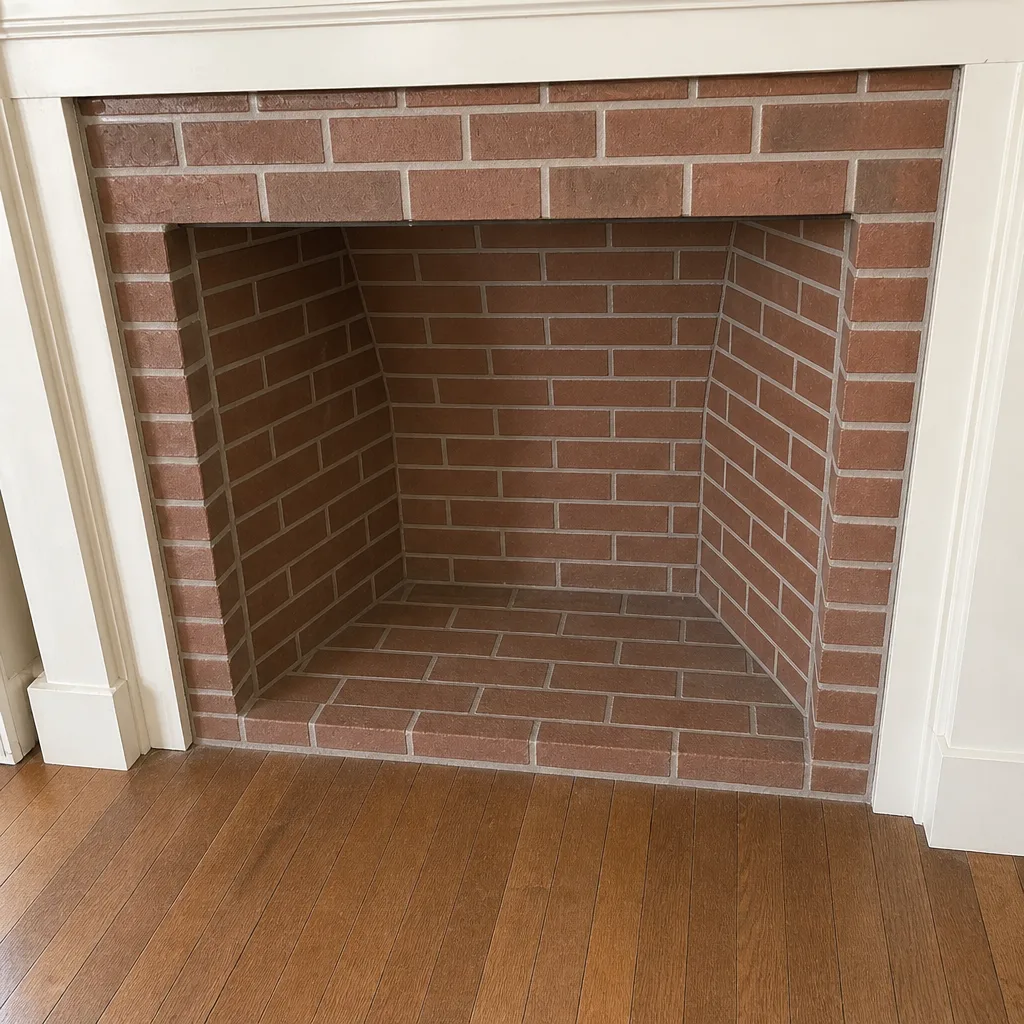
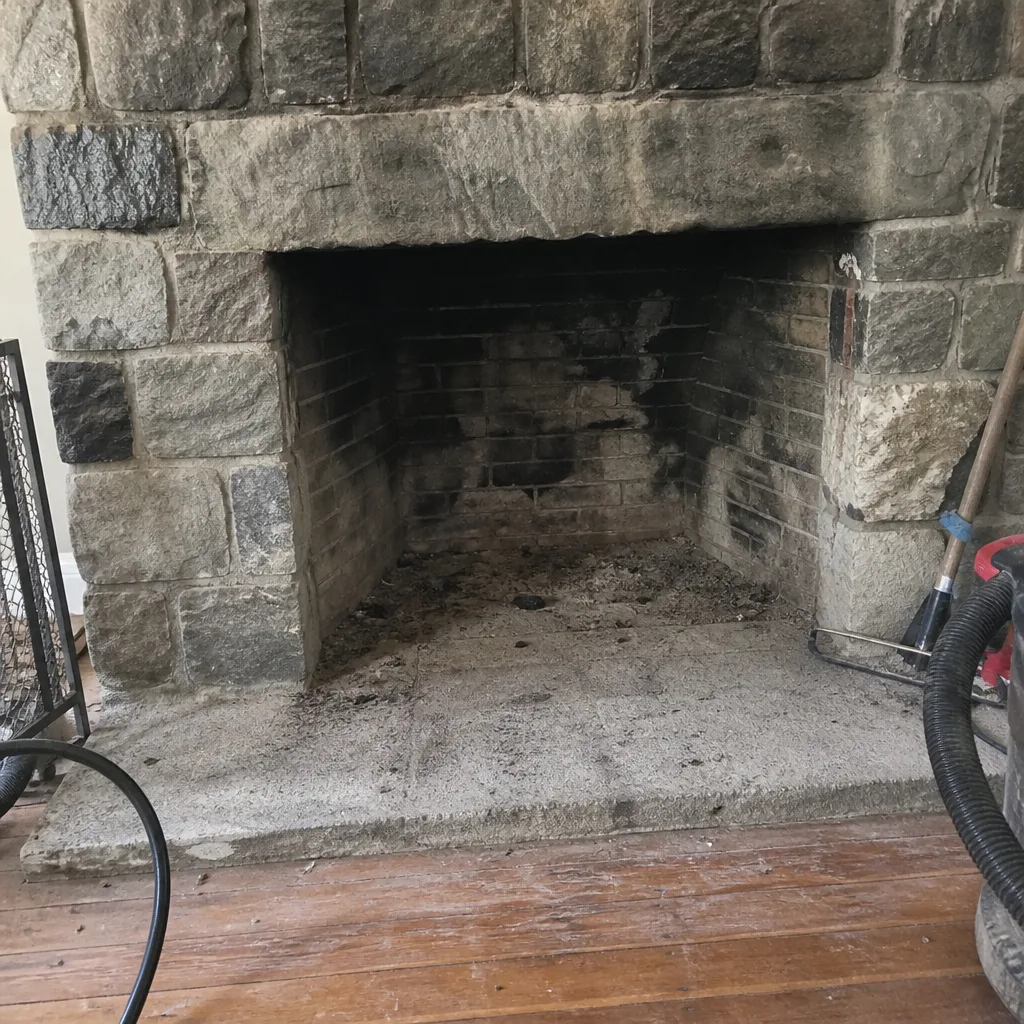
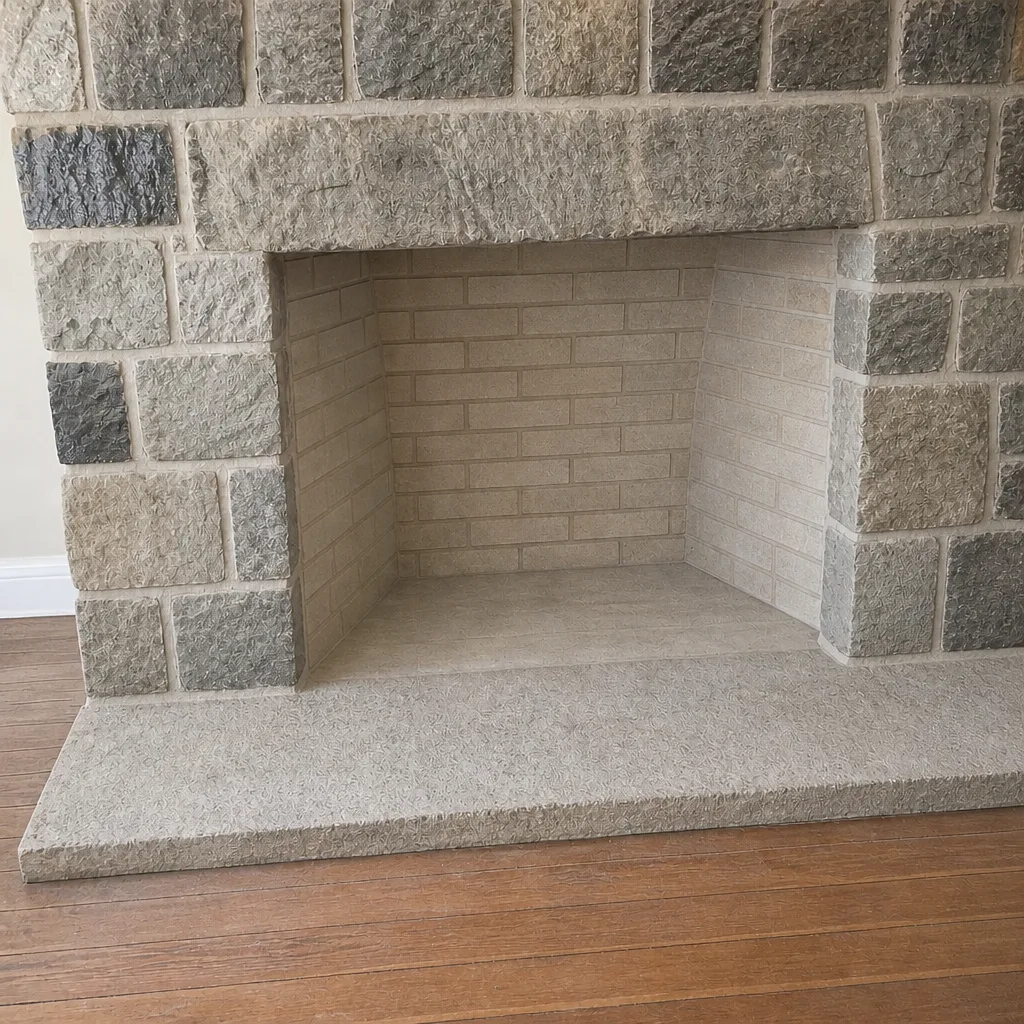
See the difference
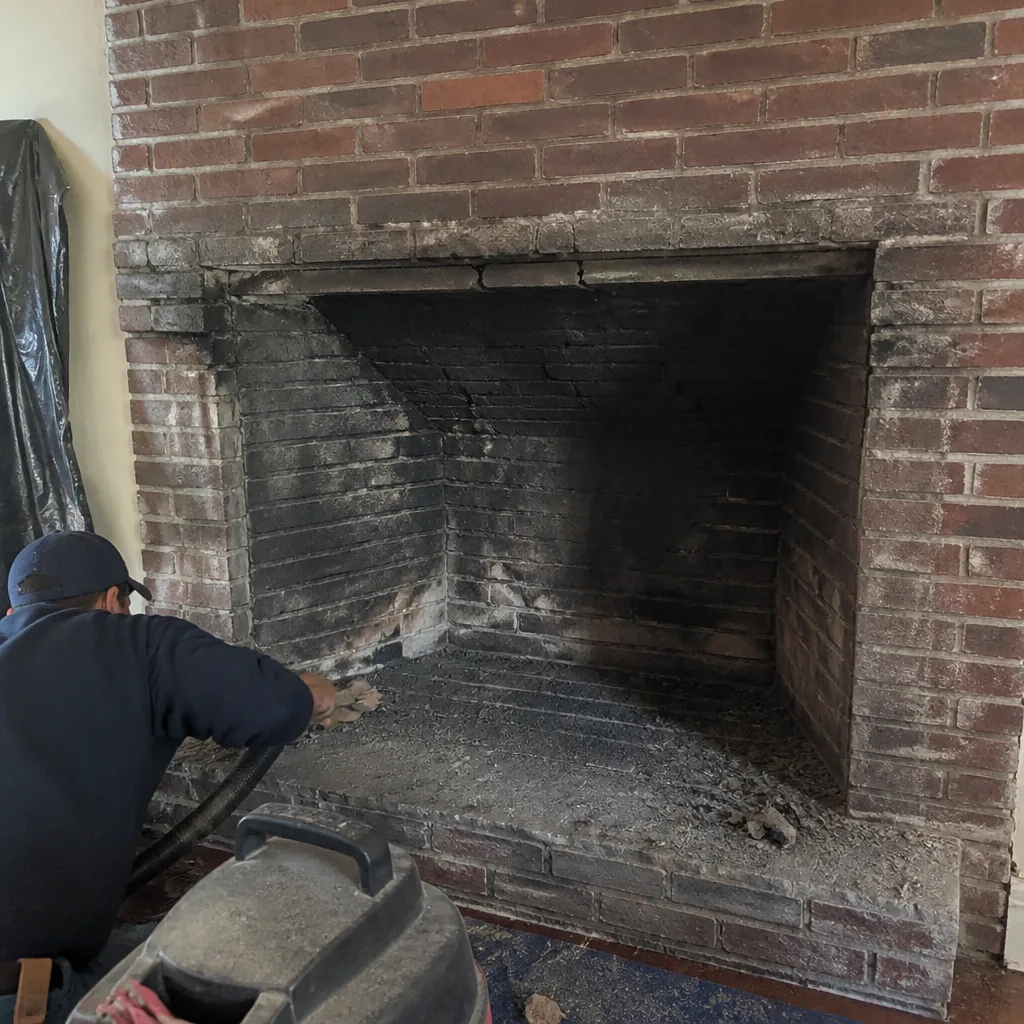 Before
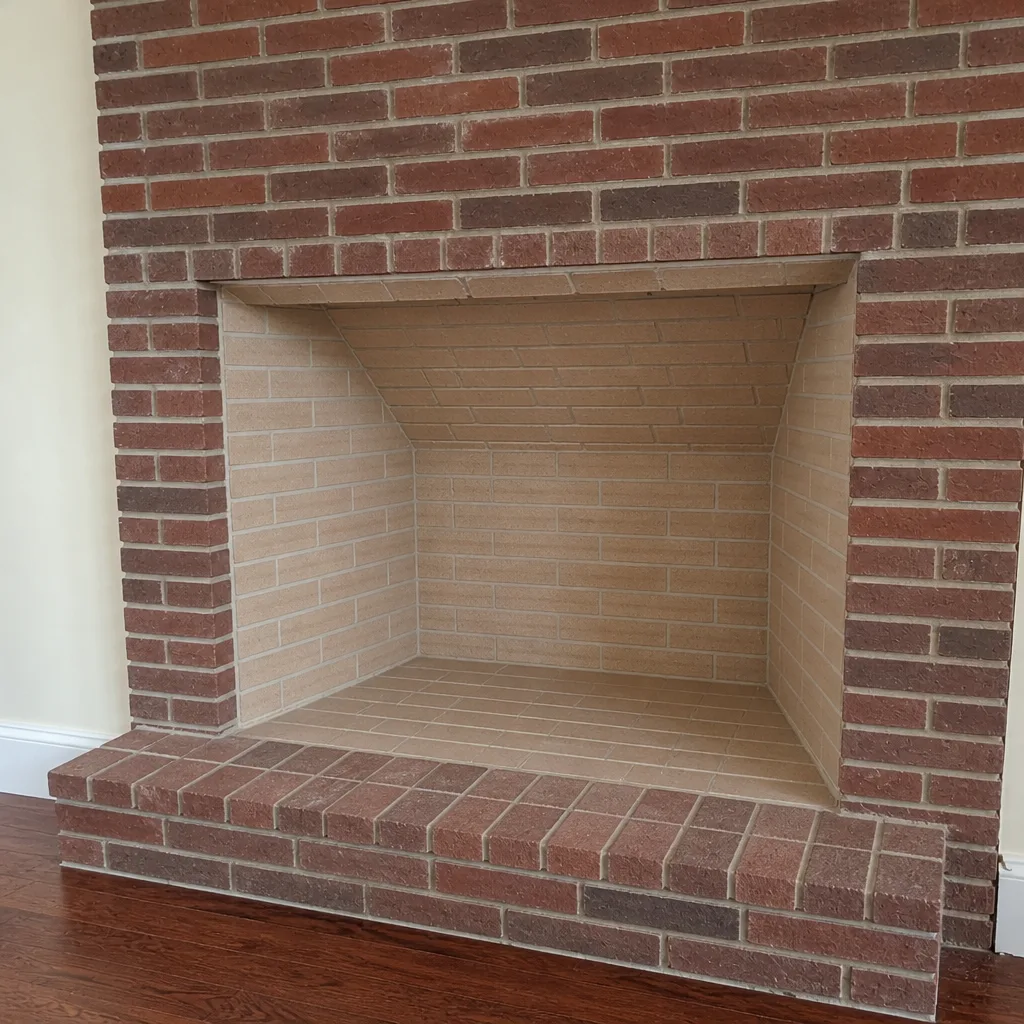 After
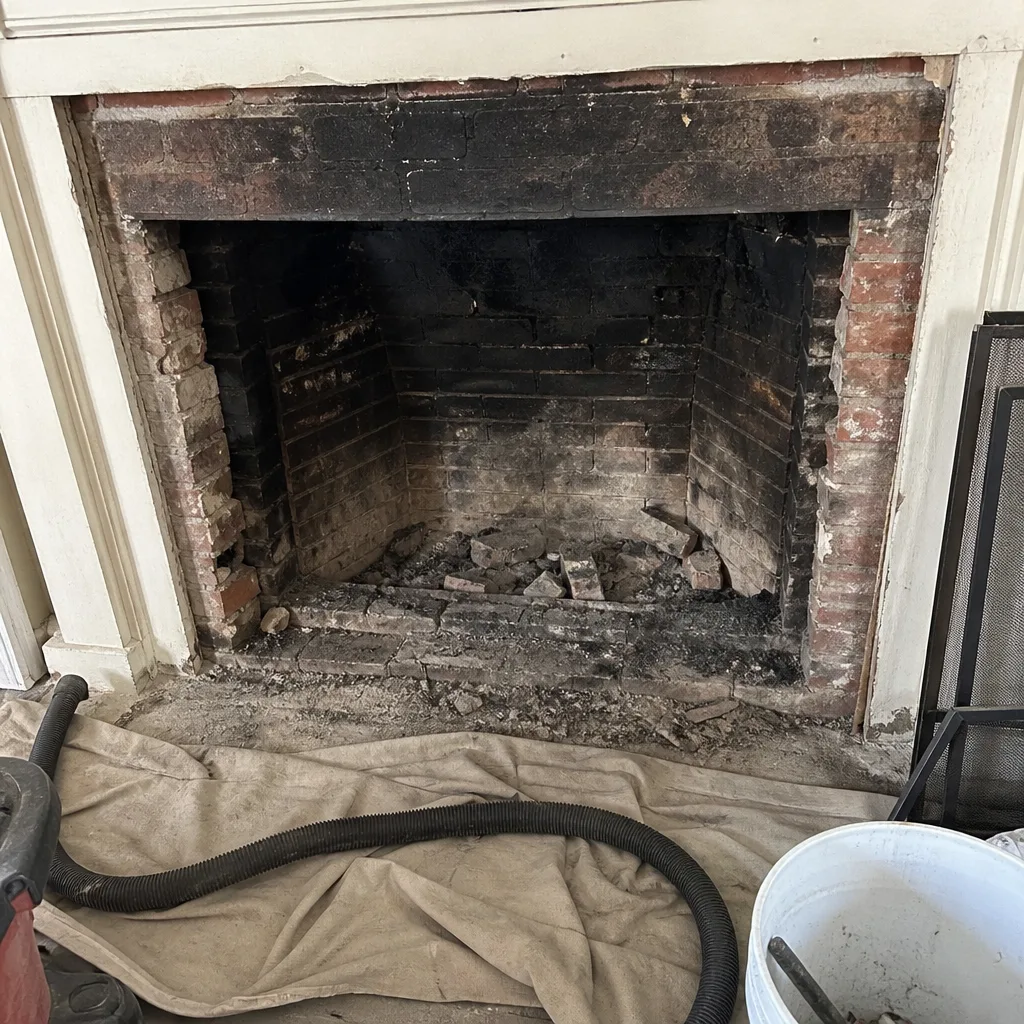 Before
 After
 Before
 After
When to Call a Professional
Some decisions in this guide are judgment calls, but a few situations warrant a call to a specialist rather than a delay. You’ve had a chimney fire, even a small one – get the system inspected before using the fireplace again. You smell smoke indoors when the fire is burning or you notice staining on the masonry. You have a gas appliance and no fully operational carbon monoxide alarm, or the alarm has sounded. Your dryer is taking longer and longer to dry a load. You’re preparing to sell or buy a home and need a documented inspection. Or you simply can’t remember the last time the flue was looked at, which is the most common reason of all. Gas lines, electrical components, and the heights involved in roof-level work are all jobs for a trained professional – these aren’t areas for a homeowner to troubleshoot from a ladder. Chimney Sweep Lowell offers free estimates in Lowell – call (888) 450-3059. We answer 24/7, with fast dispatch from 7am to 7pm, Sunday through Friday.
Frequently Asked Questions
The best choice is a company that installs professional-grade, UL-listed products from recognized trade suppliers and can explain why each part was chosen for your specific flue. Brand names like DuraFlex, HeatShield, and Olympia Chimney are useful signals, but the deeper test is whether the installer is trained on the product and whether the warranty survives the installation. Judge the whole package, not just the label. Call (888) 450-3059 for a free estimate – we’re happy to walk through product options.
They’re not the same. Flexible liners vary in material gauge, alloy, and seam construction, and a UL 1777 listed trade-supply liner is built to a different standard than a thin retail substitute. In Lowell’s older, offset flues, the liner’s flexibility and durability matter even more, because the installation is more demanding. Ask for the brand, the listing, and the warranty before you approve the work. For an exact quote on your liner, call (888) 450-3059.
UL 1777 is the safety standard for chimney liners – a liner carrying that listing has been tested to contain flue gases and withstand chimney temperatures. It matters because an unlisted liner leaves a gap your insurer can point to if something goes wrong. Ask to see the listing documentation before the work is done. Call (888) 450-3059 to talk through what your chimney needs.
Often, yes. Liner resurfacing systems like HeatShield can restore a failing flue from the inside when the structure is sound, which avoids the cost and disruption of full replacement. Whether it’s an option depends on the condition of your specific flue, so it needs to be assessed. Ask directly whether resurfacing is possible before approving a replacement. Call (888) 450-3059 to schedule an assessment.
A general handyman can clean a flue but usually can’t source, list, or install professional-grade components, and often can’t do the repair once a problem is found. A chimney specialist works with the product lineup, reads the listings, and handles sweep, inspection, and repair in one visit. That continuity is the difference between finding a problem and fixing it. Call (888) 450-3059 to book a specialist.
You can end up paying for liner or masonry work you had no way to verify. Ask for camera footage or photos of the actual problem before you approve anything, and ask whether the work can safely wait. Nothing should be recommended without evidence you can see for yourself. Call (888) 450-3059 for an honest assessment with photos included.
The Bottom Line
The brand behind your chimney parts is a decision, and it’s yours to check. Professional-grade means more than a name: it’s material gauge, third-party listings like UL 1777 and UL 103, and a warranty tied to proper installation. Ask which product is being installed and why, ask to see the listing, and ask about repair options like resurfacing before approving a full replacement. A company that carries the right products and does the repair itself – not just the sweep – keeps your warranty valid and your options open. In Lowell, that’s the standard to hold a quote to. Call (888) 450-3059 for a free estimate. We answer 24/7. Fast dispatch from 7am to 7pm, Sunday through Friday.
Written by the team at Chimney Sweep Lowell.