
Last updated November 14, 2026
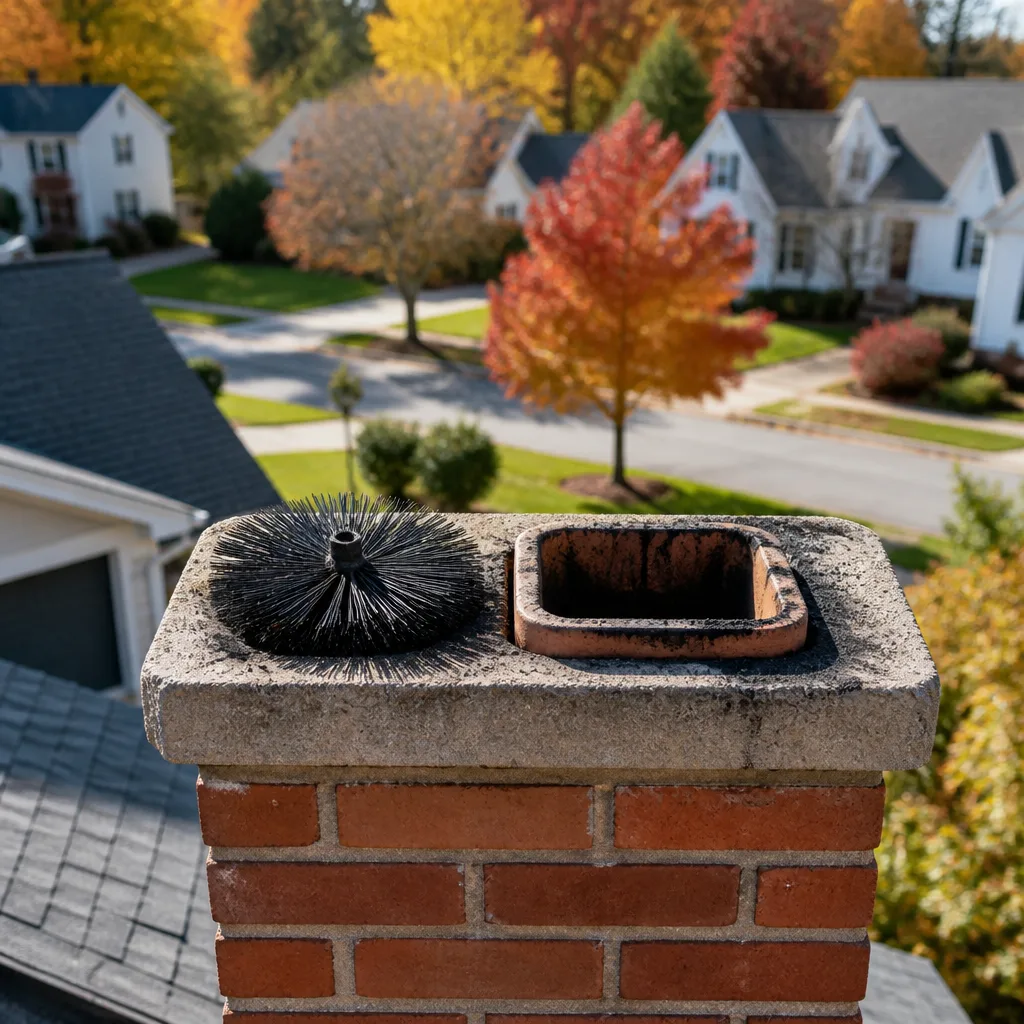 Sweep & inspection
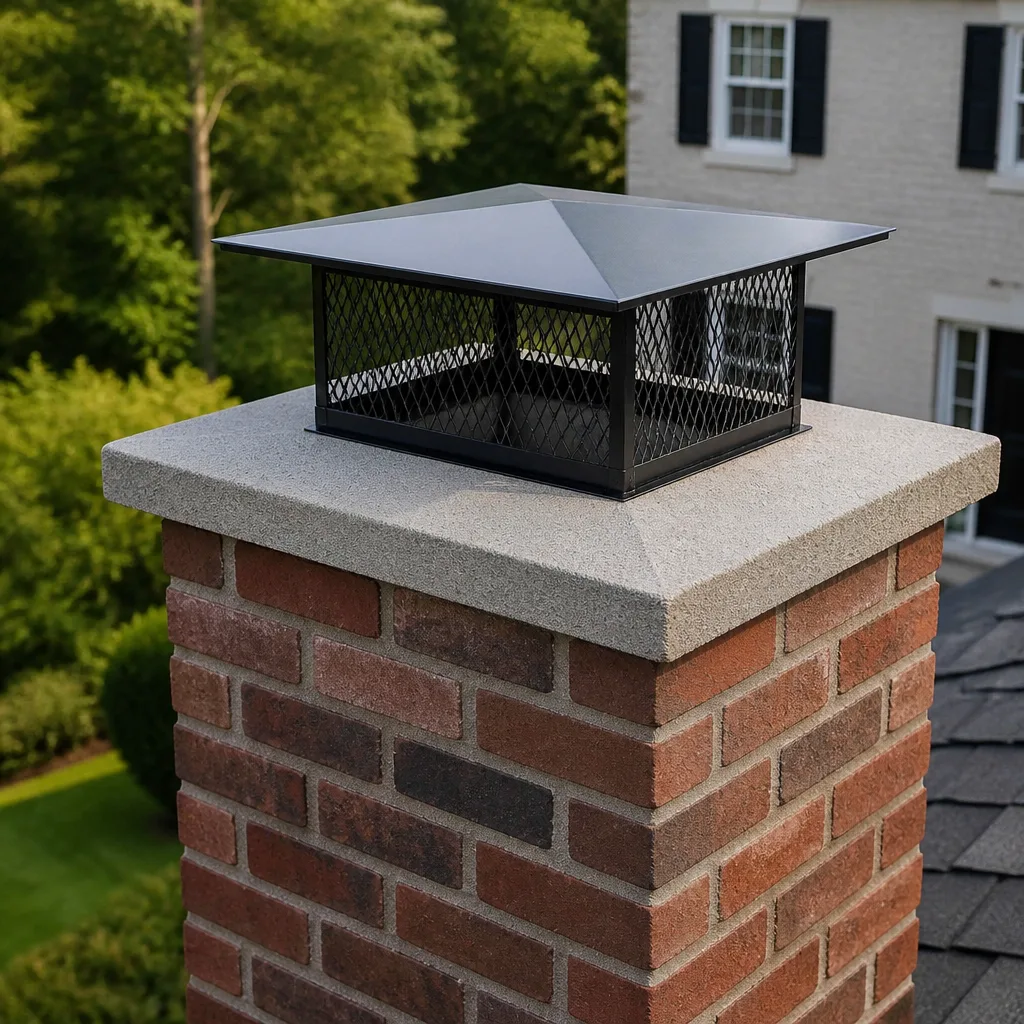 Caps & crowns
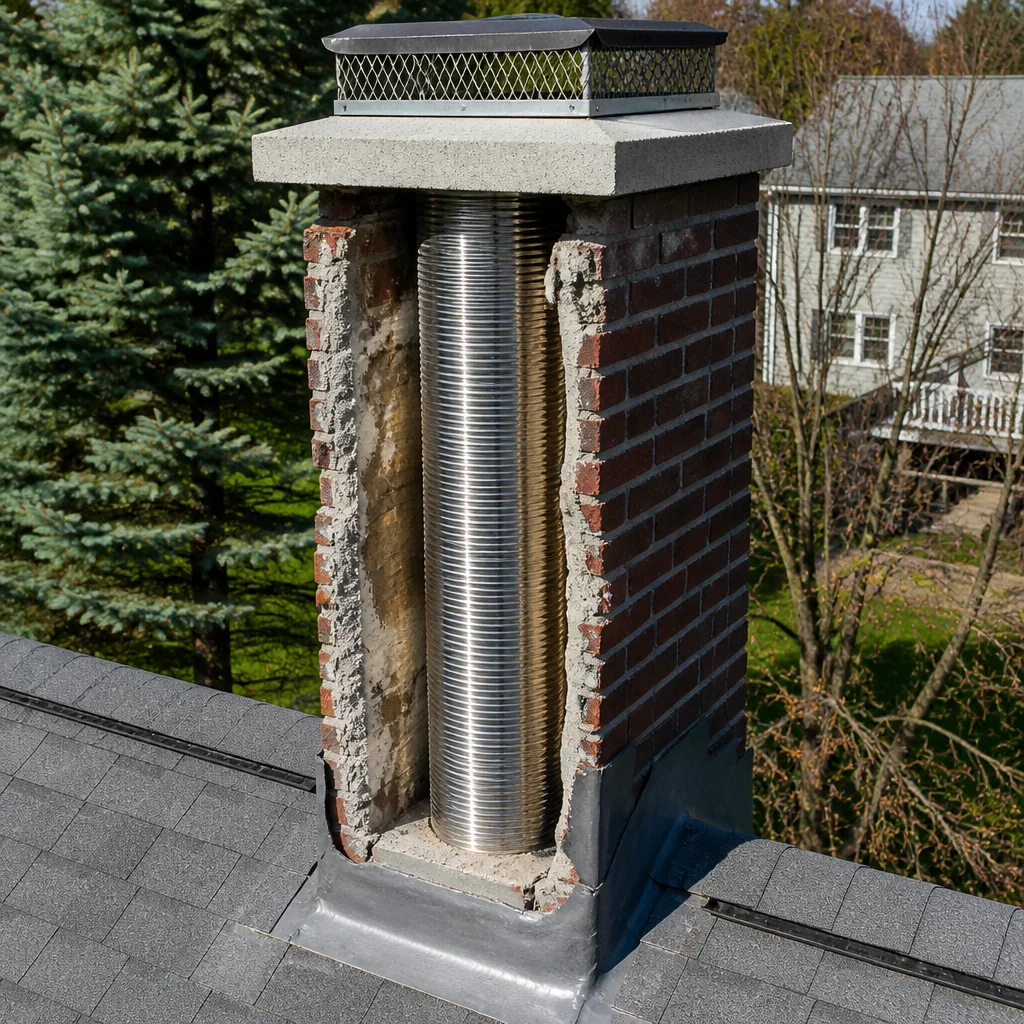 Flue relining
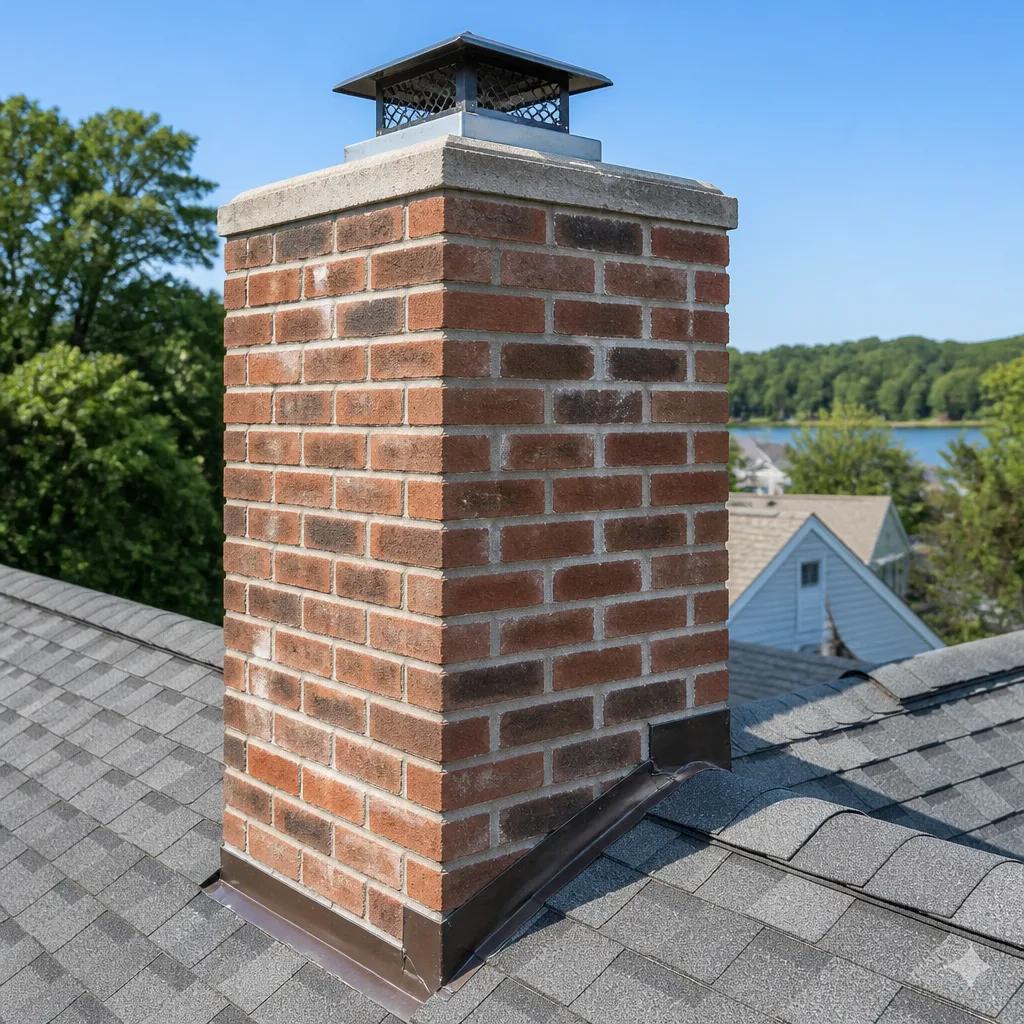 Masonry repair
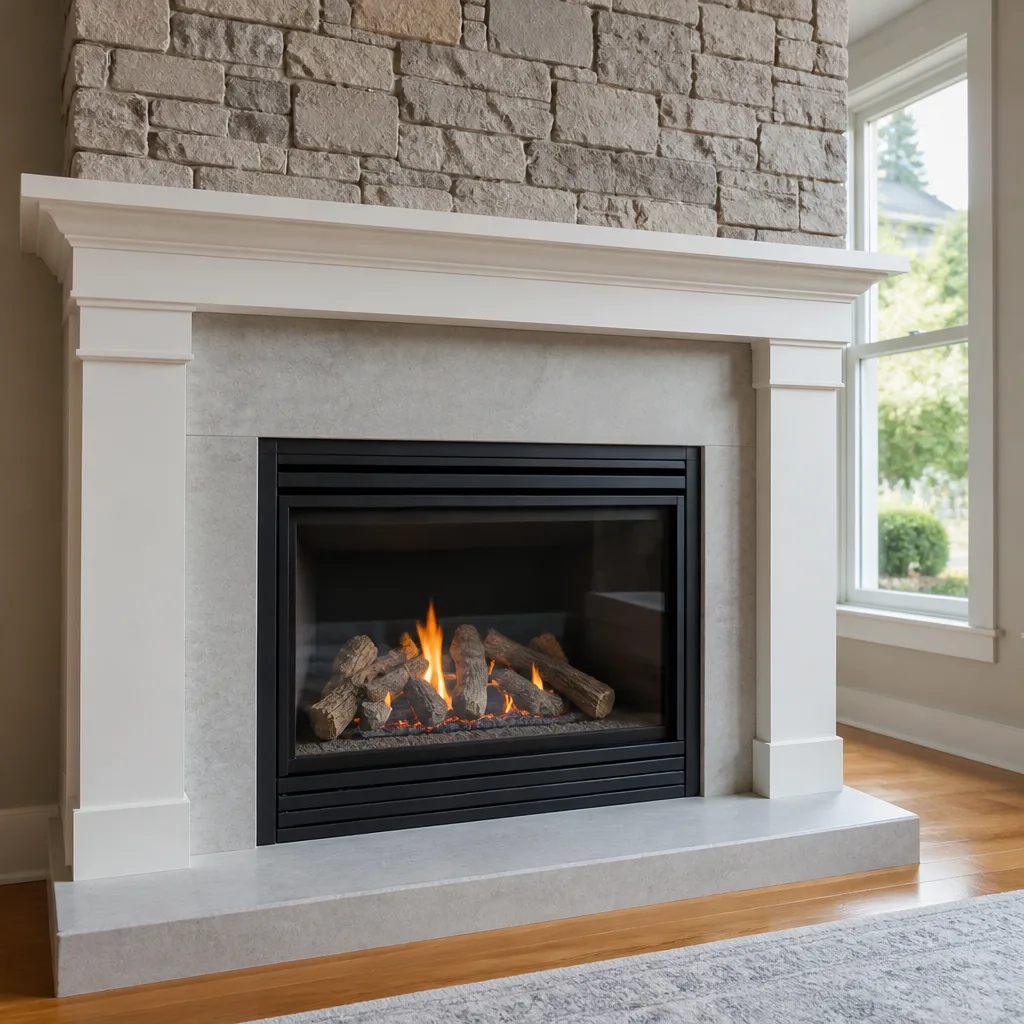 Gas fireplace service
Level 1 sweep and inspection to the NFPA 211 annual standard - flue, crown, cap, and flashing checked and photographed
Chimney sweep logs do not sweep chimneys. They loosen some creosote - which then falls where a brush and vacuum still have to collect it.
Chimney Sweep Troubleshooting in Lowell: Common Problems and How to Fix Them
If your fireplace smokes into the room every time wind picks up from the northeast, that’s not bad luck. It’s a pressure differential problem with a known fix. Most chimney trouble that homeowners chalk up to “old house quirks” – the slow draw, the smell in July, the puff of smoke when you first light a fire – is a diagnosable mechanical failure with a specific cause and a specific repair. This guide maps symptoms to root causes so you can walk into a service call already knowing what questions to ask and what answers to expect.
Quick Answer
The most common chimney problems in Lowell are smoke backdraft, slow draw, summer creosote odor, and dryer vent lint buildup, and each one has a distinct cause that a proper inspection can pin down. Backdraft is almost always a pressure or termination problem, slow draw usually traces to obstruction or a flue that’s too small for the appliance, and that summer smell means creosote or moisture is sitting in the flue. None of these are mysteries – they’re symptoms you can read before you ever pick up the phone.
Styles & brands we work with
- Sweep & inspection
- Caps & crowns
- Flue relining
- Masonry repair
- Gas fireplace service
Table of Contents
- Symptom-to-Cause Mapping: Reading What Your Chimney Tells You
- Why Lowell’s Housing Stock Creates Chimney Problems You Won’t See in the Suburbs
- Smoke Backdraft: When the Fireplace Pushes Smoke Into the Room
- Slow Draw and Weak Draft: Why the Fire Struggles to Breathe
- The Creosote Smell: What It Means in Summer vs. Mid-Heating-Season
- Safe DIY Checks You Can Do Before You Call Anyone
- Stop-Using-It-Now Symptoms vs. Wait-for-the-Scheduled-Visit Symptoms
- The Dryer Vent Problem Nobody Thinks to Troubleshoot
Symptom-to-Cause Mapping: Reading What Your Chimney Tells You
A chimney doesn’t fail silently. It tells you what’s wrong through a small set of repeatable symptoms, and once you know which symptom maps to which system component, you stop guessing. The mistake homeowners make is treating all smoke problems as one problem. They’re not. Backdraft, slow draw, and intermittent smoke are three different failures with three different fixes, and the repair that solves one will do nothing for the others.
Here’s the mapping we work from during a diagnostic:
- Smoke puffs out when you first light the fire, then settles: usually a cold-flue or pressure issue. The flue hasn’t warmed enough to establish draft yet, or the house is depressurized from another exhaust source.
- Smoke rolls out whenever it’s windy, especially from a particular direction: a termination or cap problem. The chimney top is in a turbulent zone, or the cap is the wrong type for the flue.
- Fire burns lazily, wood smolders, glass on a gas insert blacks up: restriction or undersized flue. Something is blocking the passage or the flue can’t move the volume the appliance needs.
- Smell of creosote or soot with no fire burning: creosote deposits or moisture in the flue, made worse by pressure differences between house and outside.
- Smoke in the room only with certain appliances running: house depressurization – the chimney is being outcompeted for air by a bath fan, kitchen hood, or dryer.
This is why we don’t hand a homeowner a quote before we’ve read the symptom out loud and matched it to the system. A backdraft problem can’t be fixed by sweeping the flue, and a restriction problem can’t be fixed by adding a cap. Getting the diagnosis right is most of the job. If you want a baseline on the rest of the system, a chimney sweep is the right starting point because it removes the variable of accumulated debris before anything else gets evaluated.
Why Lowell’s Housing Stock Creates Chimney Problems You Won’t See in the Suburbs
Chimney performance depends on the building around it, and Lowell‘s building stock is not suburban. Triple-deckers, mill conversions, and old multifamily houses create pressure and venting conditions that a ranch home with a single stack in open air simply doesn’t have. When we troubleshoot in Lowell, we’re reading the building as much as the chimney.
Shared stacks and stacked units
In a triple-decker, multiple flues often run through a single chimney chase. A flue serving one unit can be affected by what another unit is doing, whether that’s a bath fan, a range hood, or a second fireplace running at the same time. Two appliances competing for the same air volume is a common cause of weak draft that looks intermittent to the homeowner but is perfectly predictable once you know the other flue is in use.
Mill conversions and modified chimneys
Converted mill buildings frequently have original chimneys that were repurposed, relined, or vented differently during the conversion. Those modifications don’t always size the flue to the appliance now connected to it. An oversized flue cools smoke before it exits, which causes sluggish draft and heavy creosote. An undersized flue chokes the fire. Either way the symptom is the same – a fireplace that underperforms – but the fix is opposite.
Tight old houses and pressure
Older Lowell homes that have had windows replaced and weatherstripping added are tighter than they were originally built to be. A tighter house is more susceptible to negative pressure when exhaust fans run, which is why a fireplace that worked for decades can start smoking after a renovation that had nothing to do with the chimney. The flue didn’t change. The building’s air balance did.
This is also why we treat Lowell as its own troubleshooting category rather than applying generic advice. A diagnosis that works in a suburban colonial can miss the real cause in a three-unit building with a shared chase. Whenever we’re on site in Lowell, we ask about the building type, appliance changes, recent renovations, and what other exhaust equipment runs in the same structure. Those answers do more diagnostic work than any single test.
Smoke Backdraft: When the Fireplace Pushes Smoke Into the Room
Backdraft means the chimney is pulling air the wrong way, or not pulling at all, and the smoke in the firebox has nowhere to go but into the room. It’s the most common chimney complaint we hear and the most frequently misdiagnosed. Homeowners often assume a dirty flue; the actual cause is usually pressure, termination, or flue temperature.
Here’s how we work through a backdraft diagnosis, in the order that resolves the problem fastest:
- Check the pressure balance. Is a bath fan, kitchen hood, or dryer running? Turn them off, wait a minute, relight. If the smoke problem vanishes, you’ve found a depressurization cause.
- Check the termination. A chimney top in a turbulent zone – near a taller structure, under a roofline, in a downdraft pocket – will pull smoke back down regardless of how clean the flue is. Caps that are the wrong type for the flue can also interfere with draft.
- Check flue temperature and preheat. A cold flue doesn’t draft. On a cold day, a properly warmed flue will draw and a cold one won’t, and that difference between a fire that smokes and a fire that doesn’t is a real diagnostic clue.
- Check for restriction. A partially blocked flue can back up smoke into the room under load. This is where an inspection with camera access matters – you can’t diagnose what you can’t see.
- Verify the flue is sized correctly for the appliance. A flue that’s too large or too small for the fireplace or insert will misbehave in ways no amount of sweeping fixes.
The fixes track the cause: mechanical ventilation adjustments, a different cap, an added draft-inducing component, relining, or a combination. None of them are guesswork when the diagnosis is done in this order. What we won’t do is suggest a fix before we can show you the reason for it. If the chimney needs a repair, we handle it – we stock and install liner systems from DuraFlex for complex or offset flue configurations, and HeatShield resurfacing lets us restore a deteriorating flue liner without a full replacement in cases where the liner is still structurally usable.
Slow Draw and Weak Draft: Why the Fire Struggles to Breathe
Slow draw is different from backdraft. The smoke isn’t coming into the room, but the fire won’t take off. Wood smolders. A gas insert’s glass fogs up. The fire burns but produces more smoke than heat. Slow draw almost always traces to one of four causes: obstruction, an oversized flue, an undersized flue, or a flue that’s too cold to establish draft.
Obstruction is the first thing to rule out
A flue can be partially blocked by creosote buildup, a collapsed liner section, a bird or animal nest, leaves, or a deteriorated cap. A partial block might not stop the fireplace from operating, but it will rob it of draw. An inspection with a camera confirms what’s inside the flue and where – no guesswork.
Flue sizing is the second
A flue that’s too large cools smoke before it reaches the top, which slows the draft. A flue that’s too small chokes the appliance. Both produce a sluggish fire. Getting the sizing right sometimes means relining to match the appliance, which is why we keep flexible liner systems available – they solve the offset and aged configurations that rigid liners can’t handle.
Cold flue is the third
New England winters make this worse. A cold masonry flue takes longer to warm, which is why a fire can be difficult to start and then run fine once it’s going. If your slow draw improves as the fire burns, this is likely a factor.
Damper seating is the fourth
A damper that doesn’t seat fully open restricts draft in a way that’s easy to miss. Check that the damper opens flat and stays there. If it hangs up, sticks, or seems to close on its own, the damper needs attention – and we can source a replacement through Olympia Chimney rather than substituting an off-brand part that fits poorly.
The mistake here is diagnosing a slow draw as “just how it is with old wood.” It isn’t. A properly functioning chimney with a correct flue and clean passage draws well. If yours doesn’t, something is wrong, and it’s findable.
The Creosote Smell: What It Means in Summer vs. Mid-Heating-Season
Creosote odor with no fire burning is one of the most misread signals a chimney gives. The smell during the heating season and the smell in July mean different things, and the fix differs accordingly. Homeowners often assume both are “just old chimney smell.” That’s not a diagnosis.
Mid-heating-season creosote smell
If you smell creosote while you’re actively burning, the flue is depositing creosote as it runs and the draft isn’t carrying smoke and vapor cleanly out. That points to a draft problem or a flue that’s cooling too quickly. It’s a sign to get the flue inspected before you keep burning through the season – not a reason to panic, but a reason to schedule.
Summer creosote smell
If you smell creosote or soot in summer with no fire in the fireplace, something else is happening. Warm, humid air moving down an uncapped or poorly capped flue can carry creosote odor into the house. The smell is often worst on humid days and in rooms near the chimney. It can also indicate moisture inside the flue, which is a separate problem. Creosote deposits plus moisture means the flue is degrading faster than it would otherwise.
How to tell the two apart
- Smell only when the fireplace is in use: draft or combustion issue.
- Smell only when the fireplace is off, worse on humid days: downdraft, cap, or moisture issue.
- Smell present year-round, faint but persistent: creosote accumulation that needs removal plus correction of whatever caused the buildup.
- Smell stronger right after rain: water intrusion through a failed cap, crown, or flashing.
These distinctions matter because they change the repair. A summer smell on a humid day might need only a cap and a cleaning. A creosote smell during the heating season might need relining. In both cases, the fix should follow the inspection, not the other way around. If it’s been a while since the flue was cleaned, Chimney Sweep Lowell handles the sweep – and if the sweep turns up something that needs repair, we can take care of it in the same visit rather than leaving you to find a second contractor.
Safe DIY Checks You Can Do Before You Call Anyone
Some diagnostics are totally safe for a homeowner to do at ground level or with the fire off. Others aren’t. The line between the two matters – a chimney is not a place to start improvising if you’re not sure.
Safe to check yourself
- Damper operation. With no fire burning, open the damper and confirm it swings freely and opens flat. Look for soot buildup on the damper or signs it’s not seating. If it sticks, note it – it’s a clue.
- Cap condition from the ground. Look up at the chimney top with binoculars. The cap should sit securely, without rust-through, bird nests, or visible gaps where animals can enter. A missing or damaged cap is one of the most common causes of odor and obstruction.
- Signs of flue obstruction. Before lighting, look up the flue with a flashlight (keeping your head out of the path of the opening). You should see darkness with no debris blocking the passage. Visible soot chunks, sticks, nests, or a sagging liner are all signs to stop.
- House pressure check. Note what other exhaust appliances are running when the fireplace smokes. Turn them off and see if the problem changes. This single observation can save a service call.
- Crown and flashing visual check. Look for cracks in the masonry crown or gaps around the flashing. Water intrusion starts here more often than at the flue itself.
Not safe – leave it to a technician
- Anything on the roof. Don’t climb the roof to inspect a cap or repair a crown. This is genuinely dangerous work.
- Anything inside the flue. Creosote is flammable, and sticking tools, brushes, or camera rigs into a chimney without proper equipment risks loosening deposits or damaging the liner.
- Any electrical component of an insert, blower, or damper motor.
- Any work around a gas appliance connection.
The general principle: if it involves a ladder, a flue interior, or electricity, stop and call. If it involves the firebox from the room side with the fire off, you can usually look safely.
Stop-Using-It-Now Symptoms vs. Wait-for-the-Scheduled-Visit Symptoms
Not every chimney problem is urgent. Getting this distinction right means you don’t overreact to a slow draw in July or ignore a symptom that needs the fireplace shut down until the flue is inspected. Here’s how we categorize symptoms.
Stop using the fireplace immediately
- Visible smoke or soot coming through cracks in the masonry into the room, or staining on the exterior of the chimney.
- Strong chemical or burning smell that doesn’t go away when the fire is out.
- Cracked or damaged flue liner visible in the firebox.
- Glazed creosote – shiny, bubbling, or hard shiny deposits inside the flue.
- Carbon monoxide alarms sounding in the home. Leave the home and call for help.
- Smoke that visibly rolls out into the room no matter what you try.
Any of these means the chimney isn’t safe to use until it’s been inspected and cleared. We can’t inspect what we can’t see, so get it looked at before relighting.
Can wait for a scheduled inspection
- Slow draw that’s inconvenient but not producing smoke in the room.
- Summer creosote smell with no fire burning.
- Occasional puff of smoke at first light-up that settles once the fire establishes draft.
- Visible soot buildup in the firebox with no other symptoms.
- Dryer vent running slower than it used to (worth scheduling, not an emergency).
The judgment call is not always obvious from the homeowner’s chair, and that’s fine. Call and describe the symptom – we can usually tell you whether it’s a “get it looked at this week” or “schedule it for after the season” kind of problem. Call (888) 450-3059. We answer 24/7. Fast dispatch from 7am to 7pm, Sunday through Friday.
Carbon monoxide deserves its own note
If a CO alarm sounds, get everyone out of the house and call 911 before calling anyone else. Carbon monoxide is a combustion byproduct and can enter the living space from a blocked or compromised venting system. That’s the one symptom that is never a wait-and-see.
The Dryer Vent Problem Nobody Thinks to Troubleshoot
Chimneys and dryer vents share a common failure mode: both are exhaust pathways, and both stop working well when the passage fills up with the byproducts of what they carry. Most homeowners think of them as separate systems and schedule them with separate contractors. In practice, troubleshooting both at once is more efficient and catches problems the other contractor would leave alone.
Dryer vent symptoms that need attention
- Clothes take noticeably longer to dry than they used to – the lint screen is clean but load times keep climbing.
- The dryer itself gets hot to the touch on the outside, or the top of the dryer is warm after a normal cycle.
- A burning smell or a smell of hot lint near the dryer.
- Lint visible around the vent cap on the exterior of the house.
- The flexible duct behind the dryer is crushed, kinked, or made of the wrong material for a proper vent run.
These are all signs of lint or obstruction in the vent pathway. The reason to take them seriously is that the same buildup that slows drying also blocks the movement of heat and moisture, and the vent is the only exit for both. A blocked dryer vent is a fire and moisture problem at the same time.
Why we pair it with chimney work
When we’re on site for a chimney sweep, we can check the dryer vent at the same time – one call, two exhaust systems confirmed. Homeowners preparing a home for a real-estate inspection often find both problems at once, and getting them addressed in the same visit means no second contractor to schedule. If you haven’t had your dryer vent cleaning done in a while and you’re already booking a chimney appointment, ask for it on the same trip.
Common Mistakes to Avoid
- Assuming all smoke problems are the same problem. Backdraft, slow draw, and intermittent smoke have different causes and different fixes. Applying the wrong fix wastes money and leaves the real problem in place.
- Treating a low-bid cleaning as a full inspection. A sweep clears the flue but doesn’t confirm the liner, the cap, the crown, or the appliance connection. If those aren’t checked, the real cause of your symptom can walk right by.
- Ignoring the summer creosote smell. A smell with no fire burning usually points to a cap or moisture issue, and fixing it early keeps the flue from degrading through the humid months.
- Burning with a known flue problem because the fire “still works.” A flue with cracked liner or glazed creosote is not safe even if the fire lights – stop burning until it’s been inspected.
- Replacing a cap or damper with a hardware-store substitute. Caps and dampers need to fit the flue and vent correctly. We source replacements through professional channels like Famco and Copperfield so the part works with the system, not against it.
- Forgetting the dryer vent entirely. A slow-drying dryer and a slow-drawing chimney are the same kind of problem in two different systems. Address both when you’re already paying for a visit.
- Climbing the roof to “just check the cap.” Roof work is where most chimney-related injuries happen. Cap condition can be seen with binoculars from the ground – that’s enough for a homeowner.
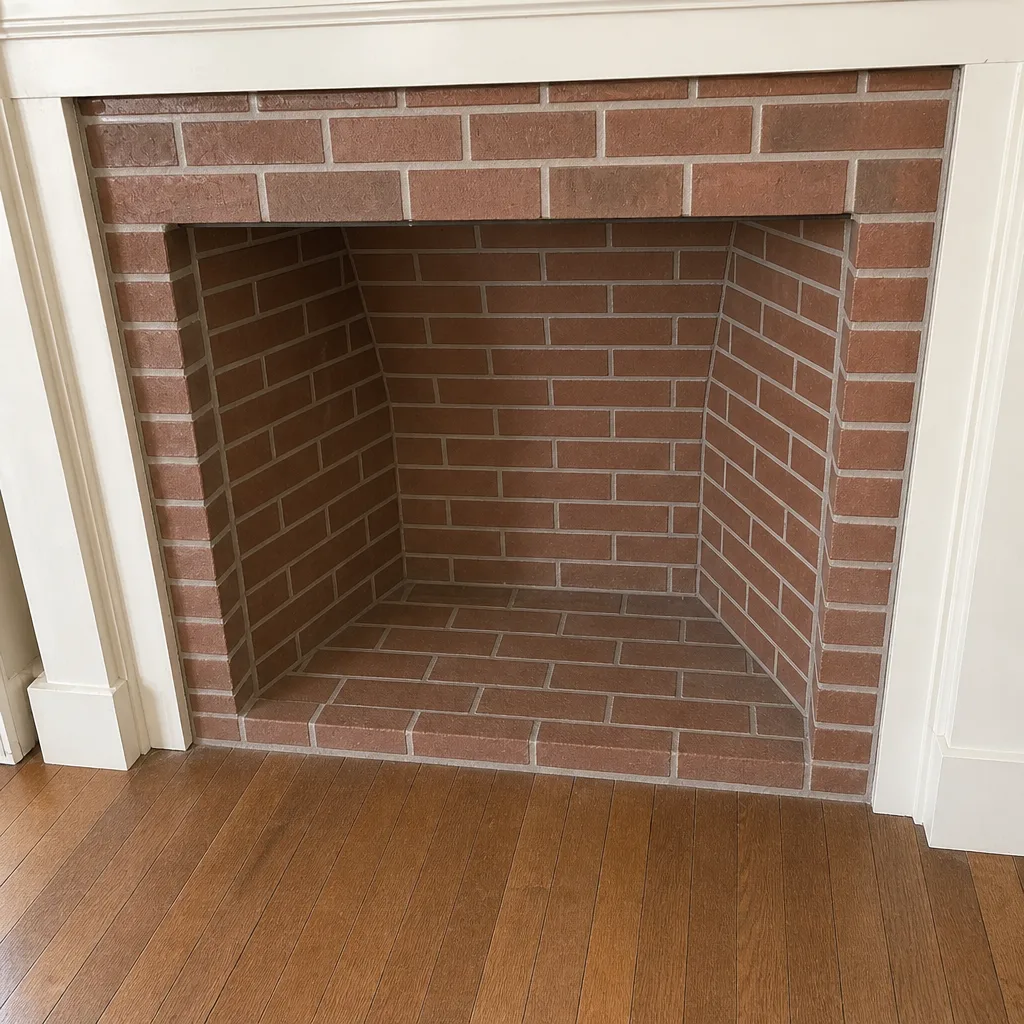
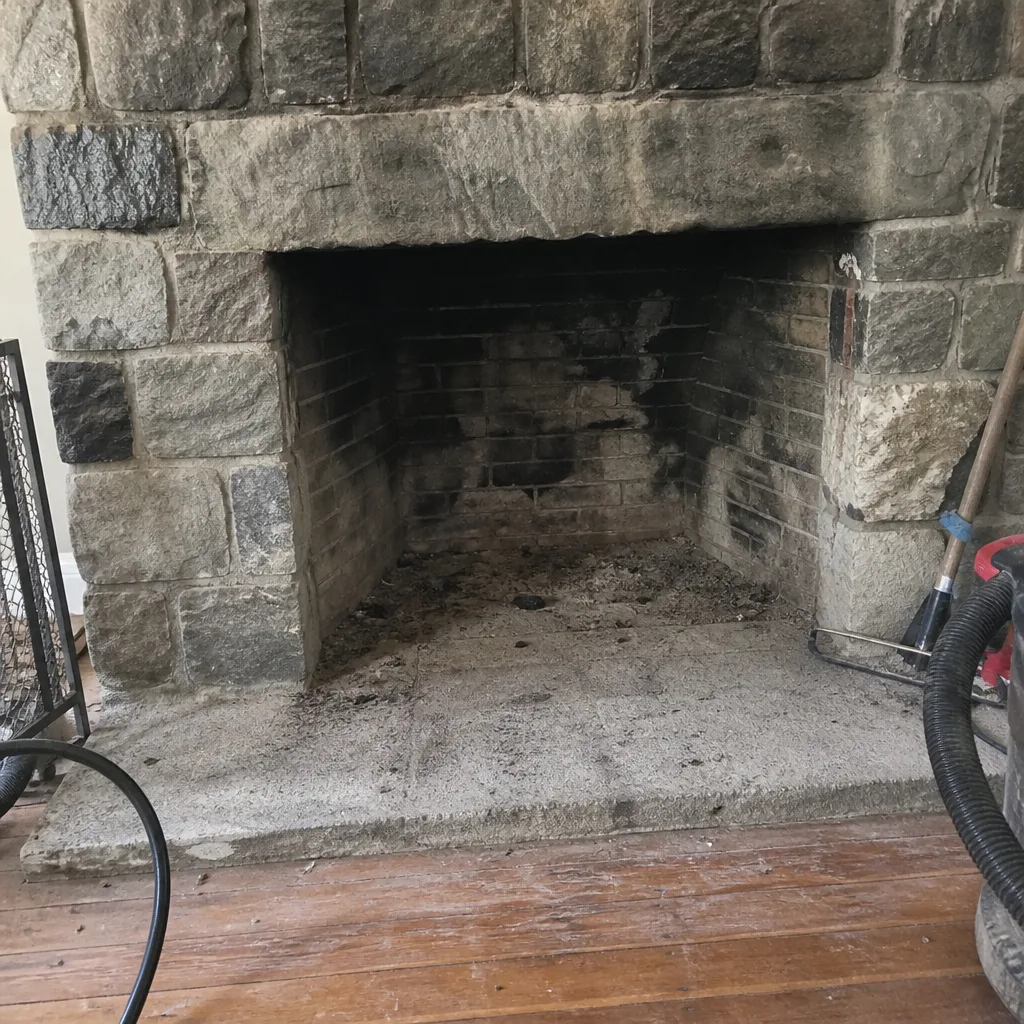
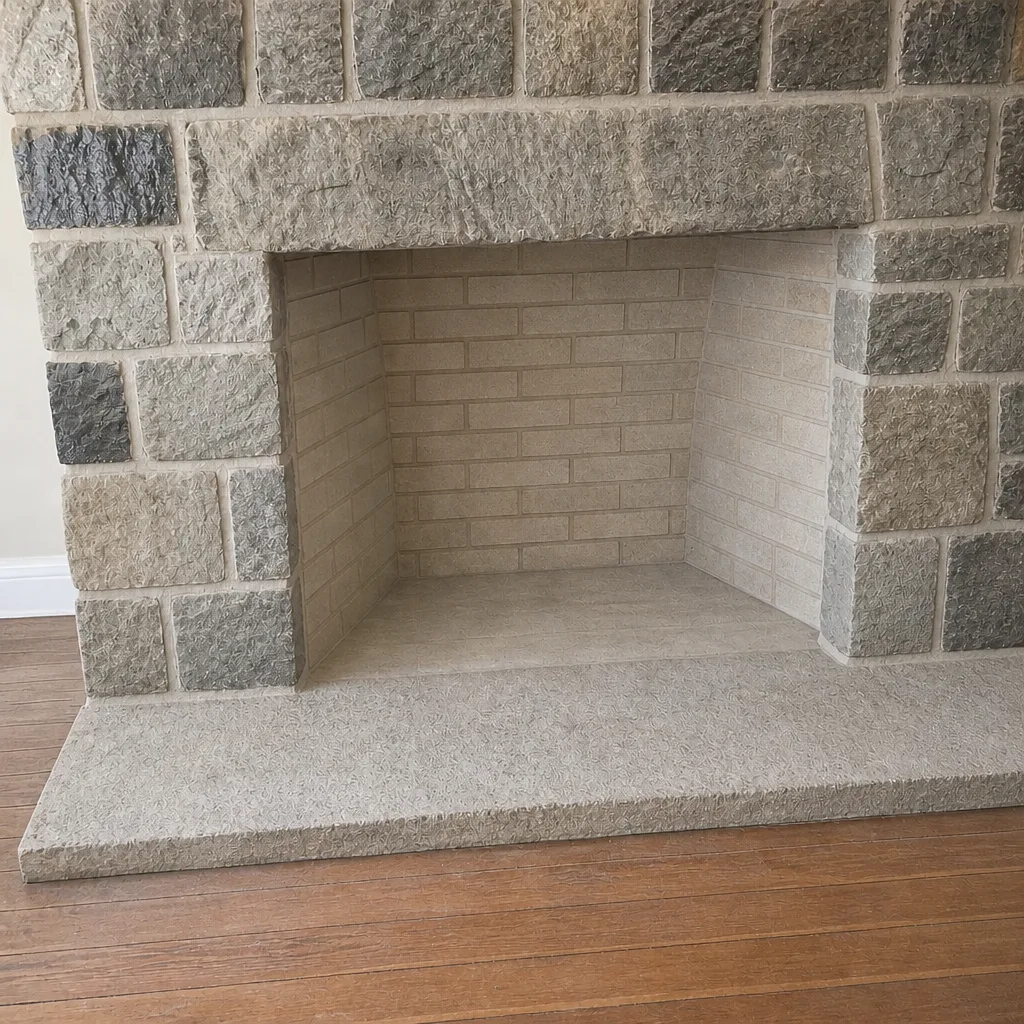
See the difference
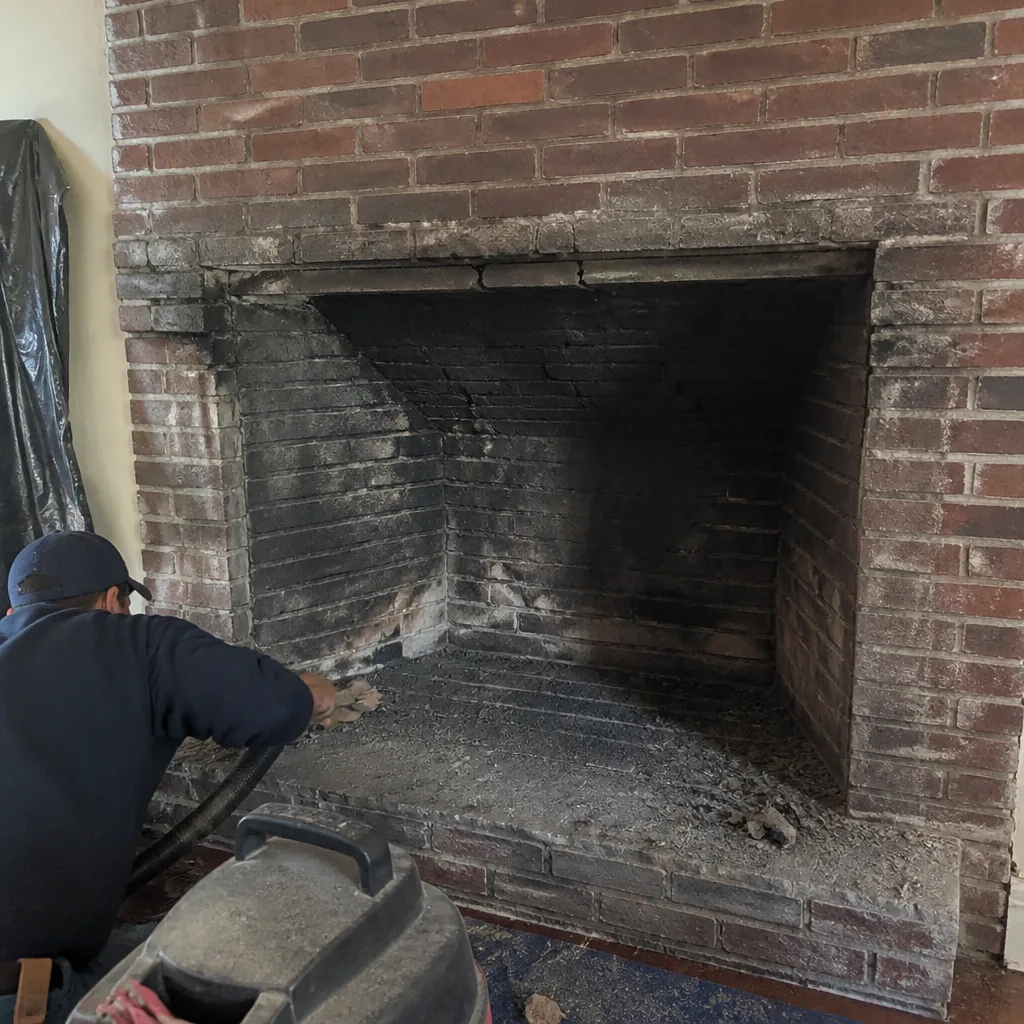 Before
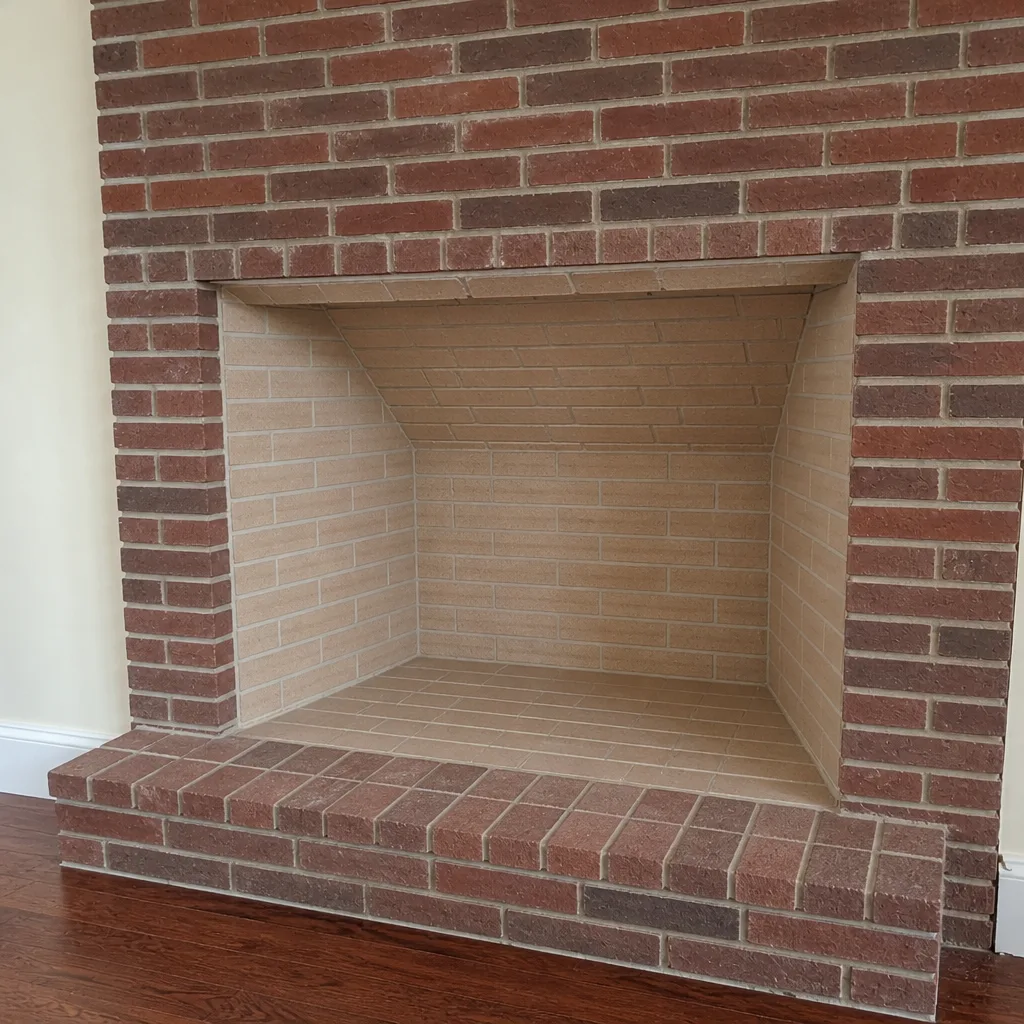 After
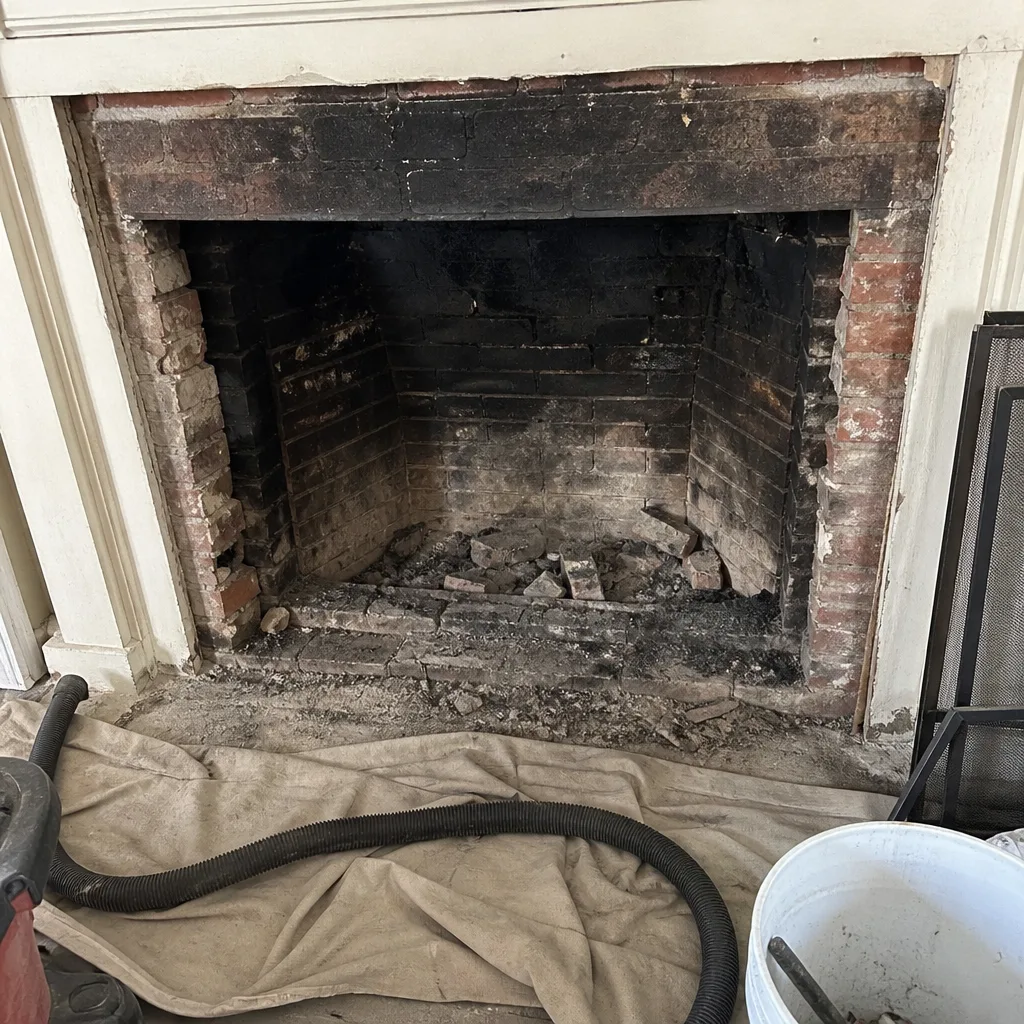 Before
 After
 Before
 After
When to Call a Professional
Call when any symptom involves smoke entering the room, a smell that won’t go away with the fire off, visible liner damage, glazed creosote, or a CO alarm. Call when a slow draw is enough to make the fireplace hard to use, or when you’ve done the safe ground-level checks and the problem persists. Call before the heating season starts if it’s been a while since the flue was swept and the system hasn’t been inspected. Call before a real-estate inspection or appraisal if the chimney or dryer vent is on the checklist. And call before lighting the first fire of the season if you’ve never had a professional look at the flue – you don’t need a diagnosis for something that hasn’t been inspected yet, but you’ll want one for anything else. Chimney Sweep Lowell offers free estimates in Lowell – call (888) 450-3059.
One more thing worth flagging: our technicians have up to 12 years of experience and we’re a chimney and venting specialist, not a generalist. When we find a problem, we can fix it. We don’t clean, find something, and leave the repair to someone else – we install and service liner systems, caps, dampers, and components from professional-grade brands, and we handle the repair ourselves.
Frequently Asked Questions
Wind-driven backdraft usually means the chimney termination is in a turbulent pressure zone, or the cap is the wrong type or condition for the flue. It can also indicate a pressure imbalance in the house when other exhaust appliances run. A diagnostic inspection reads the cap, the termination height, and the house pressure balance together so the right fix gets applied.
Backdraft pushes smoke into the room; slow draw makes the fire underperform without a visible smoke spill. Backdraft is usually a pressure or termination problem, while slow draw is usually obstruction, flue sizing, or a cold flue. They’re treated differently, so the distinction matters before you call.
Summer creosote smell usually means warm, humid air is moving down an uncapped or badly capped flue and carrying creosote odor into the home, often worsened by moisture in the flue. It’s different from a smell during the heating season, which points to a draft or combustion problem. Fixing it starts with correcting the cap and confirming the flue is intact.
You can do safe ground-level checks, like damper operation and cap condition with binoculars, but cleaning a flue is a job for a technician. Sticking brushes into a chimney without proper equipment risks loosening creosote, damaging the liner, and missing the diagnosis entirely. The cleaning isn’t the hard part – reading what the flue is telling you is.
Smoke or soot coming through masonry cracks, a strong smell that doesn’t go away with the fire out, a visible cracked liner, glazed creosote, or a CO alarm all mean stop using the fireplace immediately. A year-round faint smell, slow draw, or summer creosote odor can wait for a scheduled inspection. If you’re unsure, call and describe the symptom.
Yes, in the sense that both are exhaust systems with a buildup failure mode. A dryer vent that’s blocked or restricted can overheat and slow drying, and the same pattern of buildup happens in a flue. We handle dryer vent cleaning on the same visit as chimney work so both are confirmed at once.
Then start there before you light a fire this season. A first inspection establishes a baseline – flue condition, liner integrity, cap condition, appliance connection – so future problems can be diagnosed against a known-good starting point. If you’re preparing a home for sale in Lowell, getting the inspection done early avoids surprises during the buyer’s inspection.
The Bottom Line
A chimney problem is a diagnostic question, not a mystery, and the symptoms you’re noticing – the smoke, the smell, the slow draw – map to specific causes with specific fixes. Backdraft, slow draw, creosote smell, and dryer vent restriction are all readable. The most important thing is to read the symptom before the quote, so you know what you’re paying for and why. Check what you can safely check, stop using the fireplace when the symptom calls for it, and bring in a specialist for the rest. If you’re in Lowell and want a straight answer on what your chimney is telling you, that’s exactly the call we want. Call (888) 450-3059. We answer 24/7. Fast dispatch from 7am to 7pm, Sunday through Friday.
Written by the team at Chimney Sweep Lowell.