
Last updated November 14, 2026
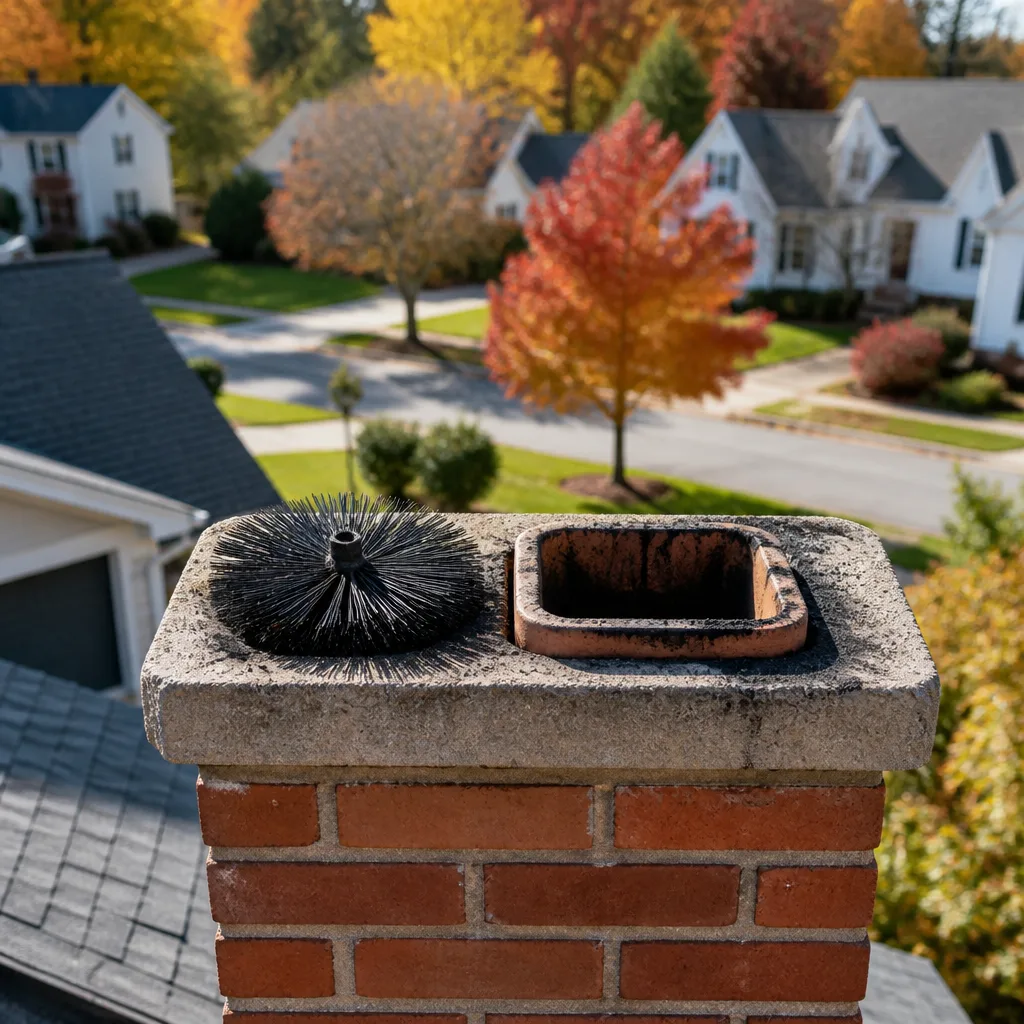 Sweep & inspection
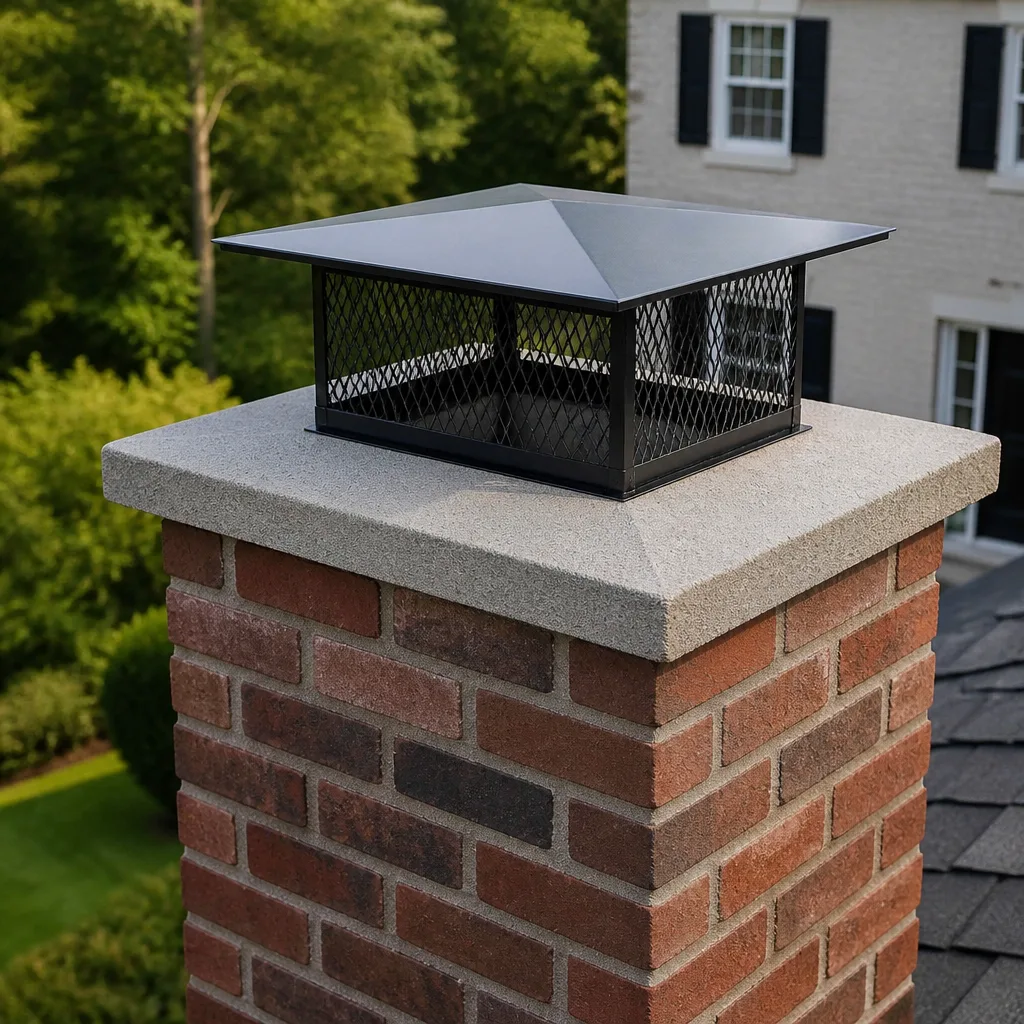 Caps & crowns
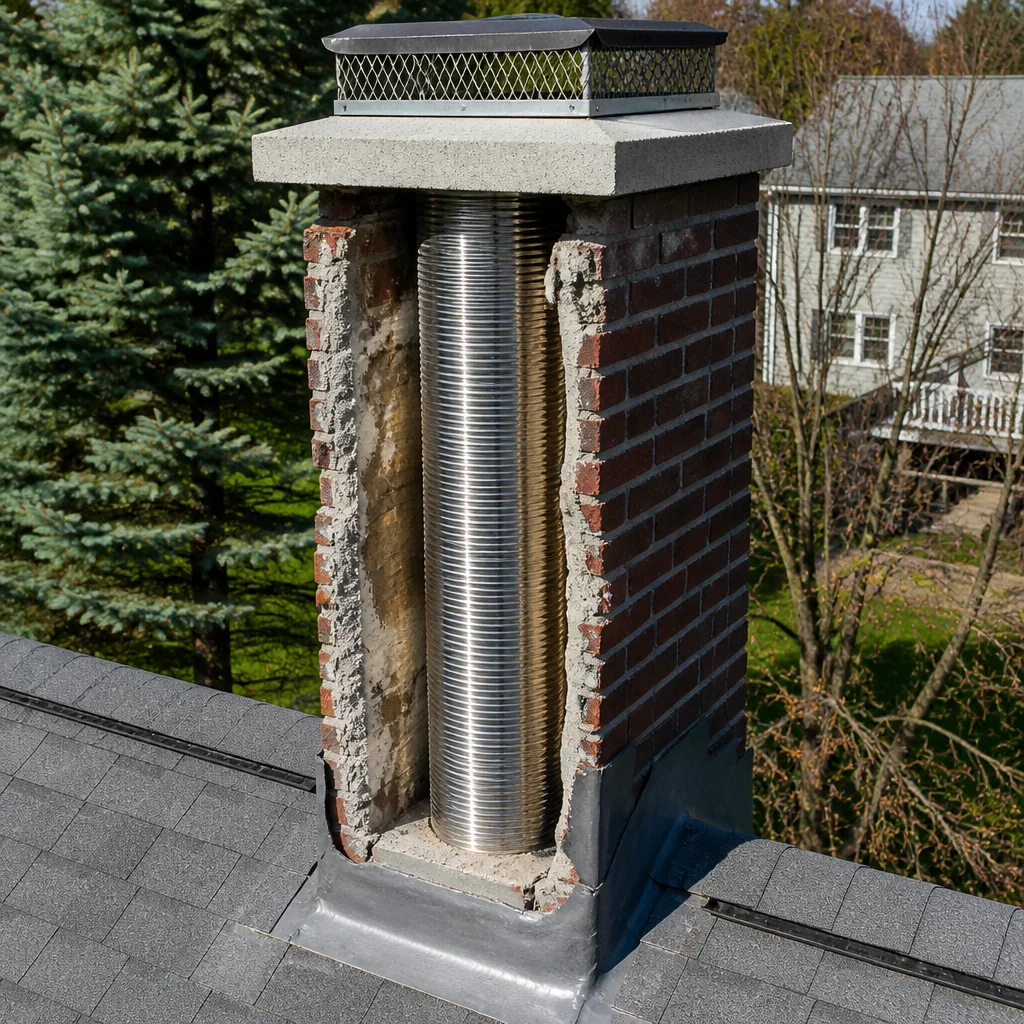 Flue relining
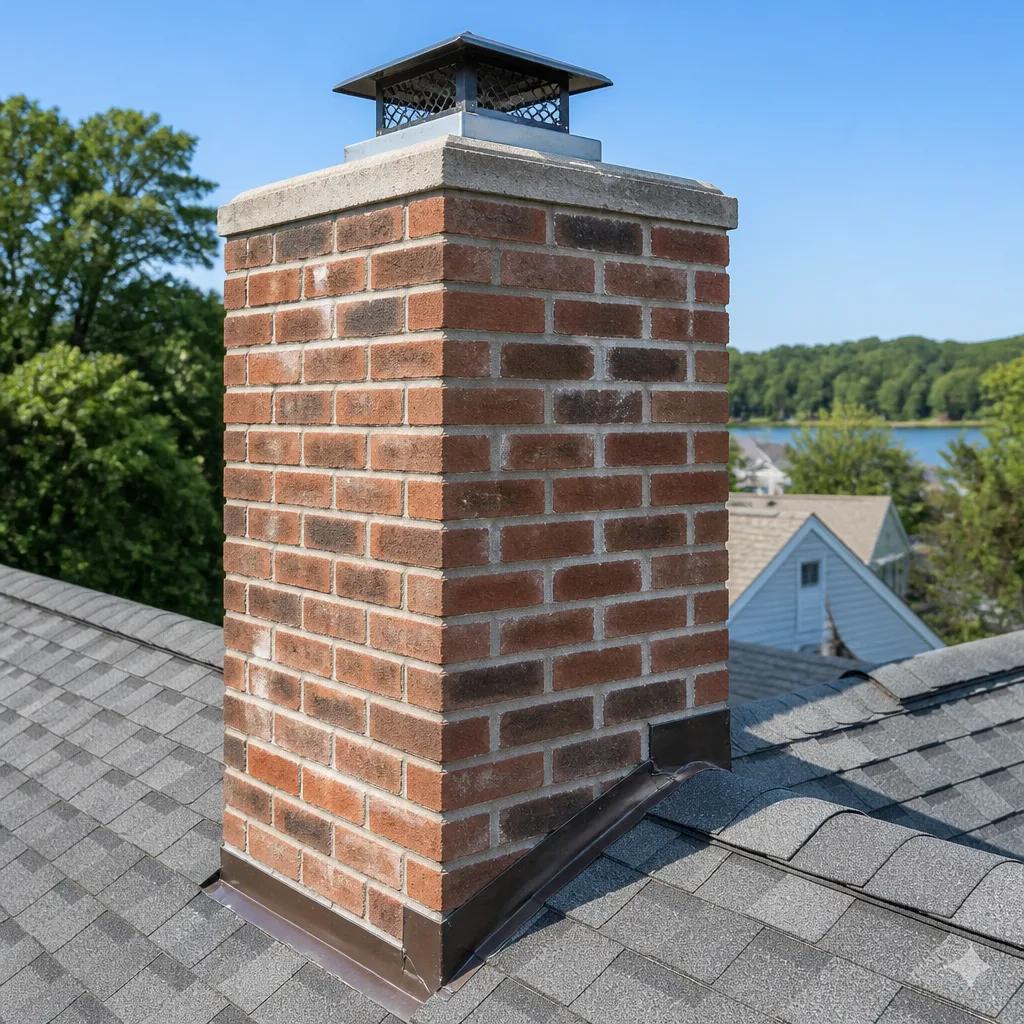 Masonry repair
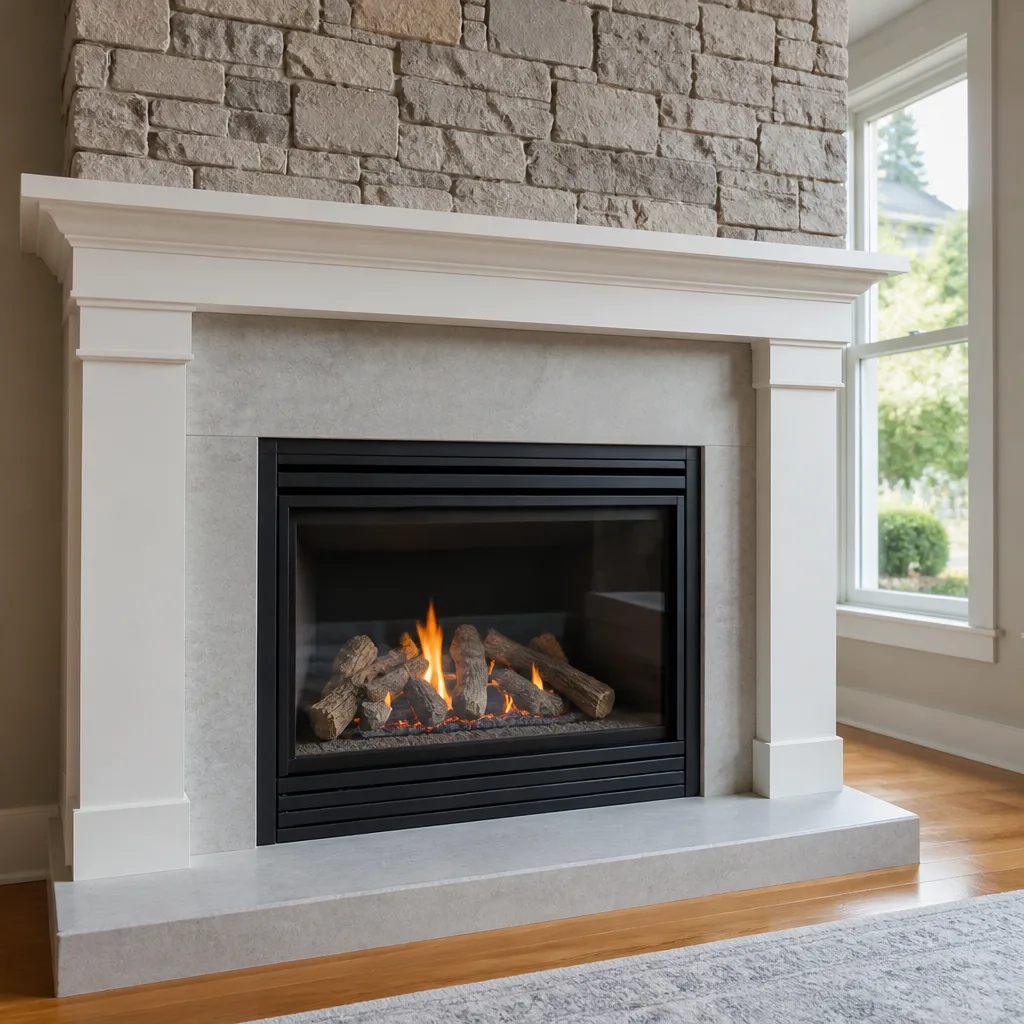 Gas fireplace service
Level 1 sweep and inspection to the NFPA 211 annual standard - flue, crown, cap, and flashing checked and photographed
Chimney sweep logs do not sweep chimneys. They loosen some creosote - which then falls where a brush and vacuum still have to collect it.
Chimney Cleaning Permits, Codes & Inspections in Lowell, MA: What You Need to Know
A new stainless liner installed without a permit in Lowell isn’t just a code violation. It’s a disclosure liability that can derail a real estate closing years later. Most homeowners assume chimney work falls outside the permit system entirely. The truth is messier: cleaning and inspection rarely need a permit, but liner replacement, appliance connections, and structural repairs often do, and the paper trail follows the house. This guide maps how the Massachusetts State Building Code, Lowell’s local enforcement office, and NFPA 211 fit together, so you know what triggers a permit, what a Level 2 inspection means at closing, and how unpermitted work surfaces during a sale.
Quick Answer
In Lowell, MA, routine chimney cleaning and inspection generally do not require a permit, but liner replacement, appliance connections, and structural chimney repairs typically do under the Massachusetts State Building Code (780 CMR), enforced locally by Lowell’s building department. NFPA 211 is the national standard inspectors reference for chimneys and vents, and a Level 2 inspection is commonly required or requested during real estate transactions. Skipping permits can create disclosure problems at resale and complicate insurance claims.
Styles & brands we work with
- Sweep & inspection
- Caps & crowns
- Flue relining
- Masonry repair
- Gas fireplace service
Table of Contents
- Which chimney services in Lowell need a permit?
- How the Massachusetts State Building Code and Lowell enforcement fit together
- What is NFPA 211 and why does it matter for homeowners?
- What does a Level 2 inspection mean in a real estate transaction?
- How unpermitted chimney work surfaces during a home sale
- What the permit process looks like step by step
- The three levels of chimney inspection explained
- How Lowell’s climate and housing stock affect chimney wear
Which chimney services in Lowell need a permit?
Cleaning and inspection generally don’t require a permit in Lowell. Repair and replacement work that changes or connects to the chimney system often does. The dividing line is whether the work alters the structure, the flue, or the connection between an appliance and the venting system.
Here’s how the categories typically break down. This is a general guide, not a substitute for a call to the city, because enforcement offices vary in how they interpret scope and no two jobs are identical.
- Usually no permit required: routine sweeping, Level 1 and Level 2 inspections, cap replacement on some configurations, and minor maintenance that doesn’t change the flue or its connections.
- Frequently requires a permit: installing or replacing a flue liner, connecting a new wood stove, insert, or gas appliance to the chimney, and repairing or rebuilding structural portions of the chimney above the roofline.
- Case-by-case: relining with a resurfacing system, damper replacement, and crown repairs, depending on scope and how the local office classifies the work.
If you’re weighing a repair and want to know whether the work itself crosses into permit territory, the cleanest path is to ask the Lowell building department directly before work begins. In our experience, homeowners who get that answer up front avoid expensive surprises later, especially when a liner is being replaced with a flexible system from DuraFlex because the flue has offsets or an unusual configuration.
One thing that catches people off guard: a repair that seems small (a new cap, a damper swap) is very different from a repair that touches the flue path. The first is usually maintenance. The second is often code territory.
How the Massachusetts State Building Code and Lowell enforcement fit together
The Massachusetts State Building Code is published as 780 CMR. It sets the statewide rules for construction and alteration, including chimneys and venting, and local building departments like Lowell’s enforce it at the municipal level. In practical terms, the state writes the standard and the city issues the permits and inspects the work.
That structure matters for homeowners because it means there’s no separate “Lowell chimney code” to learn. The rules are statewide, and the city’s role is permitting, inspection, and sign-off. When a contractor tells you a job “doesn’t need a permit in Lowell,” the right question is whether the work changes the chimney system in a way the state code covers. If it does, the permit process runs through the city even though the standard is statewide.
Two details are worth knowing:
- Permits are pulled before work starts. Retroactive permitting exists but is more expensive and more complicated, and it can create disclosure issues when you sell.
- Inspections happen in stages. Work that’s covered up before inspection can require opening it back up, which nobody wants.
If you’re not sure whether your job falls under 780 CMR, ask. A reputable chimney specialist will tell you when a permit is likely required, and it’s a fair test of whether you’re working with someone who understands the regulatory side of the trade, not just the cleaning side.
What is NFPA 211 and why does it matter for homeowners?
NFPA 211 is the national standard for chimneys, fireplaces, vents, and solid fuel-burning appliances. It’s published by the National Fire Protection Association and it’s the reference point Massachusetts inspectors and code officials use when evaluating chimney condition, clearances, and inspection levels.
Why should a homeowner care about a national standard? Because it’s the yardstick everyone else uses. When an inspector looks at your chimney during a home sale, when your insurance company asks about the flue, and when a code official signs off on a liner install, NFPA 211 is likely informing the criteria.
The standard covers a lot of ground:
- Clearances between chimneys and combustible materials
- Flue sizing and venting requirements
- Inspection levels and what each one entails
- Requirements for liners and relining systems
- Conditions that require correction before a chimney is used
One practical implication: a resurfacing repair with HeatShield or a flexible liner install with DuraFlex isn’t judged on whether it “looks fine.” It’s judged against a standard that describes how the flue should perform. That’s why documented repairs with photos and inspection reports carry weight at resale. The paperwork shows the work meets a recognized standard.
If you’re preparing a home for sale or responding to an insurance question, having a report that references NFPA 211 criteria is more useful than a handwritten receipt from a generalist.
What does a Level 2 inspection mean in a real estate transaction?
A Level 2 inspection is a thorough visual examination of the chimney, including accessible portions of the flue, using video scanning where needed. It goes beyond a Level 1 (which is a basic check during routine service) by looking at concealed areas with a camera and documenting conditions. In real estate transactions, it’s the inspection most buyers and their agents request.
Massachusetts doesn’t mandate a chimney inspection for every home sale by statute in the way some states do for other systems, but the practical reality is that buyers, lenders, and insurers frequently ask for one. When a Level 2 is requested, here’s what it typically covers:
- A visual exam of the exterior and interior of the chimney
- Video scanning of the flue to check for cracks, gaps, and liner condition
- Examination of accessible attic and crawlspace areas for clearances and leaks
- A written report with photos documenting findings
- Recommendations for any required repairs
For a Lowell seller, the key point is timing. A Level 2 inspection done before listing gives you time to address findings on your own schedule. One done during the buyer’s inspection period puts you on the buyer’s timeline, and any deficiency becomes a negotiating item. In our experience, sellers who get the inspection done early and have documentation in hand have a smoother closing.
The report also matters for the buyer’s lender and insurer, who may want evidence the chimney is in usable condition before the loan closes or coverage is bound.
How unpermitted chimney work surfaces during a home sale
Unpermitted chimney work tends to surface through the inspection process. A Level 2 inspection often reveals installations that don’t match code or NFPA 211 requirements, and a title search or permit history check can show that no permit was ever pulled for a liner replacement or appliance connection.
Once it surfaces, the remediation path usually looks like this:
- The buyer’s inspector flags the issue. This might be a liner that doesn’t meet clearance requirements, a flue with no documentation, or an appliance connection that was never permitted.
- The report gets reviewed against the permit history. If work was done but no permit exists, the discrepancy is documented.
- Remediation is scoped. Sometimes it’s a matter of pulling a retroactive permit and having the work inspected. Sometimes the installation needs correction to meet code.
- Documentation is provided to the buyer. A clean report showing the corrected work meets standard is what closes the loop.
The cost and delay depend heavily on what was found and how it was installed. A properly installed liner that just lacked paperwork is a different situation from a liner installed with inadequate clearances. Either way, the seller is usually the one paying for the correction, and the closing timeline is usually the constraint.
This is where a sweep-and-repair specialist has an advantage over a sweep-only company. When the inspection finds a problem, the same specialist can scope the fix. That gap between “we found a problem” and “we can fix it” is where homeowners get stuck looking for a second contractor mid-transaction.
What the permit process looks like step by step
For a chimney job that does need a permit in Lowell, the process is straightforward if it’s handled before work begins. Here’s what it typically involves:
- Scope the work. A technician evaluates the chimney and determines exactly what’s required. This is where the inspection level matters, because a Level 2 with video scanning catches issues a visual-only check misses.
- Submit the permit application to the Lowell building department. The application describes the scope: liner replacement, appliance connection, structural repair. The city issues the permit if the scope is clear and the contractor is properly registered.
- Complete the work. The installation is done to the 780 CMR standard, with materials that meet NFPA 211 requirements.
- Schedule the inspection. The city inspector examines the work at whatever stage the permit requires, sometimes before it’s covered up.
- Get the sign-off and keep the paperwork. The final inspection record is the document that matters at resale.
Two things to watch for:
- Don’t let work get covered before inspection. If a liner is installed and the flue is closed up before the inspector sees it, you may be asked to open it back up.
- Keep the final inspection record with your home documents. This is what you hand a buyer, lender, or insurer years later when they ask about the chimney.
If you’re not sure whether your project needs a permit, call the city before work starts. A five-minute conversation avoids a much longer one down the road.
The three levels of chimney inspection explained
NFPA 211 defines three inspection levels, and knowing which one you need prevents paying for the wrong service. Each level is appropriate for a different situation.
- Level 1: A basic visual check during routine service. It covers readily accessible portions of the chimney with no video scanning. This is what’s included with an annual chimney sweep when nothing has changed.
- Level 2: A thorough visual exam plus video scanning of the flue. Required when there’s a change in the system, a home sale, an appliance change, or after an event like a chimney fire or earthquake. This is the level buyers and insurers usually request.
- Level 3: The most detailed level, used when a Level 2 identifies a hidden hazard that requires accessing concealed areas. It may involve removing parts of the chimney or building structure to inspect.
The key takeaway: a routine sweep comes with a Level 1, and most other situations call for a Level 2. If you’re buying or selling a home in Lowell, asking for a Level 2 with a written report and photos is the right standard.
We get asked all the time whether a Level 2 is really necessary. The honest answer is that it depends on what’s about to happen with the house. If nothing’s changing, a Level 1 is fine. If anything is changing, the extra visibility is worth it.
How Lowell’s climate and housing affect chimney wear
Lowell’s winters are long and cold, and the heating season runs deep into spring. That matters for chimneys because the freeze-thaw cycle stresses masonry. Water gets into small cracks in the crown or mortar, freezes, expands, and widens what was a hairline defect. Over several seasons, a chimney that was fine can develop real problems.
The housing stock matters too. Lowell has a lot of older homes, and many have chimneys built to standards that predate modern codes. A flue that was perfectly acceptable for coal or an older appliance may not meet NFPA 211 clearances for a wood insert or a modern gas appliance. That’s one reason a liner replacement or appliance connection often triggers permit questions: the work brings an older chimney up against a current standard.
What this means practically:
- Have the chimney inspected before each heating season. The first cold snap is not the time to discover a problem.
- Watch for crumbling mortar and spalling brick on the exterior, which the freeze-thaw cycle accelerates.
- If you’re adding a new appliance, don’t assume the existing flue is adequate. A Level 2 inspection tells you what you’re actually working with.
For homeowners in the older neighborhoods around downtown and the Acre, that pre-season inspection is often the moment a decades-old flue issue gets caught before it becomes a repair.
Common Mistakes to Avoid
- Assuming no permit is needed because the work is “just a liner.” A liner replacement typically does require a permit in Massachusetts under 780 CMR. Skipping it creates a disclosure problem that surfaces years later at resale.
- Accepting a cleaning when you actually need an inspection. A sweep is a Level 1 inspection at best. If you’re preparing for a sale or adding an appliance, you need a Level 2 with video scanning and a written report.
- Not asking for photos and documentation. Any repair recommendation should come with camera evidence you can review. A verbal “you need a new liner” without photos is a red flag.
- Using a generalist for chimney work. A handyman who “also does chimneys” may not know the 780 CMR scope or NFPA 211 standards, and the permit issue lands on you at closing.
- Assuming the existing flue is adequate when connecting a new appliance. Older Lowell chimneys were built for different appliances. A new insert or gas appliance may require relining to meet clearance requirements.
- Letting work get covered before inspection. If the flue is closed up before the city inspector sees it, you may be asked to open it back up, which adds time and cost.
- Trashing the inspection records. The paper trail from a properly permitted and inspected job is your best defense at resale. Keep it with your home documents.
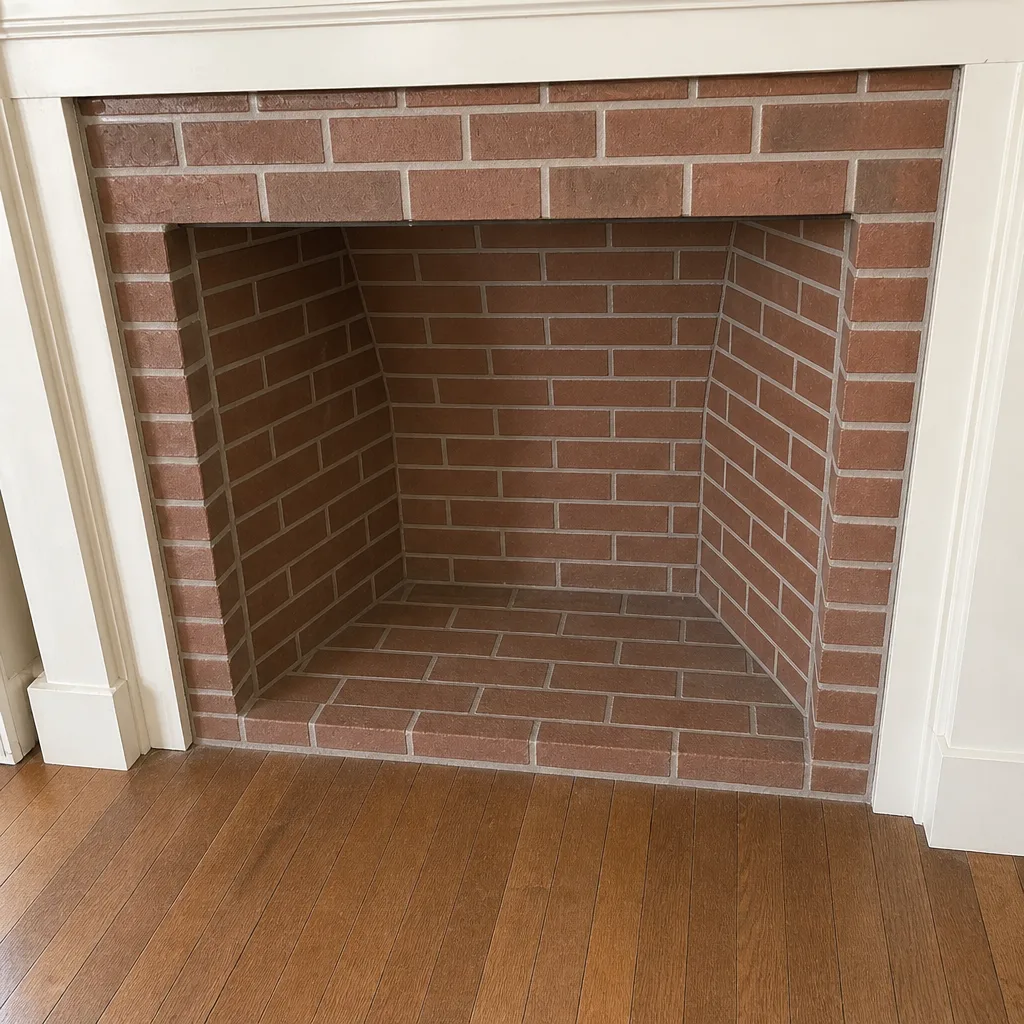
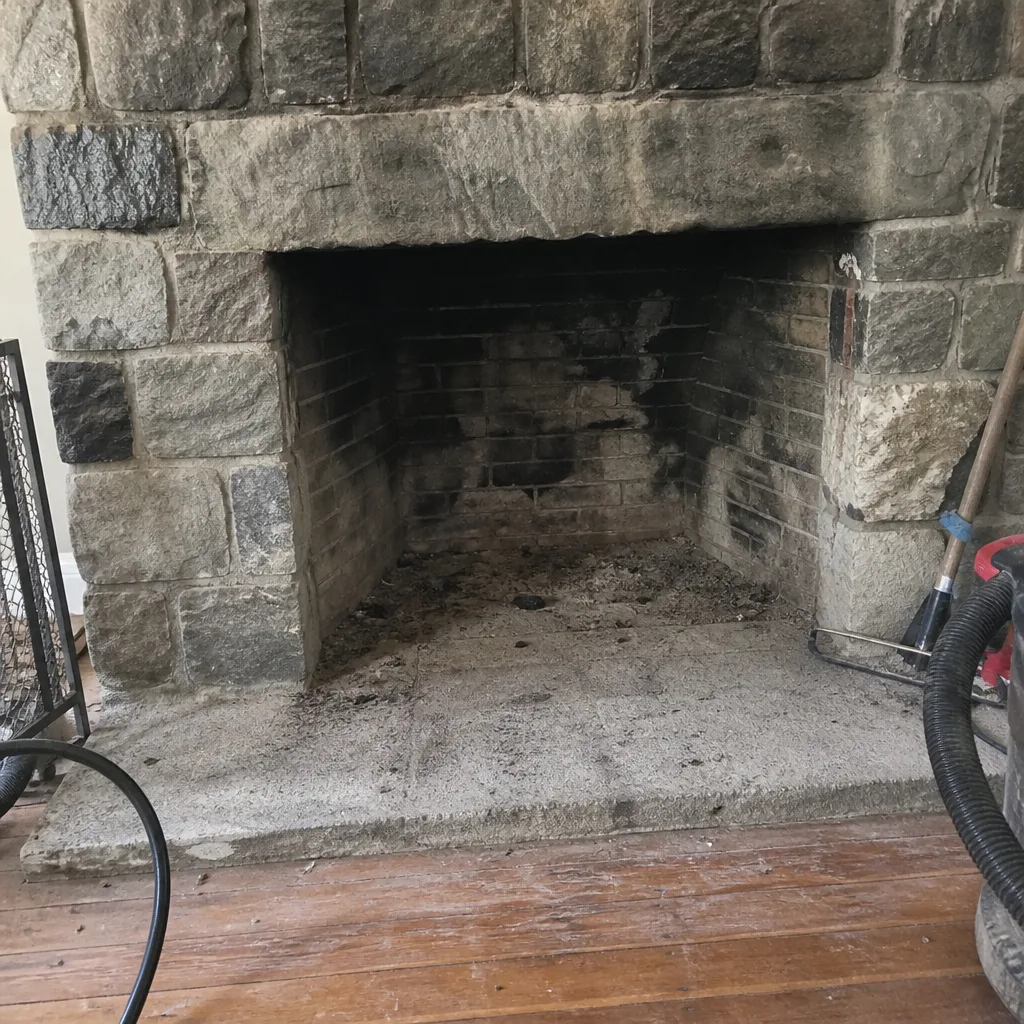
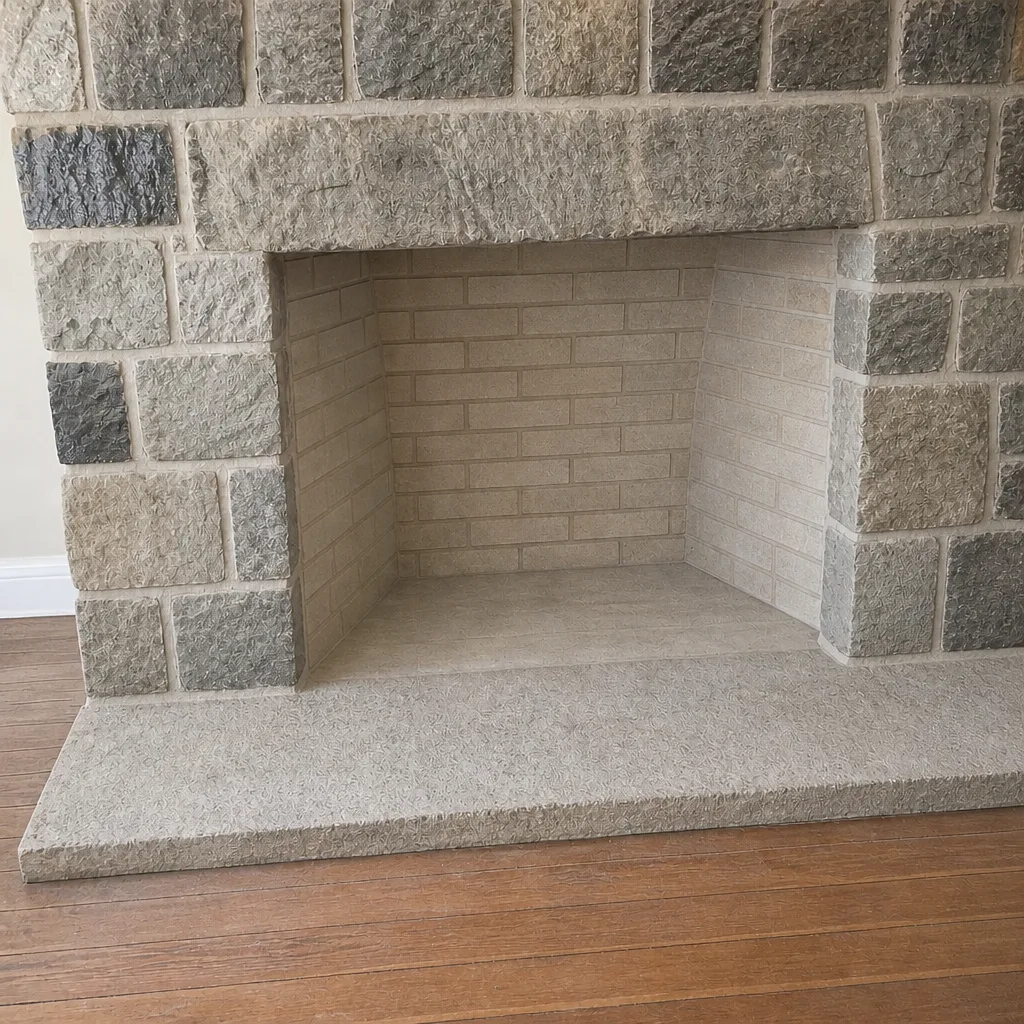
See the difference
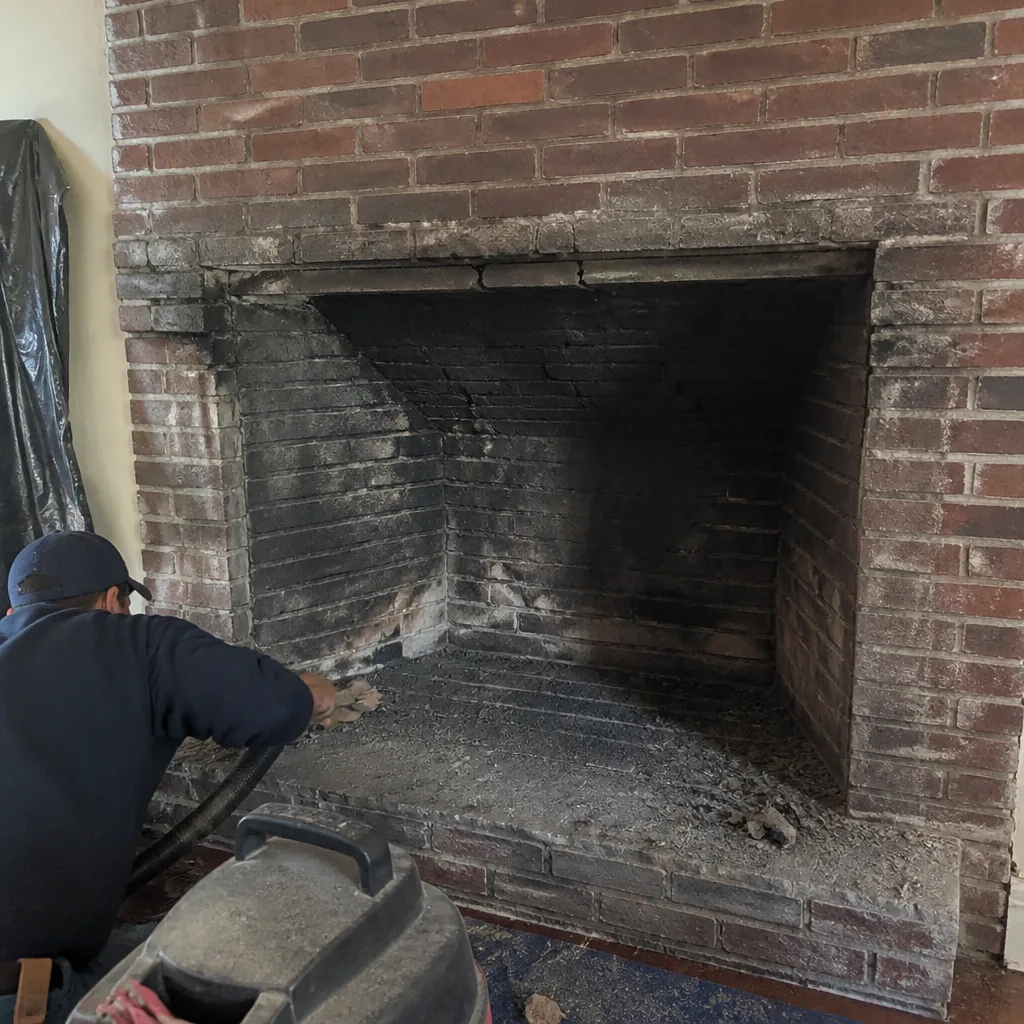 Before
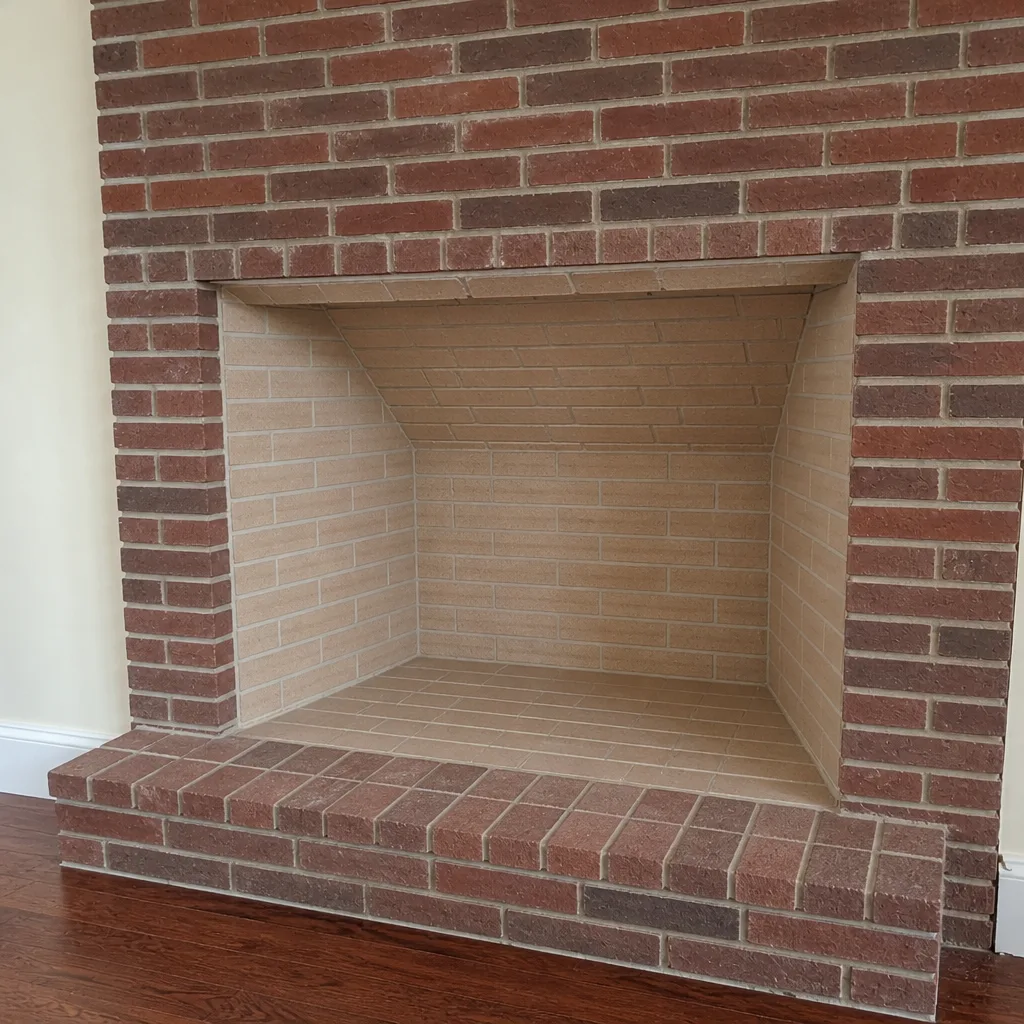 After
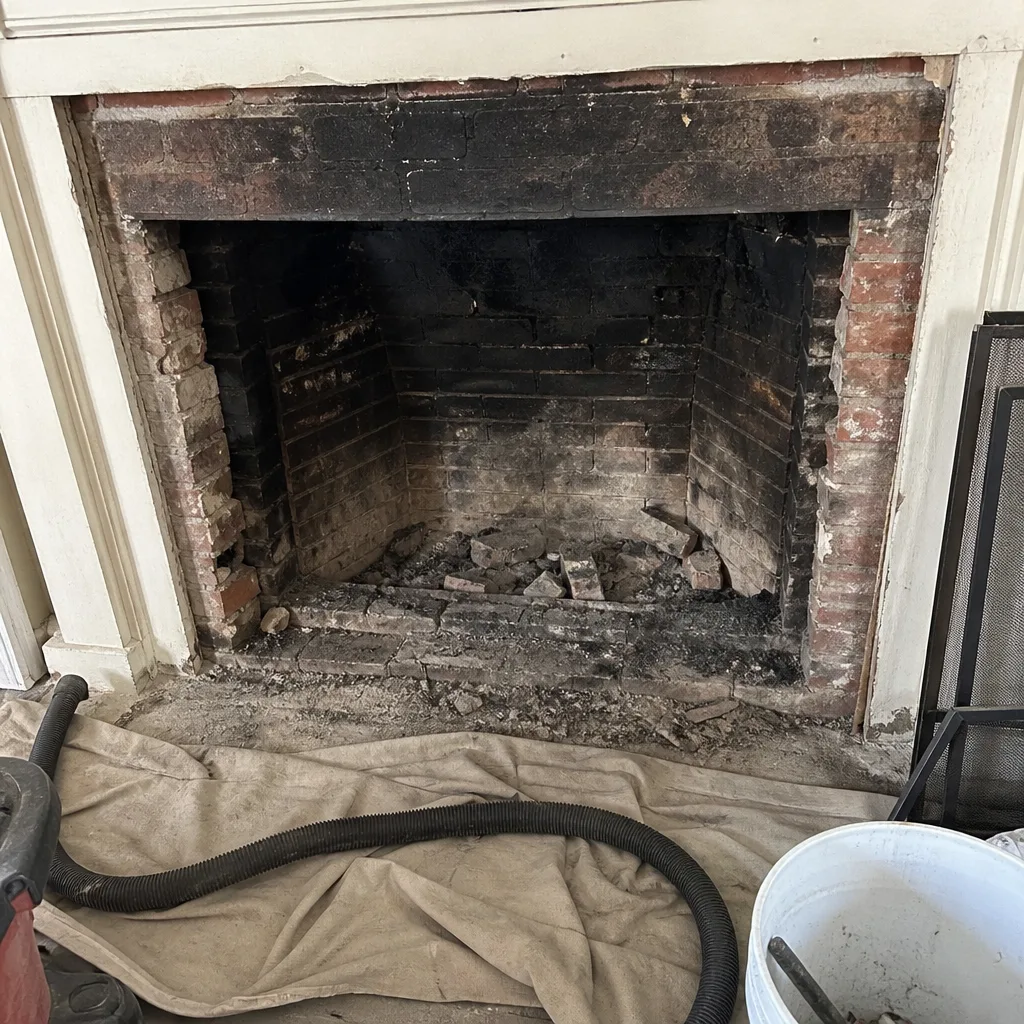 Before
 After
 Before
 After
When to Call a Professional
Call a professional when the work touches the flue, the appliance connection, or the structure of the chimney. That includes liner replacement, connecting a new wood stove, insert, or gas appliance, structural repair above the roofline, and any job where you’re unsure whether a permit is required. It also includes pre-sale inspections, where a Level 2 with documentation is what buyers and lenders expect, and situations where you’ve been told you need a repair but haven’t seen evidence for it. Chimney Sweep Lowell offers free estimates in Lowell, and we can walk you through what’s likely required before work starts. Call (888) 450-3059. We answer 24/7, with fast dispatch from 7am to 7pm, Sunday through Friday.
Frequently Asked Questions
No. Routine chimney cleaning and inspection generally don’t require a permit in Lowell. Permits are typically triggered by work that changes the chimney system: liner replacement, appliance connection, or structural repair. If you’re unsure about a specific job, ask the Lowell building department before work starts. Call (888) 450-3059 for a free estimate on cleaning or repair.
In most cases, yes. A liner replacement is typically considered an alteration to the chimney system under the Massachusetts State Building Code (780 CMR), and that generally requires a permit from the local building department. The permit process includes an inspection, and the sign-off record is what protects you at resale. Call (888) 450-3059 to discuss your liner project and what’s likely required.
A Level 2 inspection is a thorough visual exam plus video scanning of the flue, and you typically need one during a home sale, after a chimney fire, when changing appliances, or when the system has been altered. It’s more than a routine sweep because it looks into concealed portions of the flue. Call (888) 450-3059 to schedule a Level 2 inspection with a written report and photos.
Skipping a permit can create problems at resale and with insurance claims. Unpermitted work often surfaces during the buyer’s inspection or a permit history check, and the seller usually pays for remediation on the buyer’s timeline. Retroactive permitting is possible but more complicated. Call (888) 450-3059 for guidance before work begins.
NFPA 211 recommends an annual inspection, and in Lowell’s climate that pre-season check is especially useful because the freeze-thaw cycle stresses masonry over time. A yearly inspection catches small issues like cracked crowns or deteriorated mortar before they turn into repairs. Call (888) 450-3059 to book your annual inspection.
Yes. Unpermitted work often surfaces during the buyer’s inspection or a permit history check, and it can become a negotiating item that delays closing. If the work needs correction to meet 780 CMR or NFPA 211 standards, the seller typically pays. Having a properly permitted and inspected job with documentation avoids the issue entirely. Call (888) 450-3059 if you’re preparing a home for sale.
The Bottom Line
Chimney cleaning and inspection rarely need a permit in Lowell, but liner replacement, appliance connections, and structural repairs usually do under the Massachusetts State Building Code. NFPA 211 is the standard inspectors reference, and a Level 2 inspection with video scanning and a written report is what buyers and insurers expect at a sale. Unpermitted work surfaces during transactions, and the seller usually bears the cost of correcting it. The right move is to get the inspection done early, pull the permit when the work requires one, and keep the paperwork. When you need a specialist who does the sweep, the inspection, and the repair under one call, Chimney Sweep Lowell is here to help.
Call (888) 450-3059 for a free estimate. We answer 24/7. Fast dispatch from 7am to 7pm, Sunday through Friday. Whether you’re due for a chimney sweep, need dryer vent cleaning, or you’re getting ready for a sale in Lowell, we’ll give you a straight assessment and a written estimate before any work begins.
Written by the team at Chimney Sweep Lowell.