
Last updated November 14, 2026
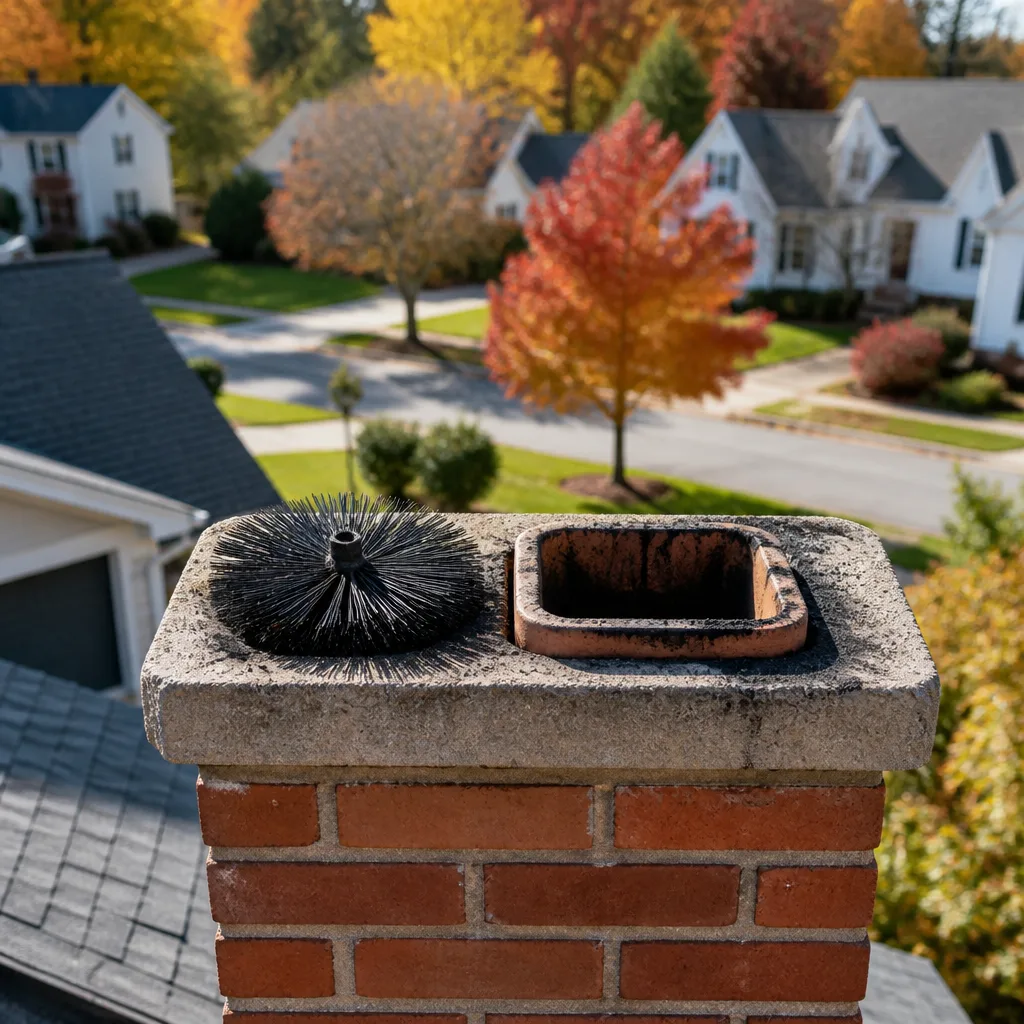 Sweep & inspection
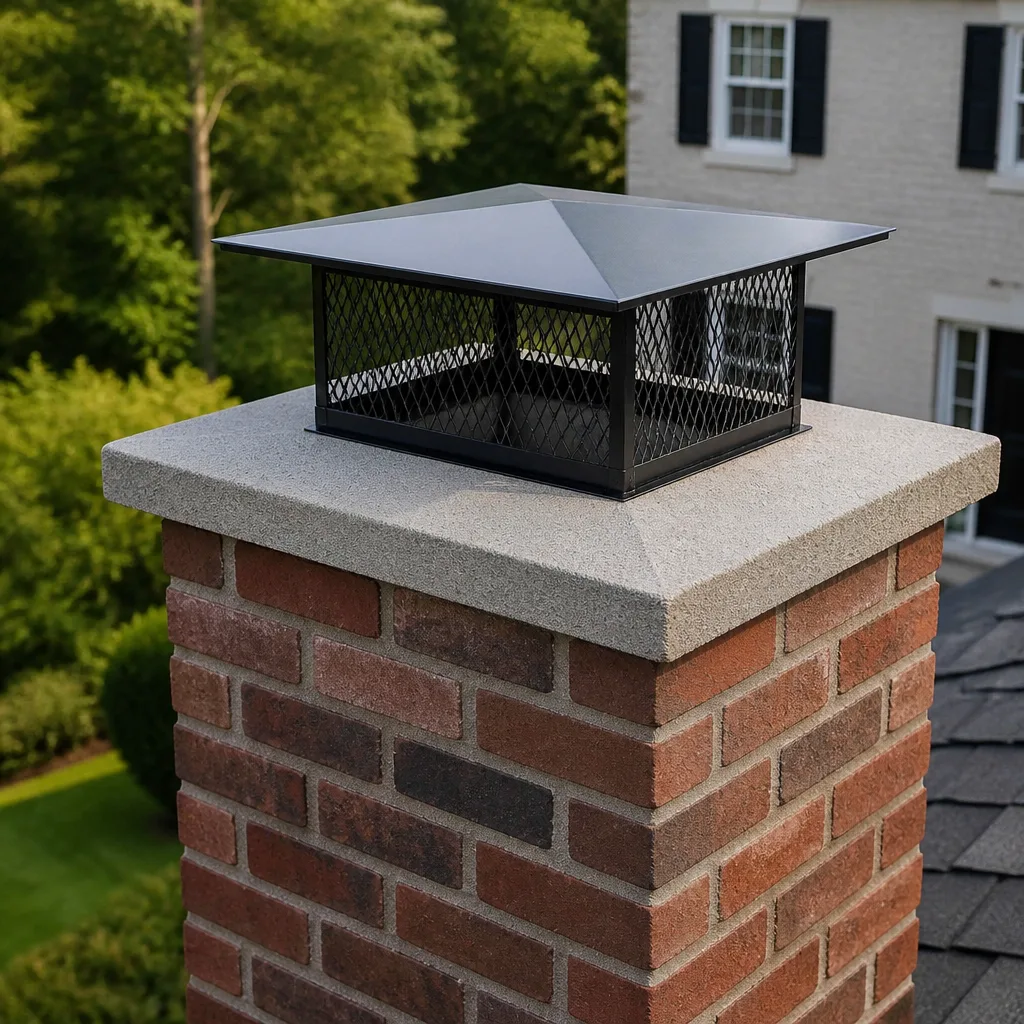 Caps & crowns
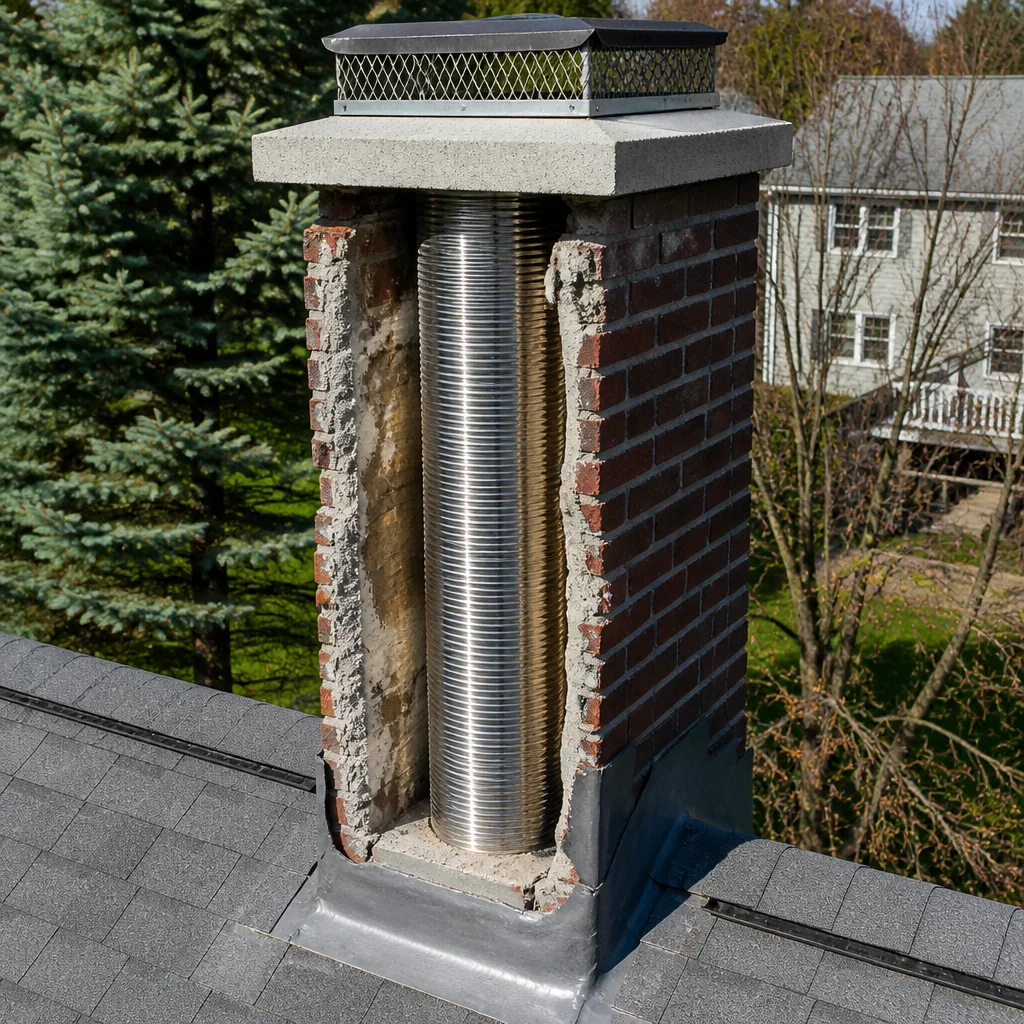 Flue relining
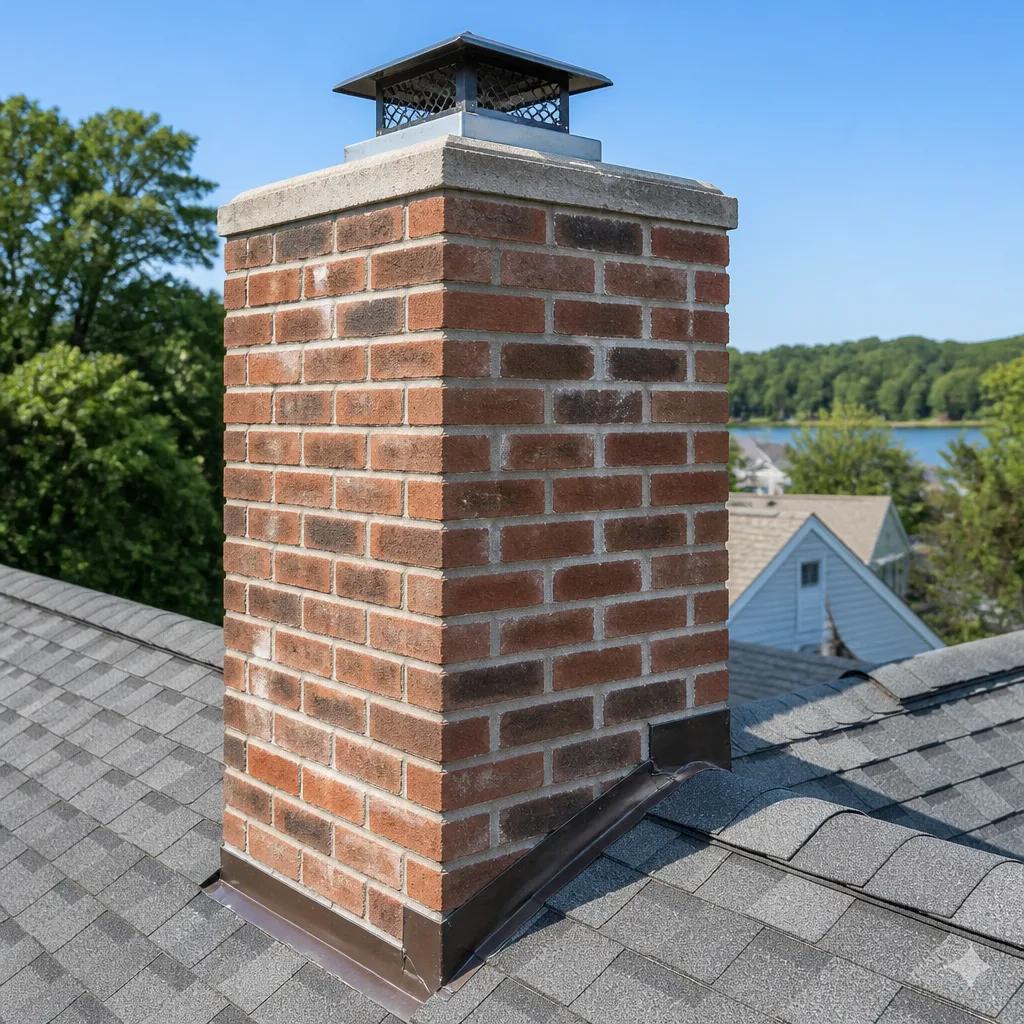 Masonry repair
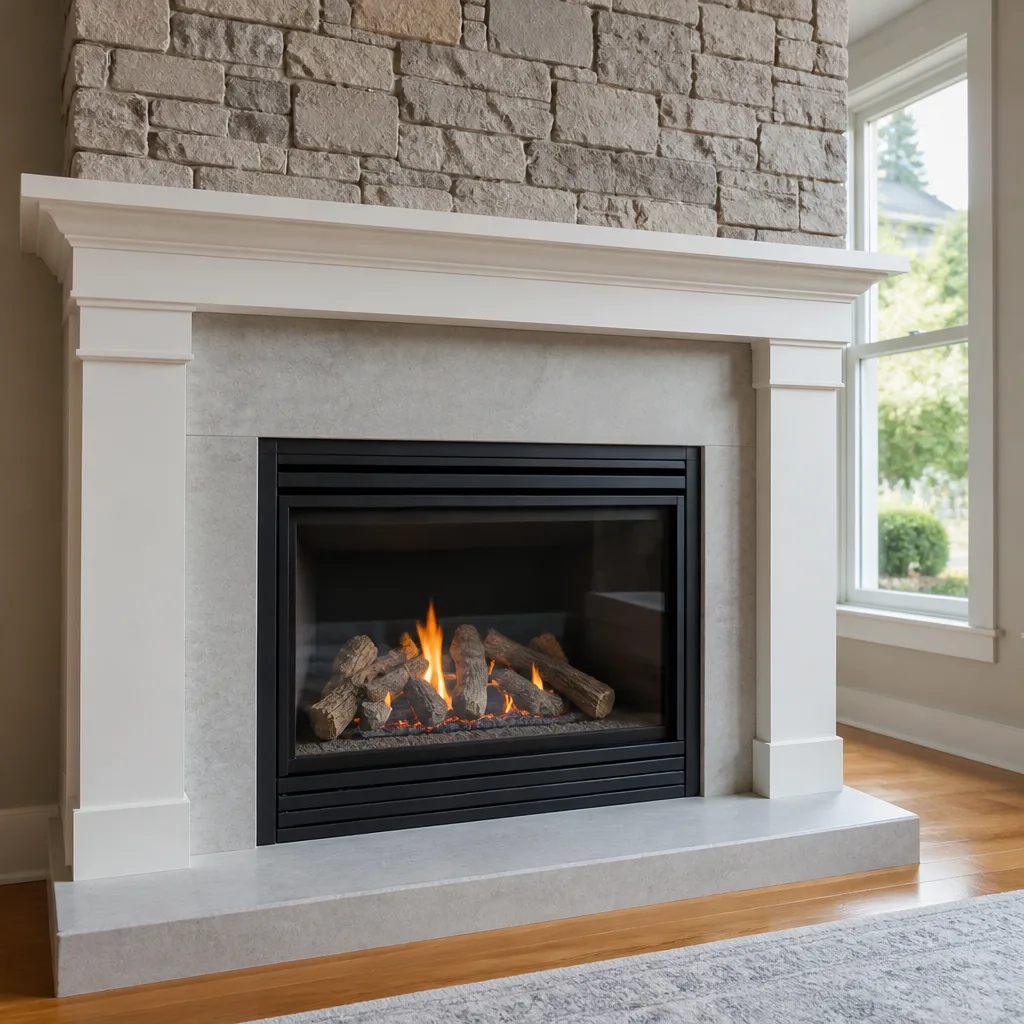 Gas fireplace service
Level 1 sweep and inspection to the NFPA 211 annual standard - flue, crown, cap, and flashing checked and photographed
Chimney sweep logs do not sweep chimneys. They loosen some creosote - which then falls where a brush and vacuum still have to collect it.
Chimney Sweep Maintenance Schedule: What to Do and When
A wood-burning fireplace used three weekends a month needs a completely different maintenance rhythm than a gas insert running every day from October through April. Yet most annual sweep reminders treat them identically, which is how minor creosote glaze becomes a liner replacement. In this guide we break down what the NFPA 211 standard actually asks of each appliance type, how Lowell’s long heating season shapes the calendar, and what you should be checking yourself between professional visits. You’ll come away with a schedule you can track, not a vague “call us in fall” reminder.
Quick Answer
Most chimneys need sweeping once a year, but the right interval depends on fuel type and how often you burn. Wood fireplaces used regularly should be swept annually (or after roughly a cord of wood, whichever comes first), gas inserts inspected yearly with sweeping as needed, and oil or pellet appliances checked every year with attention to their specific byproducts. A spring inspection after the heating season catches more than a fall check. Call Chimney Sweep Lowell at (888) 450-3059 to book a sweep and get your flue honestly assessed.
Styles & brands we work with
- Sweep & inspection
- Caps & crowns
- Flue relining
- Masonry repair
- Gas fireplace service
Table of Contents
- Fuel-Specific Maintenance Timelines
- Lowell’s Heating Season: When to Schedule
- Spring Post-Season vs. Fall Pre-Season Inspection
- What to Check Between Professional Sweeps
- How to Track Your Chimney Maintenance History
- How Appliance Age Changes the Schedule
- The Dryer Vent Belongs on the Same Calendar
- What a Maintenance Visit Typically Involves
Fuel-Specific Maintenance Timelines
NFPA 211 sets the baseline: chimneys, fireplaces, and vents must be inspected at least annually and cleaned as needed. The phrase “as needed” is doing a lot of work there. What gets deposited in your flue, and how fast, depends entirely on what you’re burning. Wood produces creosote and soot. Gas produces mostly water vapor and slight acidic condensate. Oil produces soot and sulfur residue. Pellet stoves produce fly ash that clogs vents faster than most homeowners expect. Treating them all the same calendar is how buildup gets missed.
- Wood-burning fireplace or wood stove: Sweep annually with regular use, or once you’ve burned about a cord. Creosote accumulation depends on burn efficiency, wood moisture, and draft, so a professional can measure deposit thickness and tell you whether annual is enough or you need more frequent service.
- Gas insert or gas fireplace: Inspect yearly. Sweeping is often unnecessary because gas doesn’t produce creosote, but the vent still needs checking for condensate damage, debris, and obstruction, and the appliance itself should be looked over. A gas flue that’s never inspected can accumulate nesting material and hidden blockages.
- Oil-fired appliance: Annual inspection is the floor. Oil burners leave soot and sulfur residue that can corrode a flue over time, and a blocked or undersized flue is a genuine safety issue. Sweeping is done as needed based on what the technician finds.
- Pellet stove: The flue and venting need cleaning at least once a year, often more frequently with heavy use, because fly ash accumulates and can restrict draft. Many manufacturers specify their own vent-cleaning intervals, so read the manual alongside the NFPA 211 baseline.
If you’re not sure which category your appliance falls into, that’s the first thing to sort out. A technician can identify it, measure deposits, and give you a real schedule rather than a guess.
Lowell’s Heating Season: When to Schedule
Lowell’s climate means you’ll likely be running the fireplace or insert from October into April, and many homeowners push into May on cold evenings. That’s a long burn season, longer than much of the country, and it means deposits have more time to build. The practical consequence is timing: the September backlog is real. Everyone calls the week of the first cold snap, and the calendar fills. Booking a sweep in late August or early September gets your flue inspected before you’re relying on it every evening.
The other side of the calendar is spring. In our experience, the check that tells you the most about your chimney is the one done after winter use, not before it. That’s when you can see what actually happened over a full season of burning: how much creosote accumulated, whether the cap held up, whether a liner joint deteriorated, whether a bird got into the flue after a storm. A fall inspection is a pre-flight check. A spring inspection is a post-flight review, and it tells you what you need to fix before the next burn season starts.
Given the region’s freeze-thaw cycles, spring also catches cracked mortar crowns and damaged caps before water gets in and freezes. Water is a masonry chimney’s worst enemy, and a hairline crack in a crown found in April is a simple repair. Found in November, after a summer of rain and another freeze, it’s often a bigger job. Neighborhoods across Lowell with older housing stock see this pattern constantly: crowns and caps that are fine for years and then go in a single hard winter. An annual look catches it early.
Spring Post-Season vs. Fall Pre-Season Inspection
If you can only schedule one visit a year, schedule it in spring. Here’s why that’s the more useful appointment, and what each visit actually catches.
- A spring visit shows what happened, not what might happen. Deposits, damage, and wear are all visible after a full heating season. The technician is measuring real accumulation, not estimating from partial use.
- Repairs get a full off-season to complete. If a liner needs resurfacing or a cap needs replacing, you have months to get it done properly rather than scrambling before the first cold night.
- Crown and cap damage from winter freeze-thaw gets caught before warm-season rain. Small masonry problems can be repaired while they’re small.
- A fall visit still has value as a pre-season safety check. If you haven’t had an inspection in years, a fall visit at minimum ensures your flue is clear and ready before you light the first fire.
The best arrangement is both: a spring sweep and inspection, plus a quick fall check to confirm nothing changed over the summer. If you’re working with budget constraints, the spring visit is the one to prioritize. It’s the data-rich appointment.
What to Check Between Professional Sweeps
You don’t need to climb a roof to keep your chimney in good shape between annual visits. There’s a short monthly visual check any homeowner can do in under a minute, and it catches the things that turn into expensive repairs.
- The chimney cap. Look at it from the ground. Is it still in place? Is the mesh intact? A missing or damaged cap is an open invite to birds, squirrels, and rain. Nesting material in a flue is a real obstruction risk.
- The firebox and damper. Open the damper and look up with a flashlight. You’re checking for visible creosote buildup, debris, or anything that shouldn’t be there. A damper that no longer opens cleanly is worth a note.
- The exterior of the chimney. From the ground, look for cracked mortar, missing bricks, white staining on the masonry, or a crown that’s separating from the flue. These are water-intrusion warning signs.
- The smoke and draft. When you light a fire, does it draft properly, or does smoke back up into the room? A change in draft is your earliest indicator that something’s wrong.
- Carbon monoxide detectors. Confirm they’re functioning and placed near sleeping areas and on each level. This is a check, not a service – but it belongs on the same calendar.
The monthly visual check isn’t a substitute for a professional inspection. It’s an early-warning system. If you see something that concerns you, don’t wait for the annual appointment.
Quick safety note: Never inspect or clean the inside of a flue yourself beyond what you can see from the firebox with a flashlight. Creosote is highly flammable, and climbing or working near the flue without proper training and equipment can cause serious injury or worse. A trained professional handles the interior.
How to Track Your Chimney Maintenance History
One question a technician always asks is when the chimney was last serviced. If you can’t answer it confidently, you’re not alone, but you’re missing information that would help. Tracking maintenance history is simple, and it pays off when you sell the house, file an insurance claim, or need to know whether a repair was already attempted.
- Start a simple paper or digital log. Note the date of each service, who did it, and what was found. A single notebook works. So does a note on your phone.
- Keep the technician’s written report. Most professional sweeps leave a written account of what was found and what was recommended. Keep those reports with the log.
- Photograph anything visual. Photos of the firebox, chimney cap, and exterior before and after repairs are useful for your records and for future inspections.
- Note the appliance type and age. When a technician asks “how old is this insert?” you don’t want to guess. If you bought the house with an existing appliance and don’t know, the inspection report will often be able to estimate it.
- Flag future recommended dates. If a technician says “we should look at the crown again next spring,” put that on the calendar.
If you’re preparing a home for sale, a documented maintenance history is also a credibility signal. Buyers and their inspectors ask for it. A thorough service record with reputable parts references goes further than a blank answer. That’s where the brand side of things matters: when we recommend DuraFlex or Olympia Chimney components, they come with a known product lineage, and the record shows it.
How Appliance Age Changes the Schedule
A new wood stove or insert and a twenty-year-old fireplace don’t need the same attention. As appliances age, their components wear, and the maintenance schedule should tighten to catch the parts that are approaching the end of their useful life.
- Under 5 years: Annual sweep or inspection is typically sufficient if the appliance was installed and vented correctly. Focus on confirming the installation is up to code and the flue is the right size.
- 5 to 15 years: Annual inspection becomes more important because parts start showing wear: gaskets, dampers, and the firebox itself. Sweeping intervals stay the same, but the inspection should be more thorough.
- 15+ years: Expect more frequent or more detailed inspections. Older masonry chimneys may show deteriorated mortar joints or liner problems that need monitoring. A resurfacing system like HeatShield can sometimes restore a flue without a full replacement, but that requires a proper assessment to know whether it’s appropriate.
For older homes in Lowell, this last category is common. Many masonry chimneys were built to vent a different appliance than the one now in use, which is why a proper inspection also checks whether the flue is correctly sized for the current setup. A flue that’s too large for a gas appliance or too small for a wood stove creates problems that no amount of sweeping will solve.
The Dryer Vent Belongs on the Same Calendar
While you’re thinking about exhaust and venting, add one more item: the dryer vent. It’s the same category of hazard as a chimney (lint is highly flammable, and a blocked vent traps heat and moisture) and it gets consistently ignored. Cleaning the dryer vent at least once a year, or more with heavy laundry loads, is the standard recommendation.
Combustible lint builds up in the vent run and around the dryer, and a restricted vent also makes your dryer work harder and run hotter. In our experience, most homeowners don’t realize how much lint accumulates out of sight. Scheduling dryer vent cleaning alongside an annual chimney service is efficient and it means one specialist is covering the exhaust paths in your home rather than two. If your dryer is taking longer to dry clothes or the vent flap outside isn’t opening fully during a cycle, that’s a check-it-now signal.
What a Maintenance Visit Typically Involves
A professional chimney maintenance visit is part inspection, part sweep, and part honesty session. Here’s what happens and what to expect from the process. Pricing is always set per job by a written estimate, so the final number depends on your chimney, not a menu. Call (888) 450-3059 for a free estimate on a sweep and inspection.
- Visual and camera inspection. The technician checks the firebox, flue, damper, cap, and the exterior of the chimney. A camera lets them see parts of the flue that a flashlight from the firebox can’t reach.
- Cleaning. The sweep removes soot and creosote from the flue using proper brushes and equipment. The work area is protected, and debris is contained.
- Assessment. The technician reports what was found. If deposit levels are heavy, they’ll tell you. If a repair is needed, you get it in writing with a clear explanation. Nothing is recommended without evidence you can see for yourself.
- Repair recommendation, with options. That’s where the specialist part matters. A resin resurfacing system like HeatShield is sometimes the right fix for a flue liner that has deteriorated but isn’t structurally compromised. Not every sweep company offers that. Some repairs can wait; others can’t. A straight answer tells you which.
- Parts and components. If a cap or damper or venting component needs replacing, sourcing from names like Famco or Copperfield means a known part, not a hardware-store substitute.
When repairs are recommended after a sweep, the same specialist can handle them. Our team handles the sweep, the inspection, and the repair in one continuous workflow, which means the person who diagnosed the problem is the one who fixes it.
Common Mistakes to Avoid
- Treating “annual sweep” as one size fits all. A wood-burning fireplace used heavily needs more attention than a gas insert used occasionally. Matching the schedule to the fuel type and usage is where the real value is.
- Only inspecting in fall. The fall pre-season check is useful, but the spring post-season visit reveals what actually happened. Skipping it means you’re inspecting an unknown.
- Assuming a gas fireplace needs no inspection. It rarely needs sweeping, but it still needs annual inspection for obstructions, condensate damage, and vent condition. Gas appliances get missed because they look low-maintenance.
- Ignoring the chimney cap. A damaged or missing cap lets water, birds, and squirrels into a flue. It’s one of the cheapest parts to fix and one of the most expensive to ignore.
- Waiting for the first cold night to schedule. The September backlog is real. Booking in spring or late summer means you’re not waiting for an appointment while the cold comes in.
- Not keeping records. When a technician asks “when was this last serviced?” a blank look costs you information. A simple log is worth keeping.
- Forgetting the dryer vent. It lives on the same schedule as the chimney. One visit, both handled.
See the difference
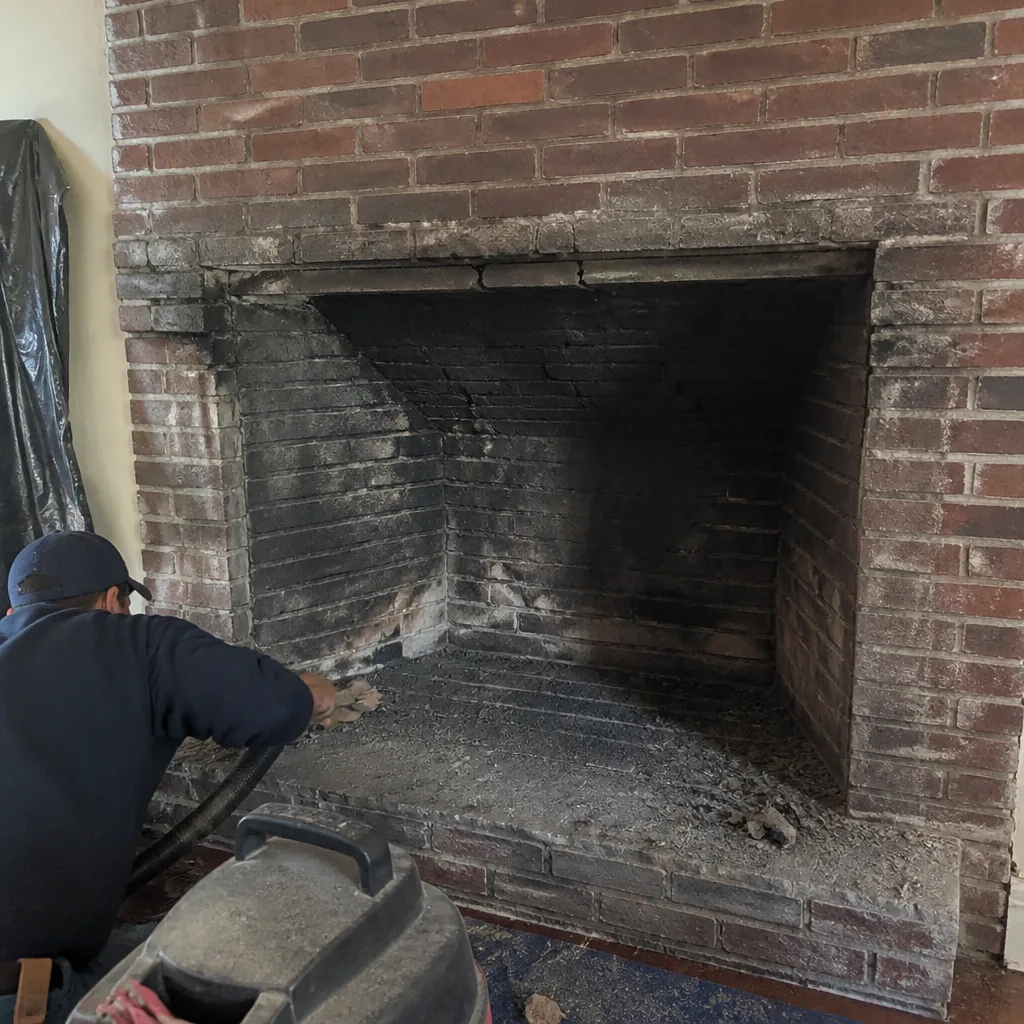 Before
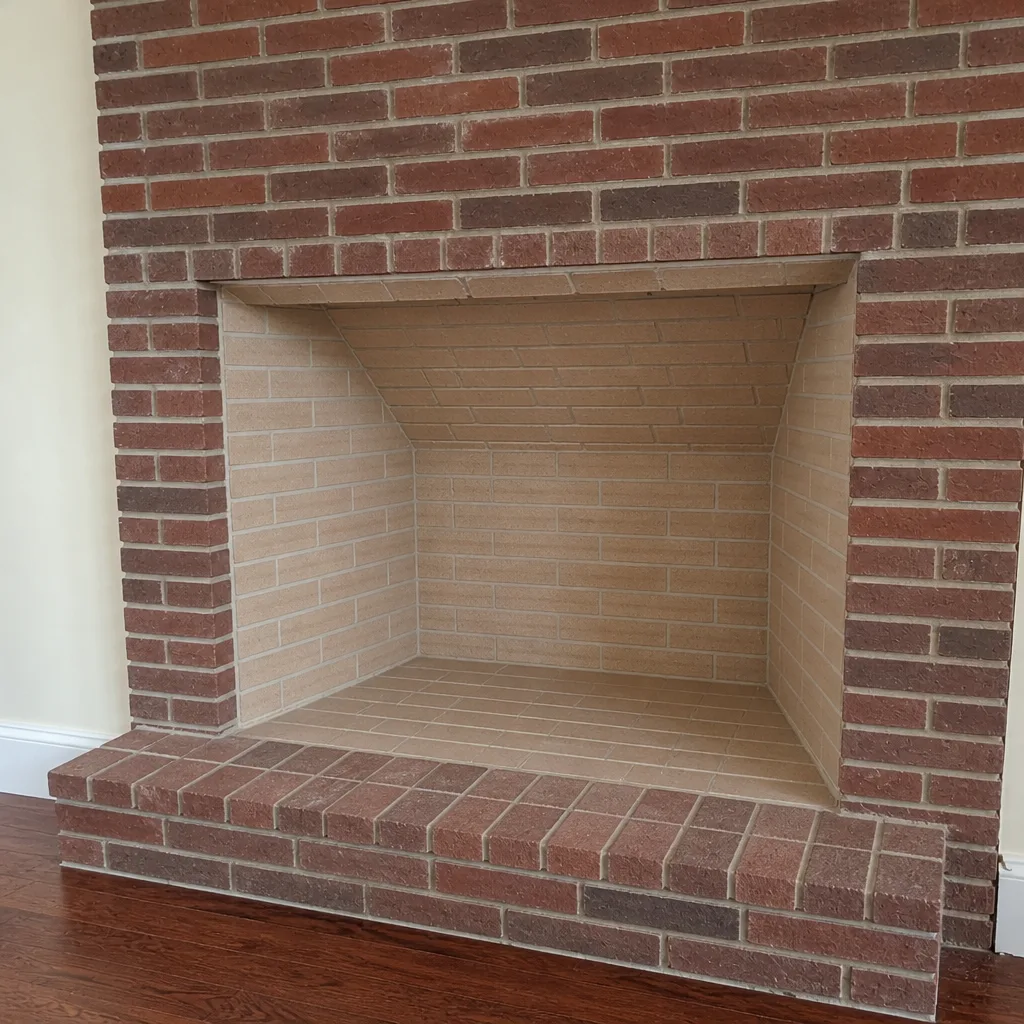 After
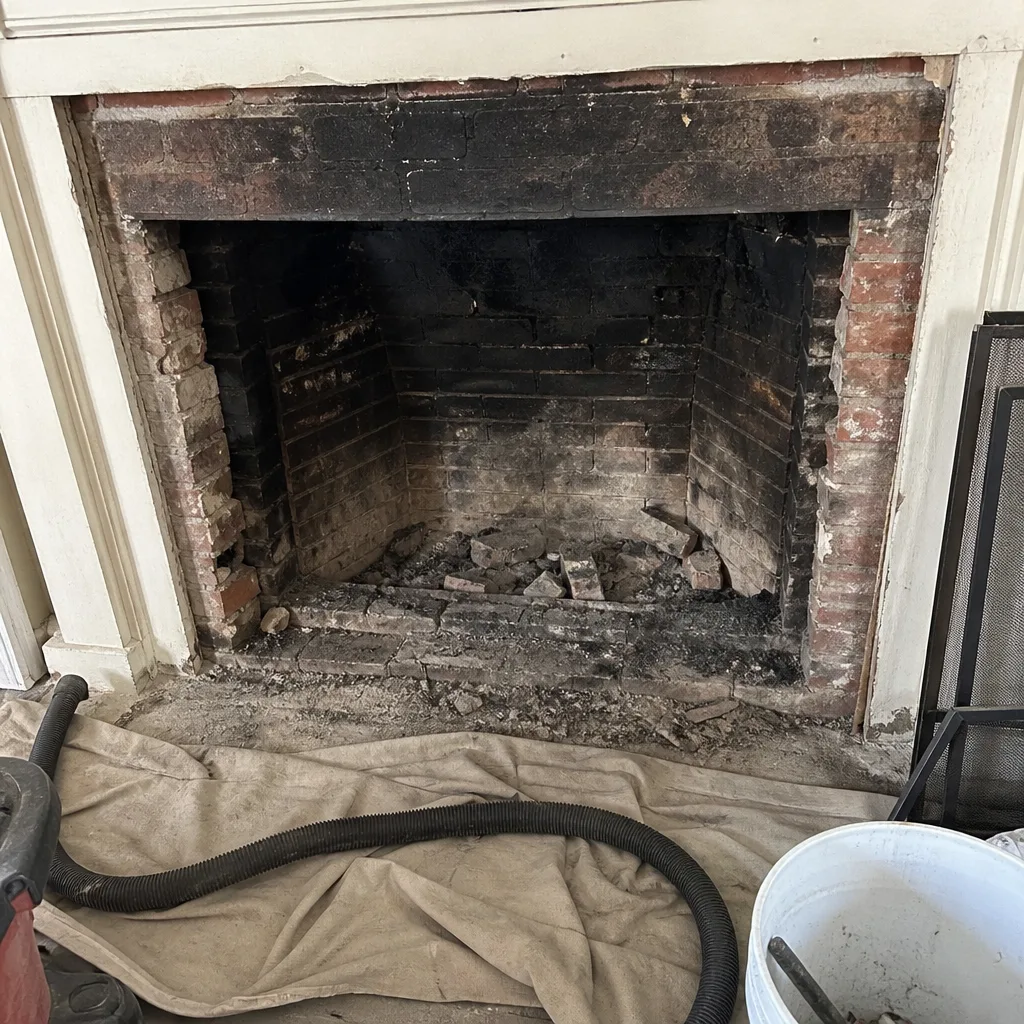 Before
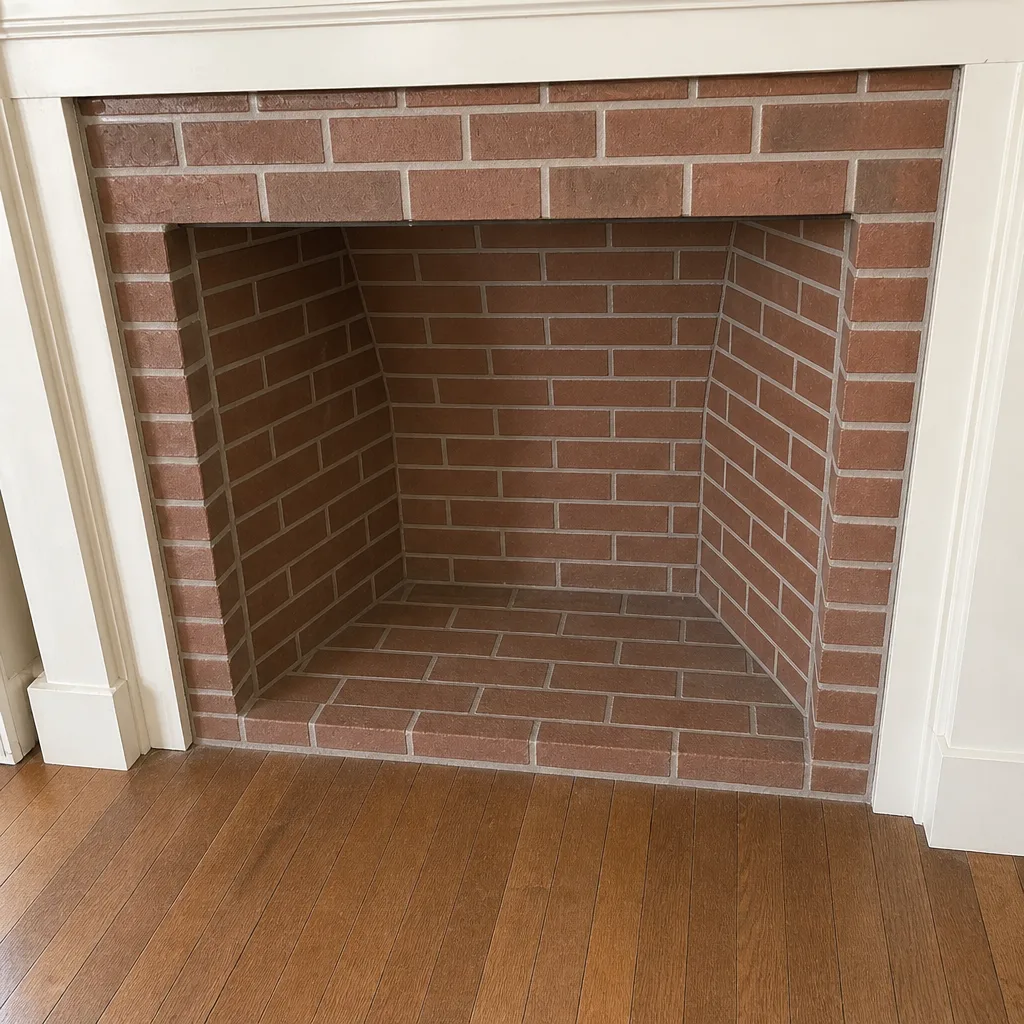 After
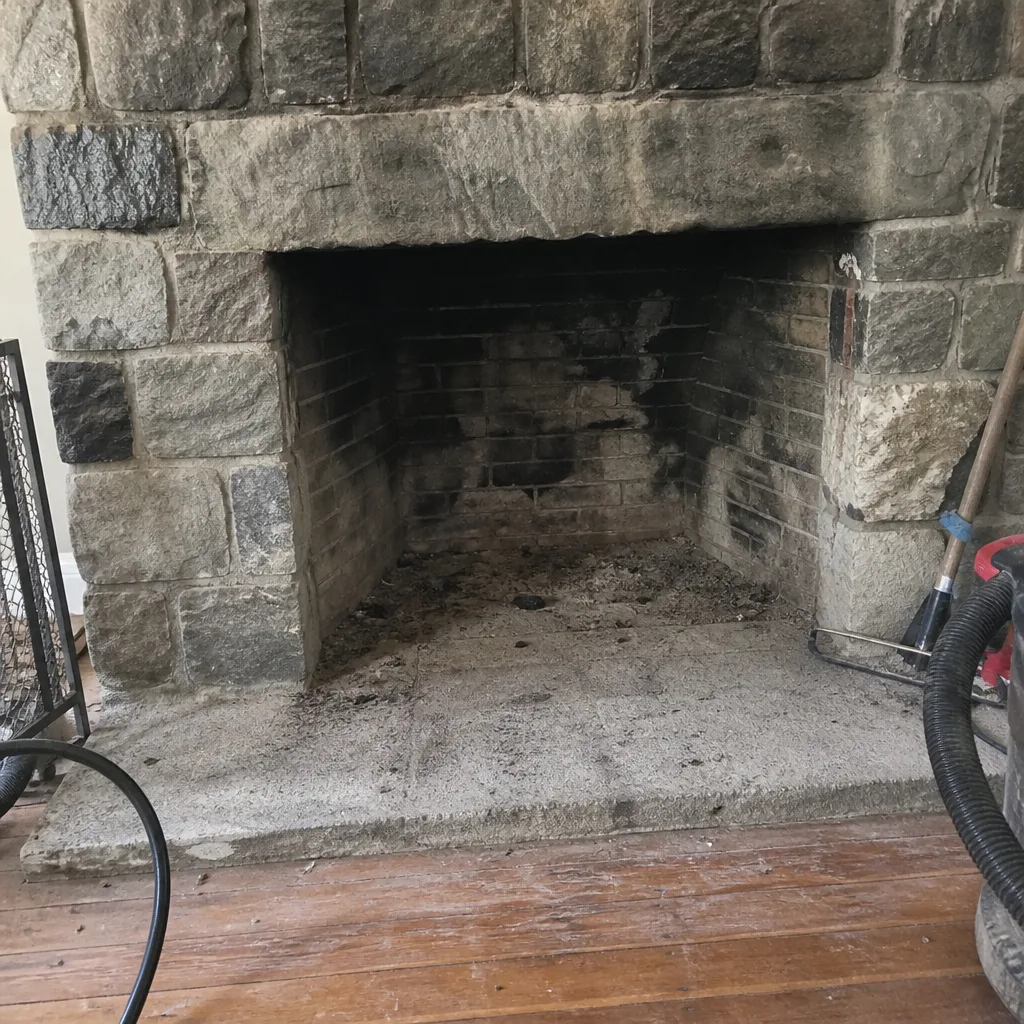 Before
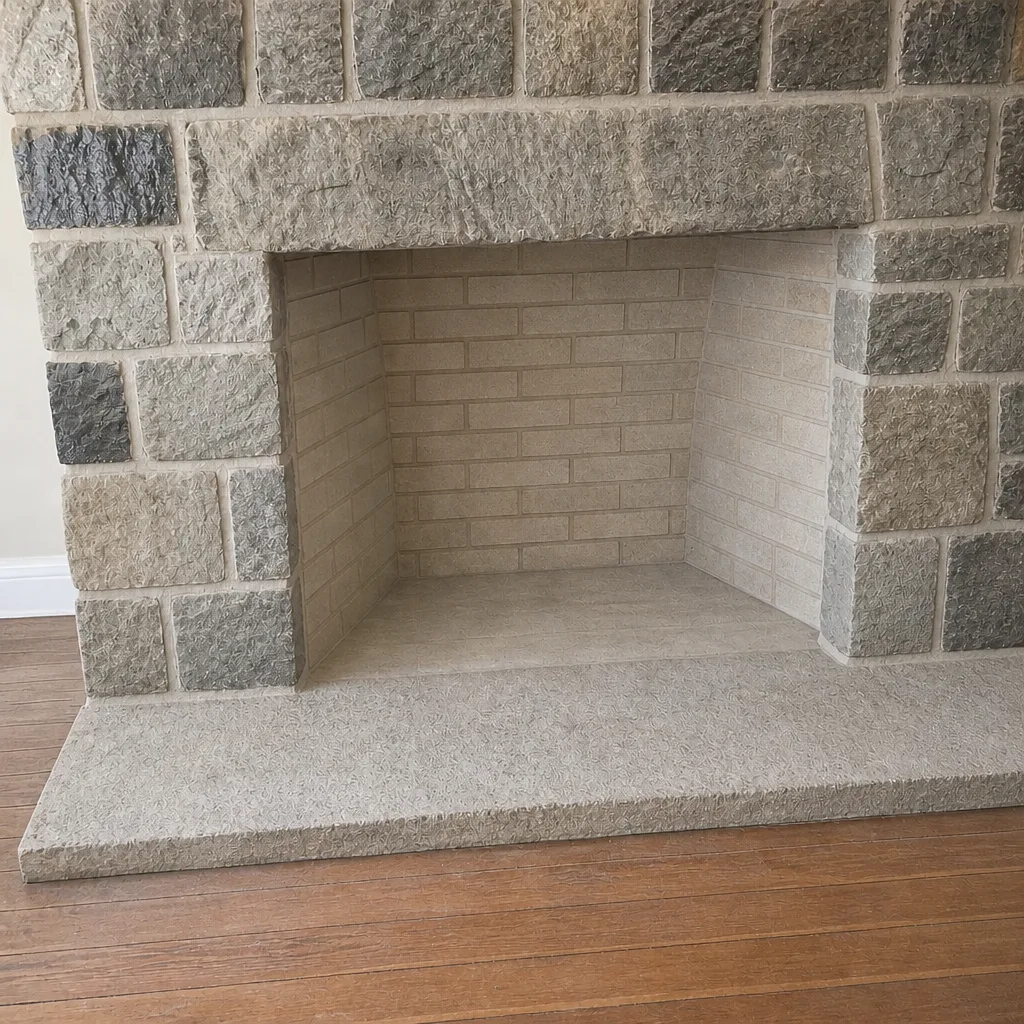 After
When to Call a Professional
Some situations don’t wait for the annual appointment. Call for an inspection if you notice a strong smoky odor in the house that wasn’t there before, especially in warm weather; if smoke backs into the room when you light a fire; if you see cracked or missing bricks on the chimney exterior; if a chimney cap is loose or missing; if your carbon monoxide detector sounds; or if it’s been more than a year since a sweep and you burn regularly. If you’re buying a home, an inspection before you close gives you real information, not a seller’s assurance. Chimney Sweep Lowell offers free estimates in Lowell – call (888) 450-3059. We answer 24/7. Fast dispatch from 7am to 7pm, Sunday through Friday.
Frequently Asked Questions
Once a year for most wood-burning chimneys with regular use, or after about a cord of wood, whichever comes first. Gas appliances usually need annual inspection with sweeping as needed, and oil or pellet appliances need annual attention to their specific residue. Because Lowell’s heating season runs long, heavy users should confirm with a technician whether annual is enough or more frequent is warranted. Call (888) 450-3059 for an exact recommendation – estimates are free.
Spring is the more informative visit because it shows what actually happened over a full burn season. Fall is a useful pre-season check. Ideally, do both. If choosing one, prioritize spring. Call (888) 450-3059 to book either.
A gas fireplace usually doesn’t need sweeping because it doesn’t produce creosote, but it does need annual inspection for obstructions, vent condition, and condensate issues. An uninspected gas flue can accumulate debris and blockages. Call (888) 450-3059 for a gas insert inspection estimate.
Creosote accumulates and becomes harder to remove, and hidden damage goes unaddressed longer. A restricted flue can also become a carbon monoxide risk. Skipping service doesn’t cause a problem overnight, but it does mean you’re operating your chimney without knowing its condition. Call (888) 450-3059 to get back on schedule – estimates are free.
An inspection will tell you the current condition and often estimate when the last service was. Going forward, keep a simple log. Call (888) 450-3059 for an inspection if you’re unsure of the history.
Yes, we offer chimney sweep and dryer vent cleaning as part of the same service scope. One visit covers both venting systems. Call (888) 450-3059 to schedule both together.
The Bottom Line
Annual sweeping is the floor, not the ceiling. The schedule that keeps your chimney safe is tiered by fuel type, usage frequency, and appliance age, and it’s anchored to Lowell’s long heating season. Book the spring visit so you’re inspecting what actually happened, keep a simple maintenance log, do the monthly cap-and-crown check yourself, and put the dryer vent on the same calendar. If a repair comes up, you want a specialist who can do the sweep, the diagnosis, and the fix without handing you off to a second company. Professional-grade parts and honest assessments matter more than a low bid. Call (888) 450-3059 for a free estimate. We answer 24/7. Fast dispatch from 7am to 7pm, Sunday through Friday.
Written by the team at Chimney Sweep Lowell.