
Last updated November 14, 2026
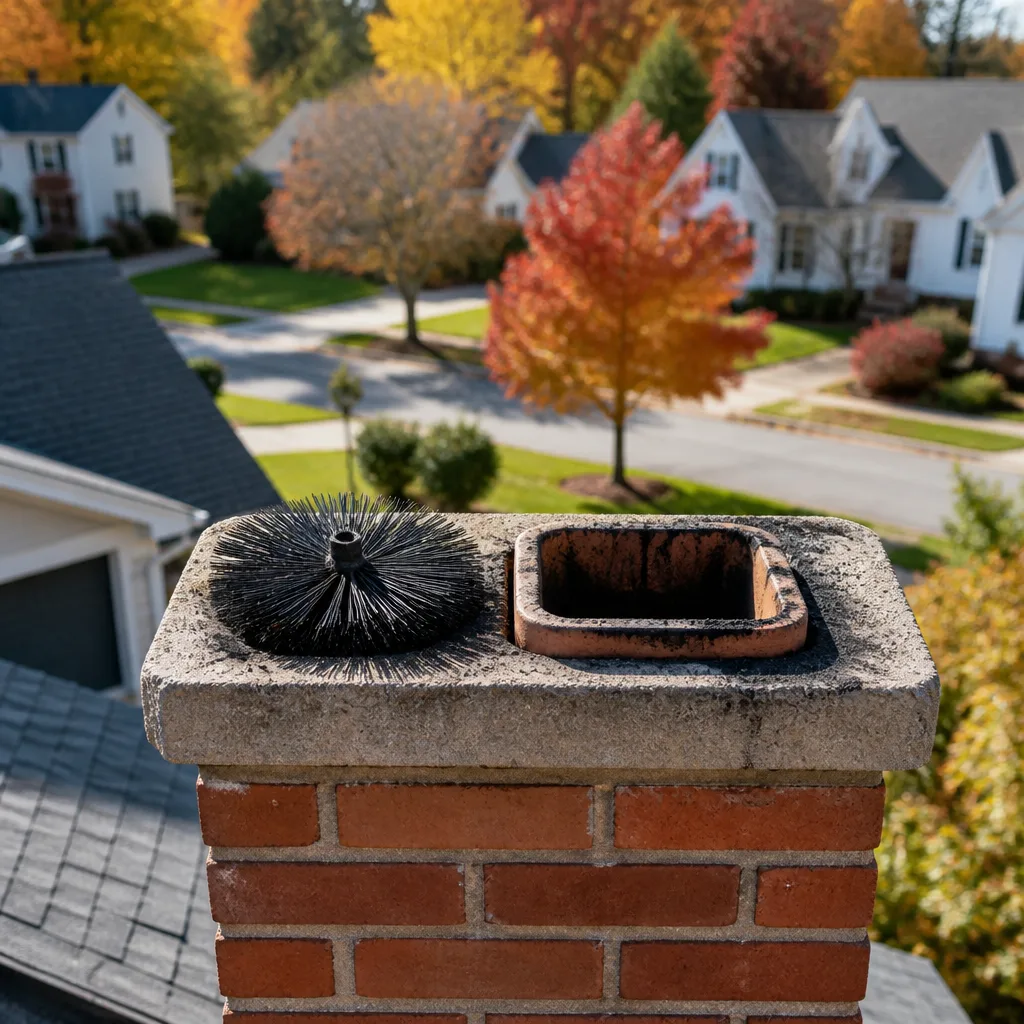 Sweep & inspection
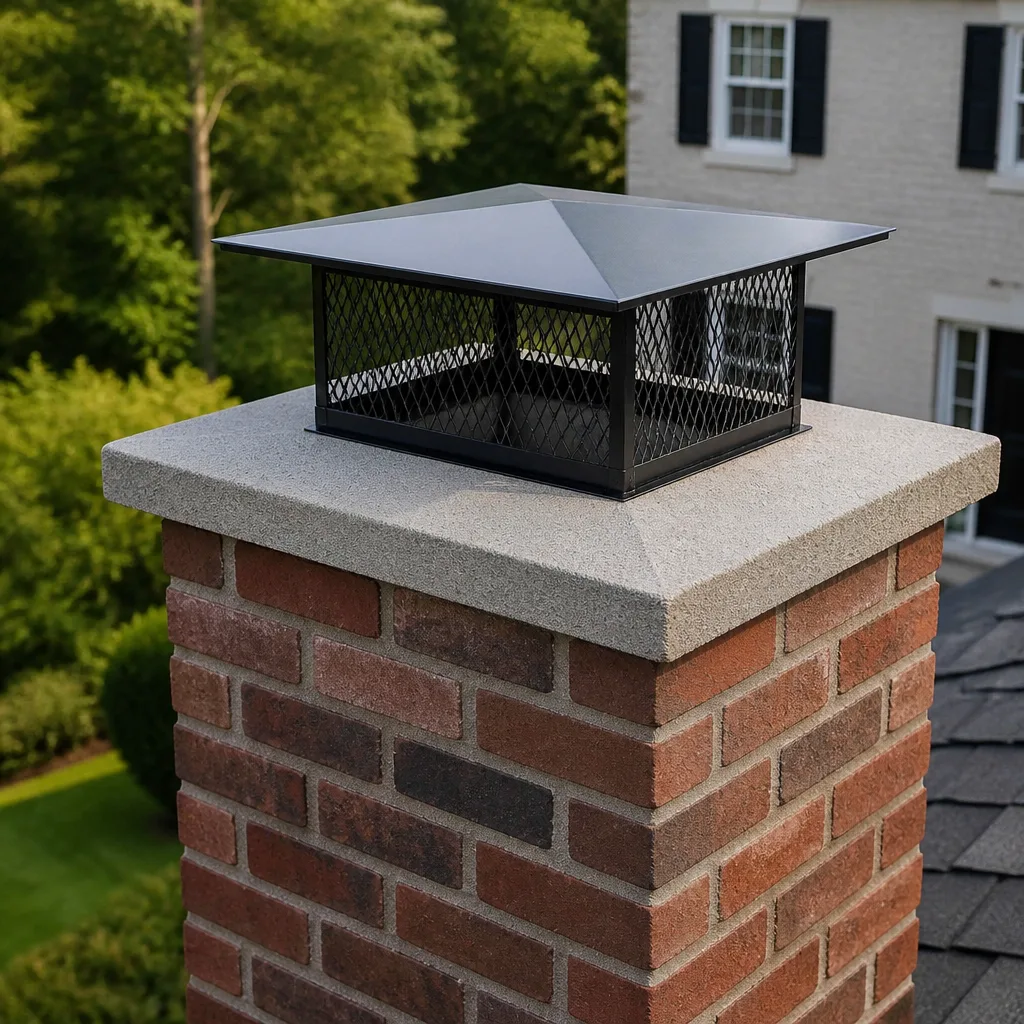 Caps & crowns
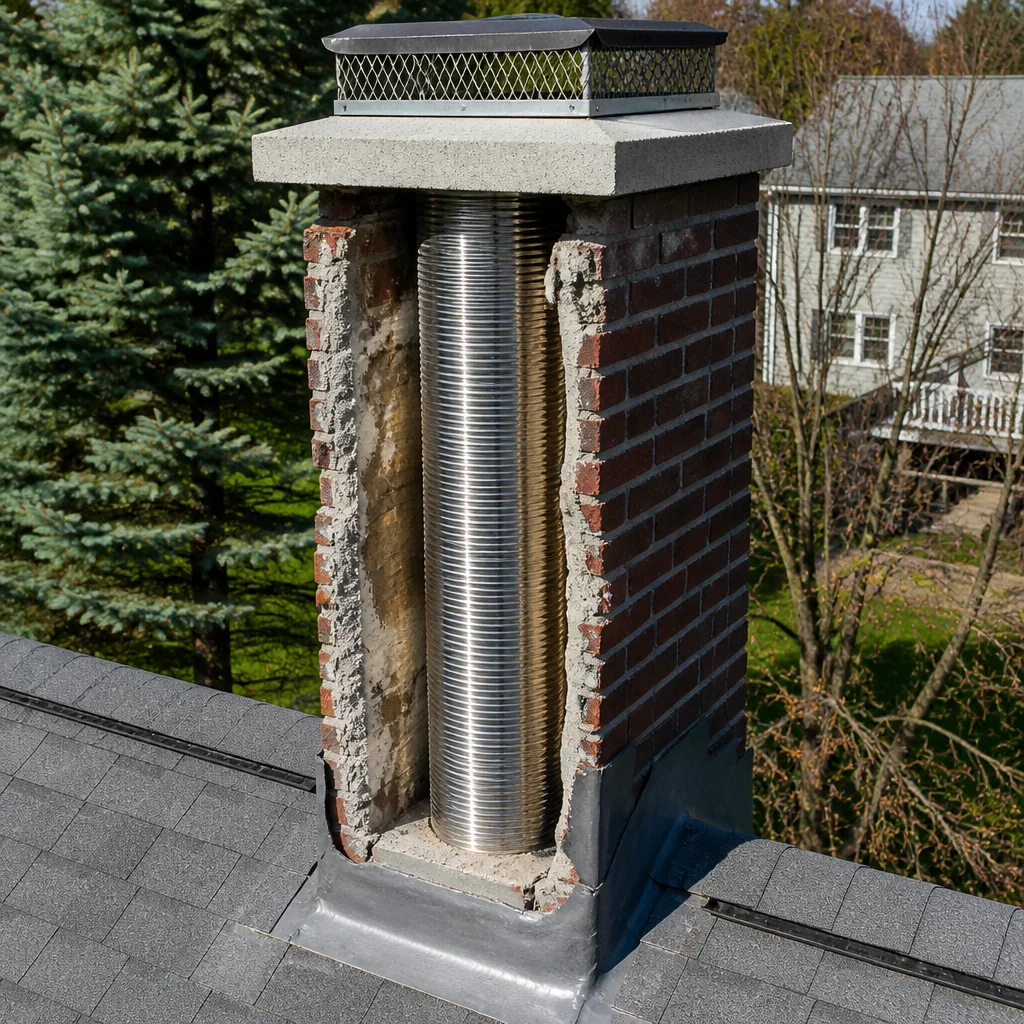 Flue relining
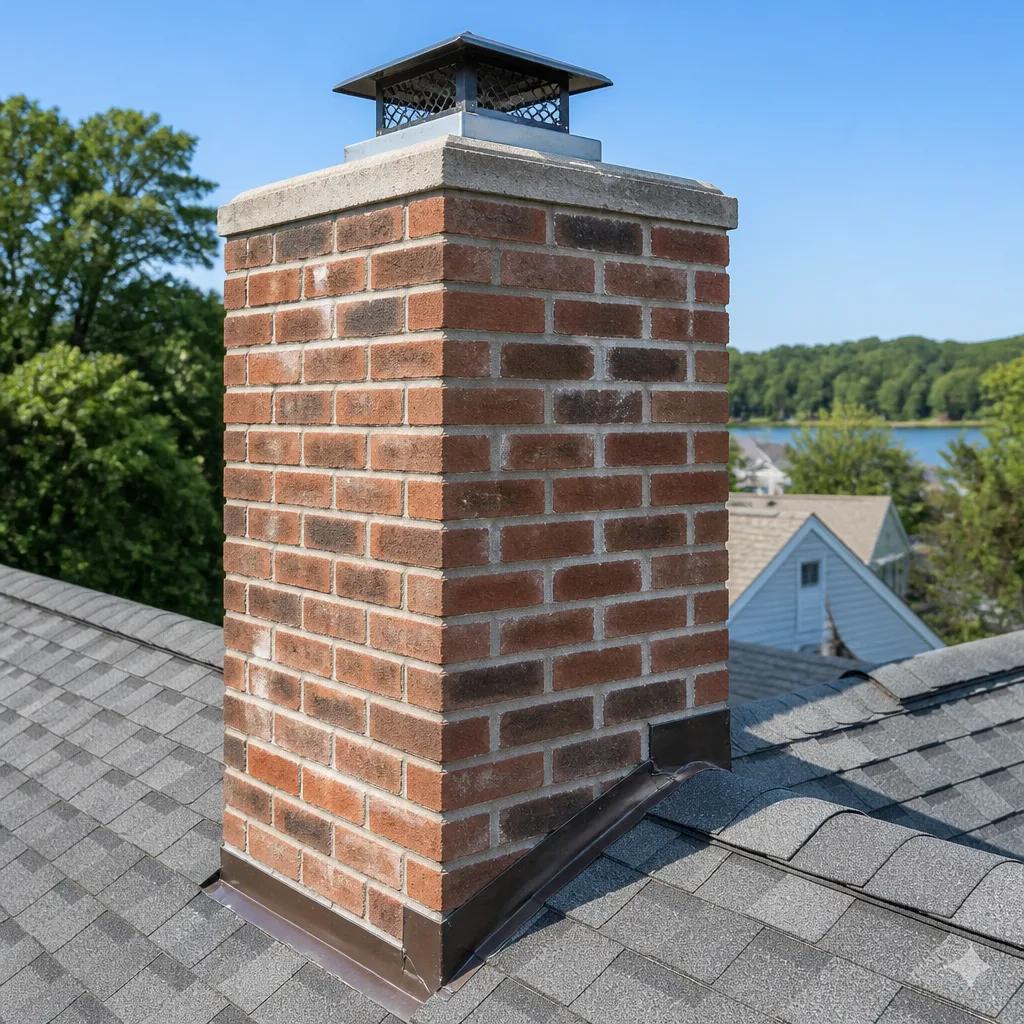 Masonry repair
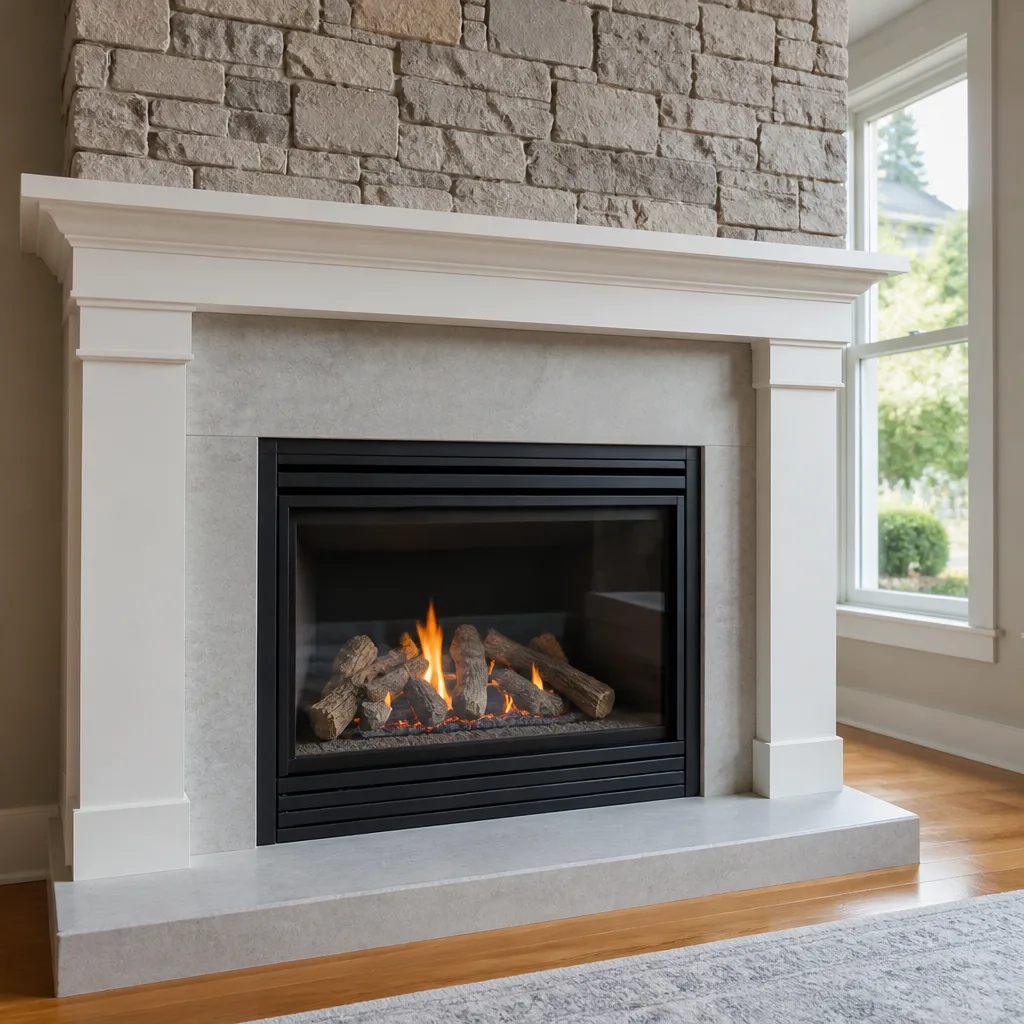 Gas fireplace service
Level 1 sweep and inspection to the NFPA 211 annual standard - flue, crown, cap, and flashing checked and photographed
Chimney sweep logs do not sweep chimneys. They loosen some creosote - which then falls where a brush and vacuum still have to collect it.
Chimney Cleaning Warning Signs: A Lowell Homeowner’s Reference Guide
A white stain on your chimney’s exterior isn’t a cosmetic problem. It’s efflorescence, and it means water has been moving through your masonry long enough to carry dissolved salts to the surface. That’s the trouble with chimney warning signs in general: the harmless ones and the serious ones often look similar from the ground, so people either panic over nothing or ignore something that needs attention before the heating season. We put this guide together because the homeowners we meet in Lowell aren’t careless. They simply don’t know what normal looks like. Here’s how to read the signals by location, by smell, by draft, and by sound, and where the line sits between a quirk and a real problem.
Quick Answer
The most important chimney warning signs in Lowell are efflorescence or crumbling mortar on the exterior, rust or cracks inside the firebox and damper area, musty or exhaust smells when the fireplace is cold, a smoky firebox that won’t draw, and crackling that continues after the fire dies. Most of these point to moisture, creosote buildup, or a failing flue liner, and all three are cheaper to address early than late. When in doubt, a camera inspection with photos you can see settles the question honestly.
Styles & brands we work with
- Sweep & inspection
- Caps & crowns
- Flue relining
- Masonry repair
- Gas fireplace service
Table of Contents
- Warning Signs by Zone: What Each Part of Your Chimney Is Telling You
- Odor Diagnostics: Creosote, Mustiness, and Exhaust Smell Mean Different Things
- Draft and Performance Signals: When a Smoky Firebox Becomes a Safety Issue
- Sounds That Matter: Popping, Crackling, and What They Signal
- The Two Warning Signs Lowell Homeowners Wait Too Long On
- What a Real Chimney Sweep in Lowell Actually Involves
- Lowell’s Seasons and Your Chimney: What to Check and When
- Don’t Forget the Dryer Vent: The Other Exhaust Hazard in Your Home
Warning Signs by Zone: What Each Part of Your Chimney Is Telling You
A chimney fails from the inside out, and each section of the system shows stress differently. When we assess a chimney in Lowell, we read it in five zones, because a signal in the attic means something different from the same signal at the firebox. Here’s the map.
- Firebox interior: Hairline cracks in the firebrick are common and often cosmetic; wide cracks, missing mortar joints, or a crumbling firebox floor mean heat is reaching the structure behind it. Soot that’s uniformly black is normal. Soot with a glazed, shiny, tar-like surface is creosote that’s been through repeated heating cycles and needs to come out.
- Damper area: The damper should open and close fully without binding. Rust, flaking metal, or a damper that sticks is a moisture signal, not just an annoyance. A damper that won’t seal when closed lets heated air escape all winter.
- Exterior masonry: Efflorescence (the white powder mentioned above), spalling brick faces, crumbling mortar joints, and rust stains on the brick are all water-path signals. A chimney crown with visible cracks lets water in at the top and it finds its way down through the whole structure.
- Roof flashing: The metal where the chimney meets the roof is where most leaks begin. Look for lifted edges, tar patches that have cracked, or staining on the roof deck around the chimney base. In Lowell, freeze-thaw cycles through a hard winter work flashing loose one season at a time.
- Attic and ceiling: Water stains on attic rafters or sheathing near the chimney, white staining on the masonry inside the attic, or a ceiling stain in the room below the chimney chase. This zone is the last to show a leak and the most expensive to fix once it does.
The point of breaking it out this way is that each zone points to a different likely cause and a different repair. Efflorescence outside points to water management at the crown and flashing. Creosote glaze inside points to a cleaning and burning-habits conversation. Rust at the damper points to moisture finding a path. Reading them together is how the real diagnosis gets made.
Odor Diagnostics: Creosote, Mustiness, and Exhaust Smell Mean Different Things
Smell is the most underused diagnostic tool a homeowner has. Three different chimney odors mean three different problems, and they don’t get the same response. If you can name what you’re smelling, you’ve already narrowed the cause.
Creosote smell
A sharp, smoky, campfire-like smell, especially on a warm day or when the fireplace is cold, usually means creosote buildup in the flue. As the temperature outside rises, the deposit off-gasses into the house. This is a cleaning issue, and the fix is a professional sweep before the next burn. It’s also a signal that it’s time rather than an emergency, but ignoring it for several seasons lets buildup accumulate in ways that become harder to remove.
Musty or damp smell
A musty smell means moisture. The house is drawing damp air down the flue, or water is reaching the masonry somewhere in the system. It’s the same signal as efflorescence on the exterior, just the indoor version. Mustiness that shows up after rain, or that shows up when the chimney hasn’t been used in weeks, points strongly to water. A rain cap that’s missing or a crown that’s cracked is often the culprit.
Exhaust or gas smell
A smell like car exhaust, or a headache and nausea when the fire is running, means combustion gases are finding their way into the house instead of up the flue. This is the dangerous one. Stop burning, ventilate the room, and call for an inspection. A failing liner, a blocked flue, or a negative-pressure problem can all push exhaust inside, and carbon monoxide is odorless on its own; the exhaust smell you can detect comes from the other combustion gases riding with it. This one doesn’t wait for a convenient weekend.
Draft and Performance Signals: When a Smoky Firebox Becomes a Safety Issue
Draft is the chimney doing its one job: pulling combustion gases up and out. When draft is weak, smoke rolls into the room, fires are hard to light and stay smoky, or the firebox smokes for minutes after lighting. Those are performance signals that can point to something as simple as a cold flue or as serious as a lined failure. Here’s a quick way to test draft direction yourself without opening anything up.
- Make sure the damper is fully open. Close the fireplace doors and any glass in front of the firebox.
- Hold a lit incense stick or a piece of smoldering paper near the open damper or the top of the firebox opening.
- Watch the smoke. If it’s pulled up into the flue, you have draft. If it drifts into the room or hangs flat, draft is weak or reversed.
- Check with the house fans off, then again with the kitchen or bath exhaust fan running. If draft reverses when fans run, the house is depressurizing and fighting the chimney.
That last step is the one that catches people in Lowell. Older homes with tight envelopes and modern exhaust fans can pull enough negative pressure to reverse a flue. If your firebox smokes only when the bathroom fan is on, that’s the tell. A smoky firebox that’s clearly a draft failure isn’t a cosmetic problem. It means a hazardous condition can push combustion gases into the room instead of out.
Sounds That Matter: Popping, Crackling, and What They Signal
Not every sound a chimney makes is a warning. Some is just physics. The skill is separating the two.
- Popping and ticking during a burn: Normal. Metal and masonry expand as they heat, and the sound usually fades once the firebox reaches temperature. It’s not a signal of a problem.
- Crackling or a “settling” sound after the fire has died: Pay attention here. If it continues after the fire is out and the firebox is cooling, it can indicate cracked masonry or a loosened firebox component. It’s not always structural, but it’s a reason to look.
- Whistling or howling: Usually a draft or air-path signal. Wind over a partially blocked flue or a missing cap can whistle. It doesn’t point to danger on its own, but a new whistle after a storm is worth checking.
- Loud rumbling or a deep roar during a burn: A sign of a fire running very hot, possibly with excess creosote igniting in the flue. Shut the fire down carefully and don’t light it again until it’s been inspected.
Sound is more useful as a trend than a single event. If your fire has always popped, that’s your normal. If it starts crackling differently this winter, that’s the signal to watch.
The Two Warning Signs Lowell Homeowners Wait Too Long On
Of everything in this guide, two signals are the ones we most often see homeowners sit on until the repair is much larger. Neither is dramatic when it first appears, which is exactly why they get put off.
1. A crack in the flue liner
Clients tell us they saw a crack inside the firebox or a piece of mortar missing and assumed it was just surface wear. A compromised flue liner is the single biggest repair-economics story in chimney service, because the liner is what keeps heat and gases away from the wood framing of the house. A small flaw caught early can often be resurfaced rather than replaced. Let it go a few more seasons and the flue is compromised enough that a full liner is the only path. That’s a much larger job, and it’s the reason we keep HeatShield on the shelf: it’s a resurfacing system that restores a deteriorating liner without a full replacement, and it’s work most sweep-only outfits can’t do because they don’t hold the certification. If a company can only clean, they only find problems. If they can resurface and line, they can actually fix them.
2. Efflorescence and spalling on the exterior
The white staining and flaking brick look like weathering so people leave them. But it’s the exterior version of the musty smell inside. Water moving through masonry through freeze-thaw cycles is what destroys brick. In Lowell, that cycle runs hard from late fall through early spring. A crown repair and flashing reseal done one season is a fraction of the work that rebuilding chimney masonry in spring becomes. The water has to be stopped before it does any more damage, and the earlier it’s caught, the smaller the job.
Both of these are the same story: the cost difference between early and late is enormous, and neither one requires a technician to guess. A camera inspection and photos of what we see put the decision in the homeowner’s hands with evidence.
What a Real Chimney Sweep in Lowell Actually Involves
A chimney sweep in Lowell is more than a brush run down the flue. A proper visit is inspection, cleaning, and a report, and the sequence matters. Here’s the standard we hold to and what you should expect from anyone you hire.
- Pre-sweep inspection. We check the firebox, damper, smoke chamber, flue, cap, and exterior before any cleaning starts, and confirm the flue is safe to brush. A chimney with heavy glaze or cracked tile can’t just be cleaned without addressing the state of the liner first.
- Protection and setup. Work area covered, drop cloths down, vacuum running, and a plan for keeping dust out of the room. Ask any company how they set up.
- Sweep the firebox and flue. Brushing from the bottom up to the proper brush size for the flue, which takes into account the shape and material. A round brush in a square flue cleans the corners less thoroughly than a proper brush.
- Camera inspection of the flue. The sweep is only half the visit. A camera down the flue shows the liner wall, any gaps, any offsets, any glaze that brushed off in a way that suggests the liner is at end of life.
- Photo report. You get images of what we found, not a verbal summary. The report is what makes the difference between “your chimney needs work” and “here’s what we see, here’s why it matters, and here’s what can wait.”
- Repair options in writing. Anything found gets a written estimate with materials sourced from professional-grade brands – DuraFlex flexible liners for offset or aged flue configurations, HeatShield for resurfacing, Olympia Chimney and Famco for caps, dampers, and venting components. You shouldn’t be told what’s wrong without being told what the fix is.
That last point is the difference between a clean-and-go operation and a full-cycle service. The Chimney Sweep Lowell model is sweep, inspect, repair in one visit where possible, with the camera evidence to back up each step. Our technicians have up to 12 years of experience, and the products we install are the same brands certified chimney professionals rely on nationwide.
Lowell’s Seasons and Your Chimney: What to Check and When
Lowell’s climate does most of the diagnostic work for you if you know when to look. A chimney is a wet structure half the year and a dry one the other half, and the visible state changes with the season.
- Late summer and early fall: The best window for a sweep before the first burn. Creosote from last winter has had months to settle. A fall inspection catches the flue issues before the heating season starts, when scheduling is straightforward.
- After the first hard freeze: The freeze-thaw cycle is the test. Exterior masonry that looked fine in October can show spalling by December. Look at the ridge of your chimney crown and the brick faces facing the weather once the temperature drops.
- Mid-winter: Watch for interior tell-tales: mustiness, unusual smoke behavior, draft that only fails on a cold snap. This is when the interior liner flaws show up as a draft problem.
- Spring: Best time to schedule repairs you identified over the winter. Masonry work and crown repair done in spring have the season to cure before the next burn.
For a real-estate transaction, a sweep and inspection ahead of the sale saves both sides from the late-game scramble when a buyer’s inspector flags the chimney. A written inspection with photos is a much cleaner document than a verbal “it’s been cleaned.”
Don’t Forget the Dryer Vent: The Other Exhaust Hazard in Your Home
Inside venting systems don’t get the same scrutiny as the chimney, and they should. A dryer vent that’s blocked or clogged with lint is a fire hazard on its own, and the warning signs are just as easy to misread. Long dry times, a dryer that runs hot to the touch, a musty smell inside the drum, or lint accumulating around the outside vent flap are all signals the vent path needs cleaning. Inside units, lint accumulation along the full duct run is what drives the fire risk. What most homeowners don’t realize is that the vent path runs through the same house, and dryer vent cleaning on the same visit as the chimney sweep is a genuine safety win. One specialist can look at both, and the same person who finds a problem is the one who fixes it. We’d rather see the whole exhaust picture in one call than have you booking three contractors who each look at a slice.
Common Mistakes to Avoid
- Assuming the staining is normal weathering. The white staining is efflorescence, and the flaking is spalling. Each points to water doing damage. Waiting for the “next repaint” doesn’t stop the water; it just lets the damage spread.
- Cleaning the flue but not inspecting the liner. A chimney can be swept clean and still have a compromised liner holding combustion gases back from the structure. The sweep and the camera inspection should always be the same visit.
- Burning green or unseasoned wood to save money. It runs cooler and produces far more creosote than seasoned wood. In Lowell, the difference is a lot more flue cleaning over a winter.
- Skipping the dryer vent. The dryer vent is part of the exhaust system and gets ignored more than any other part of the house. Lint in the run is a fire path.
- Letting a “sweep” who can’t repair tell you what to do. If a company can only clean, their inspection has a natural ceiling; a camera sees a liner flaw they can describe but not fix. Ask whether the same specialist can do the repair.
- Ignoring a smoky firebox that only smokes on certain days. Draft that fails only when fans run or on a cold snap can still push combustion gases inside. It deserves the same inspection as a smoky fire.
- Hiring on price alone. A low bid that doesn’t include a camera inspection and a photo report leaves you with a clean chimney and no information. You can’t judge what you can’t see.
See the difference
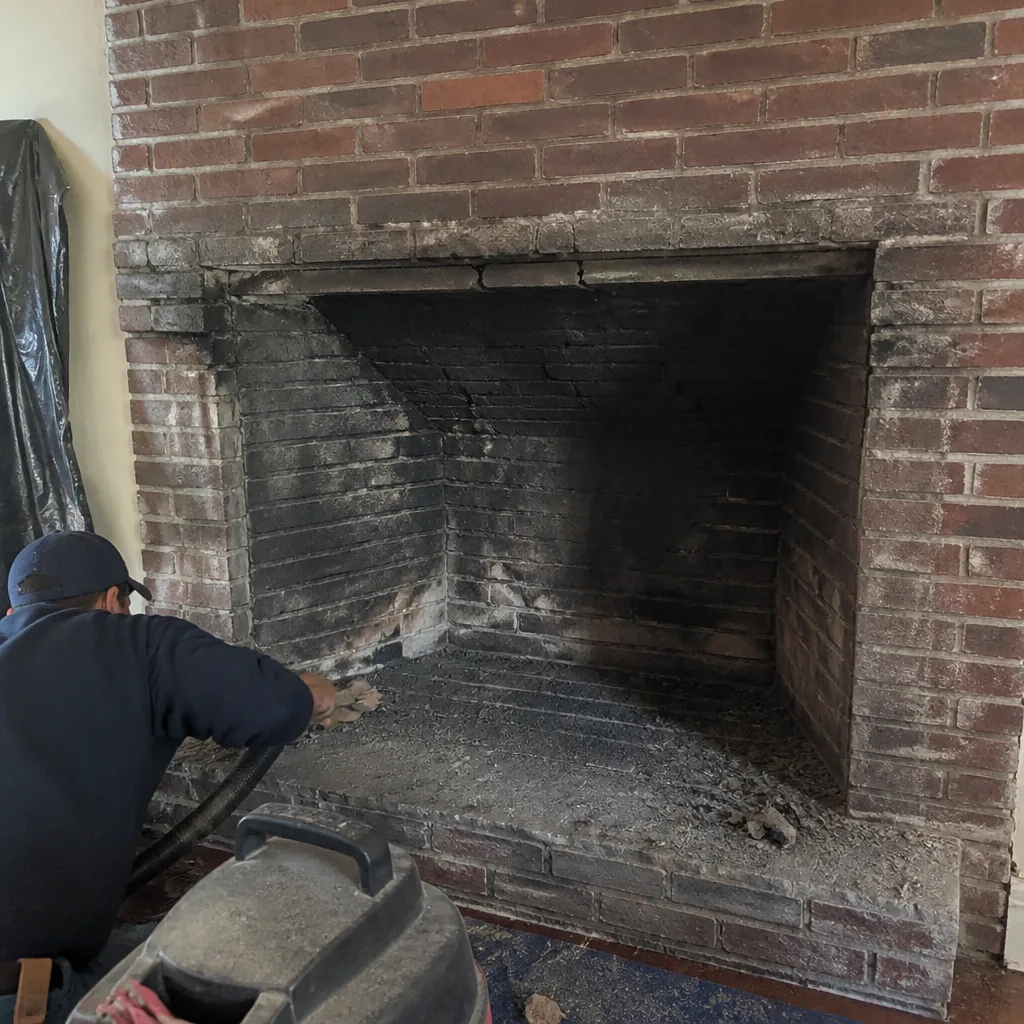 Before
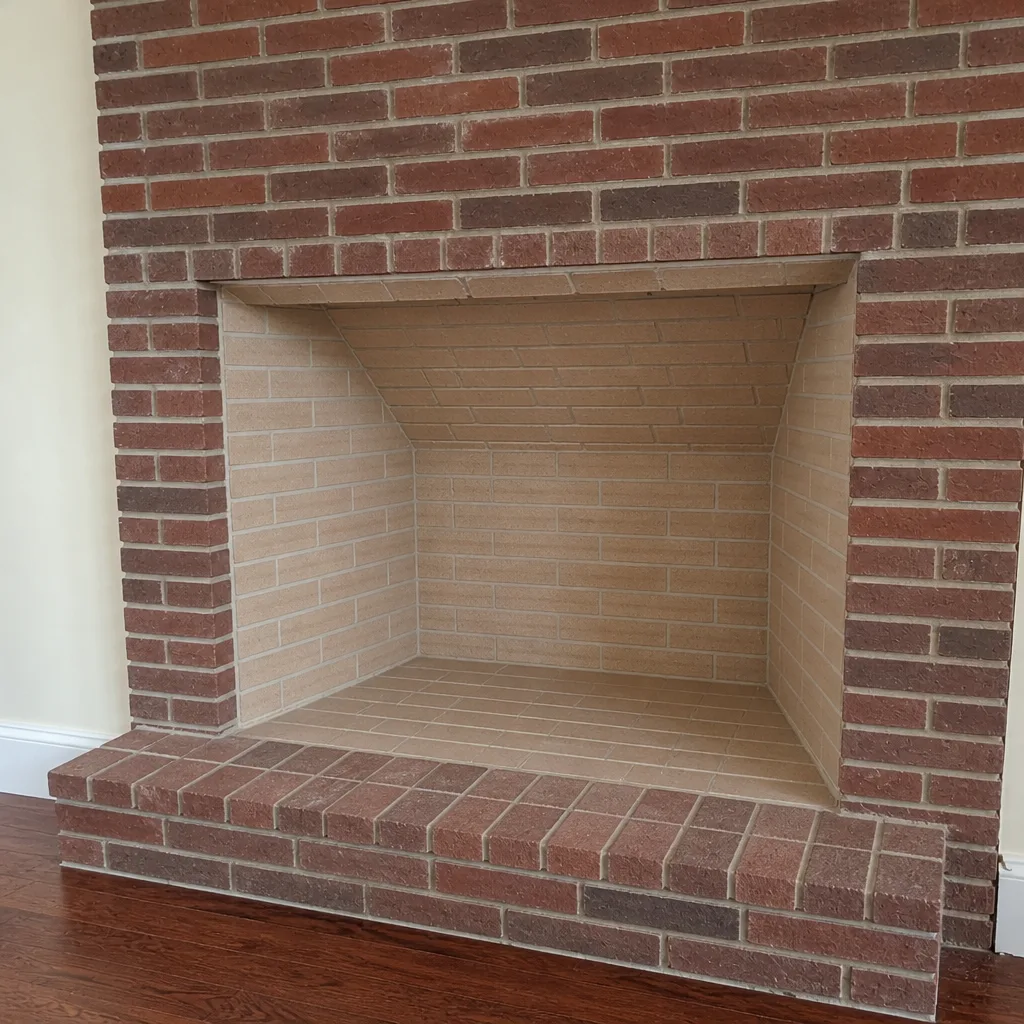 After
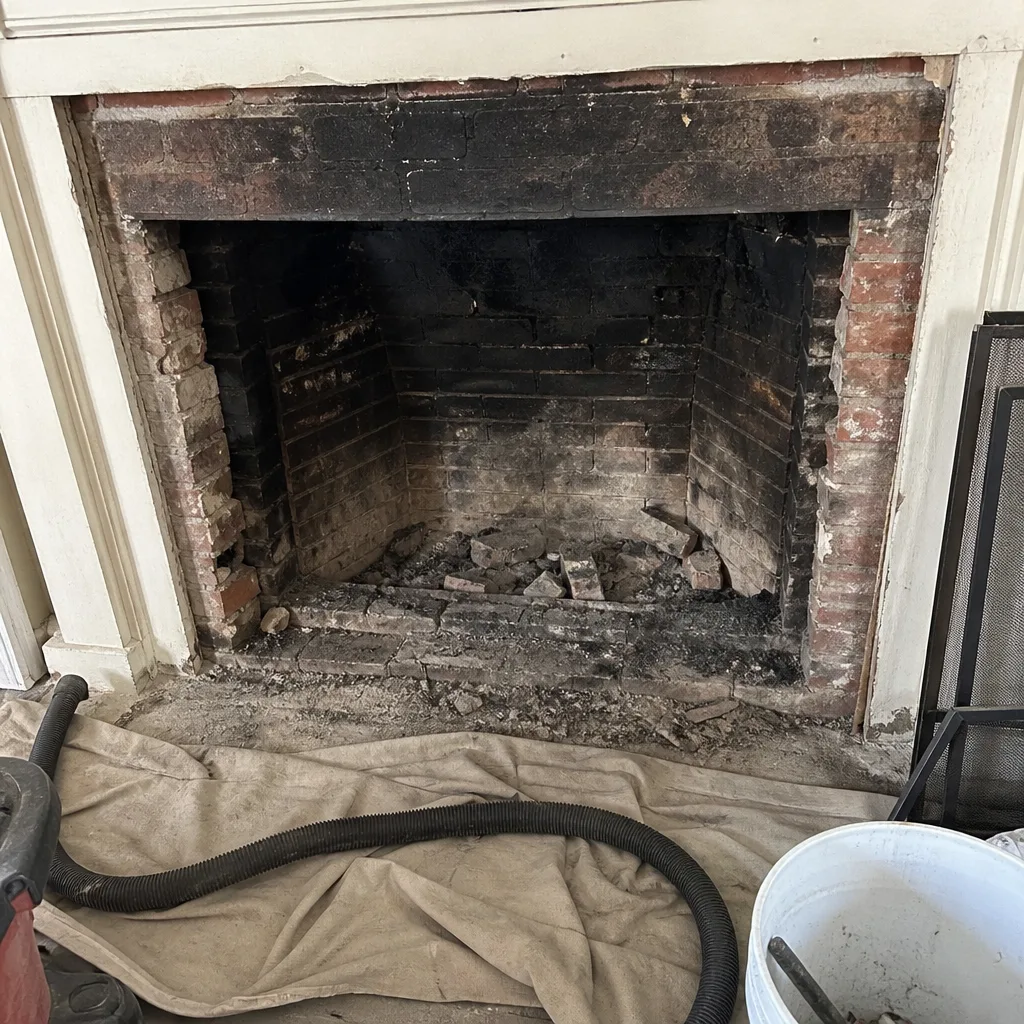 Before
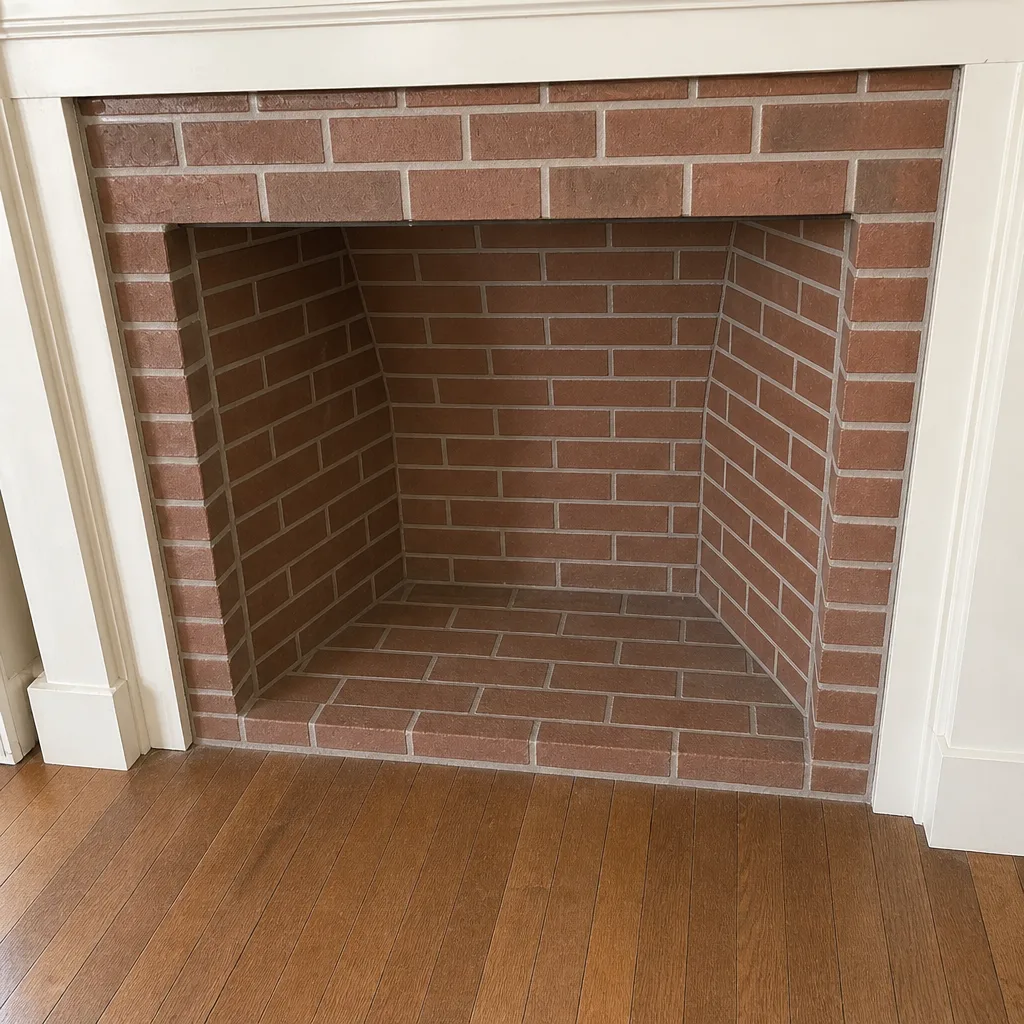 After
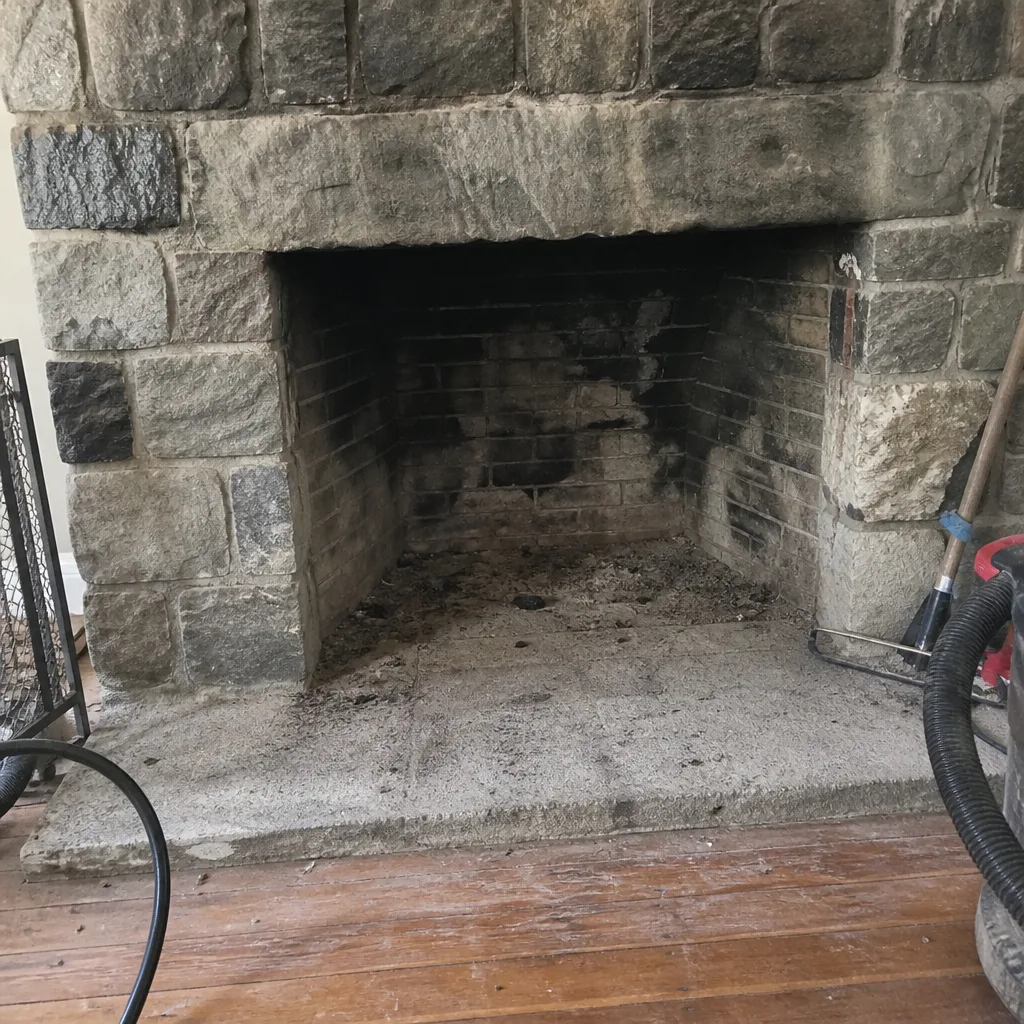 Before
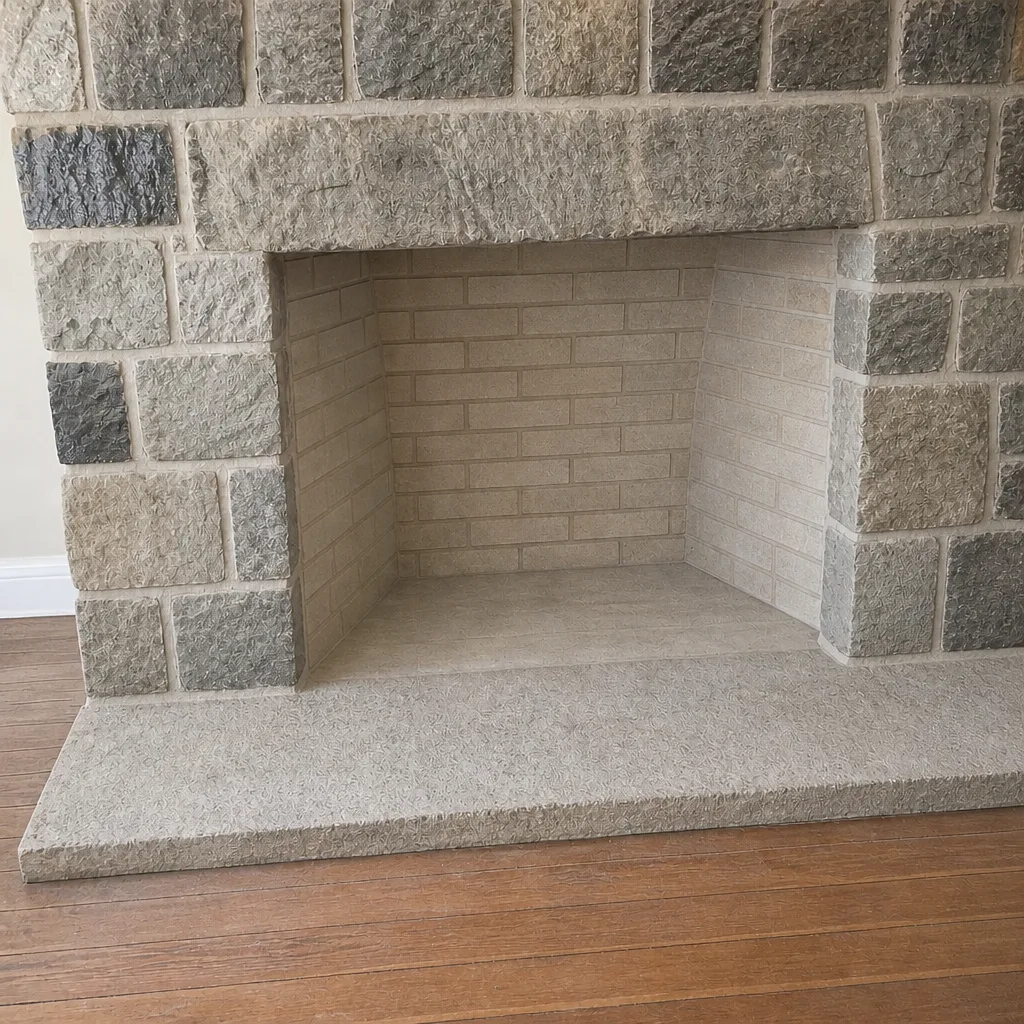 After
When to Call a Professional
Call a professional when any of the following is true: you smell exhaust gases when the fire is running; you see a headache or nausea pattern during burns; the firebox smokes consistently regardless of the wood or the damper; efflorescence or spalling on the exterior has appeared or spread; the camera-free look at the flue shows cracked tile or a missing liner section; or the firebox crackling continues after the fire dies. Also call if a dryer runs longer than it used to or the vent flap is accumulating lint. A sweep before the heating season is the routine reason to call, and it’s the cheapest insurance on the whole system. Chimney Sweep Lowell offers free estimates in Lowell: call (888) 450-3059. The estimate is set per job in writing, nothing is recommended without camera evidence you can see, and we’ll tell you plainly when work can safely wait. Our technicians have up to 12 years of experience, and they install and service products from professional-grade brands including DuraFlex, HeatShield, Olympia Chimney, and Famco.
Frequently Asked Questions
Efflorescence and spalling on the exterior, rust or cracking at the damper and firebox, a persistent creosote smell when the fireplace is cold, and a firebox that smokes without a clear draft reason top the list. Musty smells point to water, exhaust smells point to a combustion gas problem. Call (888) 450-3059 for an exact estimate; estimates are free.
A white stain is efflorescence, and it means water has been moving through the masonry long enough to carry dissolved salts to the surface, so it’s a water-management signal rather than a cosmetic one. It’s worth an inspection to check the crown and flashing. Call (888) 450-3059 for an exact estimate; estimates are free.
Yes. Soot and dry, flaky creosote are the lightest form and the easiest to brush. A glazed, shiny, tar-like layer is more advanced buildup that has been through repeated heating cycles, and it needs more than a standard brush pass. If you’re seeing that layer, it’s time for a professional sweep. Call (888) 450-3059 for an exact estimate; estimates are free.
Yes, a reversed draft that only appears when fans run means the house is depressurizing and pulling air down the flue instead of up. That’s a combustion gas risk, not just a smoky-room inconvenience, and it deserves an inspection. Call (888) 450-3059 for an exact estimate; estimates are free.
Popping and ticking during a burn are normal thermal expansion. Crackling that continues after the fire is out and the firebox is cooling is the signal that matters, and it’s worth inspecting. Call (888) 450-3059 for an exact estimate; estimates are free.
It’s a real service, not an upsell: lint accumulation in the vent run is a fire hazard, and the signs (long dry times, a hot dryer, a lint-heavy vent flap) are easy to miss. The same specialist visits your chimney anyway. Call (888) 450-3059 for an exact estimate; estimates are free.
The Bottom Line
Most chimney warning signs look similar from the ground, and that’s why so many homeowners either ignore a real signal or pay for work they didn’t need. The guide comes down to five things. A white stain is water, not weather. A musty smell is moisture, a creosote smell is cleaning, and an exhaust smell is a safety call. Draft direction tests are something you can do yourself in a minute. Sounds are useful as a trend rather than a single event. And the two signals that cost the most when ignored are liner cracks and exterior water damage, both of which are far cheaper to address early. For everything else, the honest way to make the decision is a camera inspection with photos you can look at yourself. Lowell homes deserve a specialist who can sweep, inspect, and repair without sending you to a second company.
Call (888) 450-3059 for a free estimate. We answer 24/7. Fast dispatch from 7am to 7pm, Sunday through Friday.
Written by the team at Chimney Sweep Lowell.