
Last updated November 14, 2026
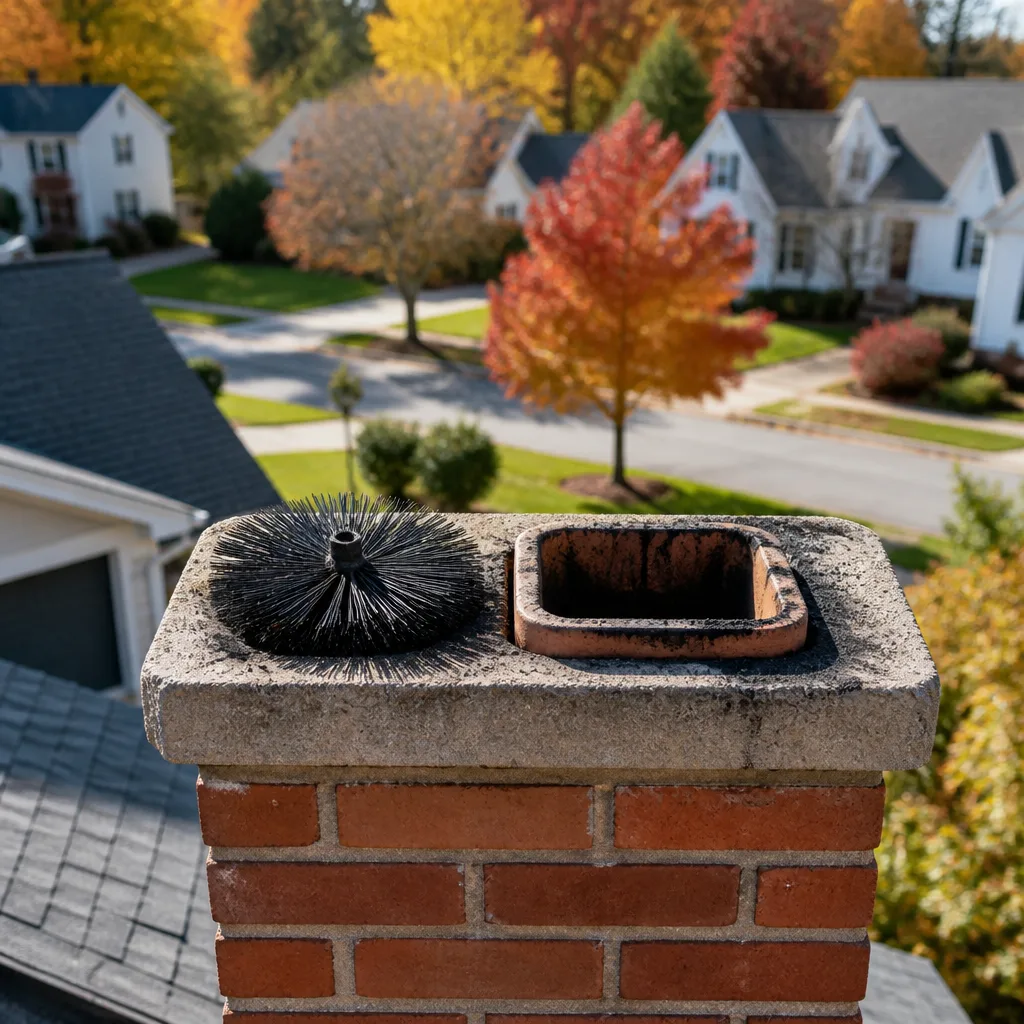 Sweep & inspection
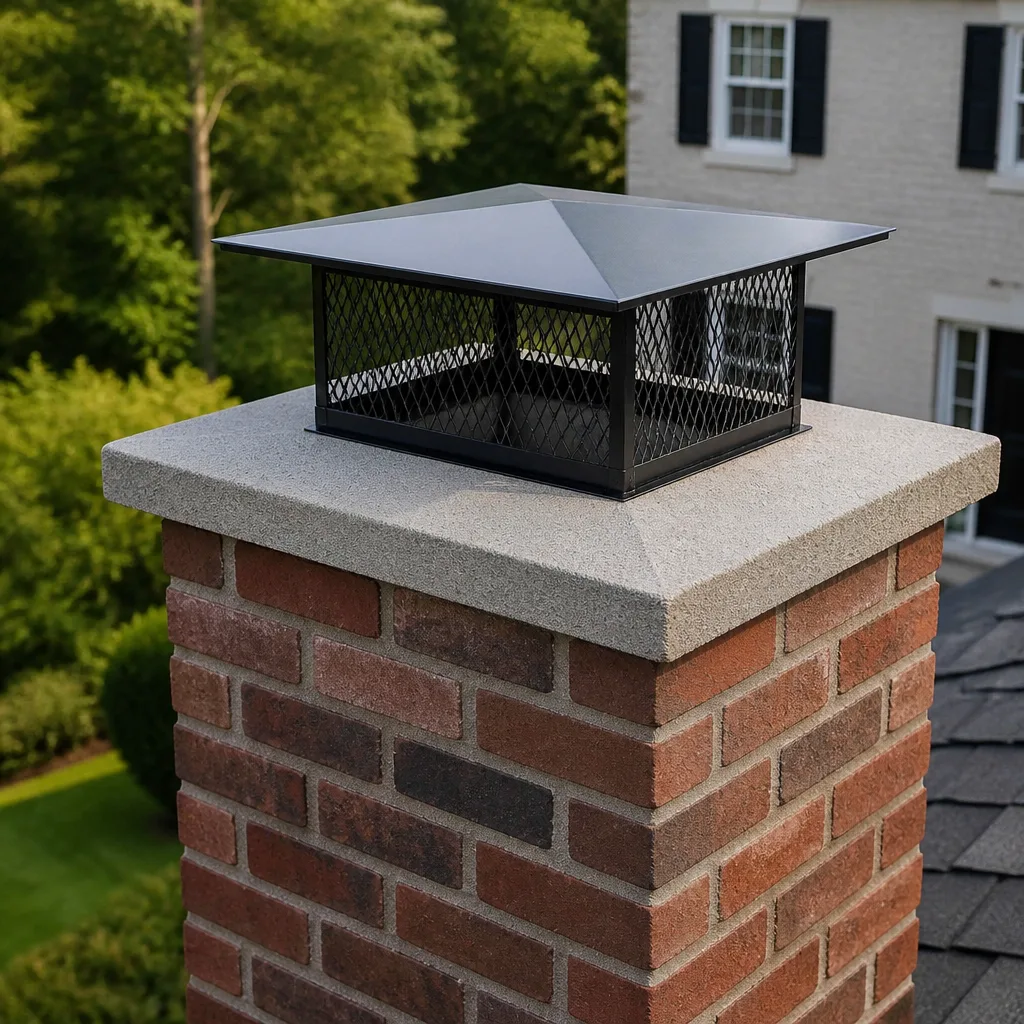 Caps & crowns
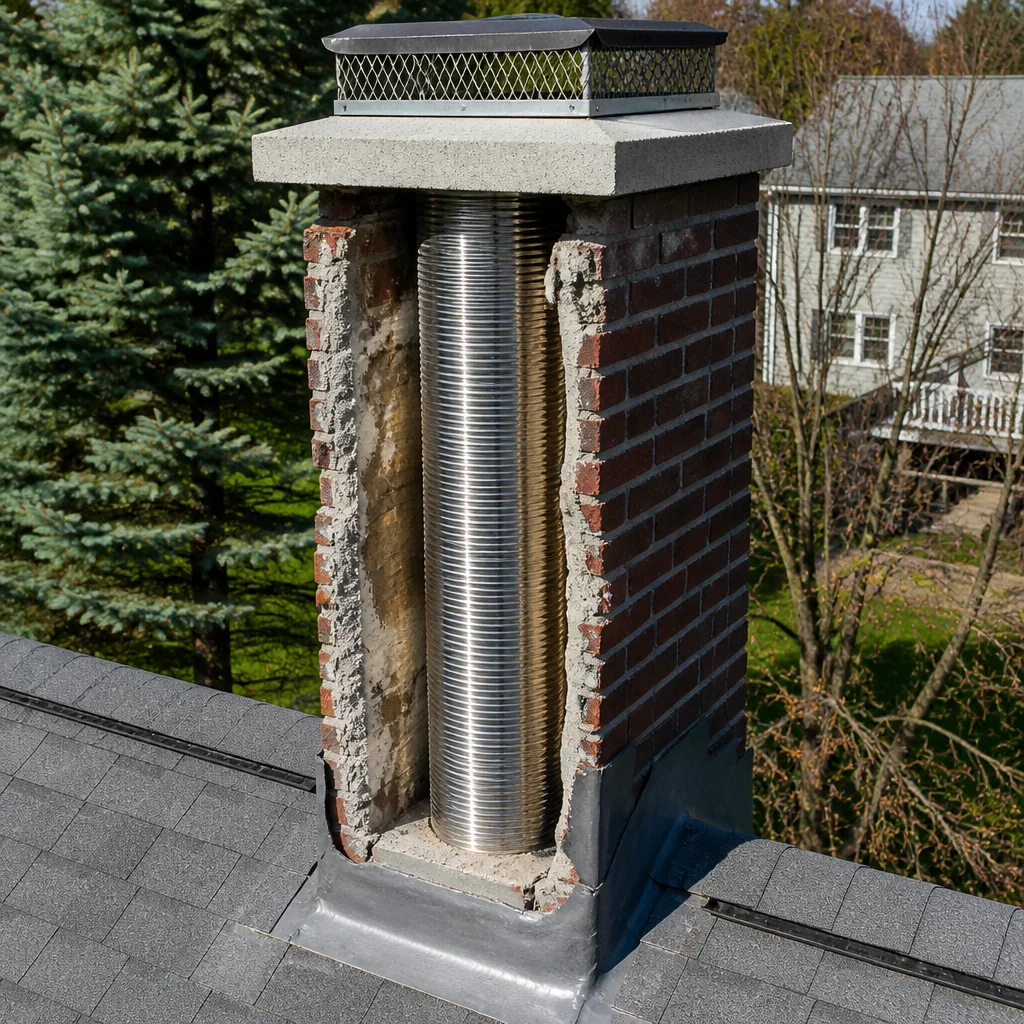 Flue relining
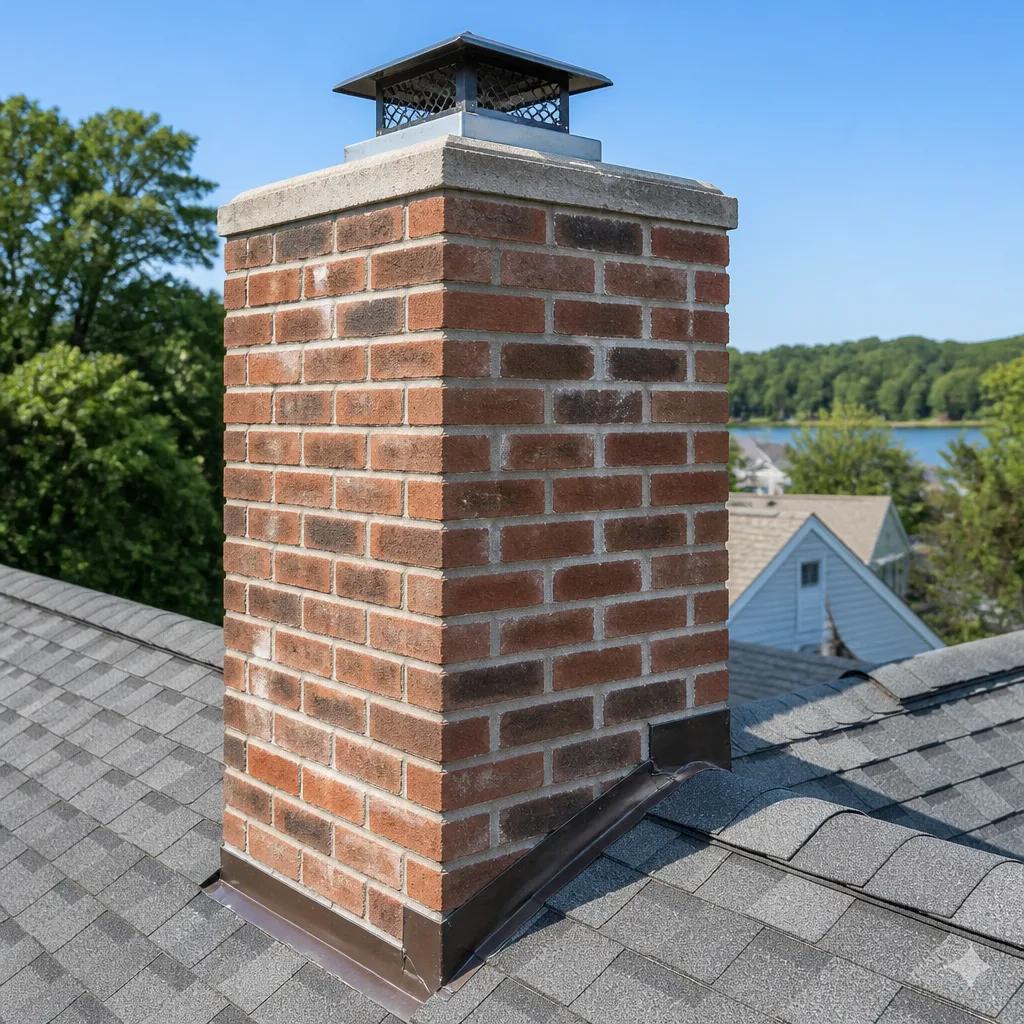 Masonry repair
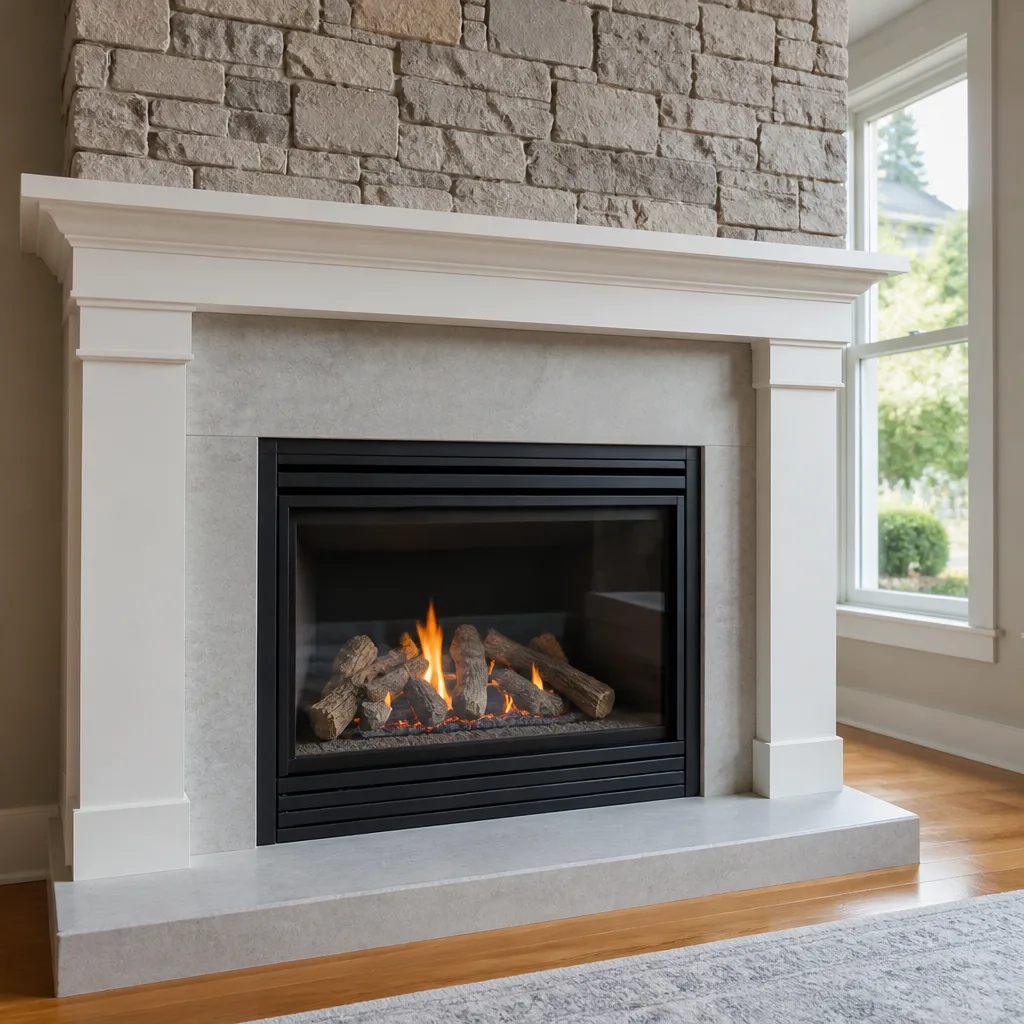 Gas fireplace service
Level 1 sweep and inspection to the NFPA 211 annual standard - flue, crown, cap, and flashing checked and photographed
Chimney sweep logs do not sweep chimneys. They loosen some creosote - which then falls where a brush and vacuum still have to collect it.
Chimney Sweep Maintenance Checklist for Lowell Homeowners
A woodstove owner in Lowell who burns four cords a season needs a completely different inspection schedule than a neighbor running a gas insert on the same street. Yet most chimney checklists treat them identically, handing out the same generic PDF to everyone who asks. That mismatch is where real problems hide. Your checklist should be built around what your system actually is: the fuel you burn, the age of the appliance, the liner material inside the flue, and how many heating months your chimney actually runs each year. In this guide we lay out separate checklist tracks for wood, gas, oil, and pellet systems, show you what you can safely check from the ground and what needs a professional, and give you a seasonal trigger system so nothing slips between September and April. The goal is a checklist calibrated to your chimney, not a stranger’s.
Quick Answer
A chimney maintenance checklist for Lowell homeowners should have four tracks (wood, gas, oil, pellet), three seasonal checkpoints (September before first fire, January at peak burn, April after the season ends), and a section for exterior items you can visually inspect from the ground. Anything involving the flue interior, the crown at height, or the liner itself belongs to a professional with a camera. Sweep wood systems annually or every cord burned, have gas and oil systems inspected yearly, and document every finding with a photo or note so a technician can read trends instead of snapshots.
Styles & brands we work with
- Sweep & inspection
- Caps & crowns
- Flue relining
- Masonry repair
- Gas fireplace service
Table of Contents
- Why a Generic Checklist Misses the Mark
- Checklist Track 1: Wood-Burning Fireplaces and Woodstoves
- Checklist Track 2: Gas Inserts and Gas Log Sets
- Checklist Tracks 3 and 4: Oil and Pellet Systems
- What You Can Safely Check From the Ground
- The Seasonal Trigger System: September, January, April
- Liner-Specific Checkpoints by Material
- How to Document Findings So Trends Show Up
Why a Generic Checklist Misses the Mark
A checklist is only useful if it matches the system it’s checking. A gas insert and a woodstove fail in entirely different ways. The gas unit builds up corrosive moisture and can develop a cracked heat exchanger you’ll never spot with a flashlight. The wood unit builds creosote, and how fast it builds depends on how dry your wood is, how hot you burn, and how restricted the draft is in an older Lowell flue. Same house, same chimney stack, two very different inspection priorities.
Lowell adds another variable most generic guides ignore: housing stock. The city has a dense mix of triple-deckers, converted mill buildings, and older single-family homes, and the chimney systems inside them vary wildly. One house on a street may have a clay tile flue that’s served a fireplace for generations, another may have a stainless liner added in the last decade, and a third may have a cast-in-place liner poured sometime in between. Each liner type has its own warning signs.
Then there’s burn volume. Lowell sits in a heating climate with long, cold winters, which means your chimney runs hard for months and sits idle for months. That on-off cycle matters. A system that runs six or seven months a year accumulates creosote faster and expands and contracts more than a system in a milder climate. Your checklist needs to account for that rhythm, not a one-size calendar.
The right approach is to build your checklist from three inputs: fuel type, liner material, and heating months. Everything else in this guide hangs off those three. Our technicians have up to 12 years of experience, and the pattern we see over and over is that homeowners who track these three variables catch small issues before they turn into repairs. If you’d rather have a specialist build the baseline for you, a chimney sweep is the right starting point.
Checklist Track 1: Wood-Burning Fireplaces and Woodstoves
Wood is the highest-maintenance fuel you can burn, and it deserves the most detailed track on your checklist. The failure mode you’re guarding against is creosote: a tar-like residue that builds up inside the flue as smoke cools, and that can ignite under the right conditions. How fast it accumulates depends on your wood’s moisture content, your burning habits, and your draft. The solution is a sweep on a schedule tied to how much you actually burn.
Here’s the wood-burning checklist:
- Annual sweep, minimum. Have the flue swept once a year if you burn regularly. If you burn four or more cords a season, plan on a sweep tied to cords rather than the calendar. Ask for a camera inspection each time.
- Wood moisture check. Test your firewood with a moisture meter before burning. Seasoned wood burns hot and produces less creosote than green wood.
- Damper operation. Open and close the damper by hand to confirm it moves freely and seats properly. A stuck damper changes your draft and burn quality.
- Firebox inspection. Look for cracks in the firebox brick and mortar joints. Small cracks in the firebox can widen over a season.
- Cap and spark screen. From the ground, confirm the cap is intact and the spark screen is clear. A clogged screen restricts draft and can push smoke back into the room.
- Creosote staging. Ask your technician to note the creosote stage (glaze, flake, or tar) after each sweep. That note is the single most useful trend data you’ll collect.
- Liner integrity. Every sweep should include a visual of the flue liner. Cracks, gaps at the joints, and missing mortar are what a professional looks for.
- Draft test. Confirm the chimney draws properly with the appliance running. Weak draft is often the first sign of an obstruction or a liner problem.
If you’re burning wood in a system you haven’t had assessed, the first task isn’t the checklist, it’s the baseline inspection. A professional will establish where you’re starting so the rest of the checklist has something to measure against.
Checklist Track 2: Gas Inserts and Gas Log Sets
Gas systems are cleaner than wood, but they aren’t maintenance-free, and the failure modes are different enough to warrant their own track. The primary risks with gas are moisture, corrosion, and combustion problems. A gas appliance produces water vapor as a byproduct, and in a chimney that runs cool or intermittently, that moisture condenses and can damage the liner over time. The other concern is the heat exchanger and burner assembly, where a crack or blockage can affect combustion safety.
Here’s the gas checklist:
- Annual professional inspection. Even a clean-burning gas insert should be inspected yearly by a specialist. Combustion problems don’t announce themselves.
- Pilot and burner flame. A healthy flame is blue with maybe a hint of yellow at the tips. A mostly yellow or orange flame suggests incomplete combustion.
- Carbon monoxide detector. Keep a working CO detector on every level of the home, and test it monthly. This isn’t optional for gas appliances.
- Venting and termination. Confirm the vent termination outside is clear of nests, snow, and debris. Blocked venting on a gas appliance is a carbon monoxide hazard.
- Condensation signs. Look for water stains around the insert or rust at the vent connections. Both point to a moisture problem in the flue.
- Glass and gaskets. On a sealed gas insert, check the glass for soot buildup and the door gasket for a tight seal.
- Liner compatibility. Confirm the liner in your flue is rated for gas appliance venting. Older flues built for wood may not be appropriate for a gas insert without a proper liner.
The number one mistake we see with gas systems is treating them as self-maintaining because the fire looks clean. It’s the invisible exhaust that matters. If you’ve added a gas insert to an older Lowell chimney without confirming the liner is appropriate, that’s the first thing a professional visit should address. Our team can assess it and, if a new liner is needed, install a DuraFlex flexible system sized to your appliance.
Checklist Tracks 3 and 4: Oil and Pellet Systems
Oil and pellet systems round out the picture, and while they’re less common in Lowell single-family homes, plenty of properties still run them. Neither is the same as a wood fireplace, and both deserve their own dedicated checklist line items.
Oil systems. Oil-fired appliances produce soot and sulphur-bearing exhaust that can be corrosive to metal liners, especially when the appliance cycles on and off or runs cooler than ideal. An oil system needs an annual professional inspection, a soot and sulfur check inside the flue, and careful attention to the liner material. Clay tile flues serving oil appliances should be inspected for spalling and deterioration, and the chimney top should be checked for soot deposits. If you notice soot staining or a sulfur smell, that’s a call-now item.
Pellet systems. Pellet stoves are efficient and burn cleanly when they’re operating properly, but they produce fly ash that accumulates in the flue and can restrict draft. The checklist for pellets includes:
- Annual professional cleaning of the flue and venting.
- Ash removal from the vent pipe and termination cap.
- Checking the exhaust venting for a tight seal; leaks let exhaust into the home.
- Inspecting the outside termination for obstruction.
- Confirming the flue liner is rated for pellet appliance venting.
If you’re running more than one fuel system, track each one separately. Combining them in your checklist is how things get missed. It’s also where a full-cycle specialist comes in handy: the same team can sweep, inspect, and repair any of these systems in one visit, so you’re not juggling separate contractors for your wood fireplace and your dryer vent. Speaking of which, your dryer vent cleaning belongs on a checklist too. A dryer vent is an exhaust pathway just like a chimney, and it clogs the same way lint accumulates. If you’re already booking a sweep, add the dryer vent to the same call.
What You Can Safely Check From the Ground
Not everything belongs in a homeowner’s hands, and that’s fine. There’s a clear line between what you can safely check from the ground and what needs a professional on the roof with a camera and the right tools. Respecting that line is part of a good checklist.
These exterior items you can check from the ground, safely, with binoculars if you need them:
- Chimney crown condition. Look for visible cracks or pieces missing from the top. A cracked crown lets water into the masonry.
- Chimney cap. Confirm it’s present, intact, and not bent or missing. A working cap keeps rain, birds, and debris out.
- Flashing at the roofline. Check for visible gaps, rust, or peeling where the chimney meets the roof. You’re looking for anything that suggests water can get in.
- Spark screen or animal guard. A clogged or missing screen is a common cause of draft problems.
- Masonry joints and brick face. Look for crumbling mortar or spalling brick on the parts of the chimney you can see.
- Mortar stains and water tracks. Streaks or stains on the exterior can point to a leak you’d otherwise miss.
These are observation items, not repair items. If you spot something, note it and mention it at your next professional sweep. What you should not do is climb onto a steep roof, lean into the flue from above, or attempt any work at height. Roof access is genuinely dangerous, and a single misstep has serious consequences. Height work belongs to trained professionals with fall protection.
If any of these observations look urgent, call rather than wait. Call (888) 450-3059. We answer 24/7. Fast dispatch from 7am to 7pm, Sunday through Friday.
The Seasonal Trigger System: September, January, April
The most protective thing you can do for your chimney is to check it on a schedule tied to your actual heating pattern. In Lowell, that pattern is clear: the burn season runs roughly from late fall through early spring, with the heaviest use in the middle. Three seasonal checkpoints cover it well.
September: Before the First Fire
This is your pre-season checkpoint, and it’s the most important one. You’re confirming the system is ready before you light your first fire, not discovering a problem in November.
- Book a professional sweep and inspection before the heating season starts.
- Have the flue swept and the liner visually inspected with a camera.
- Check the cap, crown, and flashing from the ground.
- Test your smoke and carbon monoxide detectors and replace the batteries if needed.
- Have your firewood tested for moisture and stock enough seasoned wood for the season.
- Confirm the damper opens and closes smoothly.
January: Peak Burn
Midwinter is peak burn time, and there’s less to do here than you might think. The goal is observation, not intervention. Note how your appliance is burning, whether you’re seeing smoke back-draft or a weaker fire than usual, and whether creosote seems to be building faster than your last sweep suggested. If your burn changes noticeably, that’s worth a mid-season call. In our experience, a January call that catches a developing problem saves a much bigger repair in April.
April: After the Season Ends
The post-season checkpoint is where trends show up. Schedule a sweep at the end of the season, capture the creosote stage and any findings, and have any deferred repair work done now rather than in a fall scramble. Spring is also the right time to book a dryer vent cleaning if you haven’t in a year. One call covers your chimney and your dryer vent.
Liner-Specific Checkpoints by Material
Your liner is the most important part of the chimney system, and it’s the part most homeowners know the least about. Three liner types are common in Lowell homes, and each has its own warning signs. Knowing what to look for and what to ask about will make you a sharper consumer at your next inspection.
Clay Tile Liners
Clay tile is the traditional liner type and is still found in many older Lowell homes. The warning signs are cracked tiles, missing mortar at the joints, and spalling (where the tile surface flakes away). Any of these allows heat and gases to escape the liner and reach the surrounding masonry, which is a genuine safety concern. When a clay tile liner deteriorates, one option is HeatShield liner resurfacing, which restores the liner’s integrity without a full replacement. It’s a repair option most sweep-only companies can’t offer, and it’s worth asking about.
Stainless Steel Flex Liners
A stainless flexible liner is common in retrofits and older chimneys that were upgraded. The warning signs here are corrosion at the top or bottom connections, damage from a previous flue fire, or gaps where the liner meets the appliance. Flexible liner systems like DuraFlex are used specifically for complex or offset flue configurations where rigid liners won’t fit, so if your chimney has an offset, ask what kind of liner was installed. Stainless liners are durable but not immortal; they need inspection just like any other liner.
Cast-in-Place Liners
A cast-in-place liner is poured around a form to create a seamless flue, and it’s a solid option for chimneys with irregular shapes. The warning signs are cracking, separation from the chimney wall, and gaps at the top where it meets the crown. A properly installed cast-in-place liner should be inspected with a camera like any other, and its condition should be noted at each sweep so deterioration is caught early.
In all three cases, the question to ask your technician is the same: what did the camera see, and what stage is the wear at? Our team uses professional-grade product lines like Olympia Chimney, Famco, and Copperfield for caps, dampers, and liner components, so replacement parts are sourced from the same channels a certified technician relies on, not off-brand substitutes. If you’re in Lowell and want a straight answer about your liner, we’re glad to look. If you’re outside the city, our Lowell page has more about how we work with neighbors in the area.
How to Document Findings So Trends Show Up
Here’s the thing most maintenance guides skip entirely: the value of a checklist isn’t the one-time inspection, it’s the record. A technician looking at your chimney once can tell you if something is wrong right now. A technician with a record of the last several visits can tell you whether something is getting worse over time, and that’s a much more useful answer.
Start a simple log for your chimney system. It doesn’t need to be fancy; a notebook, a folder on your phone, or a spreadsheet all work. For each visit, record:
- Date of the sweep or inspection.
- Cords of wood burned that season (or the equivalent for gas, oil, or pellet).
- Creosote stage noted by the technician.
- Liner condition and any notes about wear.
- Photos of the crown, cap, and any findings from the camera inspection.
- Repairs or parts replaced (and which brand, if noted).
- Any observations you made from the ground between visits.
Bring the log to every visit. When you do, ask your technician to add their findings and to point out any trend building across seasons. That’s how a chimney system gets managed instead of reacted to. A photo report included with the inspection makes this easier; you have a visual record to compare year to year.
If you’re buying or selling a Lowell home, or moving into a new property, the log matters even more. A documented history of sweeps and inspections is one of the more useful things you can hand a buyer or request from a seller, because it answers the question every buyer asks: how well has this chimney really been cared for?
Common Mistakes to Avoid
- Using a generic checklist that ignores your fuel type. A wood checklist applied to a gas insert leaves the actual failure modes unchecked. Start by identifying your fuel and liner, then use the right track.
- Assuming gas systems don’t need inspection. Gas appliances produce moisture and can develop combustion problems that don’t show up visibly. Annual inspection isn’t optional.
- Skipping the September checkpoint. Book your fall sweep before the rush and before cold weather sets in. A chimney problem discovered in November leaves you cold while you wait for repair.
- Climbing the roof to “take a quick look.” Height work is genuinely dangerous. Stick to ground-level observations and leave roof access to trained professionals with fall protection.
- Not asking the creosote stage. The stage is the single best data point for your checklist. If your technician doesn’t volunteer it, ask.
- Ignoring the dryer vent. Dryer vents clog with lint and are an exhaust hazard like any other. Add it to your yearly call so it doesn’t slip.
- Scrambling for a second contractor after the sweep. If the sweep-only company finds a problem, you’re left to find a repair company yourself. A specialist who handles sweep, inspection, and repair avoids that gap. We don’t just find the problem; we fix it.
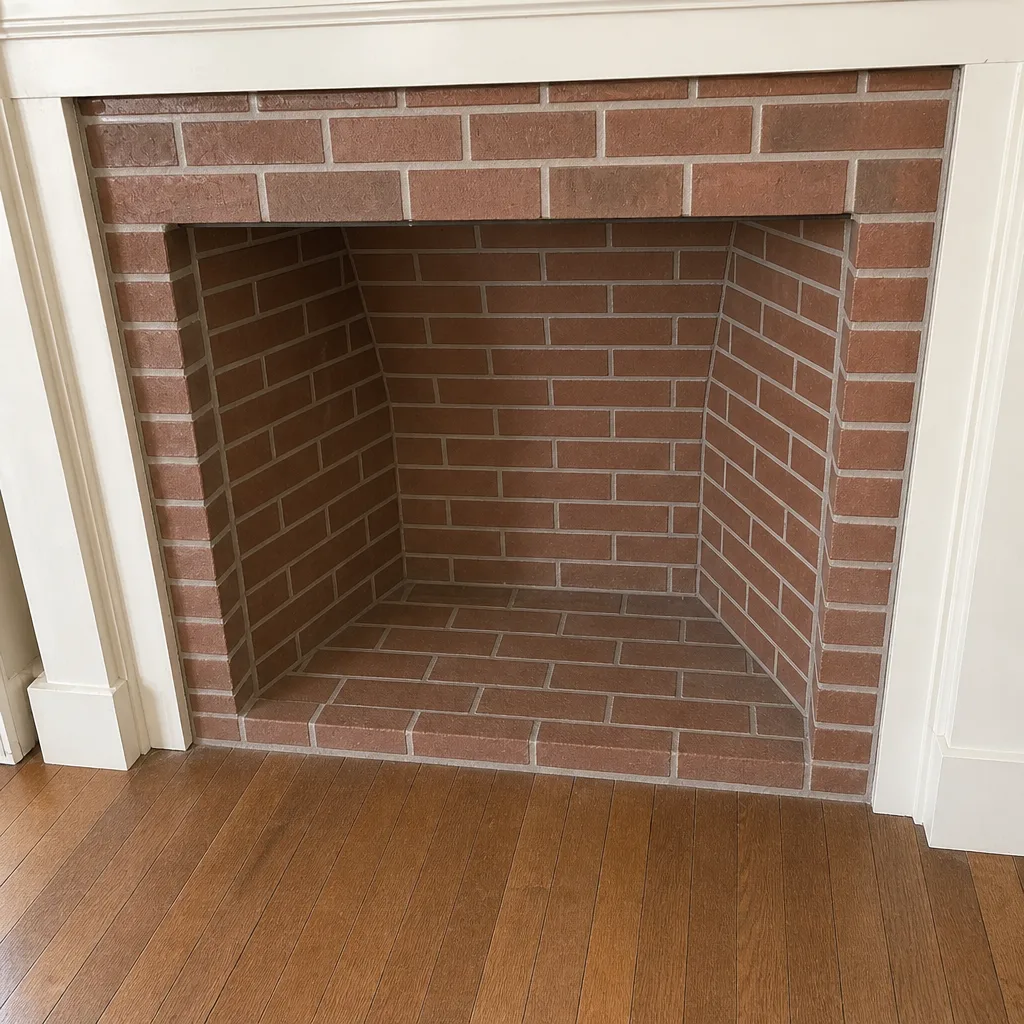
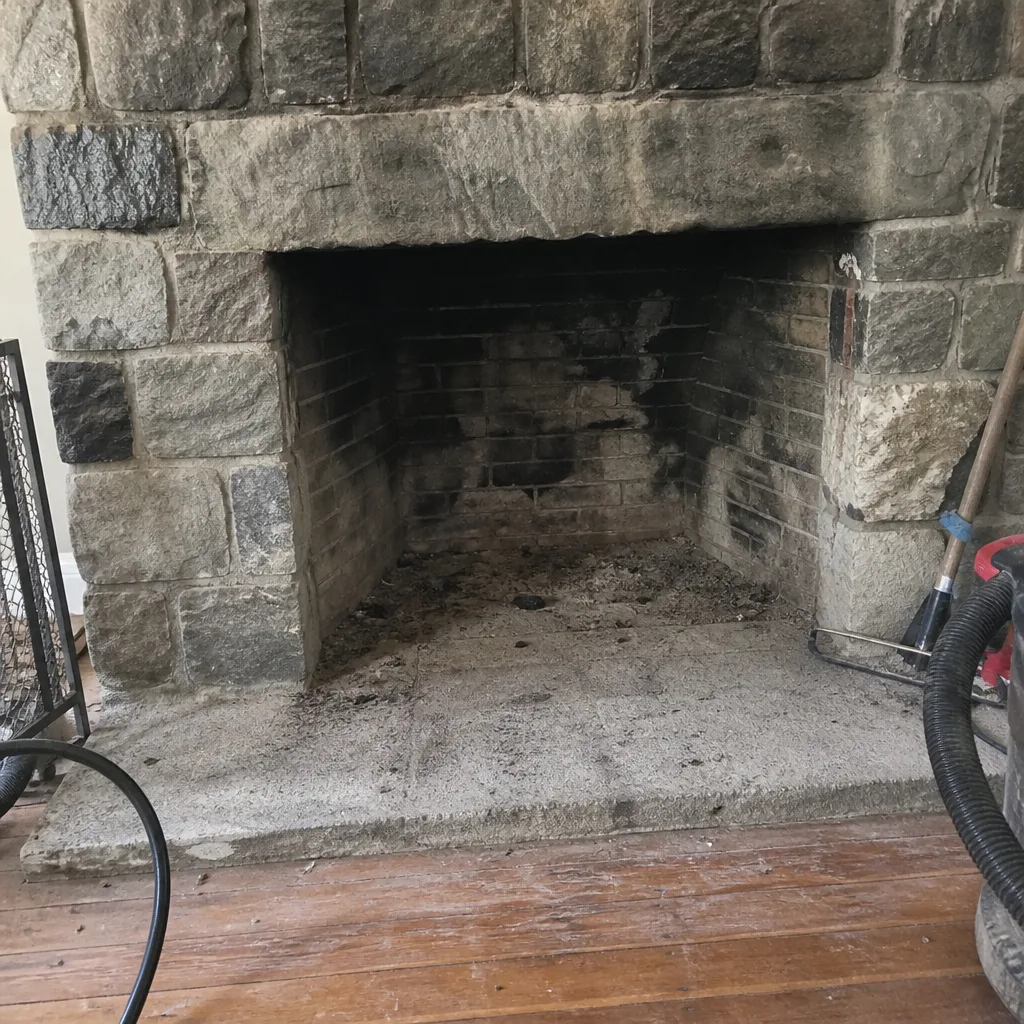
See the difference
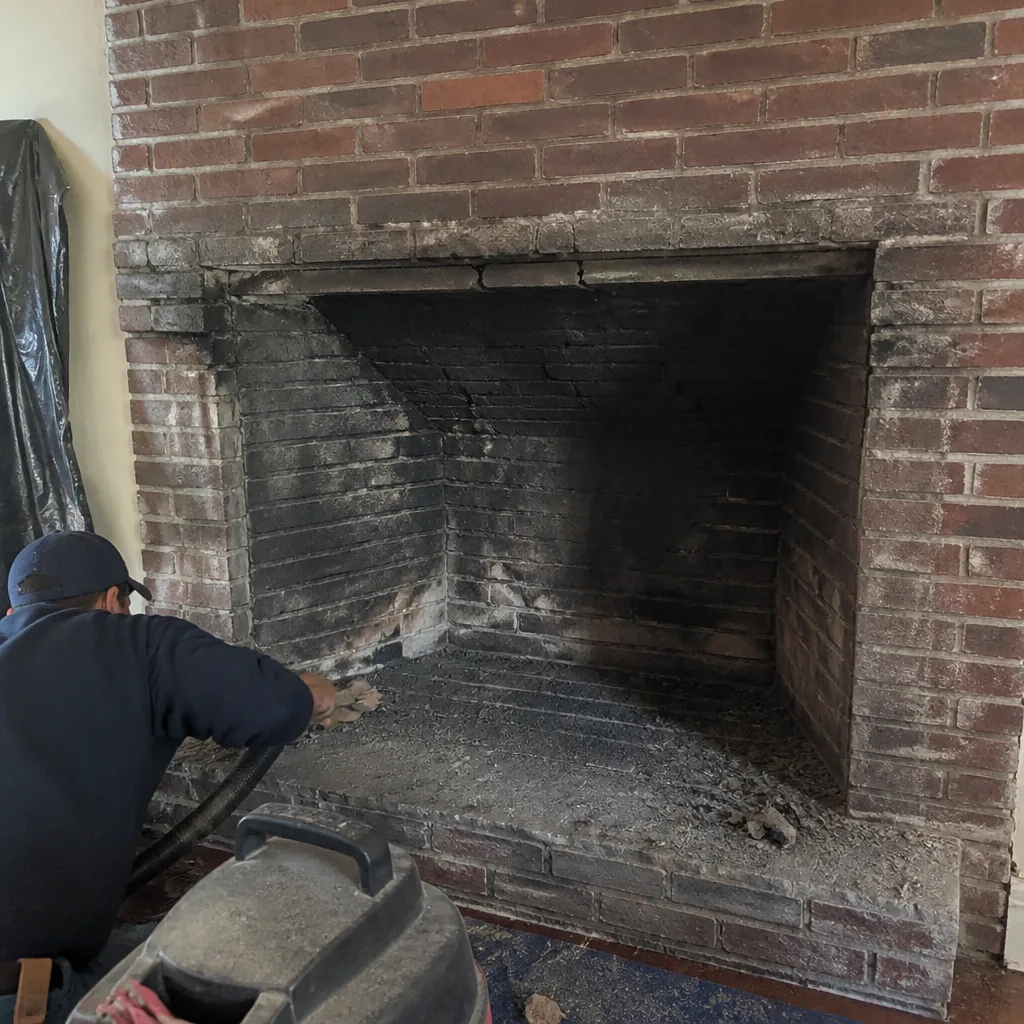 Before
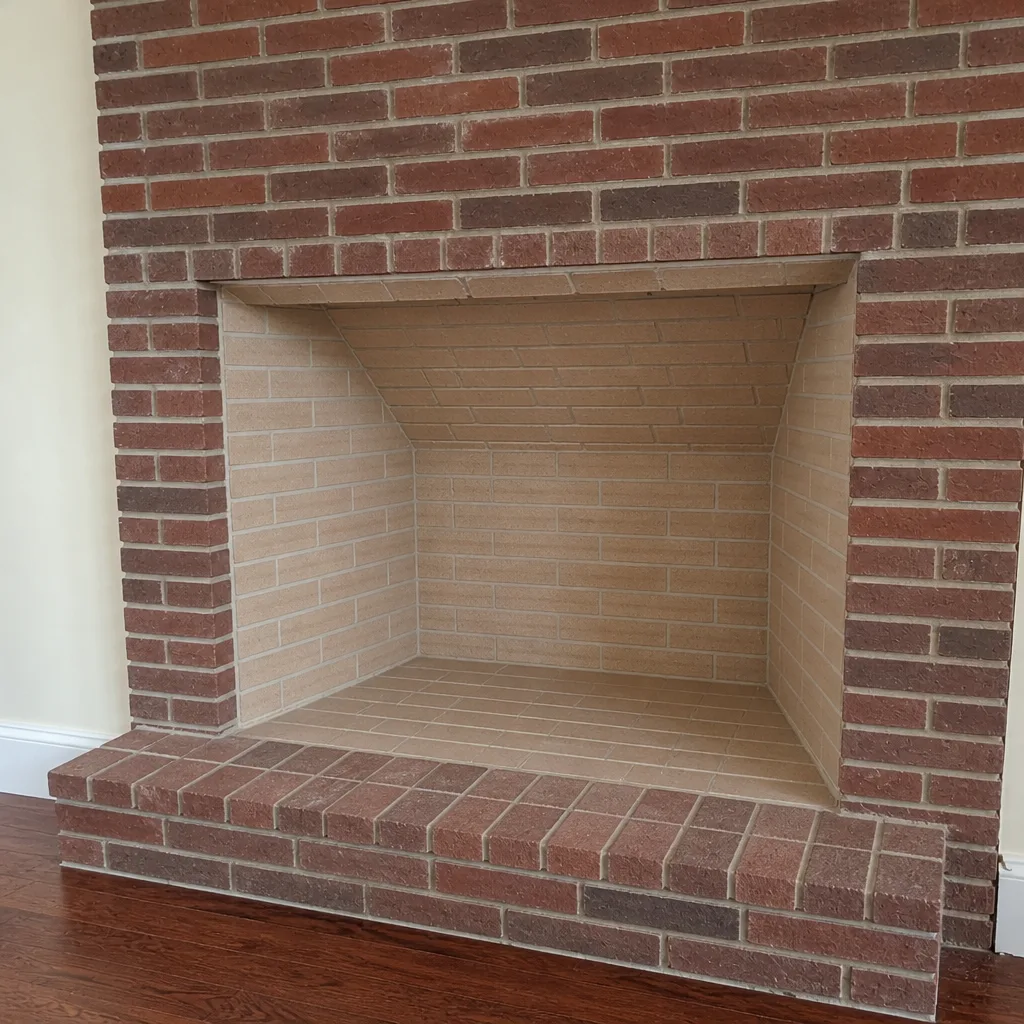 After
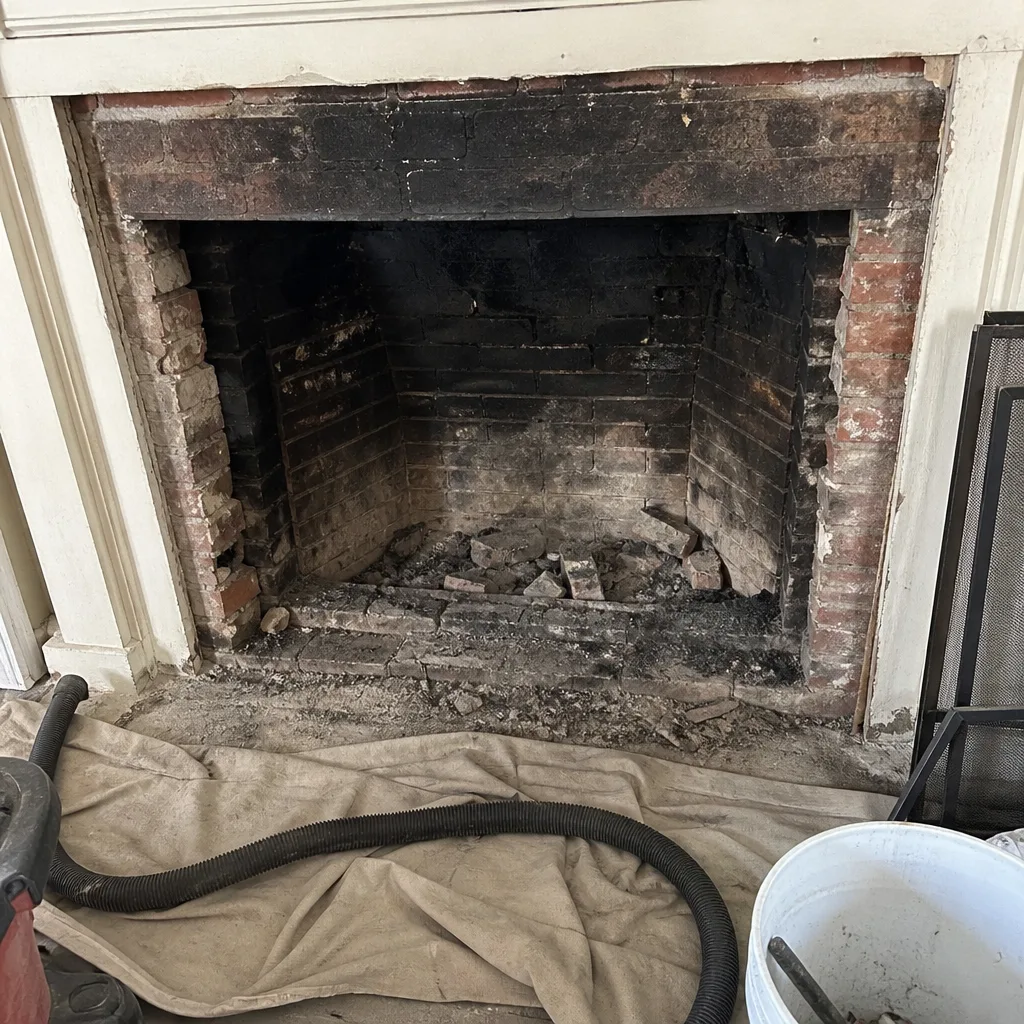 Before
 After
 Before
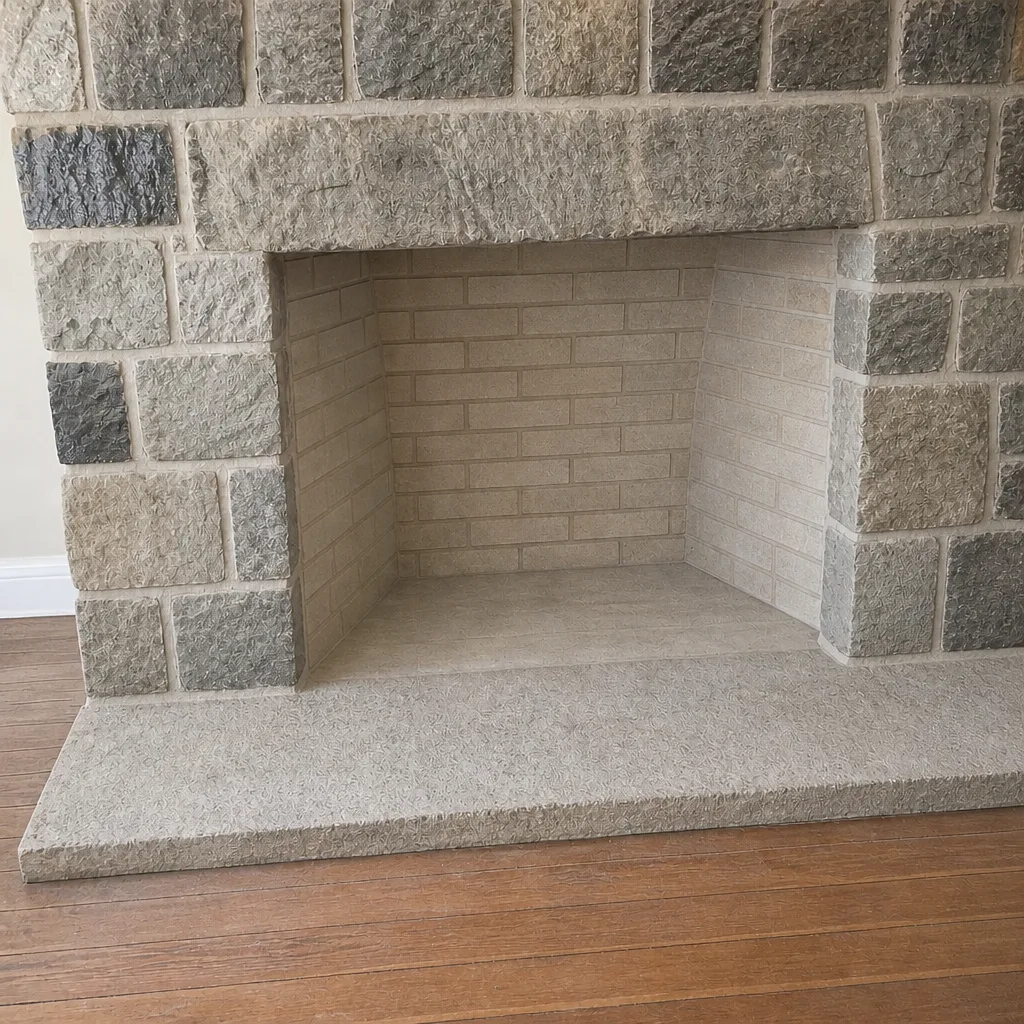 After
When to Call a Professional
Some things wait. These don’t. Call a professional if you see creosote buildup that looks thick or glazed, if you’ve had a chimney fire (even a small one you put out yourself), if you smell a strong creosote or sulfur odor, if smoke comes back into the room when the appliance runs, if your carbon monoxide detector alerts, if you find cracked or missing tiles on the exterior, or if you’re about to light your first fire in a system you haven’t had inspected. If you’re in Lowell and want a straight assessment, Chimney Sweep Lowell offers free estimates in Lowell. Call (888) 450-3059. We answer 24/7. Fast dispatch from 7am to 7pm, Sunday through Friday. Our technicians have up to 12 years of experience, and the first job is to tell you honestly what the flue actually looks like.
Frequently Asked Questions
Sweep your chimney at least once a year if you burn wood, and more often if you burn four or more cords a season. Gas, oil, and pellet systems should be inspected annually even if there’s no visible soot. In a heating climate like Lowell’s, the burn season is long, so plan your sweep for late spring or late summer to be ready for the fall. Call (888) 450-3059 for an exact quote. Estimates are free.
A good checklist covers fuel-specific cleaning intervals, liner condition, exterior observation items, seasonal checkpoints, and a way to record findings over time. It should be calibrated to your fuel type and liner material, not a generic one-size list. If you want a baseline built for your system, we can set one up. Call (888) 450-3059 to book it.
You can safely check the crown, cap, flashing, spark screen, and visible masonry from the ground, with binoculars if needed. You should not climb the roof or reach into the flue from above. Height work belongs to trained professionals with fall protection. Call (888) 450-3059 if you want a professional to check anything you observe or suspect.
Yes. Even occasional burning needs an annual inspection, because problems like a deteriorated liner or a blocked cap aren’t visible from the living room, and combustion hazards don’t announce themselves. A yearly inspection is the cheapest way to catch problems early. Call (888) 450-3059 to schedule an inspection.
A cracked clay tile liner allows heat and gases to reach the surrounding masonry, which is a real safety concern. The fix depends on the extent of the damage: in some cases, a resurfacing system like HeatShield can restore the liner without full replacement. A camera inspection will tell you which path is right. Call (888) 450-3059 for an assessment.
Because your dryer vent is an exhaust pathway too, and lint clogs it the same way creosote builds in a flue. Adding it to the same yearly call keeps your other exhaust hazard covered and saves you a separate visit. One call covers your chimney and your dryer vent. Call (888) 450-3059 to book both.
The Bottom Line
A chimney maintenance checklist protects you only when it’s built around your system, not a stranger’s. Identify your fuel type and liner material, use the right track, observe what you can safely check from the ground, and book a professional sweep and inspection at each of the three seasonal checkpoints. Keep a simple log of findings so trends show up across seasons, not just problems in a single snapshot. Add dryer vent cleaning to the yearly call, and treat any observation of creosote, draft problems, or liner wear as a reason to call rather than wait. That’s how a Lowell homeowner gets years of safe use from a chimney system instead of a midwinter surprise.
If you want a specialist to build your baseline and check the system properly, we’re glad to help. Chimney Sweep Lowell connects Lowell homeowners with experienced independent chimney professionals, and we work with your insurer when repairs are needed. Nothing gets recommended without camera evidence you can see for yourself, and if a repair can safely wait, we’ll say so. Call (888) 450-3059. We answer 24/7. Fast dispatch from 7am to 7pm, Sunday through Friday. Estimates are free.
Written by the team at Chimney Sweep Lowell.