
Last updated November 14, 2026
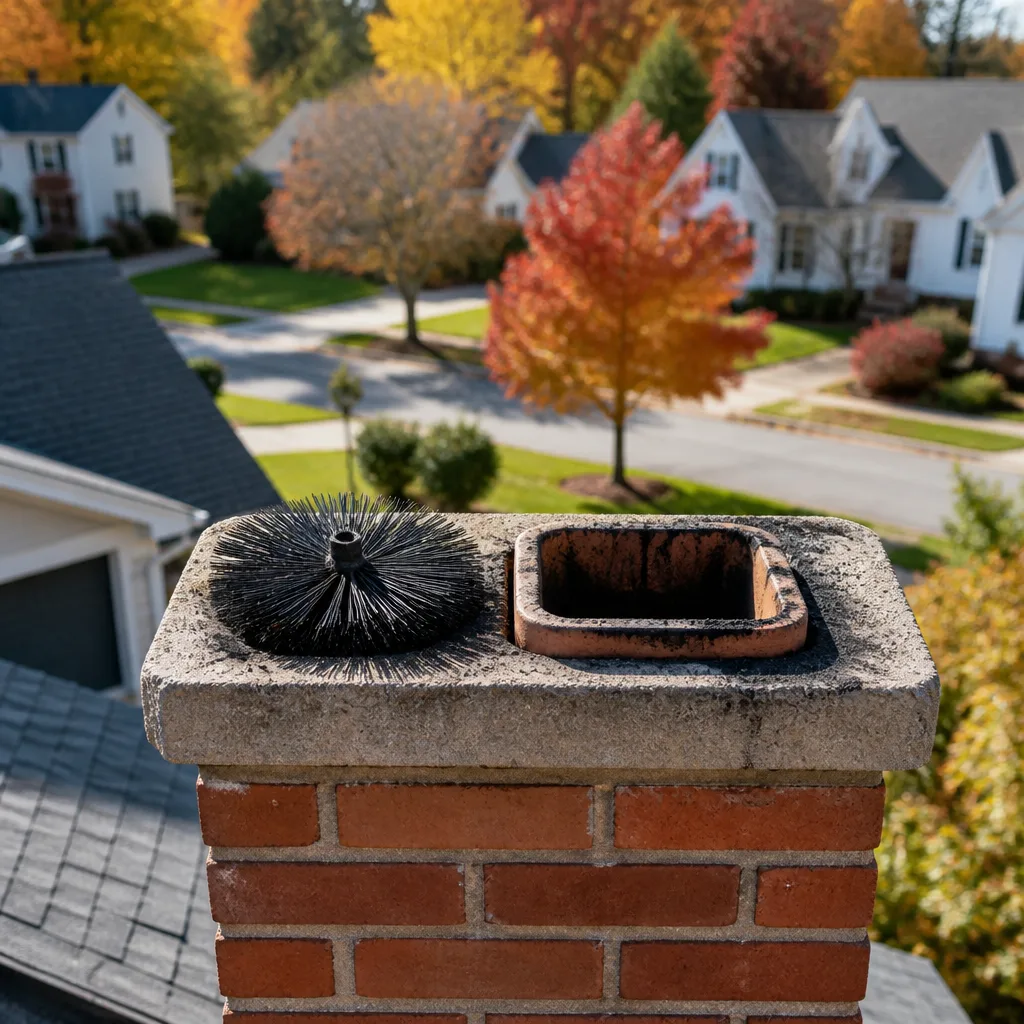 Sweep & inspection
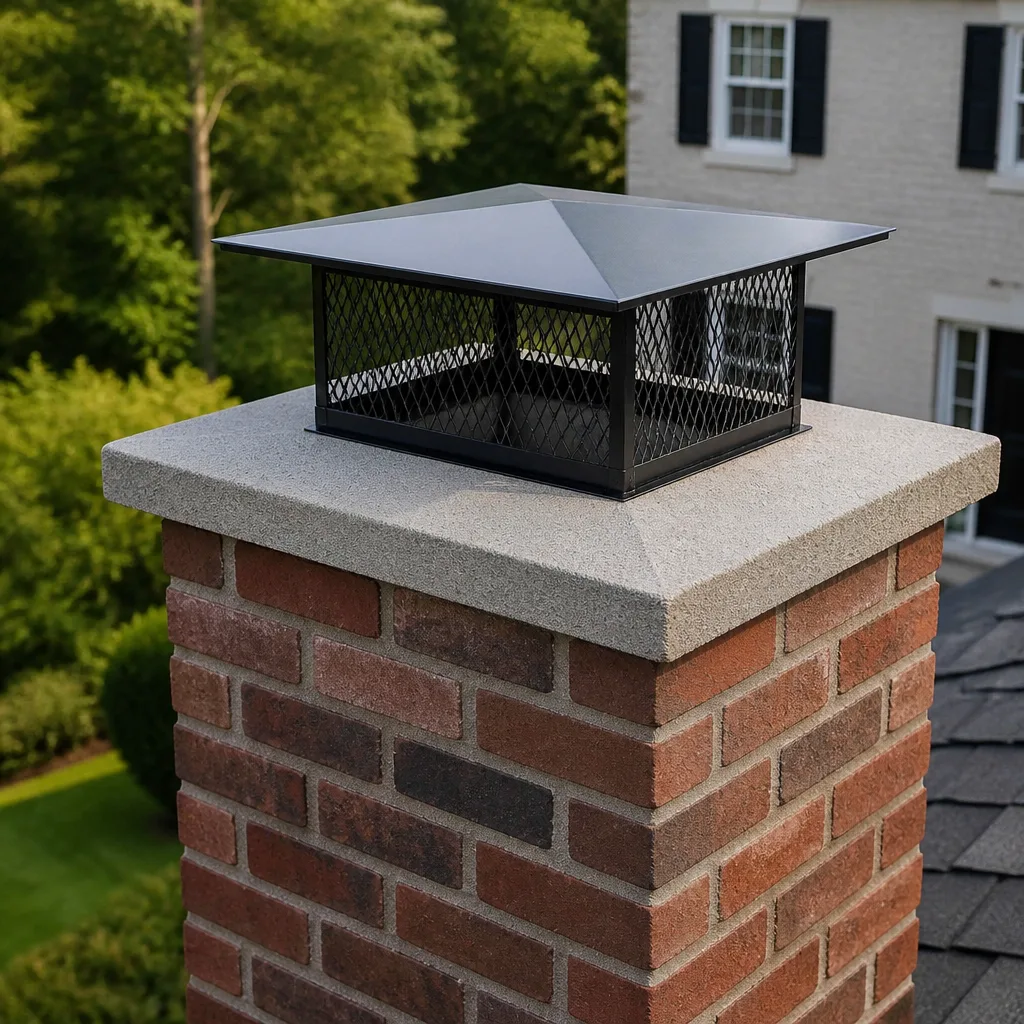 Caps & crowns
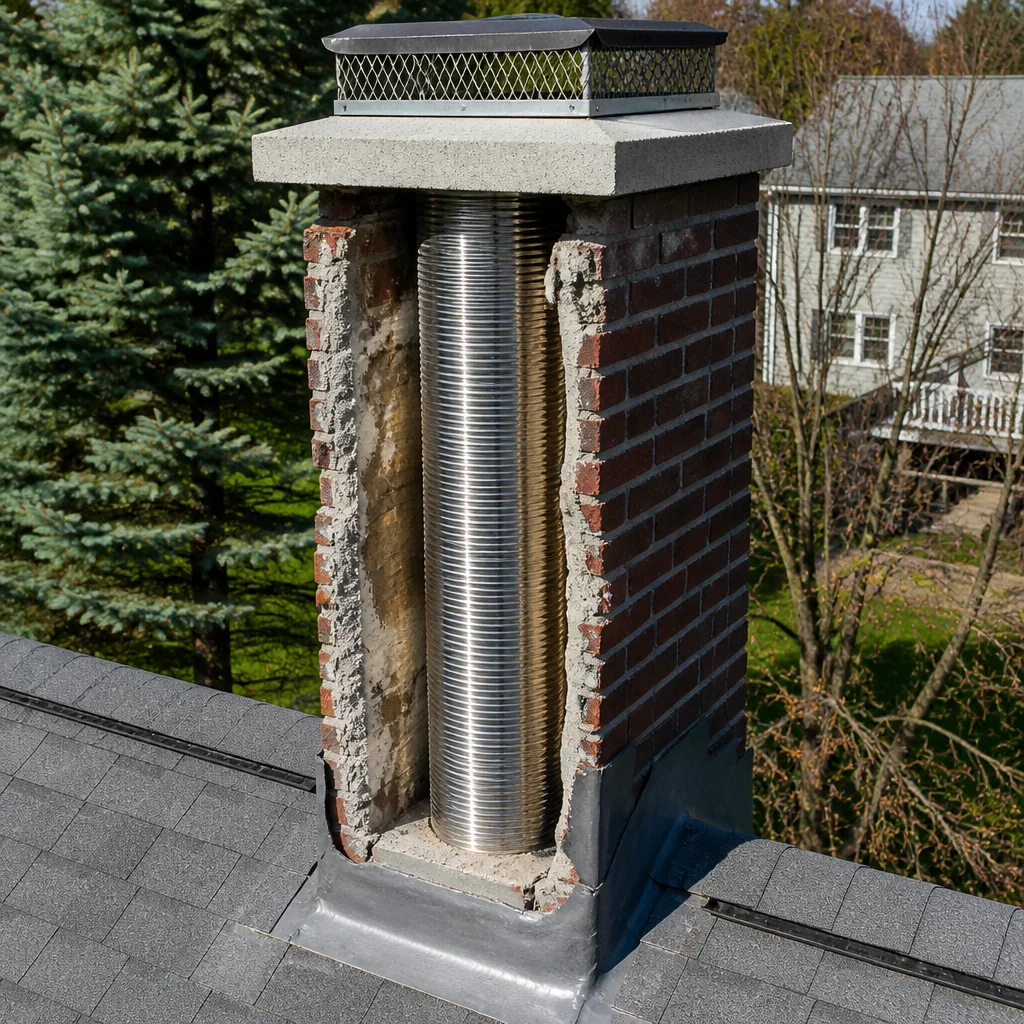 Flue relining
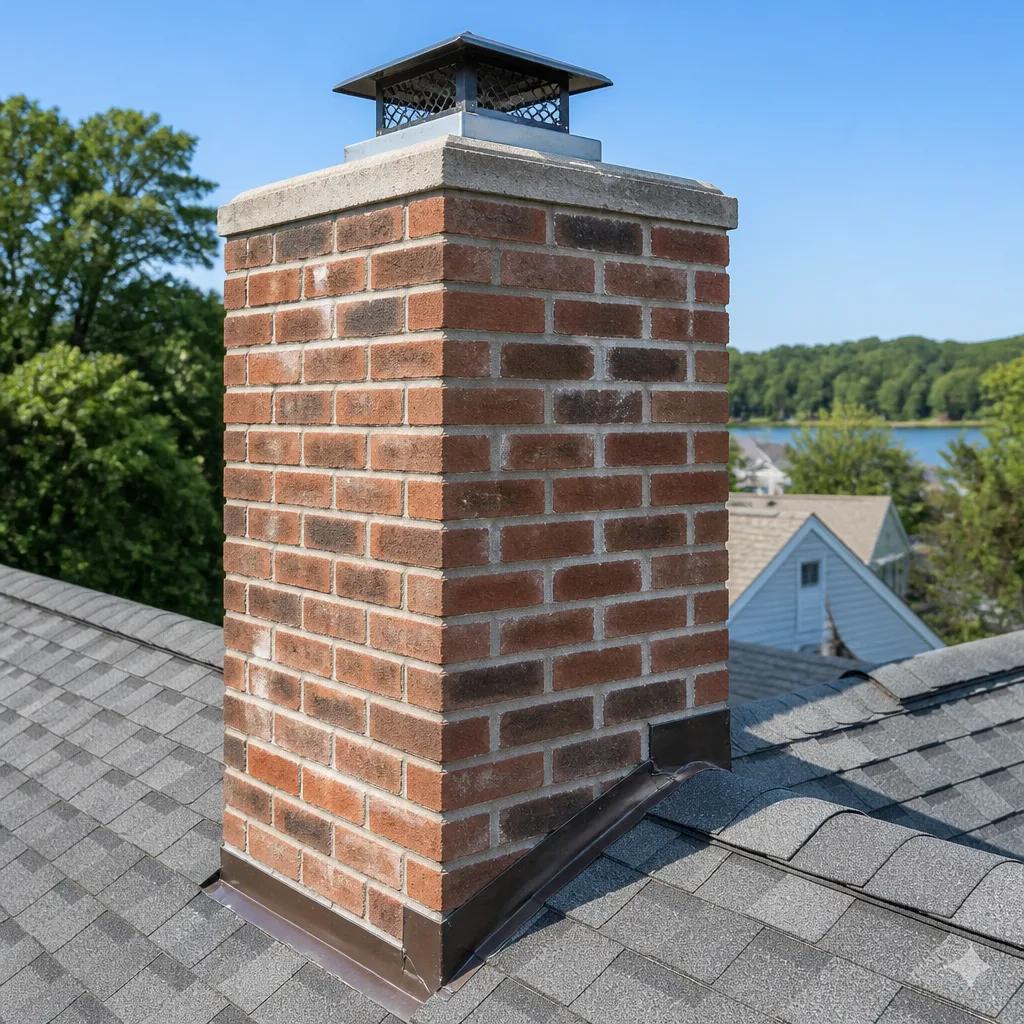 Masonry repair
 Gas fireplace service
Level 1 sweep and inspection to the NFPA 211 annual standard - flue, crown, cap, and flashing checked and photographed
Chimney sweep logs do not sweep chimneys. They loosen some creosote - which then falls where a brush and vacuum still have to collect it.
Chimney Cleaning Emergency Preparedness Guide for Lowell Homes
A chimney fire doesn’t always roar. Some burn slow and quiet inside the flue, feeding on creosote while the house above stays calm, and the first sign a Lowell homeowner gets is a faint burning smell or an orange glow near the top of the chase. That’s the part most preparedness advice skips. By the time flames are visible from outside, the incident is already past the point where a homeowner can control it. What decides whether a chimney emergency stays contained or becomes a structural loss is usually what happens in the first three minutes: what you notice, what you do, and what you don’t. This guide covers how to spot an active fire, the blocked-flue and carbon monoxide events that catch people off guard, and the inspection and insurance steps that come after. It’s written for homeowners heating with wood in Lowell.
Quick Answer
If you suspect a chimney fire, close the damper, get everyone out of the house, and call 911 from outside. Never open a window or add water to the firebox. Blocked-flue and carbon monoxide events follow the same evacuation rule. After any suspected fire, the flue must be cleared and inspected, typically a Level 3 inspection, and documented for your insurer before the system goes back into service. Most of these emergencies are the result of a flue that hadn’t been swept before burning season.
Styles & brands we work with
- Sweep & inspection
- Caps & crowns
- Flue relining
- Masonry repair
- Gas fireplace service
Table of Contents
- How Do You Know You Have a Chimney Fire?
- What Should You Do in the First Three Minutes?
- Blocked Flue Emergencies: Bird Nests, Ice Dams, and Liner Collapse
- Carbon Monoxide and Chimney Backdraft
- How Lowell Winters Make Chimney Problems Worse
- After the Fire: Inspection, Repair, and Insurance Documentation
- Preventing the Next Emergency
- Common Mistakes to Avoid
How Do You Know You Have a Chimney Fire?
Most chimney fires in a wood-burning system don’t start as dramatic events. They start as a slow creosote ignition, often when a fire has been burning hot and the accumulation in the flue catches without warning. The cues fall into three categories, and homeowners usually report noticing one or two before calling. If you’re in doubt, treat it as a fire.
Sounds. A roaring or rumbling noise from the chimney, louder than the normal draft sound, is the most commonly reported sign. Some people describe it as distant thunder or a low rumble that doesn’t match the fire in the firebox. Popping or clicking may follow if the flue is cracking from heat.
Smells. A sharp, glue-like or chemical burning smell inside the house means hot gases are escaping somewhere they shouldn’t. A stronger than usual creosote smell, or the smell of smoke indoors with no obvious source, should be treated as suspicious.
Visual cues. Smoke or sparks at the top of the chimney, a glowing or discolored cap, or visible creosote ash around the crown. Warped or discolored damper hardware in the firebox can indicate a fire that already burned hot. Creosote shards around the chimney cap or roof are another sign of high heat.
The tricky ones are the fires that don’t make much noise at all. Slow smoldering creosote can burn inside the flue while the visible fire in the firebox looks normal. In our experience, these are the ones that cause hidden damage to the liner and the chase because nobody acted early. Any of these signs warrants a call to the fire department, and afterward a professional sweep. A chimney sweep can determine whether the flue was compromised.
What Should You Do in the First Three Minutes?
The right response sequence is simpler than most homeowners imagine. Close the damper, get everyone out, and call 911 from outside. That’s it. No open windows, no water, no waiting to “see if it gets worse.” The people who lose property to chimney fires usually did something in that window that they thought would help.
Here’s the correct order:
- Close the damper. This cuts the air supply feeding the fire. Don’t try to put the fire out from inside the firebox; you need to reduce oxygen, not add water.
- Get everyone out. Leave the house, including pets. Once you’re outside, stay outside.
- Call 911. Tell the dispatcher you suspect a chimney fire. Fire departments are trained to handle this exact scenario; they’ll inspect the chase, the roof, and the attic for extension.
- Alert neighbors if the fire is visible at the top of the chimney, so they can clear the area in case of sparks or structural failure.
- Wait for the fire department’s all-clear. Don’t re-enter to check the firebox, even if the burning smell subsides. Chimney fires can smolder inside the masonry for hours.
Two things make a chimney fire worse, and they’re both things homeowners do because they seem sensible:
- Opening windows. An open window feeds oxygen to the fire and creates an indoor draft path. This turns a contained flue fire into one that can pull flames into the living space.
- Adding water. Pouring water into a hot firebox can shatter a ceramic flue liner with thermal shock, sending hot gases and material into the surrounding structure. Water also creates steam under pressure, which is worse than the fire.
If you’re inside Lowell and the smell of smoke is present but you don’t see flame, still leave and call 911. The slow burns are the ones that hide.
Blocked Flue Emergencies: Bird Nests, Ice Dams, and Liner Collapse
A blocked flue is its own kind of emergency, and it doesn’t behave like a fire. It behaves like carbon monoxide poisoning waiting to happen. The flue is designed to carry exhaust up and out. When something blocks it, the exhaust goes back into the living space instead. That’s a life-safety event with no visible fire to alert you.
The three common causes in a Lowell home:
- Bird nests. Chimney swifts and starlings build in open flues, especially in spring and summer when the chimney is unused. The nests dry out and become highly combustible by fall. A homeowner may not know until the first fire of the season won’t draw.
- Ice dams. In a cold snap, water vapor from warm flue gases can condense and freeze at the top of the flue or around the cap. The ice blocks the outlet, and the next fire pushes smoke and carbon monoxide back down. This is a winter-specific risk that Lowell homeowners face between December and March.
- Collapsed liner material. Older clay tiles break down over time, and pieces can fall into the flue. The blockage may be partial at first. A DuraFlex flexible liner system is often the answer when a rigid liner can’t handle the flue’s offsets, which is one reason we keep it on hand.
Symptoms of a blocked flue include smoke rolling back into the room when you open the damper, a fire that refuses to draw, soot on the firebox surround, or a musty smell at the chimney. Any of these means no fire until the flue has been inspected. The correct interim response is to stop using the fireplace, open a window for ventilation if you smell smoke, and call a specialist. Don’t run another fire “to see if it clears.” A blocked flue needs a camera inspection before it’s trusted again, and that’s a service a general sweep can’t always provide. We build the inspection and the repair into the same visit.
Carbon Monoxide and Chimney Backdraft
Carbon monoxide from a chimney system behaves nothing like smoke, and that’s what makes it dangerous. Smoke is visible and smells. Carbon monoxide is colorless, odorless, and doesn’t trigger a smoke alarm. The only reliable signal is a working CO alarm and the symptoms your body gives you.
Backdraft is the mechanism that pushes CO into the house. It happens when the pressure balance in the house is wrong, when the flue is cold, when the chimney is blocked, or when another appliance is exhausting air from the home. An open flue in a tightly sealed house, a bathroom fan running in the same room, or a dryer vent with poor airflow can all contribute. In a Lowell home with the windows closed in January, backdraft is a real risk whenever the chimney system isn’t balanced.
Treat these as evacuation triggers:
- Headache that appears only when the fireplace is running
- Dizziness, nausea, or confusion that improves when you leave the room
- Multiple people or pets in the same household showing symptoms at the same time
- A CO alarm sounding, even briefly
If a CO alarm activates, get everyone outside and call 911. Don’t try to ventilate first, don’t shut the fireplace down, and don’t re-enter until the fire department clears it. If someone has lost consciousness, that’s an emergency call, not a slow one. The difference between CO and smoke: if the smell of smoke brought you out of the room, you have time to act carefully. If headache or dizziness is what brought you out, you may not have time at all.
Dryer vents are a related but separate CO and fire hazard, and they’re one of the reasons we offer dryer vent cleaning alongside chimney work. Lint buildup restricts airflow, raises dryer temperatures, and in the worst case ignites. A clogged dryer vent can contribute to negative pressure in a home, which in turn can affect how a chimney drafts. One specialist covering both systems is a real advantage when you’re diagnosing why a house feels wrong in heating season.
How Lowell Winters Make Chimney Problems Worse
Lowell’s heating season is long, and the winter pattern matters for anyone heating with wood. The city sits in a river valley where cold air settles overnight, and that has a real effect: cold air below warm air creates the inversion that keeps wood smoke closer to the ground and puts more pressure on a marginal draft. A chimney that drafts acceptably in October can struggle in January when the air outside is 15 degrees and the fire is slow to start.
The seasonal risks stack in a specific order:
- Fall: the first fire after a dormant summer releases a season’s worth of creosote. Bird nests and debris that accumulated since spring meet the first heat. This is the most common time for a slow chimney fire.
- Deep winter: ice dams, backdraft, and heavy burning. A fire burned low and slow to conserve wood builds creosote faster than a hot fire. Cold flues struggle to draft, so smoke rolls into the room and CO exposure rises.
- Late winter and thaw: freeze-thaw cycles crack mortar and masonry around the chimney crown. Water gets in, refreezes, and opens the crown further. By spring, the chimney may need more than a sweep.
Neighborhoods near the Merrimack in Lowell, including the older homes near downtown and the Pawtucketville and Belvidere areas, tend to have chimneys built for the housing stock of their era. That means clay-tile liners, masonry construction, and decades of wear. Those are exactly the chimneys where a blocked flue or a cracked liner shows up without warning. A pre-season sweep in the late summer or early fall is the single most effective step a homeowner can take before the first fire. Sweeping removes the creosote that fuels chimney fires and confirms the flue is open.
After the Fire: Inspection, Repair, and Insurance Documentation
Once the fire department has cleared the house, the emergency is over, but the recovery isn’t. A chimney fire that seemed minor can leave a cracked clay liner, heat-damaged mortar joints, or warped metal flue components that aren’t visible from the firebox. Using the chimney again before it’s been inspected risks the next fire starting inside a damaged structure.
What comes next follows a standard sequence:
- Wait for the fire department’s written report. You’ll want it for insurance and for the sweep.
- Schedule a Level 3 inspection. A Level 3 inspection goes beyond the standard visual check and includes parts of the chimney that are normally concealed, such as the attic and roof-level access, and it may include opening portions of the chase where damage is suspected. This is the right level of inspection after any suspected chimney fire.
- Get a written scope of work. The inspection should produce documentation of what was found and what repairs are needed. Ask for it in writing; your insurer will want copies.
- Have repairs done before the system goes back into use. Depending on the damage, this might be a HeatShield liner resurfacing, which restores a deteriorating flue without full replacement, or a full liner install with DuraFlex flexible liner. HeatShield is a specialized resurfacing system that standard sweep companies don’t typically offer.
- Document everything. Photos, the fire department report, the inspection report, and the repair invoices are what your insurer needs. Most claims are delayed or denied on missing paperwork, not on the merit of the claim.
After a fire, replace any components that were heat-damaged. A warped cap or a damaged damper should be swapped for a proper replacement, not a hardware-store substitute. We source caps, dampers, and venting components from manufacturers like Famco and Copperfield for exactly that reason.
Preventing the Next Emergency
Chimney emergencies are almost entirely preventable with basic annual maintenance and a slightly more careful fire-building habit. The homeowner who sweeps before the season and pays attention to what’s coming out of the chimney rarely has one.
- Sweep before burning season. Once a year for a wood-burning fireplace, more often if you burn frequently or use unseasoned wood. The sweep removes the creosote that fuels fires.
- Burn hot, clean fires. Small hot fires produce less creosote than long smoldering ones. Seasoned wood, dry and split, is the fuel.
- Keep the cap in good shape. A functional cap keeps birds, rain, and debris out of the flue. A damaged one is a blocked-flue waiting to happen.
- Install and test CO alarms. One on every level of the home and one outside sleeping areas. Test them monthly during the heating season.
- Watch the smoke. If the chimney smoke is dark and thick, you’re building creosote. If it’s white and dissipating, the fire is burning clean.
- Have the liner inspected at the same time as the sweep. Sweeping confirms the flue is clear; inspection confirms it’s sound.
- Clean the dryer vent annually. Lint is the second most common cause of house fires involving venting systems.
For homeowners in Lowell who want to know what to expect from a routine visit and what the inspection covers, the guide at our Chimney Sweep Lowell homepage lays out the three-service scope: sweep, inspect, repair. That full-cycle model is the reason we can spot a developing problem and fix it before it becomes an emergency.
Common Mistakes to Avoid
- Opening windows during a chimney fire. It feels instinctive, but an open window feeds oxygen to the fire and creates the draft path that pulls flames into the room. Close the damper and leave the house.
- Pouring water into the firebox. Water on a hot flue can crack a clay liner through thermal shock. Let the fire department handle it.
- Assuming a slow fire is a small fire. Some of the most damaging chimney fires are the quiet ones. Any recurring burning smell, glow at the cap, or creosote shards around the crown is a fire until proven otherwise.
- Restarting the fireplace the same day. Even if the fire goes out on its own, the flue may be cracked. The system needs inspection before it’s trusted again.
- Skipping the CO alarm. A wood-burning home without working CO alarms is missing the only signal that backdraft has occurred.
- Letting a bird nest sit over the summer. Nests dry into a combustible mass by fall. Cap the flue and have it inspected at the end of the season, especially in Lowell’s older housing where chimneys are large and easy for swifts to enter.
- Choosing the lowest bid for the repair. An off-brand cap or a liner installed without the right components is a future emergency. Professional-grade parts matter more than a slightly lower quote.
See the difference
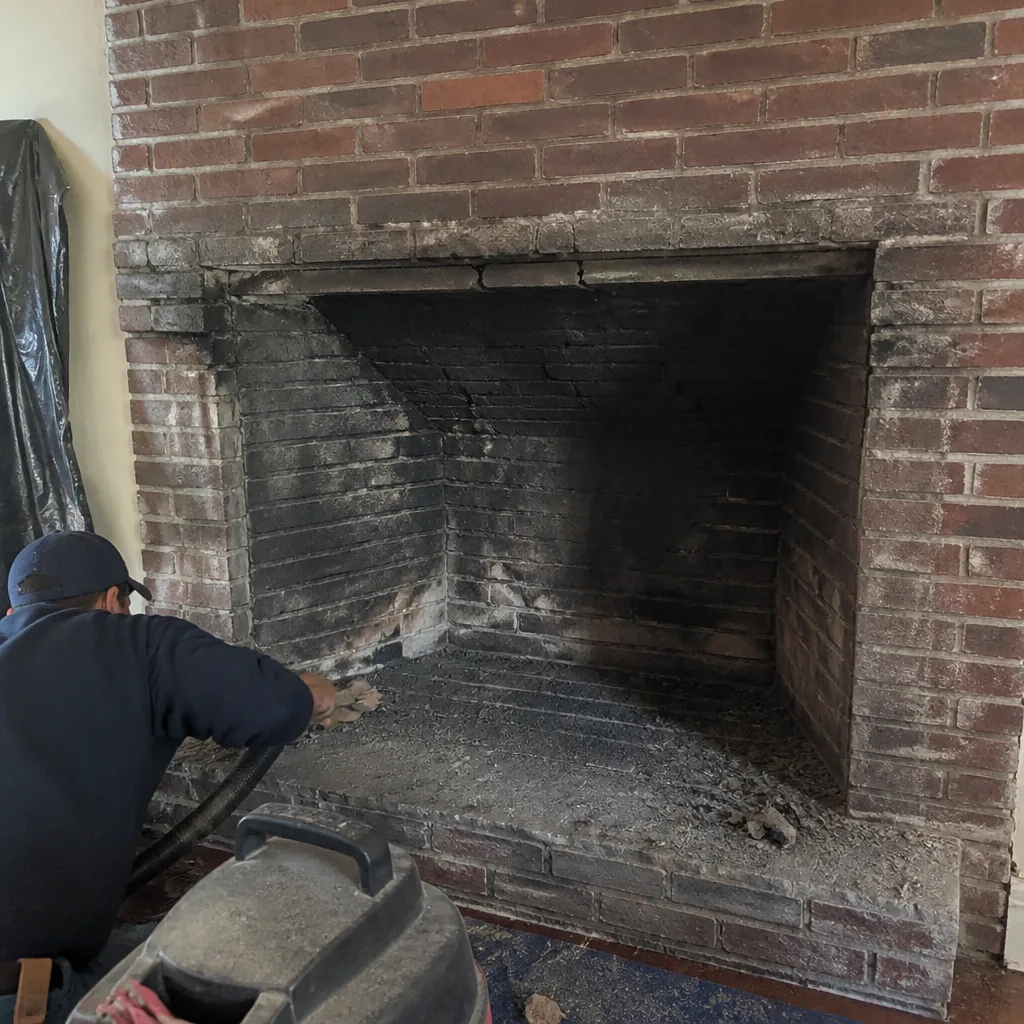 Before
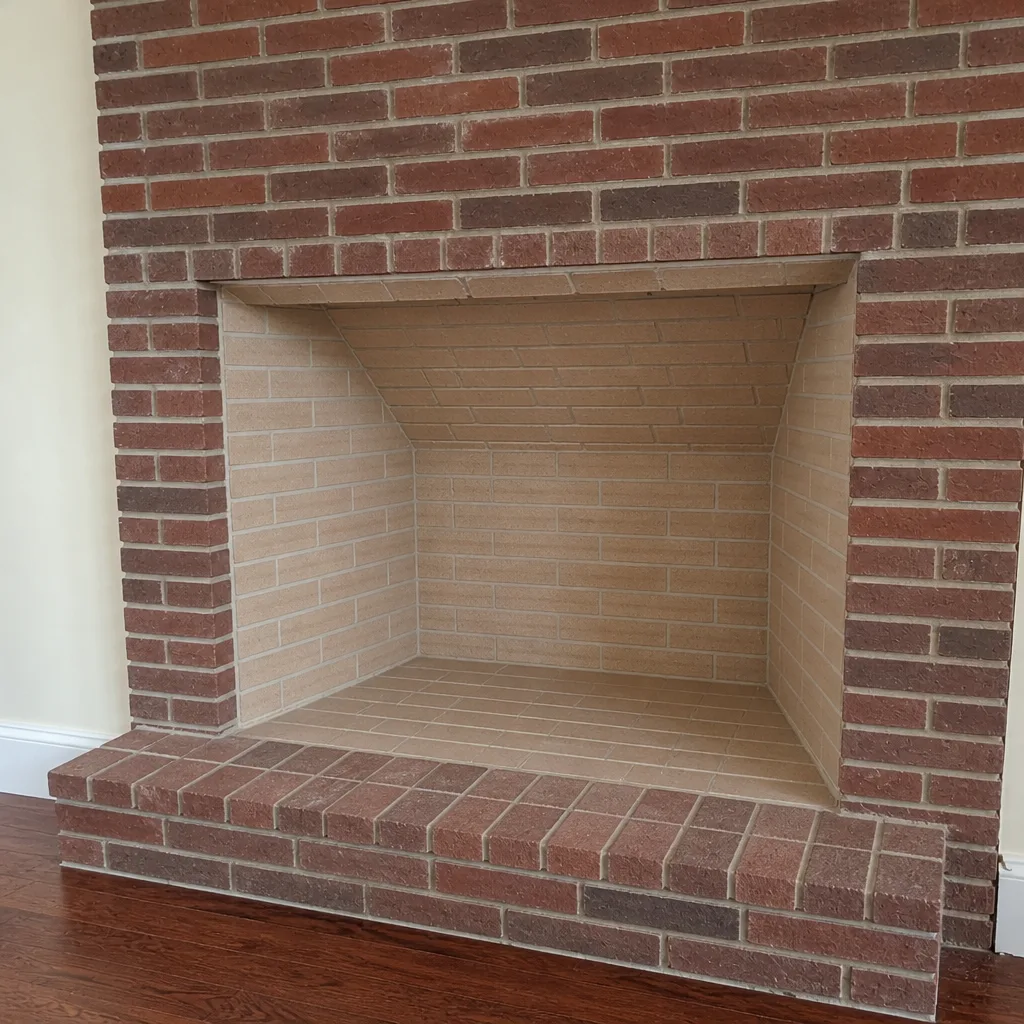 After
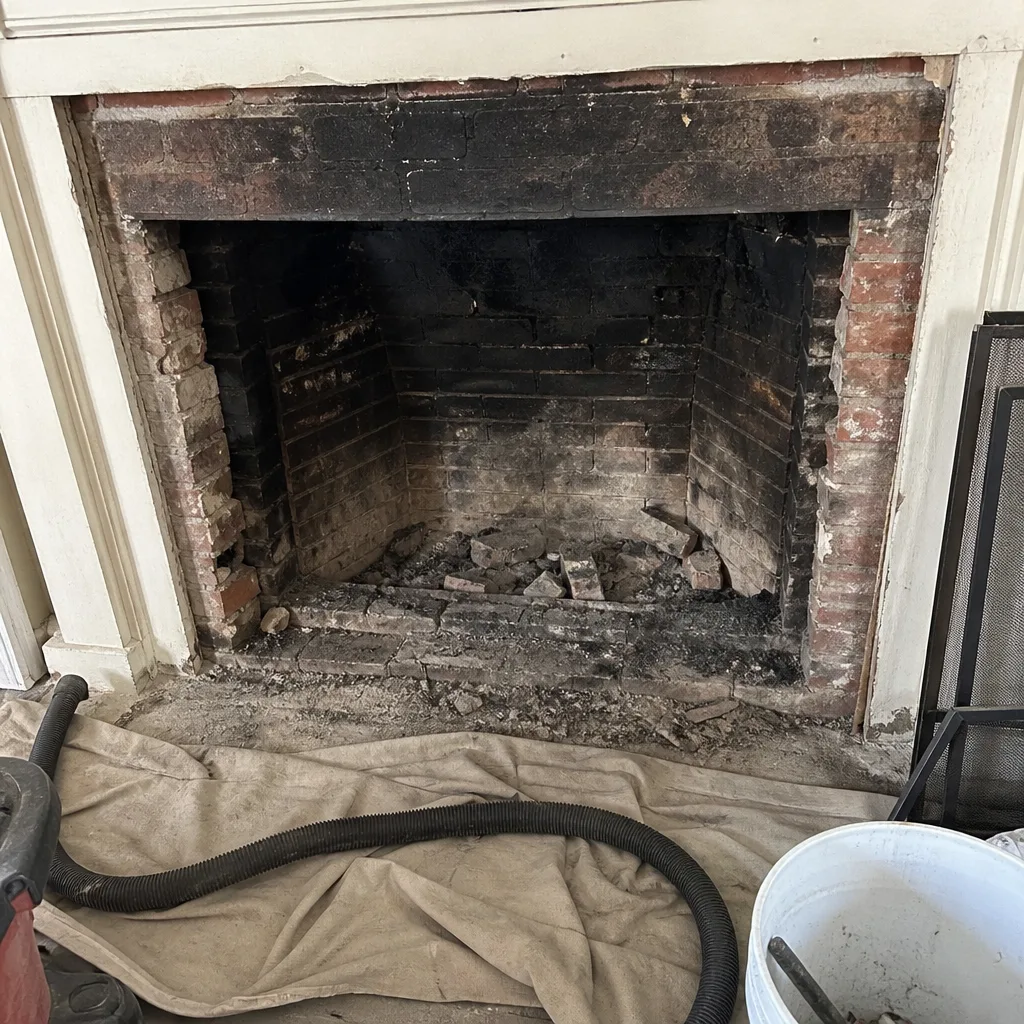 Before
 After
 Before
 After
When to Call a Professional
Call a professional for anything beyond a routine sweep. If you’ve had a suspected fire, a blocked flue, a CO alarm, or a hidden smell you can’t explain, the chimney needs a full inspection before you burn again. Call us for a chimney fire follow-up, a blocked-flue diagnosis, a liner replacement, or a dryer vent cleaning. Those are the scenarios where a specialist’s diagnostic skill decides whether the system is safe. If the problem is routine creosote buildup, book a sweep before the season starts. Chimney Sweep Lowell offers free estimates in Lowell. Call (888) 450-3059. We answer 24/7. Fast dispatch from 7am to 7pm, Sunday through Friday. If you’re outside the city and want to know whether we cover your address, the Lowell service page has the details.
Frequently Asked Questions
You can’t reliably tell from inside the house, which is why the fire department should confirm all-clear before you re-enter. Smoldering creosote can burn inside the flue for hours with no visible flame. If the smell of smoke persists after the fire department has cleared you, treat it as an active incident and do not re-enter the room with the fireplace. Call 911.
No. Close the damper to cut the air supply. An open damper feeds oxygen to the fire in the flue and makes it grow faster. The fire department can handle the fire itself; your job is to reduce what it can burn and get out of the house.
Headache, dizziness, nausea, confusion, and fatigue that improve when you leave the room and worsen when you return. In a wood-burning home, a CO alarm sounding or symptoms that appear only when the fireplace is running are both evacuation triggers. Get outside and call 911. Do not try to ventilate first.
Once a year for a wood-burning fireplace, and more often if you burn heavily or notice creosote buildup. A pre-season sweep in late summer or early fall is the best habit. Homes that burn wood throughout the winter and rely on it as a primary heat source should have the flue checked mid-season as well. Call (888) 450-3059 for a free estimate on a routine sweep.
Yes, any suspected chimney fire should be followed by a Level 3 inspection, which covers parts of the chimney normally concealed. The fire department’s visual check doesn’t reveal cracks inside a clay liner. A Level 3 inspection produces the documentation your insurer will expect. A standard Level 1 or Level 2 inspection is not enough after a fire. Call for an inspection before the system goes back into service.
Most homeowner policies cover chimney fire damage, but the claim depends on documentation: the fire department’s report, the inspection report, and repair invoices. Get everything in writing from the start and keep the originals. If the damage is limited to the flue, a HeatShield resurfacing may cost less than full liner replacement and is often what insurers approve when the surrounding masonry is sound. Call for a free estimate.
The Bottom Line
A chimney emergency is almost always a maintenance failure that arrived early. The slow creosote fire, the bird nest that dried out over summer, the ice dam that blocked the flue in February: each one began months before anyone noticed. The prepared homeowner sweeps before the season, keeps CO alarms working, closes the damper and leaves the house if there’s any sign of fire, and gets a Level 3 inspection afterward to close the loop with the insurer. That’s the whole playbook, and it works. For anything beyond a routine sweep, our technicians have up to 12 years of experience and can work with your insurer on the documentation side. Call (888) 450-3059 for a free estimate on a sweep, an inspection, or a dryer vent cleaning. We answer 24/7. Fast dispatch from 7am to 7pm, Sunday through Friday.
Written by the team at Chimney Sweep Lowell.