
Last updated November 14, 2026
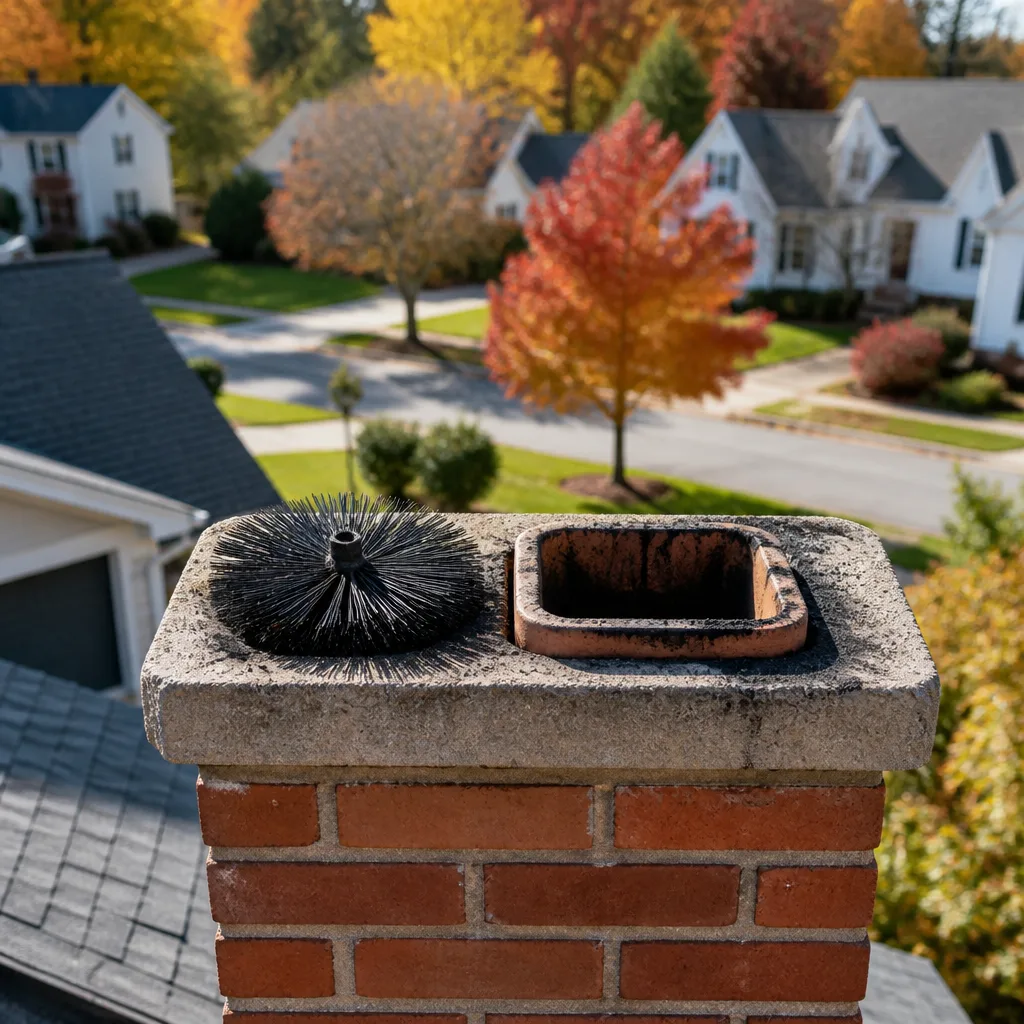 Sweep & inspection
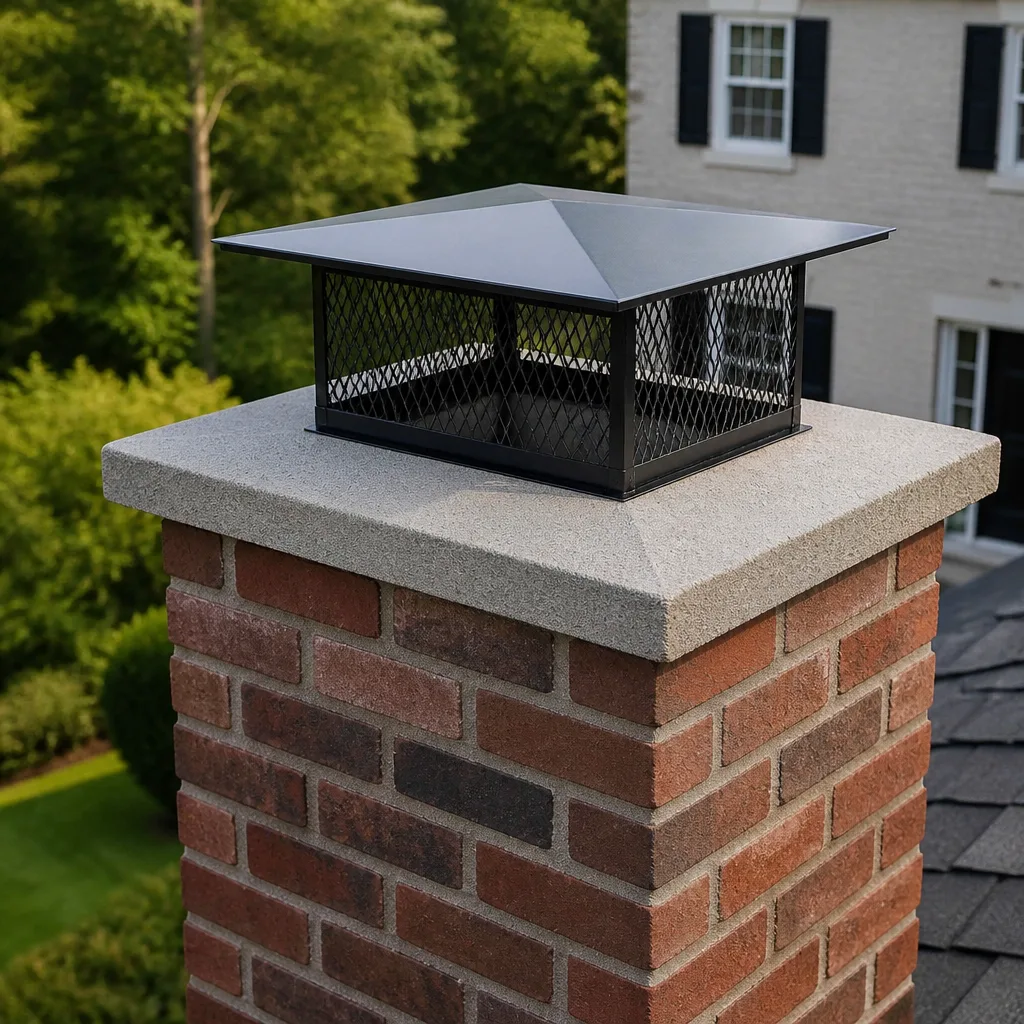 Caps & crowns
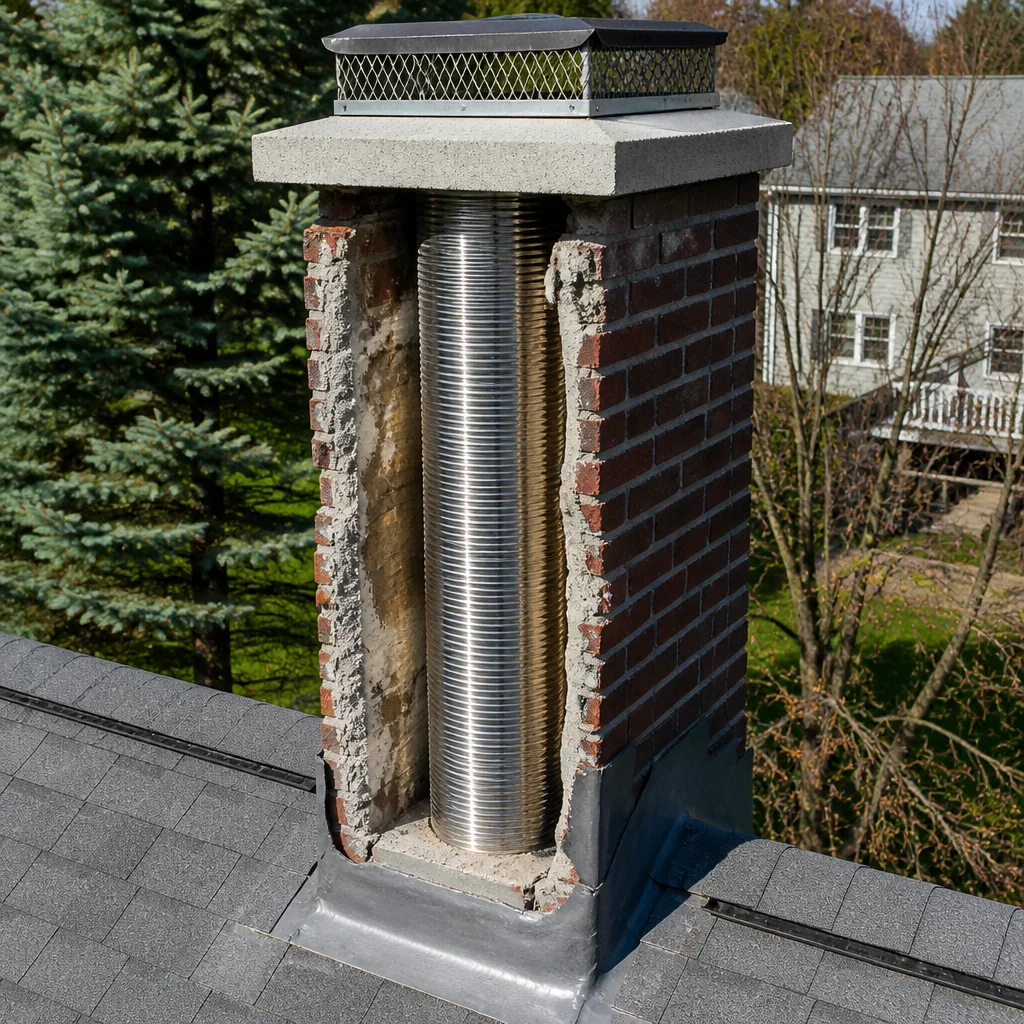 Flue relining
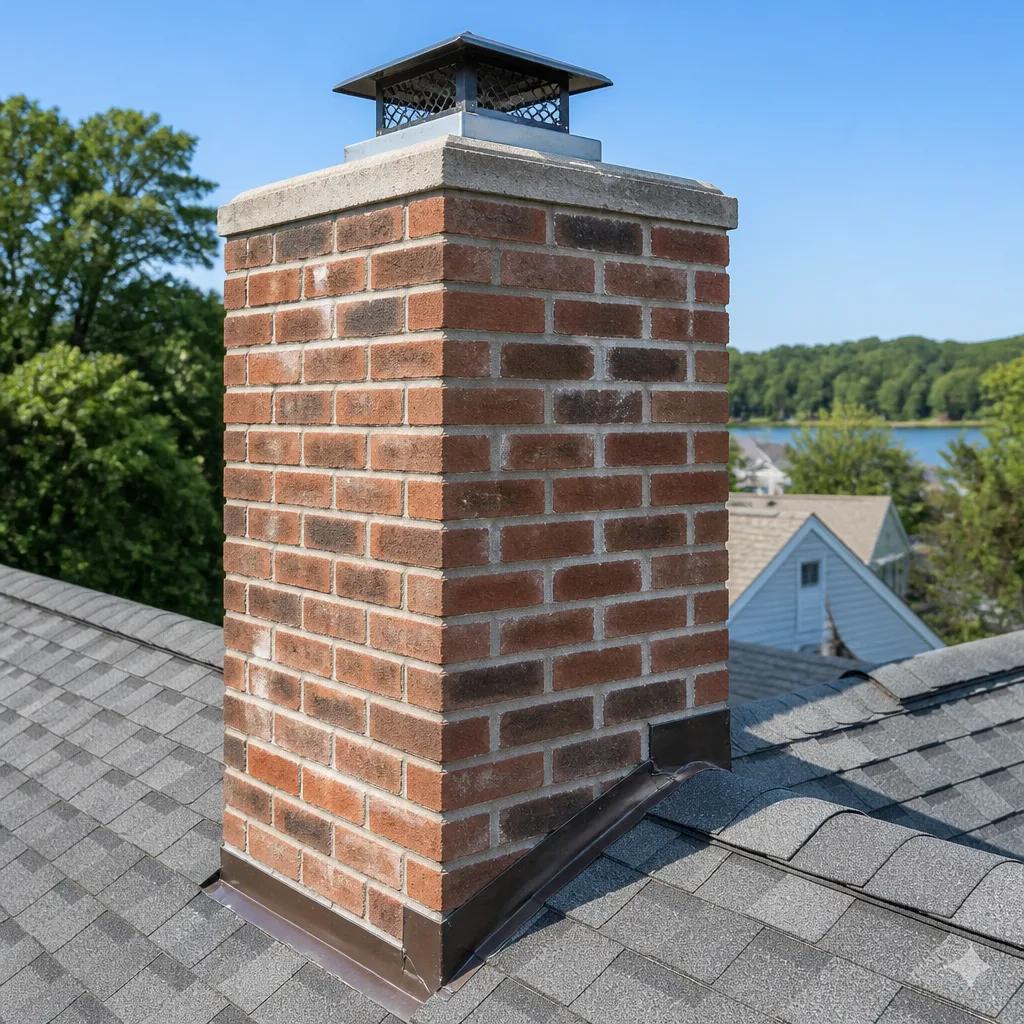 Masonry repair
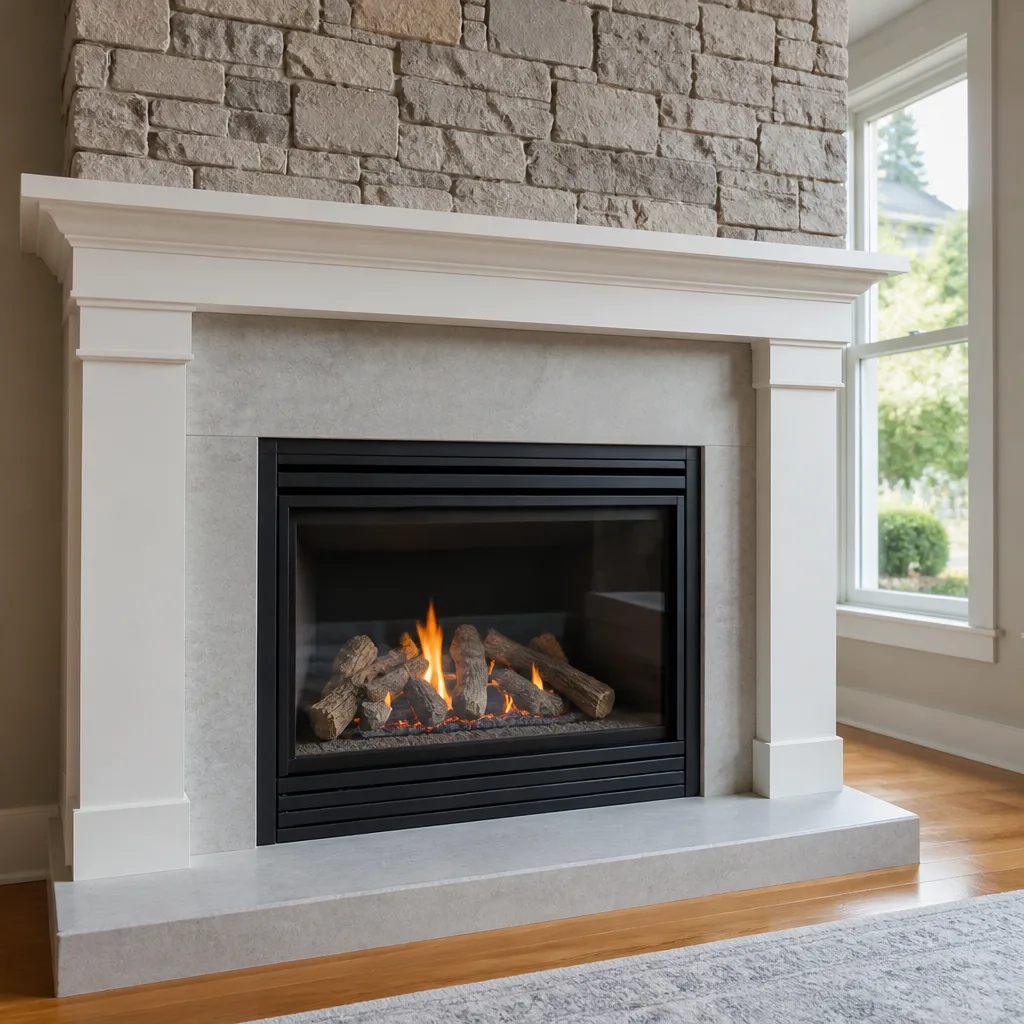 Gas fireplace service
Level 1 sweep and inspection to the NFPA 211 annual standard - flue, crown, cap, and flashing checked and photographed
Chimney sweep logs do not sweep chimneys. They loosen some creosote - which then falls where a brush and vacuum still have to collect it.
Chimney Cleaning Cost Breakdown: The Lowell Homeowner’s Reference for 2026
Two quotes land in your inbox for what sounds like the same job: one at $99 and one at $279. It’s tempting to assume the higher number is padding. It usually isn’t. At that price gap, you’re often comparing a basic brush-and-go against a sweep that includes a written inspection report, a look at the flue’s actual condition, and an honest conversation about what needs attention before winter. The difference isn’t just price; it’s scope. This guide breaks down what a chimney cleaning in Lowell actually costs, what drives those quotes apart, and how to read a line item so you can compare proposals accurately instead of defaulting to the smallest number on the page.
Quick Answer
A standard chimney cleaning in Lowell typically runs $150 to $300, with most homes landing in the $180 to $250 range for a straightforward single-flue sweep with a basic visual inspection. Premium services that include a video camera scan and a written report generally run $250 to $400. Repair work found during the sweep adds cost on top, and the written estimate you receive after inspection sets the final figure.
Styles & brands we work with
- Sweep & inspection
- Caps & crowns
- Flue relining
- Masonry repair
- Gas fireplace service
Table of Contents
- What’s Actually Included in a Chimney Cleaning Fee?
- How Chimney Configuration Changes the Price
- Repair Cost Benchmarks for Common Findings
- Why Annual Cleaning Costs Less Over Ten Years
- Red Flags in Low-Ball Quotes
- How to Compare Two Quotes Line by Line
- Lowell-Specific Factors That Affect Cost
What’s Actually Included in a Chimney Cleaning Fee?
A base chimney cleaning fee covers the physical removal of creosote, soot, and debris from the firebox up through the flue, plus a basic Level 1 visual inspection of accessible components. That’s the core service. Everything else that shows up on a quote is either a legitimate scope expansion or an add-on worth questioning.
The confusion happens because the term “inspection” gets used loosely. There are three recognized inspection levels in the trade, and only one is typically bundled into a standard sweep.
- Level 1 inspection: A visual check of readily accessible portions of the chimney, firebox, and connector. This is what most base cleaning fees include.
- Level 2 inspection: Adds a video camera scan of the flue interior. This is standard when a home changes hands, after a chimney fire, or when a problem is suspected. Usually quoted as an add-on.
- Level 3 inspection: Involves accessing concealed areas, sometimes requiring the removal of parts of the chimney structure. Rare and quoted separately.
What a written report means for your quote: a sweep that hands you a printed or emailed summary with photos, findings, and recommendations is a different service than one that brushes and leaves. The written record matters when you sell the home, when you file an insurance claim, and when you simply want to know what’s actually going on in your flue. If you’re comparing a low quote against a higher one, ask each provider directly which inspection level is included and whether you get a report. That single question explains most of the price gap.
Other items that vary by provider:
- Drop cloth and floor protection (should always be included; if it costs extra, ask why).
- Roof-level access for the top of the flue (some charge separately for roofs above a certain pitch or height).
- Removal and disposal of soot and debris (should be in the base fee).
- Firebox cleaning and ash removal (sometimes extra).
- Cap and crown inspection with photos (included in a thorough sweep, often missing from a cheap one).
If you live in Lowell and have a gas insert or a wood stove rather than a traditional open fireplace, the cleaning fee may differ because the internal components and access points change. Always clarify the appliance type when booking.
How Chimney Configuration Changes the Price
Chimneys aren’t one-size-fits-all, and the physical layout of yours is one of the biggest drivers of the final price. Two homes on the same block can have completely different cleaning costs based on how the flue is built. When we quote a job, here’s what moves the number:
Single-Story vs. Multi-Story
A single-story home with a straight flue and an easily accessed roof is the simplest job. A three-story Victorian with a tall chimney stack means more ladder time, more roof access work, and sometimes a second technician for safety. Expect a multi-story home to run $50 to $100 higher on a typical Lowell cleaning job.
Straight vs. Offset Flue
An offset flue (where the chimney jogs to the side partway up) requires flexible rods and flexible brushes to navigate the bend. It’s not a complication most sweep-only providers handle well, and it often requires a technician who carries flexible liner systems like DuraFlex to inspect and service the offset section properly. Offsets can add $40 to $80 to a cleaning due to the extra time and tooling.
Accessible vs. Difficult Roof Pitch
A shallow-pitch roof with a walkable surface is faster to work from. A steep pitch, a high roof, or a chimney that sits close to a valley or dormer changes the access plan and can add $50 to $125. Some jobs need roof jacks, harnesses, or a second person on the ground.
Chimney Location
An interior chimney (running up through the center of the house) versus an exterior chimney (running up an outside wall) changes the inspection approach. Exterior chimneys in Lowell’s cold winters tend to see more freeze-thaw stress on the masonry, which can lead to more repair findings and a longer inspection.
Flue Type and Liner
A clay-tile flue, a stainless steel liner, and an unlined older chimney all require different cleaning techniques. Homes near the older housing stock around the Acre and Lower Highlands often have clay-tile or unlined chimneys, which can take longer to clean safely and may benefit from a resurfacing product such as HeatShield if the liner is deteriorating.
Repair Cost Benchmarks for Common Findings
The cleaning itself is the entry point. The reason a $150 sweep sometimes turns into a $2,000 conversation is that the inspection finds something the homeowner didn’t know was there. Here’s what the most common findings in Lowell-area homes typically cost to fix.
| Repair | Typical Estimated Range | Why It Matters |
|---|---|---|
| HeatShield liner resurfacing | $1,200 – $2,500 | Restores a deteriorating flue without full replacement; only applies if the liner is still structurally sound enough to resurface. |
| Full stainless liner installation | $2,500 – $5,500 | Required when the existing liner is cracked, missing, or too damaged to resurface. |
| Damper replacement | $250 – $600 | A stuck or rusted damper wastes heat and lets cold air backflow into the house. |
| Chimney cap installation | $200 – $550 | Keeps rain, animals, and debris out of the flue; caps sourced from Famco or Copperfield hold up to New England weather better than off-brand hardware. |
| Tuckpointing (spot masonry repair) | $500 – $1,500 | Repairs mortar joints that have cracked or washed out, preventing water infiltration. |
| Crown repair | $350 – $900 | The crown at the top of the chimney sheds water; a cracked crown lets it into the masonry below. |
These are general ranges, not quotes for your specific chimney. The written estimate after the inspection sets the final price. The key point is that repair work is not automatic. A good sweep explains what it found, shows you the evidence (photos or camera footage), and tells you honestly whether the repair can wait until spring or needs to happen before you burn again. If nobody shows you the evidence, that’s a red flag.
If the inspection finds a liner problem, the fix isn’t always replacement. HeatShield liner resurfacing can restore a deteriorating flue in many cases where a full liner would otherwise be quoted, and it costs meaningfully less. Not every sweep offers it; not every chimney qualifies. A sweep that only cleans will hand you the liner problem and send you elsewhere. Our full-cycle model means we can sweep, assess, and repair under one service call, which is one of the reasons we invest in the same professional-grade product lines certified technicians use nationwide.
Why Annual Cleaning Costs Less Over Ten Years
Here’s a simple way to see the economics: a yearly chimney cleaning in Lowell runs $150 to $300. Deferred maintenance is what costs real money. The math over ten years is not close.
The disciplined approach
- Yearly cleaning and inspection: $150 to $300, ten times: roughly $1,500 to $3,000.
- Occasional minor repairs (a cap, a damper, some tuckpointing) spread over a decade: maybe $500 to $1,500.
- Total over ten years: roughly $2,000 to $4,500.
The deferred approach
- Skipping cleanings allows creosote to build up. A heavy, glazed creosote layer is harder and more expensive to remove than a thin, routine one.
- The flue interior isn’t being inspected, so a cracked liner or damaged crown goes unnoticed.
- What would have been a $300 cleaning and a $400 cap turns into a $2,500 liner installation and a crown rebuild.
- Worst case, a chimney fire or carbon monoxide issue caused by the neglected flue turns into structural damage or a health emergency.
That’s the real argument for annual service: not that the cleaning itself is cheap, but that it’s the cheapest way to catch problems while they’re still small. The Northeast climate makes this more critical. Lowell winters are cold, the freeze-thaw cycle works on masonry every year, and the burning season is long enough that creosote accumulates steadily through the colder months.
A related savings: bundling your dryer vent cleaning with the chimney service on the same visit avoids a second trip charge and addresses the other exhaust hazard in the home at the same time. Lint buildup in a dryer vent is a genuine fire risk, and it’s a job most homeowners forget until something goes wrong.
Red Flags in Low-Ball Quotes
A quote well below the typical range is worth scrutinizing, not celebrating. In our experience, corners get cut in predictable ways when a job is priced to win on number alone.
- No inspection level stated. If the quote doesn’t say which inspection level is included, assume it’s the bare minimum and that the written report is extra.
- No written report. A verbal “everything looks fine” is not a record. You can’t show it to a buyer, an insurer, or a future technician.
- One flat price with no itemization. A legitimate quote separates the cleaning from any extras so you can see what you’re paying for.
- No mention of roof access or flue type. If the quote was built without anyone asking about your chimney configuration, it probably wasn’t priced accurately.
- Upsell pressure at the door. If the “cleaning” quote becomes a hard sell for repairs before any inspection evidence is shown, that’s a signal to slow down.
- Unmarked vehicles and no professional-grade tools. Flexible rods, camera equipment, and drop cloths should be standard, not an upgrade.
- No mention of creosote severity. A qualified sweep grades creosote buildup and tells you the degree. Silence on this suggests the flue condition wasn’t really assessed.
Before you agree to a price, ask these three questions: Which inspection level is included? Do I get a written report with photos? What’s the typical range for a chimney like mine? If the answers are vague, the low price is the pitch, not the value.
How to Compare Two Quotes Line by Line
The right way to compare a $99 quote against a $279 quote is not to look at the totals. It’s to put the two line items side by side. Here’s the framework:
- Identify the cleaning scope. Is it a full sweep from firebox to flue top, or only the accessible firebox portion?
- Identify the inspection level. Level 1 visual, Level 2 with video, or something else?
- Confirm the deliverable. Written report, photos, camera footage, or nothing?
- Note the add-ons. Roof access, flue type adjustment, debris removal, cap inspection: are these included or separate?
- Check the repair quote policy. Is repair work quoted separately after inspection, or bundled in up front?
- Verify the product lines. For any repair work, what brands will be used? Professional-grade components from Olympia Chimney or Copperfield are not the same as generic hardware-store parts.
- Confirm the written estimate rule. The price should be set by the written estimate, not adjusted after the fact.
Once you’ve done the line-by-line work, most of the $150 to $300 gaps disappear. The quotes are for different services, and the higher number usually reflects the scope you actually want.
Lowell-Specific Factors That Affect Cost
Lowell isn’t a generic market, and the local housing stock shapes what a cleaning and inspection turn up. The city has a lot of older housing stock, including triple-deckers, converted mills, and Victorian-era homes near neighborhoods like Pawtucketville, Belvidere, and the Acre. Those homes often have chimneys that have been used, converted, or partially upgraded over decades, which means the inspection frequently surfaces something nonstandard.
A few local factors that affect cost:
- Older masonry chimneys in the central neighborhoods often show mortar joint wear from cold winters, adding tuckpointing to the recommended list.
- Converted heating systems. Some homes have a chimney originally built for coal or oil that has since been adapted for wood or gas, and the flue liner may no longer be correctly sized for the current appliance.
- Steep rooflines on some of the taller Victorian homes require more careful roof access, adding to the labor side of the quote.
- Seasonal timing. Booking a chimney sweep before the burning season starts gives you time to schedule any repair work that’s found, rather than scrambling after the first cold snap.
Knowing the neighborhood also helps us price the job accurately before we arrive. If you’re preparing a home for sale and need a documented inspection, mention that when you book, because the report format is different. And if you want a sense of how we handle the full lifecycle of chimney health in this city, you can read more about our approach to Lowell and the surrounding region.
Common Mistakes to Avoid
- Choosing on price alone. A $99 quote and a $279 quote are not the same service. Compare inspection level and written report before you compare the number.
- Skipping the video inspection on an older home. Level 2 inspections matter more in Lowell’s older housing stock where liners may have been retrofitted or damaged. Don’t assume a Level 1 visual catches a cracked liner.
- Assuming “the chimney looks fine” from the ground. Damage inside the flue and at the crown isn’t visible from the yard. Trust the inspection, not the curb view.
- Waiting until the first cold week to book. Scheduling early means you have time to address any repair before you need to burn, rather than rushing a liner decision in December.
- Ignoring the dryer vent while you’re at it. Lint buildup is a separate fire hazard and is cheapest to address on the same visit as the chimney sweep.
- Accepting a repair quote without evidence. Any recommendation for liner or masonry work should come with photos or camera footage you can see for yourself. Ask to be shown the problem before you agree to fix it.
- Assuming a repair is urgent when it may not be. Some findings can safely wait until spring. A good sweep will tell you plainly when work can wait and when it can’t.
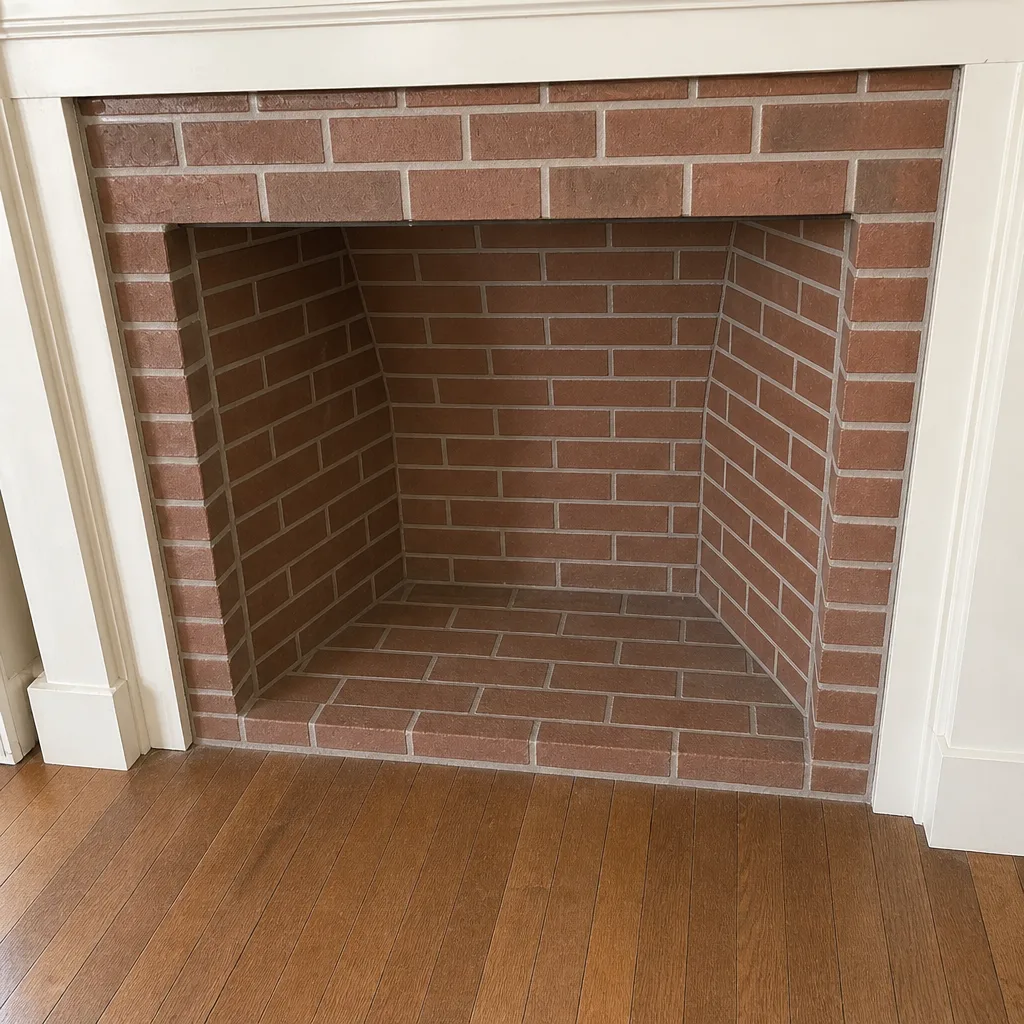
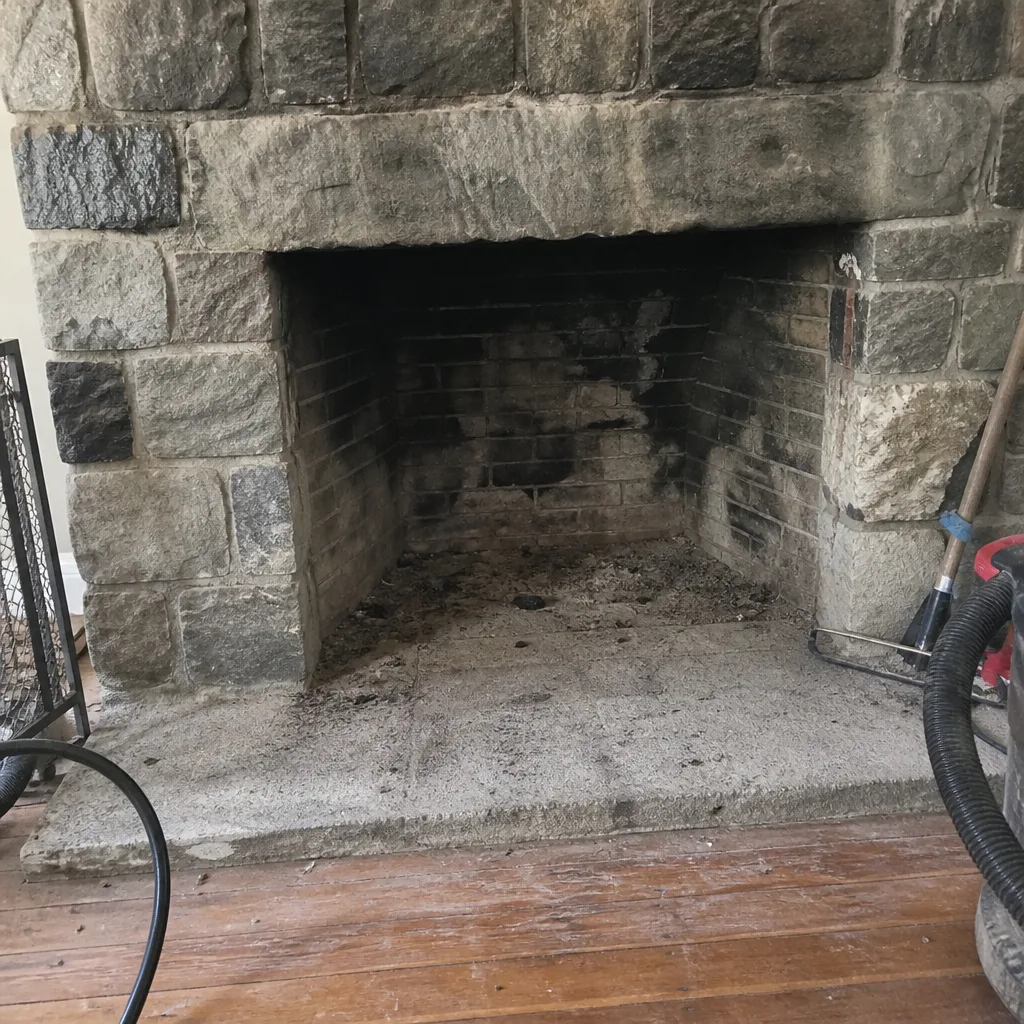
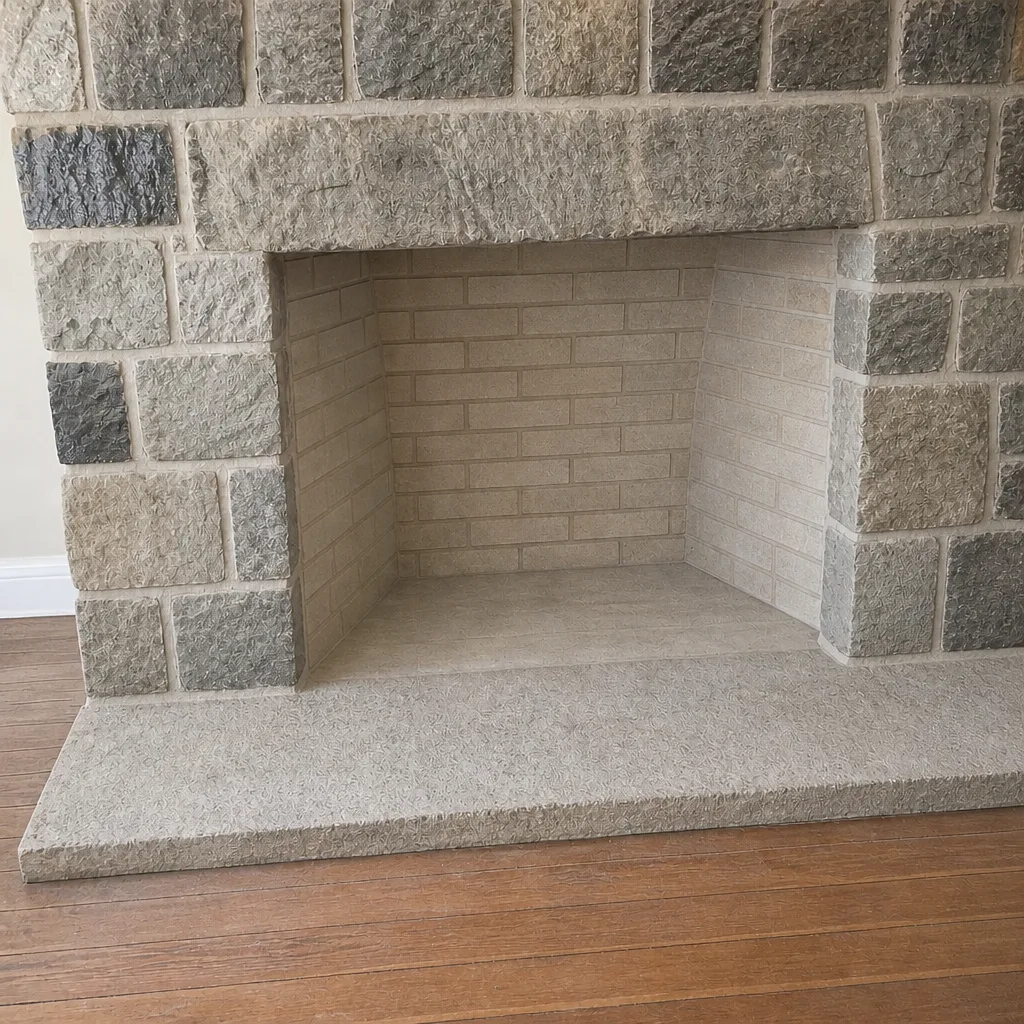
See the difference
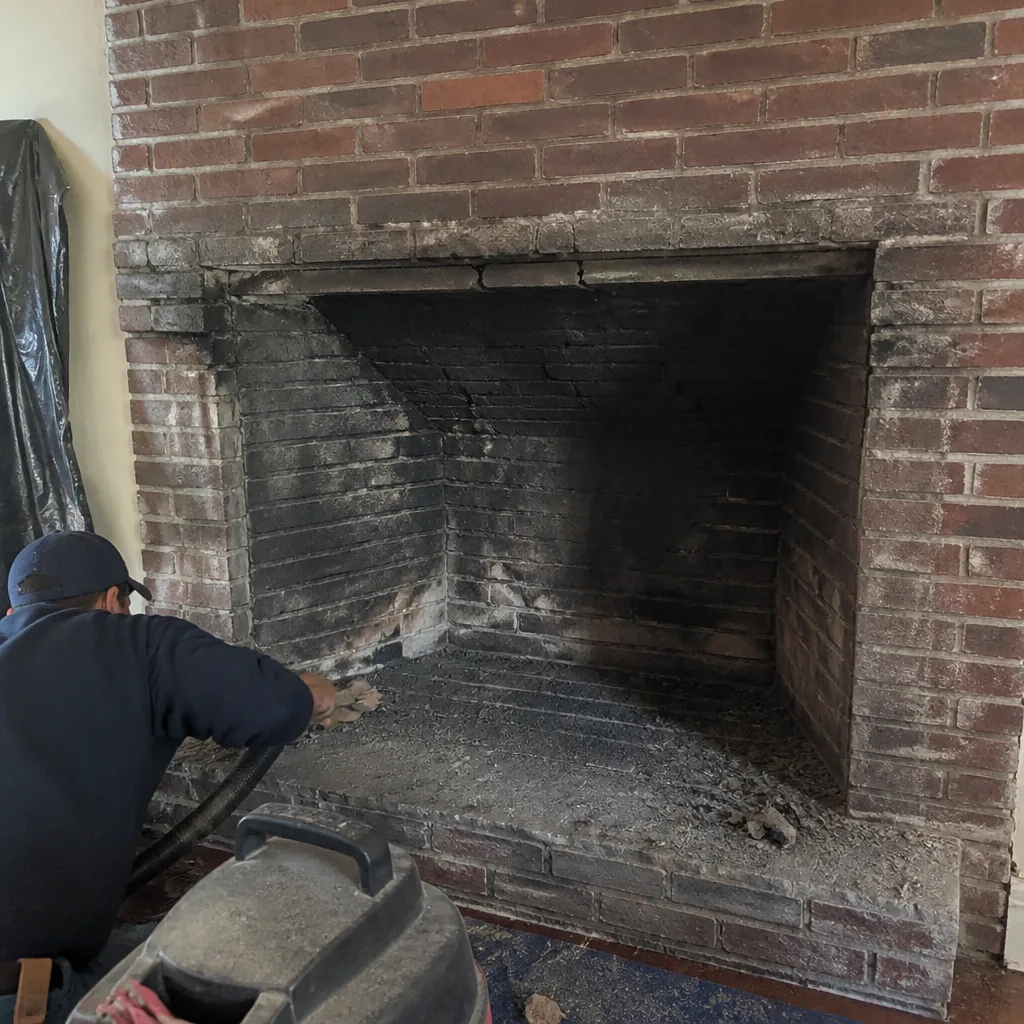 Before
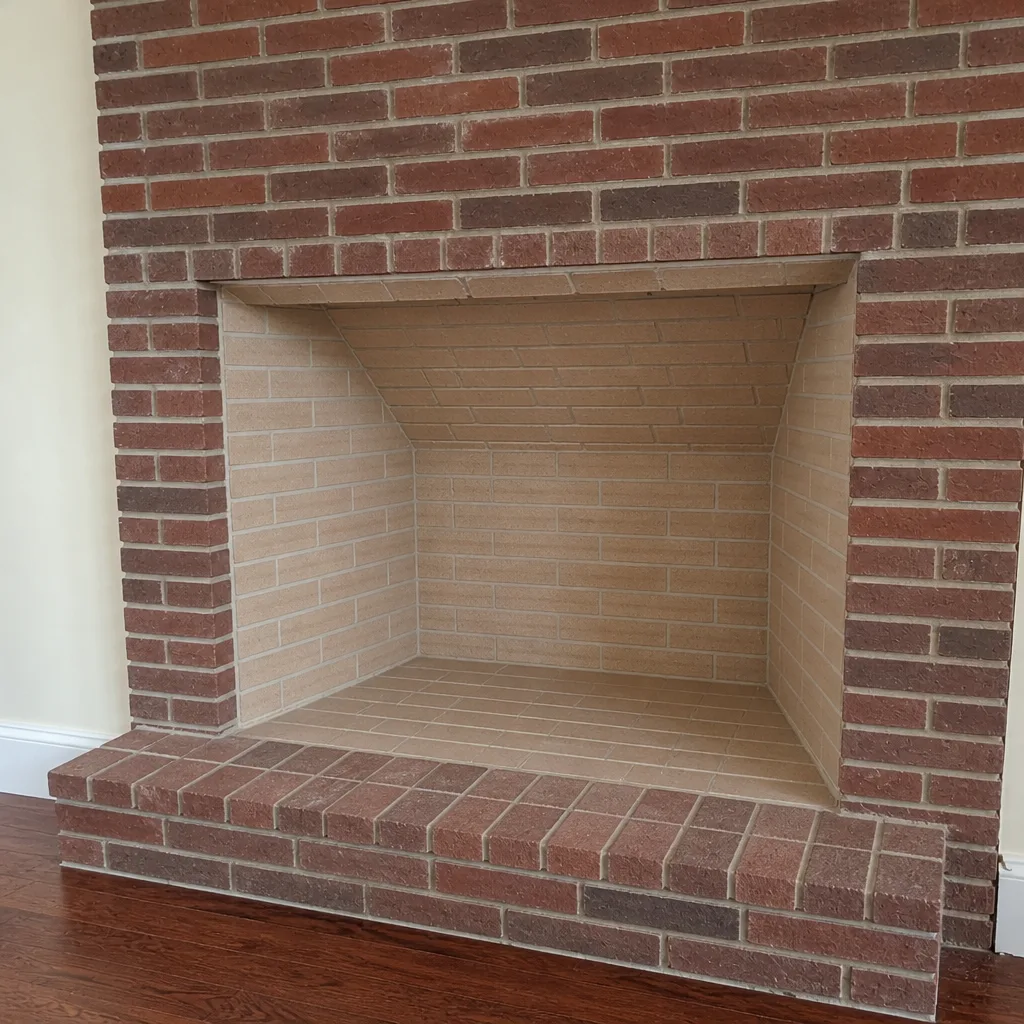 After
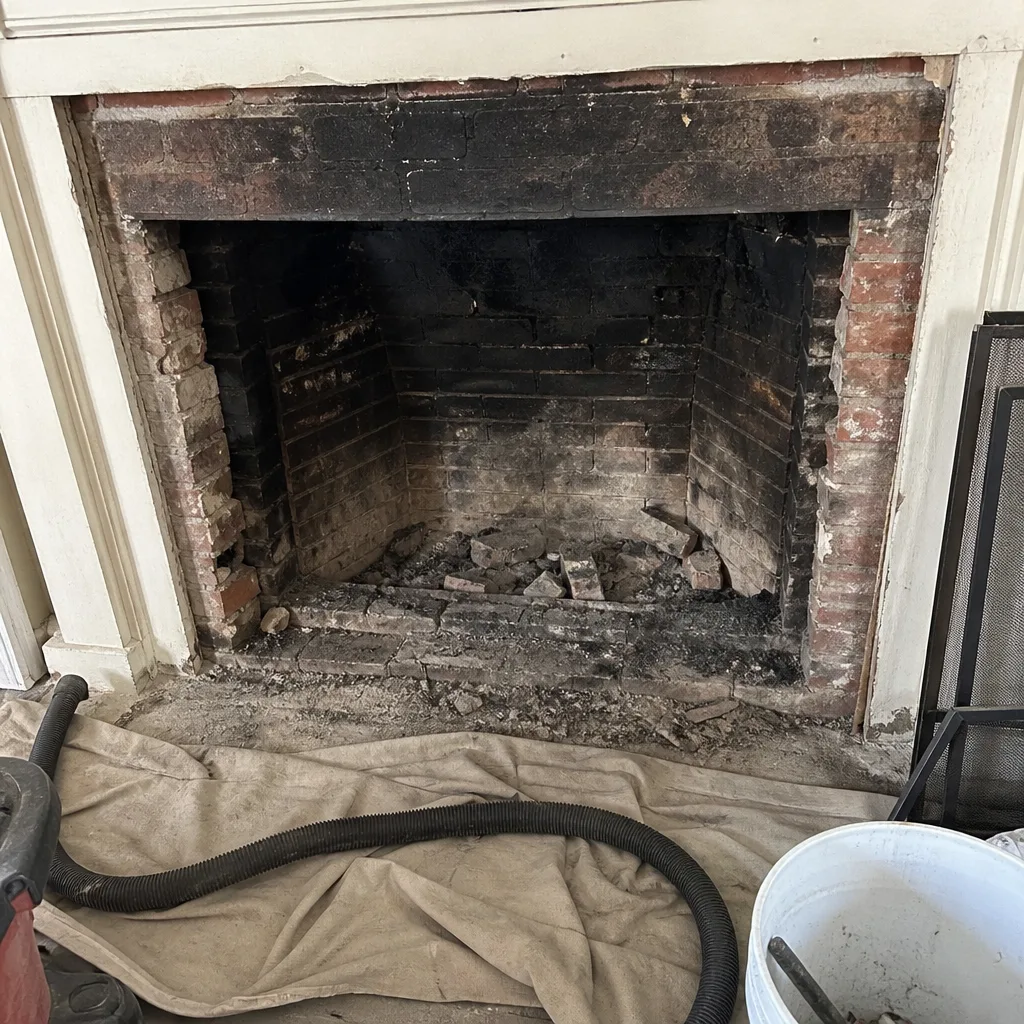 Before
 After
 Before
 After
When to Call a Professional
Call a professional chimney service if you burn wood regularly and haven’t had the flue cleaned in a year, if you notice a strong creosote smell or visible soot around the firebox, if the fire doesn’t draw well or smoke backs into the room, or if you’re buying or selling a home and need a documented inspection. Also call if you’ve had a chimney fire, even a small one, because the liner may be damaged in ways you can’t see. Gas appliance venting should be checked too, since blockages can lead to carbon monoxide problems. If you’ve had a disappointing experience with a generalist who found nothing or found too much, a specialist who diagnoses and repairs is worth the call.
Chimney Sweep Lowell offers free estimates in Lowell. Call (888) 450-3059. We answer 24/7. Fast dispatch from 7am to 7pm, Sunday through Friday.
Frequently Asked Questions
A standard chimney cleaning in Lowell typically costs $150 to $300, with most straightforward jobs landing between $180 and $250. A premium cleaning that includes a video camera scan and a written inspection report generally runs $250 to $400. The written estimate you receive after inspection sets the final price. Call (888) 450-3059 for an exact quote, and estimates are free.
Only if the inspection evidence shows a problem. A cracked, missing, or deteriorated liner lets creosote and combustion gases contact the chimney’s masonry or the home’s framing, which is a real fire and carbon monoxide risk. But the recommendation should come with camera footage or photos you can see. In many cases a HeatShield resurfacing can restore the flue for less than a full liner replacement, and sometimes a repair can safely wait. Nothing we recommend goes forward without evidence you can review. Call (888) 450-3059 to schedule an inspection.
Most wood-burning chimneys should be swept once a year, or more often if you burn heavily. The general rule in the trade is to have the flue cleaned when creosote buildup reaches an eighth of an inch. In Lowell’s long burning season, annual is the right baseline for most homes. Call (888) 450-3059 to book your sweep before the season starts.
Creosote builds up inside the flue, and a thick, glazed layer is far harder and more expensive to remove than a routine thin one. More importantly, you lose the annual inspection that catches small problems (a cracked liner, a damaged crown, a failing damper) before they become large ones. A $300 cleaning and a $400 cap can become a $2,500 liner job after a few skipped years. Call (888) 450-3059 for a free estimate.
They’re usually not the same service. The low quote typically covers a basic brush-and-go with no written report or video inspection. The higher quote bundles a Level 1 or Level 2 inspection, a written report, and a thorough assessment of the flue’s condition. Ask each provider which inspection level is included and whether you get a report before you compare the totals. Call (888) 450-3059 to get a quote that itemizes exactly what’s included.
Yes, we handle dryer vent cleaning alongside chimney service, which lets you address both exhaust hazards on one visit rather than booking two contractors. A clogged dryer vent is a genuine fire risk, and bundling it with the chimney sweep is the most efficient way to handle both. Call (888) 450-3059 for a free estimate on a combined visit.
The Bottom Line
A chimney cleaning in Lowell typically costs $150 to $300 for a standard sweep, $250 to $400 with a video inspection and written report, and repair findings add on top based on the written estimate. The wide spread in quotes usually isn’t padding; it’s scope. Compare inspection level, report deliverable, and itemization rather than the bottom line. Annual service costs far less than deferred maintenance over ten years, and the repair ranges (liner resurfacing, damper, cap, tuckpointing) are far less painful when found early. Choose a specialist who shows you the evidence before recommending work, and you’ll get a straight answer every time.
Ready to book? Call (888) 450-3059 for a free estimate from a specialist who sweeps, inspects, and repairs. We answer 24/7. Fast dispatch from 7am to 7pm, Sunday through Friday. You can also learn more about Chimney Sweep Lowell and what we do.
Written by the team at Chimney Sweep Lowell.